
Many homeowners wonder if a shower pan liner is truly necessary when installing or remodeling a shower. You might hear different opinions from contractors, plumbers, and even friends who have done their own bathroom upgrades. Some say it’s an outdated idea, while others insist it’s a must-have for protecting your home. The truth is, skipping a shower pan liner can lead to serious problems that are expensive and stressful to fix. It’s not just an extra step—it’s a silent hero working behind the scenes.
Understanding why a shower pan liner matters, when it’s required, and what can happen if you don’t use one is essential for anyone dealing with a bathroom project. Whether you’re a DIY enthusiast or hiring a professional, making the right decision now can save you years of headaches later. This article explores everything you need to know: how shower pan liners work, when they’re non-negotiable, alternatives, installation tips, and what building codes require. By the end, you’ll have clear, practical knowledge to make a confident choice for your home.
What Is A Shower Pan Liner?
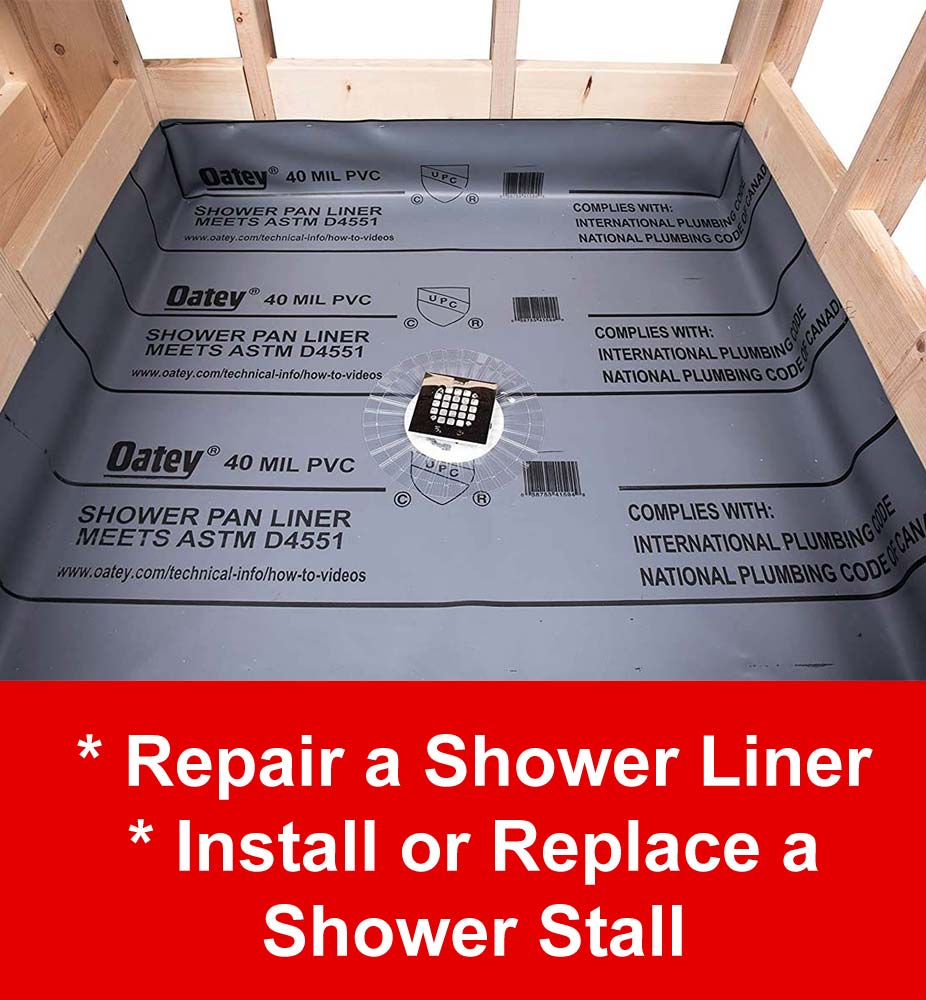
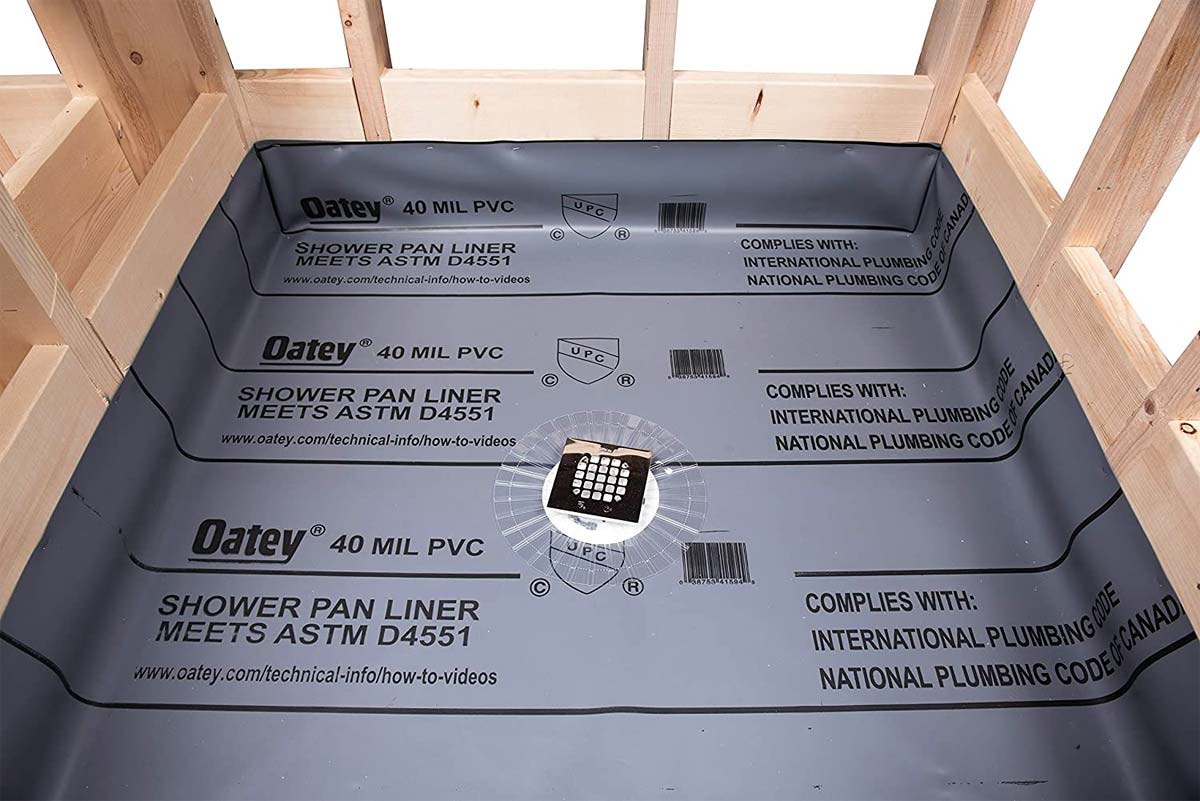
A shower pan liner is a waterproof barrier installed beneath the shower floor. Its main job is to catch any water that slips through the shower tiles or grout and direct it safely into the drain. Even in modern showers, tiny cracks or gaps can let water seep below the surface. Without a liner, this water can soak into the floor structure, causing rot, mold, and structural damage.
Most liners are made from flexible materials like PVC (polyvinyl chloride) or CPE (chlorinated polyethylene). These are tough, water-resistant, and designed to last for many years. The liner is usually placed over a sloped mortar bed (the pre-slope), then covered with another layer of mortar and finally the tile. This “sandwich” keeps water moving toward the drain and out of your home.
How Shower Pan Liners Work
Shower pan liners serve as the final defense against leaks. Here’s a closer look at their role:
- Waterproofing: Even the best tile and grout can develop tiny cracks. The liner ensures that any water making it past the surface is caught.
- Sloped Drainage: The liner sits on a sloped base, so water flows down to the drain instead of pooling.
- Hidden Protection: You can’t see the liner after installation, but it’s working every time you use the shower.
- Barrier for Moisture: The liner also blocks water vapor, preventing moisture from damaging wooden subfloors or framing.
Without this layer, even a small leak can go unnoticed for years, leading to expensive repairs.
Is A Shower Pan Liner Really Necessary?
It’s a fair question: do you really need this hidden layer? The answer depends on your shower type, building codes, and how much you want to protect your investment.
Building Codes And Legal Requirements
Most areas in the United States and Canada require a waterproof liner for showers built over wood or other absorbent materials. The International Residential Code (IRC) and Uniform Plumbing Code (UPC) both require liners for tiled showers. Local codes may differ, but skipping the liner could lead to failed inspections.
If you plan to sell your house, a missing liner may create legal issues or reduce your home’s value. Insurance claims for water damage might also be denied if you ignored required waterproofing.
Risk Of Skipping The Liner
Some people think modern waterproofing products or special tiles make liners unnecessary. But the risk is high:
- Hidden leaks: Water can travel far from the shower before signs appear.
- Mold: Warm, damp wood is a perfect place for mold, which is dangerous to health and hard to remove.
- Rot and decay: Floor joists and subfloors can rot, leading to costly repairs.
- Structural damage: In extreme cases, water can weaken the floor so much it becomes unsafe.
Exceptions: When A Liner Might Not Be Needed
There are a few cases when a liner isn’t necessary:
- Pre-formed fiberglass or acrylic pans: These one-piece units are already waterproof.
- Concrete slab with waterproof coating: Some commercial showers use heavy-duty surface membranes instead.
- Curbless showers with full surface waterproofing: Only if approved by local codes.
But even in these cases, a liner or similar waterproofing is often recommended for extra protection.
Common Types Of Shower Pan Liners
Choosing the right liner depends on your budget, skill level, and local climate. Here are the main types:
1. Pvc Liners
PVC is the most common material for shower pan liners. It’s affordable, flexible, and widely available. PVC liners are usually 40 mil thick, which meets code requirements.
Pros:
- Low cost
- Easy to cut and shape
- Resists chemicals
Cons:
- Can become brittle in very cold climates
- Not as durable as some alternatives
2. Cpe Liners
CPE liners are similar to PVC but more flexible and chemical-resistant. They cost a bit more but are easier to work with, especially in tight corners.
Pros:
- Stays flexible in cold or heat
- Long-lasting
Cons:
- More expensive than PVC
- Limited availability in some regions
3. Liquid Waterproofing Membranes
These products are painted or rolled onto the surface. Once dry, they form a seamless, waterproof barrier.
Pros:
- Great for custom shapes or curbless showers
- No seams to leak
Cons:
- Needs careful application for full coverage
- May require multiple coats
4. Sheet Membranes
Brands like Schluter Kerdi offer fabric-like sheets that install over the mortar bed. They are bonded with thinset mortar.
Pros:
- Excellent waterproofing
- Can extend up walls for full enclosure
Cons:
- More expensive upfront
- Requires precise installation
5. Hot Mop Liners
Popular in parts of California, this method uses layers of hot asphalt and felt to create a custom waterproof base.
Pros:
- Durable and long-lasting
- Great for odd-shaped showers
Cons:
- Messy and requires a professional
- Not common outside the West Coast
Credit: www.wpsexpert.com
Comparing Shower Pan Liner Materials
Understanding the differences can help you choose the right liner for your project.
| Type | Cost | Durability | Ease of Installation | Availability |
|---|---|---|---|---|
| PVC | Low | Good | Easy | High |
| CPE | Medium | Excellent | Medium | Medium |
| Liquid Membrane | Medium | Good | Medium | High |
| Sheet Membrane | High | Excellent | Hard | Medium |
| Hot Mop | Medium | Excellent | Hard | Low |
Shower Types And Liner Requirements
Different showers have different needs. Here’s how liners fit into common shower designs.
Tiled Showers
Tiled showers almost always require a liner. Grout and tile are not waterproof, so a liner is critical to protect the structure beneath.
Pre-formed Shower Pans
Acrylic or fiberglass pans are molded in one piece and are naturally waterproof. A liner isn’t needed, but you must install the pan correctly to avoid leaks around the edges.
Curbless Or Walk-in Showers
These trendy showers often use surface-applied membranes instead of traditional liners. However, extra care is needed to ensure water cannot escape into the floor.
Custom Showers
Odd shapes, benches, or niches need special attention. Liners must be carefully installed to cover all corners and seams.
Steam Showers
Steam showers need full waterproofing on all surfaces, including ceilings and walls, often using both liners and surface membranes.
The Cost Of Installing (or Skipping) A Shower Pan Liner
Budget is always a consideration. Here’s what to expect:
Material Cost
- PVC liner: $50–$100 per average shower
- CPE liner: $80–$150
- Liquid membrane: $100–$200 for a full kit
- Sheet membrane: $200–$400
Labor Cost
- DIY: You can save money, but mistakes are expensive.
- Professional install: $300–$800 for labor, depending on your area and shower size.
Cost Of Not Using A Liner
Skipping the liner can lead to:
- Water damage repairs: $2,000–$15,000+
- Mold remediation: $500–$6,000
- Structural repair: Can reach $20,000 for severe cases
In short, the liner’s cost is tiny compared to repairs.
Step-by-step: How A Shower Pan Liner Is Installed
Many homeowners are curious about the process. Here’s a simplified overview:
- Build the Pre-Slope: Create a sloped mortar base so water flows to the drain.
- Install the Liner: Lay the liner over the pre-slope. It should extend up the walls at least 6 inches.
- Seal the Corners: Fold and glue or weld the corners to prevent leaks.
- Cut for the Drain: Carefully cut and seal the liner around the drain opening.
- Flood Test: Fill the pan with water and check for leaks before continuing.
- Add the Mortar Bed: Place another layer of mortar over the liner.
- Tile Installation: Install tile and grout on top.
Pro Tip: Overlapping corners and using proper adhesives can prevent leaks in tricky areas.

Credit: www.angi.com
Common Mistakes When Skipping Or Installing A Liner
Avoid these pitfalls to ensure a leak-free shower:
- Skipping the pre-slope: Liner must sit on a slope, not flat.
- Failing to seal corners: Most leaks start here.
- Cutting liner too short: It must go up the wall and over the curb.
- Improper drain connection: Use the right clamping drain for your liner type.
- Not flood-testing: Always check for leaks before adding the top mortar.
Alternatives To Traditional Liners
Some modern systems use different waterproofing methods. Here’s how they compare:
Surface-applied Membranes
These are rolled or painted directly on the shower surface. They can be used alone or with a liner for double protection.
Pre-formed Foam Shower Pans
Made from waterproof foam, these units are covered with a surface membrane. They’re lightweight and fast to install.
Hot Mop
As mentioned earlier, this method is durable but requires special skills and equipment.
Note: Not all alternatives are approved everywhere. Always check local codes.
Real-world Examples: When Liners Saved The Day (or Didn’t)
- Hidden Leak Disaster: A homeowner skipped the liner to save time. Five years later, they discovered rotted floor joists and a $10,000 repair bill.
- Liner Success: In a busy family home, the shower liner caught small leaks that would have gone unnoticed for years. The liner prevented any damage, saving thousands.
- Code Violation: A DIY remodel failed inspection because the liner was missing. The homeowner had to tear out the shower and start over.
Insight: Most water damage from showers is slow and hidden. By the time you see surface problems, the real damage is already done.
How To Tell If Your Shower Has A Liner
If you’re not sure what’s under your shower, look for these clues:
- Age of home: Showers built after 1980 usually have liners.
- Inspection port: Some homes have a small access panel behind the shower.
- Visible curb: If the shower curb feels “soft” or shows water damage, the liner may be missing or failed.
- Tile cracks or loose tiles: This can be a sign of water below.
If in doubt, a plumber or contractor can check with a moisture meter or small inspection hole.
Building Codes And Industry Standards
Most building codes require some form of liner or waterproofing. Here are the key points:
- IRC (International Residential Code): Requires a waterproof liner extending at least 2 inches above the curb.
- UPC (Uniform Plumbing Code): Similar requirements; liner must be tested for leaks.
- ANSI Standards: Set minimum thickness and material types.
Tip: Always check your local code, as some areas have stricter rules.
For more details, see the International Association of Certified Home Inspectors.
Maintenance Tips For Shower Pan Liners
A shower pan liner is mostly worry-free, but a few habits can help it last:
- Keep drains clear: Blocked drains can cause water to pool and stress the liner.
- Check grout and caulk: Repair cracks quickly to reduce water reaching the liner.
- Inspect for soft spots: Spongy tile or curb may signal a leak.
- Avoid harsh chemicals: Some cleaners can damage liners over time.
Diy Vs. Professional Installation
Should you install the liner yourself or hire a pro? Here’s a quick comparison.
| Factor | DIY | Professional |
|---|---|---|
| Cost | Low | High |
| Skill Needed | High | Expert |
| Warranty | None | Often Included |
| Time | Longer | Faster |
| Risk of Mistakes | High | Low |
Insight: If you’re not confident with waterproofing, hiring a licensed installer is the safest path.
Signs Your Shower Pan Liner Has Failed
Even the best liners can fail over time. Watch for these warning signs:
- Musty smell: Persistent odors mean hidden moisture.
- Soft or cracked tiles: Water below the surface can loosen tiles.
- Visible water damage: Stains, warping, or mold on nearby walls or floors.
- Pooled water: Water that doesn’t drain or appears outside the shower.
If you see any of these, act quickly. Early repair saves money and prevents bigger problems.
How Long Does A Shower Pan Liner Last?
With proper installation and care, most liners last 20–30 years. PVC and CPE liners can last even longer if not damaged by sharp objects or harsh chemicals. Hot mop and sheet membranes are also long-lasting. However, homes with frequent earthquakes or shifting foundations may see earlier failures.
Pro Tip: Replacing the liner during a remodel is smart, even if the old one looks good.
Environmental Concerns And Modern Alternatives
Traditional liners are made from plastics, which can raise environmental concerns. Some newer options use recycled materials or low-VOC (volatile organic compounds) products. Surface-applied membranes often have a lower impact and can be easier to recycle during future remodels.
While not the main reason to choose a liner, eco-friendly options are now available for those who want to reduce their environmental footprint.
Credit: www.wpsexpert.com
Expert Opinions: What The Pros Say
Most experienced plumbers and tile installers agree: a shower pan liner is essential for any tiled shower built over wood or other absorbent floors. Many have seen expensive repairs from skipped liners and always recommend following code.
Some modern designers use only surface membranes in special cases, but these are usually paired with careful engineering and inspection.
Non-obvious insight: Some insurance companies now check for proper waterproofing before approving water damage claims.
Summary: Is A Shower Pan Liner Necessary?
After exploring the facts, the answer is clear: Yes, a shower pan liner is necessary for most tiled showers. It’s not just about following code or passing inspection—it’s about protecting your home, your health, and your budget. Whether you choose PVC, CPE, a liquid membrane, or a modern sheet system, the liner is your shower’s silent defender.
Skipping this step can lead to hidden leaks, structural damage, mold, and expensive repairs. For a small upfront cost, you gain years of peace of mind. Even if you’re using a pre-formed pan or surface membrane, double-check your local codes and consider a liner for extra security.
A well-installed liner is out of sight but always working for you. If you’re not sure about your shower’s waterproofing, consult a professional or ask your local building inspector. The best showers don’t just look good—they keep your home safe and dry for decades.
Frequently Asked Questions
What Happens If I Don’t Use A Shower Pan Liner?
If you skip the liner, water can leak into the floor below your shower. Over time, this causes rot, mold, and expensive structural damage. The problem may go unnoticed for years until major repairs are needed.
Can I Use A Waterproof Paint Instead Of A Liner?
Waterproof paints or roll-on membranes can be used in some modern systems, but they must be applied perfectly. Most building codes still require a traditional liner for tiled showers. Always check local rules before using alternatives.
How Can I Tell If My Shower Liner Is Leaking?
Signs include musty smells, soft or cracked tiles, and water stains on nearby walls or floors. If you suspect a leak, a plumber can perform a flood test or use moisture meters to confirm.
Do All Showers Need A Pan Liner?
Not all. Pre-formed acrylic or fiberglass pans do not need a liner since they’re already waterproof. But any tiled shower over wood or a standard subfloor requires a liner. Always follow local codes and best practices.
How Long Does A Shower Pan Liner Last?
Most liners last 20–30 years with proper installation and care. Some materials may last longer, but it’s smart to replace the liner during any major shower remodel to ensure long-term protection.