
Clorox bleach is a well-known cleaning product in homes and businesses around the world. Many people trust it to disinfect, remove stains, and keep laundry bright. But some shoppers are becoming more careful about the chemicals they use, especially when it comes to chlorine. They want to know: is Clorox Performance Bleach non-chlorine? The answer is not as simple as it may first appear. This article will break down what Clorox Performance Bleach is, the difference between chlorine and non-chlorine bleaches, and what you should consider when buying and using these products.
You’ll find clear explanations, practical tips, and helpful comparisons that will help you make an informed choice. Whether you want to keep your whites bright, sanitize your bathroom, or avoid strong chemicals, you’ll find the answers you need right here.
Understanding Bleach: The Basics
Before comparing Clorox Performance Bleach to non-chlorine options, it’s important to understand what bleach really is. Bleach is a chemical product used to whiten, remove stains, and kill germs. The word “bleach” can mean different things depending on the ingredients inside.
What Is Chlorine Bleach?
Chlorine bleach is the most common type. Its main ingredient is usually sodium hypochlorite. This chemical is very good at whitening clothes, killing bacteria and viruses, and removing tough stains. When people talk about “bleach” in general, they usually mean chlorine bleach.
What Is Non-chlorine Bleach?
Non-chlorine bleach uses different ingredients, most often hydrogen peroxide or other oxygen-based chemicals. Sometimes it’s called “color-safe bleach” because it’s less likely to damage colored fabrics. Non-chlorine bleach is usually milder and safer for many materials, but it may not kill as many germs or remove stains as strongly as chlorine bleach.
How Bleach Works
Both chlorine and non-chlorine bleaches work by breaking down color molecules in stains and killing germs. Chlorine bleach does this quickly and powerfully. Non-chlorine bleach works more slowly and gently. This difference matters depending on what you want to clean or disinfect.
Clorox Performance Bleach: What’s Inside?
To answer if Clorox Performance Bleach is non-chlorine, we need to look at the product itself. Clorox is a large brand with several types of bleach, so it’s easy to get confused.
Ingredients Of Clorox Performance Bleach
Clorox Performance Bleach contains sodium hypochlorite as its active ingredient. This is the same chemical found in most regular chlorine bleaches. It is not a non-chlorine or oxygen-based bleach.
- Active Ingredient: Sodium hypochlorite (usually 6.0% concentration)
- Other Ingredients: Water, sodium chloride, sodium carbonate, and sometimes fragrance
This formula is designed for strong cleaning, disinfecting, and whitening. It is especially common in laundry use and for cleaning bathrooms, kitchens, and other tough jobs.
Label Clues
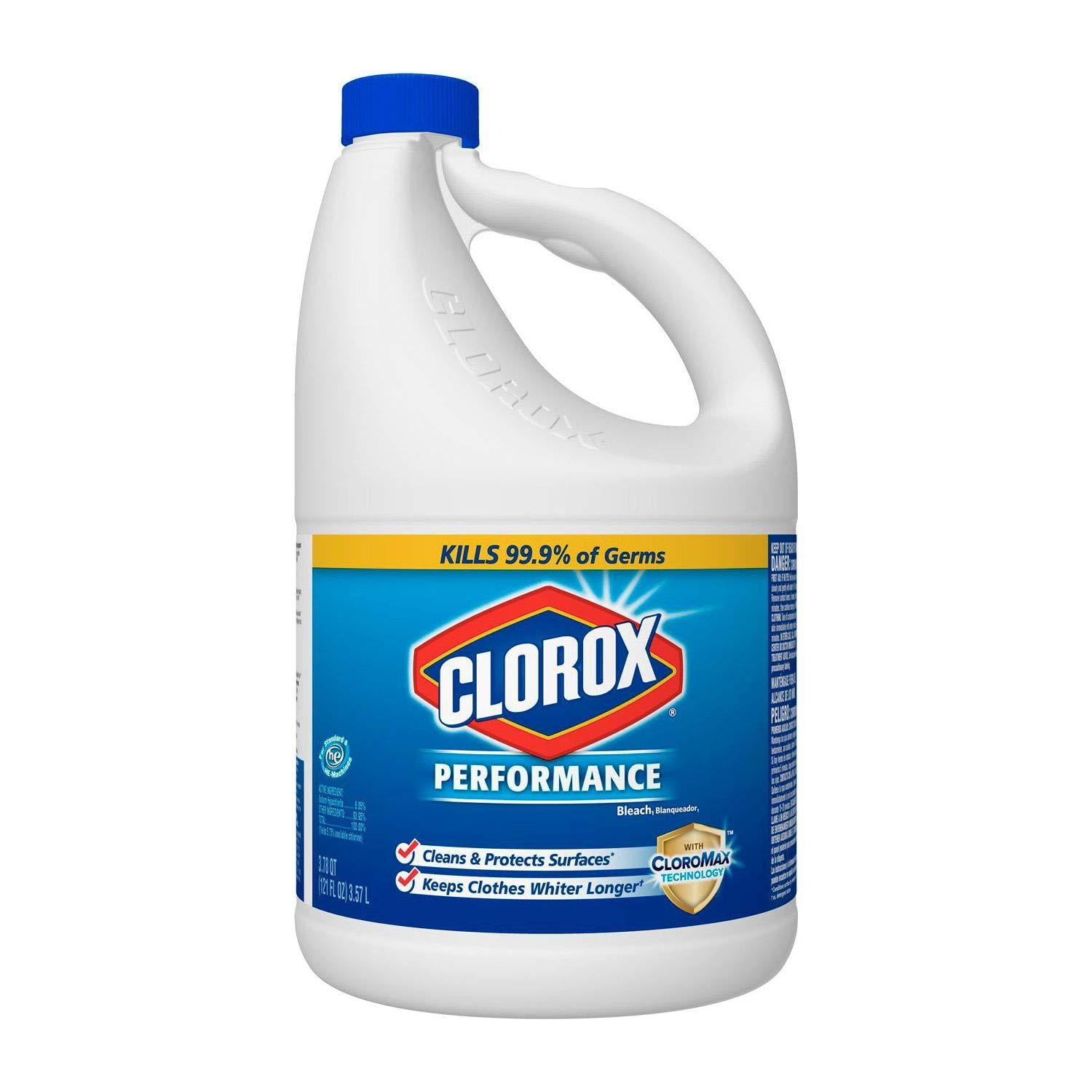
If you look at the Clorox Performance Bleach label, you will usually see words like “disinfects,” “whitens,” or “kills 99. 9% of germs. ” These are strong hints that the product is chlorine-based. Non-chlorine bleaches do not usually make these claims.
Official Product Descriptions
On the official Clorox website and product packaging, Clorox Performance Bleach is clearly described as a chlorine bleach. There is no mention of “non-chlorine” or “color-safe” for this product. This is an important detail that many people miss when shopping.
Credit: www.walmart.com
Chlorine Bleach Vs. Non-chlorine Bleach
Let’s compare chlorine bleach like Clorox Performance Bleach to non-chlorine bleach. The differences are important for both safety and cleaning power.
| Feature | Chlorine Bleach | Non-Chlorine Bleach |
|---|---|---|
| Main Ingredient | Sodium hypochlorite | Hydrogen peroxide or oxygen-based |
| Cleaning Power | Very strong | Milder |
| Whitening | Excellent | Good |
| Disinfecting | Kills most bacteria/viruses | Kills fewer germs |
| Safe on Colors | No (can fade or damage) | Yes (color-safe) |
| Smell | Strong, sharp | Milder, less odor |
| Surface Compatibility | Can damage some materials | Gentler on surfaces |
When To Use Each Type
- Chlorine bleach is best for white fabrics, bathrooms, kitchens, and places where you want strong disinfection.
- Non-chlorine bleach is better for colored clothes, delicate fabrics, and surfaces that may react badly to strong chemicals.
Why People Get Confused
Many shoppers see the word “bleach” and think all bleaches are the same. This is not true. Brands like Clorox make many products. Some are chlorine-based, some are not. The packaging can look similar, which adds to the confusion.
Some stores put all bleach products in one section, making it hard to tell them apart. Also, many people assume “performance” means the product is safer or more advanced. In reality, “performance” usually just means it works strongly—often because of chlorine.
How To Identify Non-chlorine Bleach
If you want a non-chlorine bleach, there are some easy ways to check:
- Check the active ingredient: Look for hydrogen peroxide or “oxygen bleach.” Avoid sodium hypochlorite.
- Look for color-safe on the label: Non-chlorine bleaches often say “color-safe” or “for colors.”
- Notice the claims: If the product says it “disinfects” or “kills 99.9% of germs,” it’s likely chlorine bleach.
- Brand names: Common non-chlorine bleach brands include Clorox 2, OxiClean, and Seventh Generation.
Is Clorox Performance Bleach Non-chlorine?
The answer is no. Clorox Performance Bleach is a chlorine bleach. It uses sodium hypochlorite as its main ingredient. It is not safe for colored clothes and is not a color-safe or non-chlorine bleach.
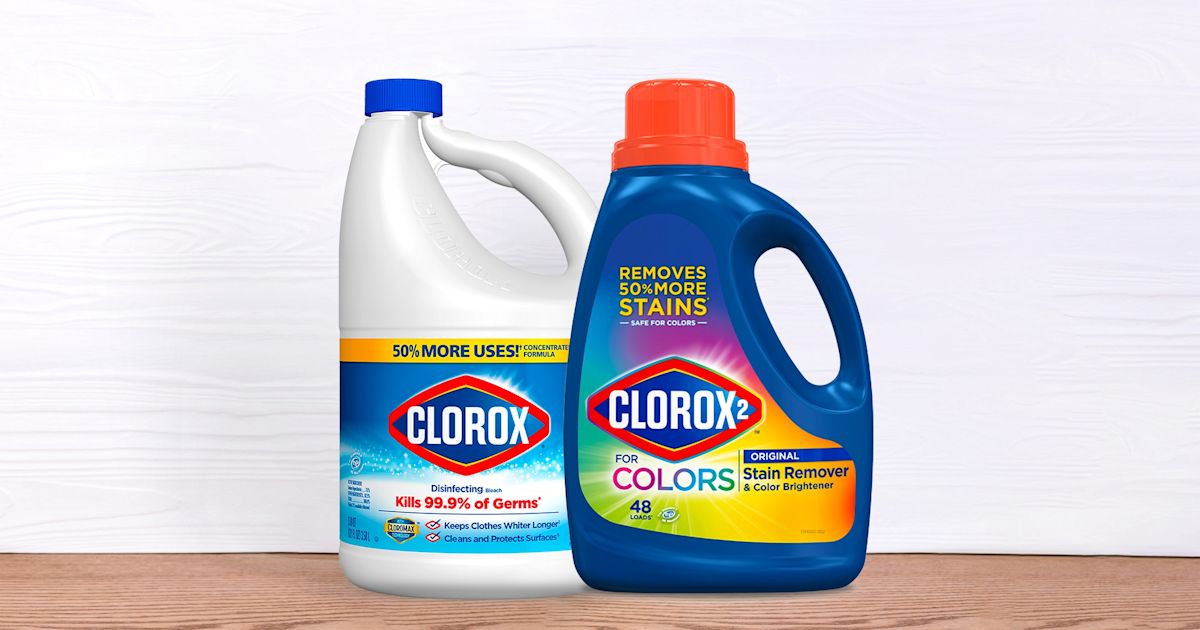
Many people mix up Clorox Performance Bleach with Clorox 2, which *is* a non-chlorine, color-safe bleach. This confusion can lead to ruined clothes or unsafe cleaning habits.
What Are Non-chlorine Bleach Options?
If you want to avoid chlorine bleach, you have several alternatives. These are often called oxygen bleaches or color-safe bleaches.
Clorox 2
Clorox 2 is a popular non-chlorine bleach. Its main ingredient is hydrogen peroxide. It is safe on colors, works well for removing stains, and has a milder smell. However, it does not kill as many germs as regular bleach.
Oxiclean
OxiClean uses sodium percarbonate, which releases oxygen when mixed with water. It is safe for colors and good at lifting many stains. It is not a disinfectant.
Seventh Generation Chlorine-free Bleach
This product uses hydrogen peroxide as well. It’s marketed as “chlorine-free” and safer for the environment.
Natural Alternatives
Some people use lemon juice or baking soda as gentle, natural bleaching agents. These are much weaker but can help brighten clothes without harsh chemicals.
How Does Clorox Performance Bleach Work?
Clorox Performance Bleach works by releasing chlorine in water. This breaks down stains and destroys bacteria, viruses, and mold. Its strong effect comes from the sodium hypochlorite.
- Laundry: It makes white clothes look brighter and removes tough stains like coffee or wine.
- Cleaning: It disinfects surfaces in kitchens, bathrooms, and hospitals.
- Sanitizing: It can be used to sanitize drinking water or disinfect tools, but only with proper dilution.
Risks And Safety Tips
Because Clorox Performance Bleach contains chlorine, it comes with some risks. Used correctly, it is very effective. Used incorrectly, it can cause damage or health problems.
Risks Of Chlorine Bleach
- Skin irritation: Chlorine bleach can cause redness or burns.
- Eye danger: If it splashes, it can damage your eyes.
- Toxic fumes: Mixing bleach with ammonia or acids releases dangerous gases.
- Fabric damage: It can weaken or fade clothes, especially colored fabrics.
- Environmental concerns: Chlorine can harm water systems if not disposed of properly.
Safe Use Tips
- Read the label for dilution instructions.
- Wear gloves when handling bleach.
- Ventilate rooms to avoid breathing fumes.
- Never mix bleach with other cleaners.
- Store safely away from children and pets.
- Rinse surfaces after cleaning to remove residue.
Performance: What Makes It “performance”?
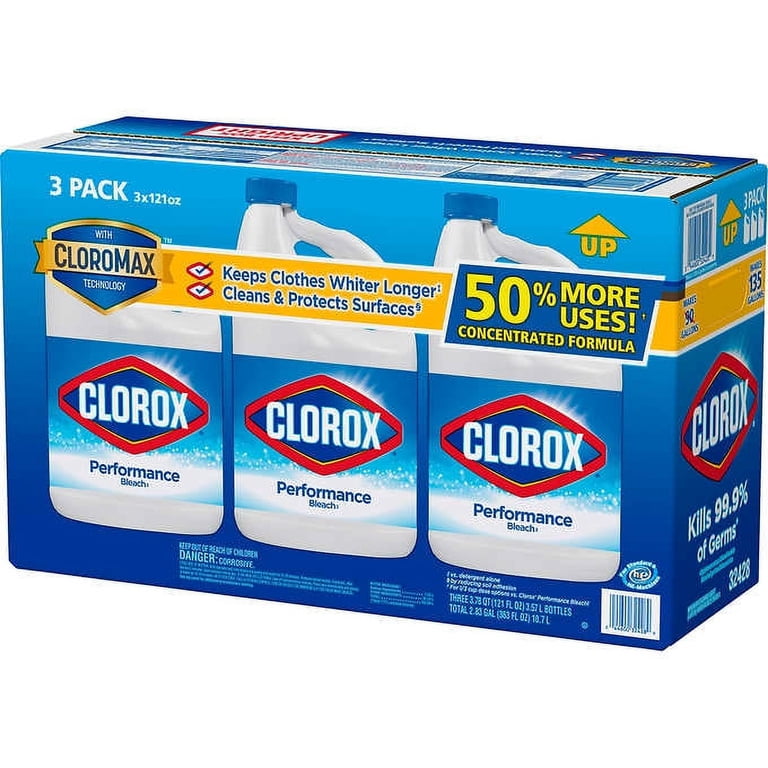
The word “performance” in Clorox Performance Bleach means it cleans and disinfects powerfully. It usually has a higher concentration of sodium hypochlorite (often 6%) compared to regular household bleach (about 5. 25%). This small difference can make the product act faster or whiten more strongly.
For example, Clorox Performance Bleach can:
- Kill bacteria and viruses in just 1 minute on hard, nonporous surfaces (when used as directed).
- Remove tough stains like red wine, grass, and blood.
- Brighten white laundry quickly.
However, this “performance” also means it is not safe for colored fabrics and should be used with care.
Credit: www.clorox.com
Non-obvious Insights About Bleach Use
Many people believe that more bleach means more cleaning power. In reality, using too much bleach can actually make it less effective. Bleach works best when it is mixed with water at the right ratio. Too much bleach can react with dirt and lose its strength quickly.
Another common mistake is using bleach on the wrong surfaces. Chlorine bleach can damage wood, some metals (like aluminum or stainless steel), and certain plastics. Always check if the surface can handle chlorine before cleaning.
Comparing Clorox Performance Bleach And Clorox 2
Clorox Performance Bleach and Clorox 2 are often confused. Here is a side-by-side comparison to help you choose:
| Feature | Clorox Performance Bleach | Clorox 2 (Stain Remover & Color Booster) |
|---|---|---|
| Main Ingredient | Sodium hypochlorite (chlorine) | Hydrogen peroxide (non-chlorine) |
| Safe for Colors | No | Yes |
| Disinfects | Yes | No |
| Odor | Strong chlorine smell | Mild or no scent |
| Main Use | Whitening, disinfecting, deep cleaning | Removing stains, boosting color |
| Common Mistake | Used on colored fabrics (causes fading) | Expected to disinfect (but does not) |
Real-world Examples: When To Use Each Bleach
Let’s look at some real-life cleaning situations:
- White Towels With Mold: Use Clorox Performance Bleach. It will kill mold spores and whiten fabric.
- Red Wine on a Blue Shirt: Use Clorox 2 or OxiClean. These will lift the stain without fading the color.
- Sanitizing a Cutting Board: Use Clorox Performance Bleach, diluted as directed, for disinfecting power.
- Removing Sweat Stains From a White Shirt: Both types can help, but chlorine bleach will whiten better.
Environmental Impact
Chlorine bleach, like Clorox Performance Bleach, can have a bigger impact on the environment. The chlorine can react with other chemicals in water and create harmful byproducts. Non-chlorine bleaches are usually seen as more environmentally friendly.
For example, hydrogen peroxide (used in non-chlorine bleaches) breaks down into water and oxygen, which is safer for nature.
What To Consider Before You Buy
Choosing between Clorox Performance Bleach and a non-chlorine bleach depends on your needs:
- Do you need to disinfect? Use chlorine bleach.
- Are you washing colored clothes? Choose non-chlorine bleach.
- Do you have sensitive skin or allergies? Non-chlorine bleach is milder.
- Are you worried about the environment? Non-chlorine bleach is better.
Never assume all bleach products are the same. Read the label, check the ingredients, and pick the right product for your task.
Common Mistakes When Using Bleach
- Using chlorine bleach on colored clothes: This will almost always cause fading or damage.
- Mixing bleach with other cleaners: This can create toxic fumes.
- Not diluting bleach: Using full-strength bleach is usually unnecessary and can damage surfaces.
- Expecting non-chlorine bleach to disinfect: Most non-chlorine bleaches are not disinfectants.
- Storing bleach in the wrong container: Bleach can react with some metals or plastics; always use the original bottle.
Tips For Safe And Effective Bleach Use
- Always follow manufacturer instructions on the label.
- Test on a small area first if you’re not sure how a surface will react.
- Use cold water for mixing bleach in laundry; hot water can break down the bleach quickly.
- Never pour bleach directly onto clothes—dilute it first.
- Rinse surfaces well after cleaning to remove any chemical traces.
How To Spot Non-chlorine Bleach In The Store
When shopping, look for these clues to find non-chlorine bleach:
- The label says “color-safe,” “hydrogen peroxide,” or “chlorine-free.”
- Packaging may be a different color from regular bleach (often blue or green).
- Non-chlorine bleaches are often found near laundry additives, not always with regular bleach.
If you’re still unsure, check the ingredient list. If you see sodium hypochlorite, it is chlorine bleach.
Why Not All “bleach” Is The Same
The term “bleach” covers many products, but only some contain chlorine. Others use oxygen-based chemicals. The wrong choice can mean ruined fabrics or less effective cleaning.
In some countries, regulations require clear labeling of chlorine vs. non-chlorine bleach. In others, it’s up to the shopper to check the label.
The Science Of Bleach: How Ingredients Matter
- Sodium hypochlorite: Powerful, disinfects, whitens, but can damage some materials.
- Hydrogen peroxide: Gentler, safe for colors, not as strong at killing germs.
- Sodium percarbonate: Releases oxygen, lifts stains, color-safe, not a disinfectant.
Knowing these differences helps you pick the right bleach for your needs.
Credit: www.walmart.com
The Bottom Line: Is Clorox Performance Bleach Non-chlorine?
Clorox Performance Bleach is not a non-chlorine bleach. It is a strong, chlorine-based cleaner and disinfectant. Use it for whitening whites, cleaning bathrooms, and killing germs. For colored fabrics, delicate surfaces, or a milder clean, choose a non-chlorine bleach like Clorox 2 or OxiClean.
Making the right choice means safer, more effective cleaning and fewer ruined clothes. Always read labels, check ingredients, and use bleach with care.
For more on the science of cleaning and disinfectants, you can visit the CDC’s official guidelines on chemical disinfectants.
Frequently Asked Questions
What Is The Main Ingredient In Clorox Performance Bleach?
Clorox Performance Bleach uses sodium hypochlorite as its main active ingredient. This is the same chemical found in most regular chlorine bleach products. It is not a non-chlorine or oxygen-based bleach.
Can Clorox Performance Bleach Be Used On Colored Clothes?
No, Clorox Performance Bleach is not safe for colored fabrics. It is a chlorine bleach and will likely fade or damage colors. For colored clothes, use a non-chlorine bleach like Clorox 2.
How Can I Tell If A Bleach Is Non-chlorine?
Check the label for words like “color-safe,” “chlorine-free,” or “hydrogen peroxide. ” Non-chlorine bleaches will not list sodium hypochlorite as an ingredient. They often say “safe for colors. ”
Does Non-chlorine Bleach Disinfect As Well As Chlorine Bleach?
Non-chlorine bleaches are usually not as strong at disinfecting as chlorine bleach. Chlorine bleach kills more types of bacteria and viruses. If you need strong disinfection, choose a chlorine bleach.
What Should I Do If I Accidentally Mix Bleach With Another Cleaner?
If you mix bleach with ammonia or an acid (like vinegar), it can create dangerous fumes. Leave the area right away, get fresh air, and seek medical help if you feel sick. Always use bleach alone and never mix it with other cleaners.
—
Now you have a full understanding of whether Clorox Performance Bleach is non-chlorine (it is not), how it compares to non-chlorine bleaches, and what to look for when choosing a bleach product. With this knowledge, you can clean safely and effectively, protecting your home, your family, and your clothes.