
If you own a swimming pool or spa, you may have heard about Jandy valves. These valves are very common in pool plumbing systems. They control the flow of water through pipes. But sometimes, you need to know the Jandy valve model number—for maintenance, repairs, or buying replacement parts. Many pool owners struggle to find this number. It’s not always in the first place you look, and every model can be a little different.
Knowing how to locate the model number on your Jandy valve can save you time, money, and frustration. This guide will walk you through everything you need to know. You’ll learn where to look, what to do if the number is worn or missing, and why the model number matters.
We’ll also compare different Jandy valve types, share practical troubleshooting tips, and answer the most common questions pool owners have.
Why The Jandy Valve Model Number Is Important
Before searching for the Jandy valve model number, it’s helpful to know why it matters. Every Jandy valve has a specific design. Over the years, Jandy has released many types and sizes. Each model has unique parts—like o-rings, gaskets, and diverter mechanisms. If you don’t know your model number, you might order the wrong part, which could cost you more money and delay repairs.
Some pool technicians and suppliers will not help you unless you provide the correct model number. It’s their way to make sure you get exactly what you need. Also, Jandy’s warranty and support often ask for this number.
Where To Find The Jandy Valve Model Number
Finding the model number on a Jandy valve is not always simple. The number can be in different places, depending on the valve’s age and type. Here’s how to locate it:
1. Look At The Top Of The Valve
For most modern Jandy valves, the model number is stamped or molded on the top of the valve cover. This is the round part where the handle is attached. You may see numbers, letters, or both, such as “4715,” “2876,” or “NEVERLUBE.”
- Sometimes, the number is inside a small rectangle or circle.
- On some models, it’s next to the Jandy or Zodiac logo.
2. Check The Side Of The Valve Body
Older Jandy valves often have the model number on the side of the main body. This is the thicker part of the valve, where the pipes connect. Look closely—sometimes the number is raised plastic, sometimes it’s printed with ink.
- The number may be near the base, close to where the pipes enter.
- Use a flashlight if the area is dirty or hidden.
3. Inspect The Bottom Of The Valve
Rarely, the model number is found on the bottom of the valve. This means you’ll need to look underneath. Be careful not to break any plumbing fittings. If the valve is installed close to the ground or a wall, this may be harder.
4. Check For Stickers Or Labels
Some Jandy valves have a sticker or label with the model number, usually white or silver. Over time, these stickers can fade, peel, or wash away. If you see a sticker, write down everything on it before it disappears.
5. Review The Owner’s Manual Or Installation Guide
If you have the original paperwork, the model number is often listed on the first page or in the specifications section. Manuals are sometimes stored in pool equipment boxes, garages, or with home documents.
6. Take A Photo And Compare Online
If you can’t read the number, take a clear photo of the entire valve. Then, compare it with images on the official Jandy website or trusted pool supply sites. Many pool stores can help identify your valve from a photo.
7. Ask A Pool Professional
If you still can’t find the model number, call a pool technician. Most pros have seen hundreds of Jandy valves and can spot the model by shape, size, or color.
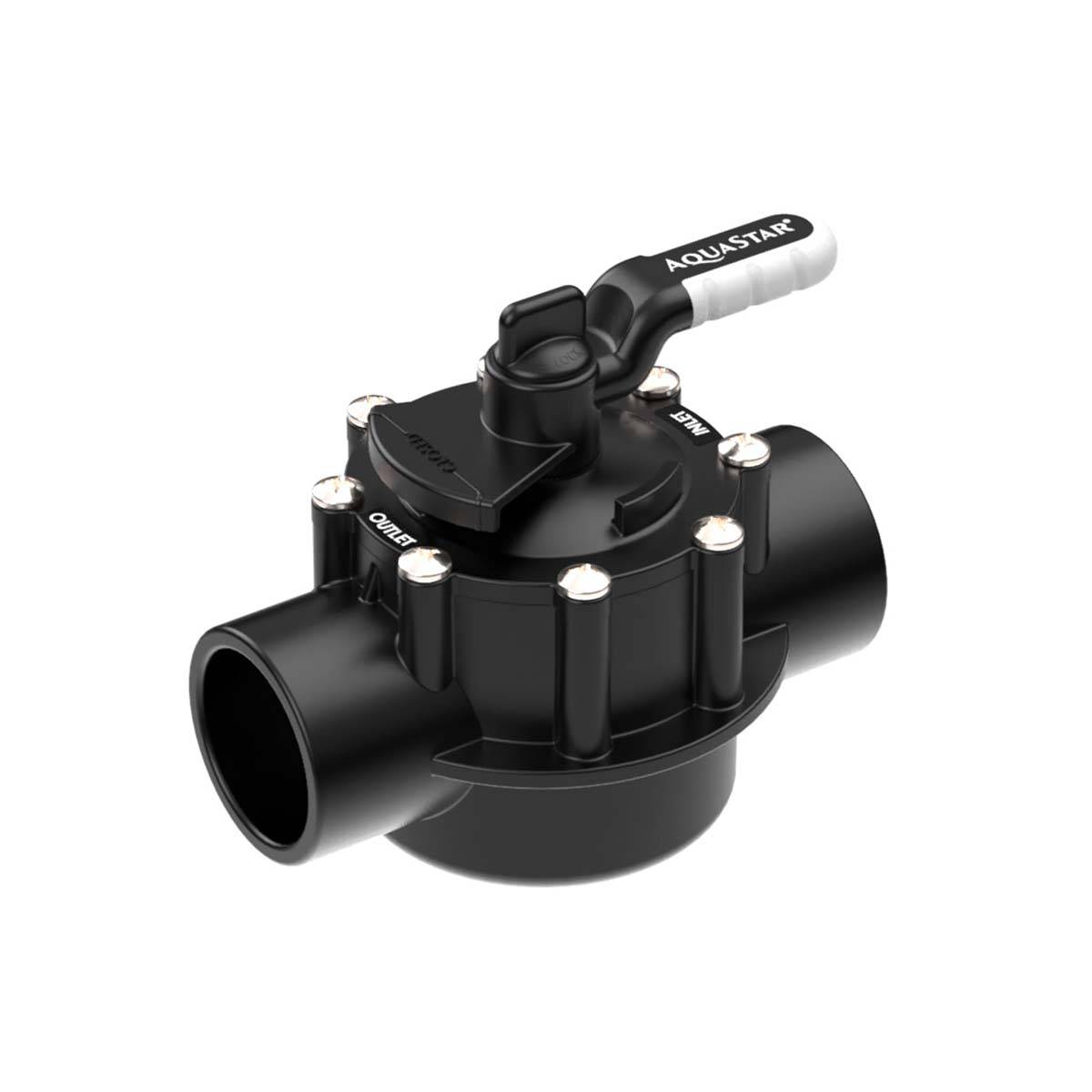
Credit: www.aquastarpoolproducts.com
Common Jandy Valve Model Number Formats
Jandy uses several styles of model numbers. Understanding these formats helps you know what to look for.
- 4715, 2876, 4724, 4424 – Simple four-digit numbers, often on older valves.
- NEVERLUBE – This word is used for their high-end, maintenance-free line.
- 2-Way, 3-Way – Some model numbers include the type, like “2-Way” or “3-Way.”
- 1.5″, 2″, 2.5″ – Indicates the pipe size the valve fits.
A typical model number might look like “Jandy NeverLube 4715 2-Way 2” or just “4715. ” It’s important to check for all numbers and words present.
Differences Between Jandy Valve Types
Jandy valves come in several types, which can affect where you find the model number and what the number means.
Main Valve Types
- NeverLube Valves
- Designed for zero maintenance.
- Black or dark gray plastic.
- “NeverLube” is usually stamped on the top or side.
- Gray Standard Valves
- Older models.
- Light gray color.
- Model number usually molded into the cover.
- Check Valves
- Allow water to flow in only one direction.
- Often have a clear lid.
- Model number may be on the side or near the clear lid.
- Actuated Valves
- Used with automation systems.
- Have a motor or actuator attached.
- Model number may be hidden by the actuator—remove it to see.
Comparison Of Main Jandy Valve Types
Below is a comparison showing the differences among the most common Jandy valves:
| Valve Type | Color | Common Model Number Location | Special Features |
|---|---|---|---|
| NeverLube | Black/Dark Gray | Top or Side | Maintenance-free, long life |
| Standard (Gray) | Light Gray | Top (Cover) | Easy to rebuild |
| Check Valve | Clear/Gray | Side/Clear Lid | One-way flow |
| Actuated | Black/Gray with motor | Under actuator | Automation compatible |
What If The Model Number Is Missing Or Damaged?
Sometimes, the model number is scratched off, faded, or covered by dirt and chemicals. Here’s what you can do:
1. Measure The Valve
Use a tape measure to check the inside diameter of the pipes connected to the valve. Common sizes are 1.5 inches, 2 inches, or 2.5 inches. This helps narrow down the options.
2. Identify Unique Features
Look for details like the color, presence of a clear lid, number of ports (2-way or 3-way), or any special shapes. For example, NeverLube valves have a unique handle and a smooth, black finish.
3. Compare With Online Images
Go to the official Jandy website or trusted pool supply stores. Match your valve’s features to those shown in product photos. This is often more reliable than guessing.
4. Check For Part Numbers
Sometimes, other parts of the valve (like the handle or screws) have their own part numbers. These can help you trace back to the full model.
5. Contact Jandy Support
If all else fails, contact Jandy customer service. Provide photos, pipe size, and a description. They can often identify the model from this information.
Step-by-step Guide: Locating Your Jandy Valve Model Number
Let’s walk through the steps you should take:
Step 1: Turn Off Your Pool Equipment
Safety first! Turn off the pump and any automated systems before inspecting the valve.
Step 2: Clean The Valve
Wipe away dirt, leaves, or grease with a wet cloth. This makes numbers easier to see.
Step 3: Inspect The Top
Check the top of the valve, especially around the handle. Look for numbers, letters, or the word “NeverLube. ”
Step 4: Check The Sides
If nothing is visible on top, look at the sides. Run your finger to feel for raised numbers if you can’t see them.
Step 5: Look Underneath
If possible, carefully look at the bottom. Sometimes the number is on the bottom edge.
Step 6: Search For Stickers
Find any stickers or labels. Write down all information you see.
Step 7: Consult Your Manual
If you have the manual, read the specifications or diagrams section.
Step 8: Take A Photo
If you’re stuck, take a clear photo of the valve. Show all sides and any unique features.
Step 9: Compare Online
Match your valve with images on the Jandy website or trusted sites. Look for matching handles, colors, and port designs.
Step 10: Ask For Expert Help
If you still can’t find it, contact a pool professional or Jandy support.
Real-world Example
Suppose you have a leaking pool valve. You see “NeverLube” stamped on the top, but nothing else. The valve is black and has three pipes connected—so it’s a 3-way. The pipe size is about 2 inches. You check online and find that the Jandy NeverLube 4724 3-Way 2” matches perfectly. Now, you can order the right o-ring kit and fix the leak with confidence.
Common Mistakes When Finding Model Numbers
- Scratching Off the Numbers
- Using metal tools to clean dirt can remove numbers. Always use a soft cloth.
- Ignoring the Manual
- Many people throw away manuals. Keep them—they’re useful for years.
- Guessing Based on Pipe Size Alone
- Pipe size helps, but Jandy makes several models for each size. Look for other clues.
- Confusing Part Numbers with Model Numbers
- Handles, screws, and covers may have their own numbers. Make sure it’s the main model number.
- Not Checking Under Actuators
- If your valve is automated, remove the actuator to see the number.
Advanced Tips For Difficult Cases
Some valves are very old or have been painted over. Here’s what experienced pool pros do:
- Use a flashlight at a low angle to reveal faint numbers.
- Take a rubbing with a pencil and paper—gently rub over the area to make numbers appear.
- Check all connected valves. Pool installers sometimes use the same model for every valve in a group.
- If your pool was built by a company, call them. They may have records of the original equipment.
- Sometimes, the main pool control panel lists installed equipment.
Jandy Valve Model Number And Replacement Parts
Knowing the model number is essential when buying replacement parts. Each Jandy valve uses specific kits for:
- O-rings
- Gaskets
- Diverter seals
- Handles
Using the wrong kit can cause leaks or break the valve. Here’s a quick reference for popular models and their common replacement kits:
| Model Number | Valve Type | Pipe Size | Common Repair Kit |
|---|---|---|---|
| 4715 | 2-Way | 2″ | R0487100 |
| 4724 | 3-Way | 2″ | R0487100 |
| 4424 | 3-Way | 1.5″ | R0487200 |
| 2876 | 2-Way | 1.5″ | R0487200 |
Always double-check the numbers before ordering.
Why Jandy Valves Are Popular
Jandy valves are trusted by pool builders and owners because:
- Durability: Made from strong materials that resist pool chemicals.
- Easy to Use: Handles turn smoothly and can be locked.
- Low Maintenance: NeverLube models need little or no lubrication.
- Wide Availability: Replacement parts are easy to find.
This popularity means there are many models, so knowing your exact model number is vital for successful repairs or upgrades.
How To Read Jandy Valve Model Numbers
Jandy model numbers often contain useful information:
- The first number or letter shows the series.
- The next number shows the number of ports (2-way or 3-way).
- The last part is usually the pipe size.
For example, 4715 means:
- 4 = Series 4 (NeverLube)
- 7 = 2-Way (sometimes 3-Way)
- 15 = 1.5″ or 2″ pipe size (varies by series)
If you see “NeverLube 4724,” you know it’s a NeverLube, 3-way, 2” valve.
How To Avoid Problems In The Future
- Take photos of all your pool equipment when new.
- Keep manuals and receipts together in a safe place.
- Write down model numbers in a notebook.
- Clean your valves at least once a year to keep numbers visible.
- If you replace a valve, label it with a waterproof marker.
These simple steps can save you a lot of time and stress later.
When To Replace Your Jandy Valve
Sometimes, valves are too old or damaged to repair. Signs you need a new valve:
- Cracked or broken body
- Severe leaking that won’t stop with new seals
- Handle is stuck or broken
- Model number is so old that parts are no longer available
Modern Jandy valves are designed to last many years, but nothing lasts forever. When replacing, always use the correct model number to get the right fit.
Troubleshooting Common Jandy Valve Issues
If you’re having trouble with your valve, the model number will help you fix it. Here are some typical problems:
1. Leaking Around The Handle
Usually means the o-ring or gasket is worn out. Find your model number and buy the right kit.
2. Handle Is Hard To Turn
Never force the handle. Check for debris or worn internal parts. Replace with the correct kit.
3. Water Flow Is Blocked Or Weak
The diverter inside may be broken or misplaced. Identifying the model helps you find the right replacement.
4. Valve Is Dripping From The Bottom
Could be a cracked body or loose fittings. In many cases, you’ll need a new valve. Use the model number to order.
5. Actuator Not Working
For automated valves, the actuator motor can fail. Remove the actuator to check the valve and find the model number.
Jandy Valve Model Number And Pool Automation
Many modern pools use automation systems to control water flow. Jandy valves can be connected to actuators for this purpose. The model number is even more important for these systems, because actuators must match the valve type and size. Always check both numbers before buying a new actuator or control panel.
If you’re adding automation, give your pool installer clear photos of your valve and its model number. This prevents expensive mistakes.

Credit: www.inyopools.com
Environmental Factors That Affect Model Numbers
Over time, sunlight, chlorine, and salt can wear away numbers on your valve. Using a valve cover or shade can help protect the numbers. If your pool is in a very sunny or salty place, take extra care to record all model information early.
How Jandy Valves Compare To Other Brands
Jandy valves are popular, but there are other brands like Hayward and Pentair. Here’s a quick comparison:
| Brand | Durability | Model Number Location | Ease of Repair |
|---|---|---|---|
| Jandy | High | Top/Side/Sticker | Easy (with model number) |
| Hayward | Medium | Side/Sticker | Medium |
| Pentair | High | Top/Underside | Easy (with manual) |
Jandy’s clear marking and wide parts support make them a favorite, but always check your specific valve.
Unique Insights Many Pool Owners Miss
Most beginners focus only on visible numbers, but sometimes the model number is covered by paint or calcium deposits. Removing these gently can reveal the number. Also, many people don’t realize that Jandy often uses the same model for all valves in a system—if you find one, you may have found them all.
Another common mistake: mixing up the actuator model number with the valve model number. The actuator is just the motor on top; always check the valve body itself.
Helpful Resources
If you need more details, the official Jandy website has diagrams and manuals for every model. You can also find helpful videos on YouTube from pool professionals. For specific repair kits, suppliers like InyoPools and PoolSupplyWorld are reliable. One trusted resource is the Jandy Official Valves Page.

Credit: www.amazon.com
Frequently Asked Questions
Where Is The Model Number On A Jandy Neverlube Valve?
Most Jandy NeverLube valves have the model number stamped or molded on the top of the valve cover, near the handle. Sometimes, it’s on the side. Look for numbers like “4715” or “4724,” often next to the word “NeverLube.”
What If The Model Number Is Unreadable Or Missing?
If the number is missing, measure the pipe size and count the number of ports (2-way or 3-way). Check the color, handle design, and any other markings. Compare your valve with images on the Jandy website or show a photo to a pool professional.
How Do I Tell If My Valve Is 2-way Or 3-way?
A 2-way valve has two pipes connected (inlet and outlet). A 3-way valve has three pipes (one in, two out or vice versa). The handle position and body shape also show the difference. Most Jandy valves are labeled as 2-way or 3-way on the cover.
Can I Use Any Jandy Replacement Kit For My Valve?
No, you must use the kit that matches your valve’s model number. Each model uses specific o-rings, gaskets, and diverters. Using the wrong kit can cause leaks or break the valve.
How Often Should I Check My Jandy Valve Model Number?
It’s good to check your model number once when you first install or buy your pool. Write it down and keep it safe. Check again if you notice leaks, stiff handles, or plan to buy replacement parts.
—
Finding your Jandy valve model number may seem small, but it can make a big difference in caring for your pool. Now you know where and how to look, what to do if the number is missing, and why it matters. With this knowledge, you’ll save time, avoid costly mistakes, and enjoy a smoothly running pool system for years to come.