
Many people buy air purifiers to breathe cleaner air, hoping to reduce dust, allergens, and pollution in their homes. These devices are now everywhere—offices, schools, cars, and bedrooms. But while air purifiers promise health benefits, few people talk about the negative side effects.
If you’re thinking about using one, it’s important to know that air purifiers can sometimes cause problems, especially if used incorrectly or if the device is not well-suited for your needs.
This guide will help you understand the possible negative side effects of air purifiers. We’ll look at the science, real-world examples, and what you can do to avoid health risks. Whether you already own an air purifier or are considering buying one, you’ll learn how to make safer choices and protect your health.
How Air Purifiers Work
Air purifiers use different technologies to clean the air. Some have HEPA filters that trap dust, pollen, and pet dander. Others use activated carbon to remove odors and chemicals. There are also purifiers with ionizers or ozone generators. Each type works differently, and that’s why their side effects are not the same.
For example, HEPA filter purifiers mostly remove particles. Ionizers release charged ions, which stick to particles and make them fall from the air. Ozone generators create ozone gas, which is supposed to kill germs and odors but can also harm your lungs.
Understanding these technologies helps explain why some side effects happen.
Common Negative Side Effects Of Air Purifiers
Not all air purifiers are equal. While some are safe, others can create problems, especially if you have asthma, allergies, or other health issues. Here are the most common negative side effects:
1. Ozone Production And Respiratory Problems
Some air purifiers, especially ozone generators and some ionizers, produce ozone as a byproduct. Ozone is a type of gas that can irritate the lungs, throat, and nose.
Key problems include:
- Coughing
- Shortness of breath
- Chest pain
- Worsening asthma symptoms
The US Environmental Protection Agency (EPA) warns that breathing ozone can make it harder for your lungs to work. Even low levels of ozone can cause symptoms, especially in children, older adults, and people with lung diseases. Some purifiers can produce more ozone than is safe, especially in small rooms.
Non-obvious insight: Ozone is not just a problem for sensitive people. Even healthy adults can feel chest tightness or throat irritation after a few hours of exposure.
2. Release Of Ultra-fine Particles
Ionizer-type purifiers and some other electronic filters can actually release ultra-fine particles (UFPs) into the air. These are much smaller than dust or pollen and can enter deep into your lungs.
Health risks:
- Lung inflammation
- Increased risk of heart and lung disease
- Headaches and tiredness
Recent studies show that breathing ultra-fine particles can increase the risk of cardiovascular events. Some ionizers increase the number of these particles, especially if the room is not well-ventilated.
Practical tip: If you use an ionizer, always check for independent safety tests and use it in a space with good airflow.
3. Noise Pollution
Many air purifiers use strong fans to push air through filters. Some models, especially cheaper ones, can be noisy. This noise pollution can disturb sleep or concentration.
Effects include:
- Difficulty falling asleep
- Headaches from constant hum
- Reduced productivity
A purifier in a bedroom that is louder than 40 decibels can disturb sleep. Some people become used to the noise, but others find it stressful, especially at night.
Non-obvious insight: Even “quiet” models can make noise when filters are dirty or when running at maximum speed. Regular cleaning helps reduce this problem.
4. Allergic Reactions To Filter Materials
Some people react to the materials used in filters. HEPA filters can sometimes shed tiny fibers, and activated carbon may release dust if the filter is low quality.
Symptoms:
- Sneezing
- Itchy eyes
- Skin irritation
While rare, allergic reactions to filter materials are possible, especially if the filter is old or damaged. Always check the filter’s recommended replacement schedule.
5. Dryness And Skin Irritation
Air purifiers can sometimes make the air feel drier. This happens because the device may remove not only particles but also some moisture from the air.
Problems include:
- Dry skin
- Chapped lips
- Irritated nasal passages
People living in dry climates or using air conditioning may notice this effect more. If your skin or nose feels dry after using a purifier, try adding a humidifier or lowering the purifier’s speed.
6. Spread Of Microbes And Mold
If you don’t clean or replace filters on time, air purifiers can become a source of bacteria, mold, or viruses. The filter can trap germs, but if it gets moist, these microbes can multiply and go back into the air.
Risks:
- Worsening allergies
- Infections
- Musty odors
This is a hidden danger many users miss. A dirty filter can make your indoor air worse, not better.
Practical advice: Always follow the manufacturer’s cleaning and replacement schedule. Set reminders if needed.
7. High Energy Consumption
Air purifiers often run for hours or even all day. This can increase your electricity bill and your home’s carbon footprint.
Data example: A medium-size air purifier uses about 50 watts. If you run it 24 hours a day, that’s about 36 kWh per month—enough to add several dollars to your bill.
Some models are more efficient, but many people forget to check the energy rating before buying.
Non-obvious insight: Using a high-speed setting all the time often does not clean air much better but uses much more power. Use “auto” or “eco” modes when possible.
8. Accumulation Of Ozone In Small Spaces
Ozone-producing purifiers are especially risky in small rooms with poor ventilation. Ozone can build up quickly and reach unsafe levels.
Example: Running an ozone generator in a bathroom or small office can cause ozone levels above safe limits in less than an hour, especially if windows and doors are closed.
Health risks: Same as above—lung irritation, coughing, and increased asthma attacks.
Practical tip: Avoid using ozone-producing purifiers in small, closed spaces.
9. False Sense Of Security
One of the most underestimated side effects is a false sense of security. People may believe their air is perfectly clean just because they have a purifier running. This can lead to less cleaning, ignoring ventilation, or failing to fix pollution sources.
Results:
- Build-up of dust and chemicals
- Poor air quality when purifier is off
- Health risks from hidden mold, smoke, or chemicals
A purifier should be part of a larger plan—regular cleaning, good ventilation, and removing pollution sources are still needed.
10. Cost Of Maintenance And Replacement
Air purifiers need regular filter changes and sometimes repairs. If ignored, the device can lose effectiveness or even make air quality worse.
Hidden costs:
- Replacement filters can be expensive
- Some filters are hard to find
- Skipping replacement can break your warranty
For example, a HEPA filter may need to be changed every 6-12 months, and costs can add up.
Non-obvious insight: Some brands use “proprietary” filters, so you’re forced to buy only from them, which can be costly and inconvenient.
11. Emission Of Harmful Byproducts
Some photocatalytic oxidation and electrostatic air purifiers can produce harmful byproducts, like formaldehyde or nitrogen oxides, when they react with certain chemicals in the air.
Potential risks:
- Headaches
- Nausea
- Eye and throat irritation
These byproducts are often not listed on the device box, and most consumers don’t know to ask about them.
Practical advice: Research the purification technology before buying. Look for independent lab tests, not just marketing claims.
12. Electrical And Fire Hazards
All electric devices carry some fire risk, especially if misused or poorly made. Air purifiers with cheap wiring or overloaded power strips can overheat.
Common problems:
- Device gets hot to the touch
- Smell of burning plastic
- Sparking from the power cord
While rare, fires and electrical shorts have been reported, especially with discount brands.
Tip: Always follow safety instructions. Don’t use purifiers with damaged cords and avoid leaving them running when you’re not home.
13. Interference With Other Devices
Some air purifiers, especially those with strong fans or ionizers, can interfere with electronics. This is more common in older homes or with sensitive devices.
Examples:
- Wi-Fi drops or weak signals
- Static on TVs or radios
- Interference with medical devices
Most people don’t notice, but if you have unexplained device problems, try moving the purifier to another outlet.
14. Not Effective For All Pollutants
Many air purifiers are only good at removing particles, but not gases or volatile organic compounds (VOCs). If you rely on a purifier for chemical or smoke removal, you may be disappointed.
Data: A 2021 study found that most HEPA purifiers remove less than 10% of formaldehyde, a common indoor pollutant.
Practical advice: If you need to remove odors or chemicals, choose a purifier with a thick activated carbon filter and check the specifications.
15. Difficulty Cleaning And Upkeep
Some air purifiers are hard to open or clean. Dust and grime can build up inside, making the device less effective and even a source of pollution.
Problems:
- Clogged pre-filters
- Hidden dust inside fans
- Unpleasant smells from dirty units
This side effect is common with cheaper or older models.
Non-obvious insight: Dust inside the machine can be blown out when you change filters, so clean the housing and fan blades regularly.
16. Increased Indoor Static Electricity
Ionizer-type purifiers can increase static electricity in the room. You may notice more shocks when touching metal objects or electronics.
Effects:
- Unpleasant static shocks
- Possible harm to sensitive electronics
This is usually not dangerous, but can be annoying and may damage computer parts over time.
17. Risk To Pets And Sensitive Plants
Some animals, like birds or small mammals, are sensitive to changes in air chemistry. Ozone, strong ions, or chemical byproducts can harm them.
Risks:
- Respiratory stress in birds
- Sick or dying houseplants
- Behavior changes in pets
If you keep pets or many indoor plants, research which purifiers are safe for them before buying.
18. Space And Placement Issues
Air purifiers often need to be placed in open spaces, away from walls and furniture. Large units can be bulky and take up valuable room, which may be a problem in small homes or offices.
Problems:
- Tripping hazards
- Limited airflow if placed incorrectly
- Difficult to move or store
Tip: Measure your space before buying and check the manufacturer’s placement guidelines.
19. Reduced Effectiveness Over Time
Filters get clogged, and fans wear out. Over months or years, many purifiers become much less effective, even if they still turn on and make noise.
Symptoms:
- Less dust collected
- No improvement in allergy symptoms
- Strange smells
Some devices include filter-change indicators, but many do not. You may not realize the purifier is no longer working well.
20. Environmental Impact
Most air purifiers use plastic, metals, and other materials that are hard to recycle. Old filters often go to landfills, and the manufacturing process uses energy and chemicals.
Environmental costs:
- Plastic waste from used filters
- E-waste from broken devices
- Carbon emissions from production and use
Non-obvious insight: Some brands now offer recyclable or biodegradable filters, but these are still rare.
Comparison: Common Air Purifier Technologies And Their Risks
Here’s a quick look at how different types of air purifiers compare in terms of negative side effects.
| Technology | Main Side Effects | Best For | Common Problems |
|---|---|---|---|
| HEPA Filter | Noise, filter allergy, maintenance | Particles (dust, pollen) | Filter cost, reduced efficiency |
| Activated Carbon | Filter dust, less effective for particles | Odors, VOCs | Frequent filter change, cost |
| Ionizer | Ozone, ultra-fine particles, static | Some particles, odors | Respiratory irritation |
| Ozone Generator | Ozone gas, lung irritation | Odor removal (not recommended for homes) | Unsafe for humans/pets |
| UV Purifier | Possible byproducts, maintenance | Germs, bacteria | Limited effect, bulb replacement |
Real-world Examples Of Problems
People often don’t realize air purifiers can cause side effects until they have a bad experience. Here are some real examples:
- A family in California reported that their new ozone-based air purifier made their child’s asthma worse, leading to more inhaler use and doctor visits.
- In a small office, staff complained of headaches and dry eyes after installing multiple ionizers. When the machines were turned off, symptoms improved.
- A pet owner noticed her birds became quiet and had trouble breathing after running a new purifier. The vet advised stopping use of the device, and the birds recovered.
- An apartment dweller found moldy smells coming from the purifier after forgetting to change the filter for over a year.
Lesson: Always consider your health, the size of your space, and your pets before choosing an air purifier. Read user reviews and look for independent safety certifications.

Credit: oransi.com
How To Reduce Negative Side Effects
You don’t have to give up on clean air. Instead, you can take steps to reduce risks.
- Choose the right technology: For most homes, a HEPA filter with activated carbon is safest. Avoid ozone generators unless you have a specific, temporary need and no people or pets are present.
- Check for certifications: Look for independent testing from groups like AHAM or UL. They test for safety and effectiveness.
- Follow maintenance schedules: Change filters as recommended. Clean the unit regularly, especially intake and exhaust grilles.
- Ventilate your space: Open windows when possible, especially if you use an ionizer or ozone purifier.
- Use the right size: A too-small purifier won’t clean air well, but a too-large one can waste energy and make more noise.
- Keep pets and sensitive items safe: If you have birds or delicate plants, avoid devices that produce ozone or strong ions.
- Monitor air quality: Use an indoor air quality monitor to check if your purifier is making a real difference.
- Avoid continuous high-speed use: Only use maximum settings for short periods. “Auto” or “night” modes are usually enough for daily use.
Pro tip: If you notice new symptoms like coughing, headaches, or dry skin after starting a purifier, try turning it off for a few days to see if symptoms improve.
Maintenance Costs Compared
Filter replacement and maintenance costs can vary widely. Here’s a brief comparison of typical yearly costs for popular purifier types:
| Purifier Type | Filter Replacement Frequency | Average Yearly Cost (USD) |
|---|---|---|
| HEPA + Carbon | 6-12 months | $60-$120 |
| Ionizer | None (clean plates) | $0-$20 |
| Ozone Generator | None | $0 |
| UV Purifier | 6-12 months (bulb) | $30-$80 |
Remember, hidden costs such as higher energy use, cleaning supplies, and possible repairs add up over time.
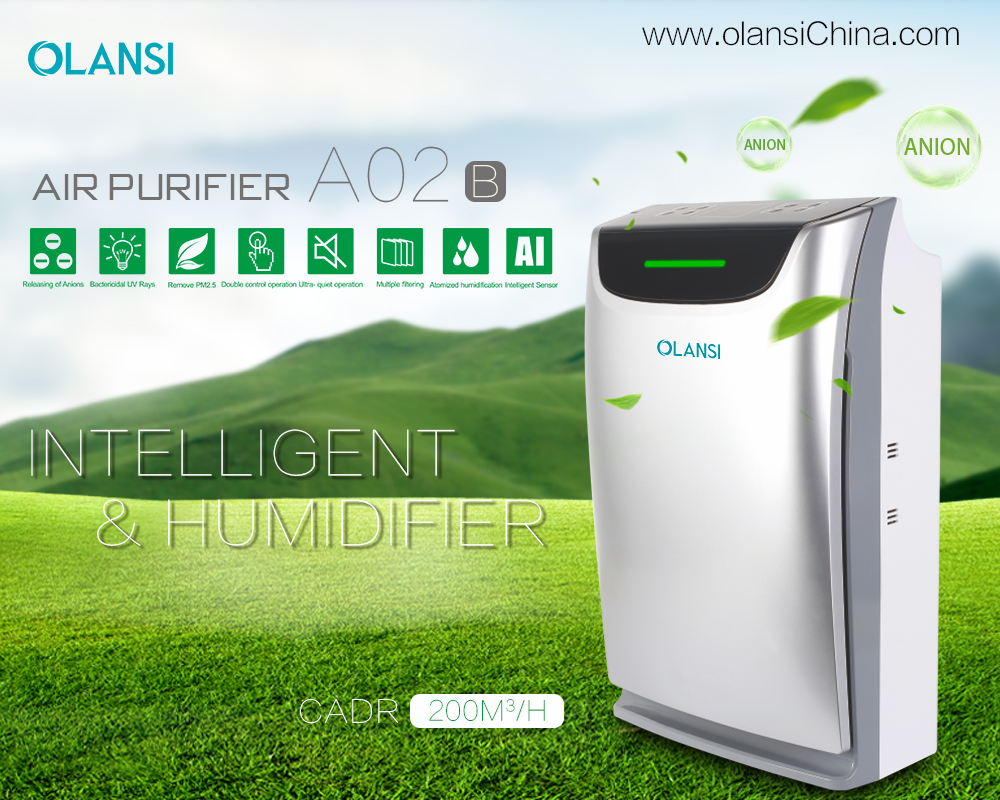
Credit: www.olansichina.com
The Importance Of Research Before Buying
One of the best ways to avoid problems is to do your homework before you buy. Read reviews, check safety certifications, and compare features. Don’t be fooled by marketing claims—look for real test data. The EPA Indoor Air Quality guide offers a trustworthy overview of different technologies and their risks.
Many negative side effects are avoidable. By understanding how air purifiers work and what to look for, you can enjoy cleaner air without unexpected problems.
Frequently Asked Questions
Why Do Some Air Purifiers Make My Throat Or Lungs Feel Irritated?
This usually happens with ozone-producing or ionizer models. Ozone and charged particles can irritate sensitive tissues, even if you don’t have allergies. Try switching to a HEPA-based purifier and avoid ozone generators indoors.
Can Air Purifiers Cause Headaches Or Tiredness?
Yes, especially if they produce ozone, ultra-fine particles, or harmful byproducts. Noise from the device can also disturb sleep, leading to tiredness. Make sure your purifier is the right type and placed away from your bed or workspace.
How Often Should I Change My Air Purifier Filter?
It depends on the model, but most HEPA or carbon filters need replacement every 6 to 12 months. Some units have filter change indicators, but always check the manual and set reminders. Dirty filters can make air quality worse.
Are Air Purifiers Safe For Pets?
Most are safe if you choose a HEPA or carbon filter model. Avoid ozone and strong ionizers, which can harm birds, small mammals, and even some plants. Always check for animal-safe certifications if you have sensitive pets.
Can Air Purifiers Remove All Indoor Air Pollution?
No, most are only effective for certain pollutants like dust and pollen. Many don’t remove gases, chemicals, or mold spores. Good ventilation, regular cleaning, and removing pollution sources are still needed for truly clean indoor air.
—
Air purifiers can help, but they’re not perfect. Understanding their negative side effects means you can make better choices, reduce risks, and enjoy healthy indoor air without surprises. Always research, maintain your device, and combine it with other clean air habits for the best results.
Credit: www.thehealthsite.com