
A pool filter is one of the most important parts of a swimming pool system. It keeps water clean, clear, and safe for everyone. But sometimes, pool owners face a problem: their filter does not have an air relief valve. This small part might not seem important, but missing it can lead to several issues that most people do not expect. If your pool filter does not have an air relief valve, you might notice strange noises, poor water flow, or even dangerous pressure levels.
Many new pool owners do not realize how much the air relief valve matters until problems start happening. Air can get trapped inside the filter system, and without a way to let it out, your pool equipment can suffer. In this article, we will look closely at what happens when your pool filter is missing this part.
You will learn why an air relief valve is important, what can go wrong without it, and how to solve these problems. Along the way, you will get practical advice, clear examples, and tips that most guides do not mention.
Let’s dive into everything you need to know about a pool filter with no air relief valve—from safety risks to performance problems, and how to fix or prevent them.
Understanding The Role Of The Air Relief Valve
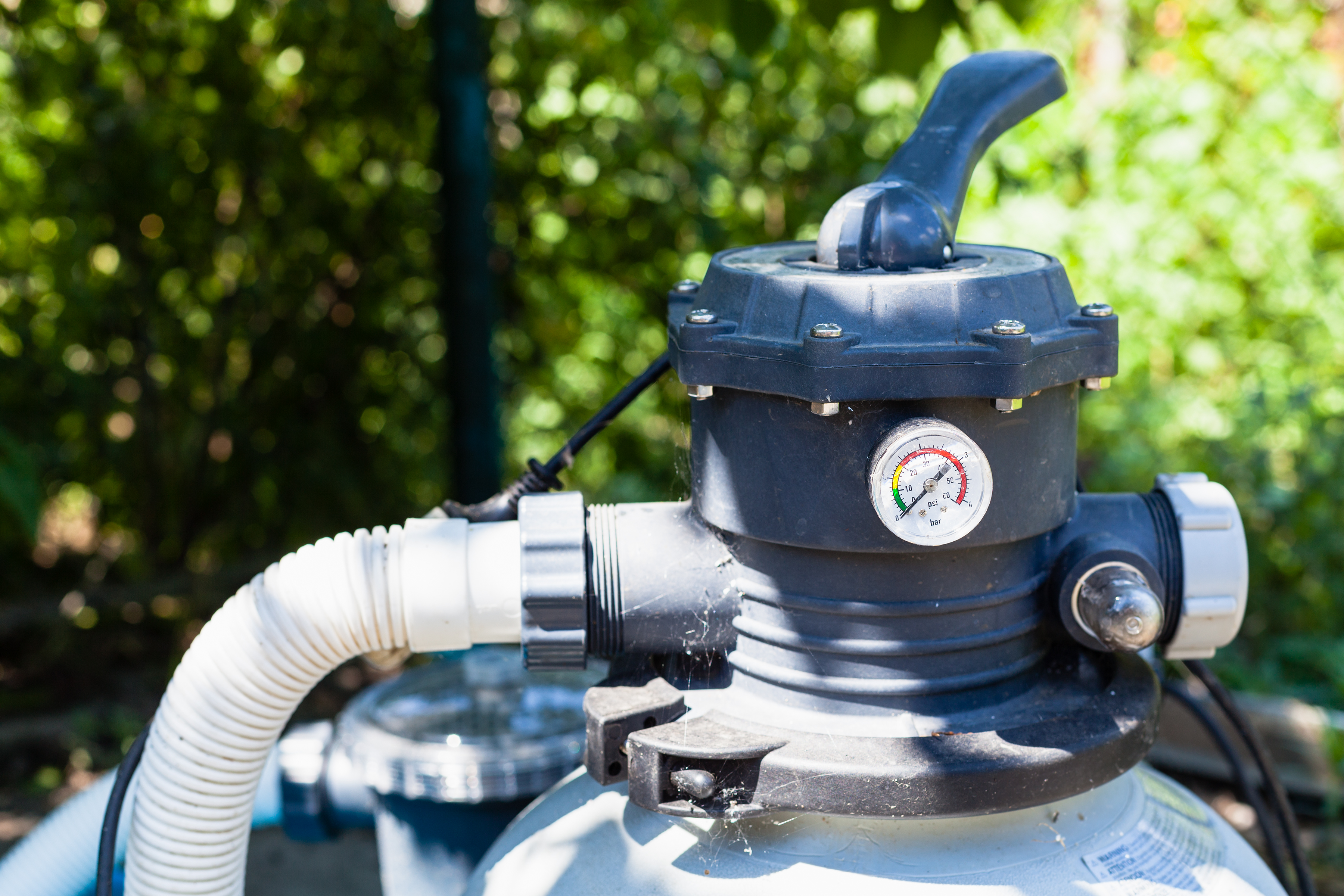
The air relief valve is a small device usually found on top of a pool filter. Its main job is to let trapped air out of the filter system. When you run your pool pump, air can get pulled into the pipes from the skimmer, pool vacuum, or even during filter cleaning. If this air stays in the filter, it can form air pockets, which cause several problems.
Most pool filters, especially cartridge and D.E. (diatomaceous earth) types, include an air relief valve. Sand filters might not always have one, but it is still a good idea to add one if possible. The valve is simple to use: you turn or loosen it, and air escapes until water starts to come out. Then, you close the valve.
Why Air Gets Trapped
Air can enter the pool filter system for many reasons:
- The water level in the pool is too low, so the skimmer sucks in air.
- There are leaks in the pump lid, pipes, or fittings.
- You open the filter for cleaning and don’t bleed out the air afterward.
- The pool pump pulls in air from a loose drain plug or cracked fitting.
Most of the time, you cannot see the air inside the filter. But you may hear hissing, bubbling, or notice weak water flow.
What Happens Without An Air Relief Valve
If your pool filter does not have an air relief valve, trapped air stays inside the filter tank. This can lead to:
- High pressure inside the filter
- Poor water circulation
- Filter damage over time
- Safety risks (in some cases, filter tanks can burst)
Even a small amount of air can cause problems. Over time, the risks grow if the air cannot escape.
Problems Caused By Missing An Air Relief Valve
Having no air relief valve on your pool filter is not just a small mistake. It can cause real trouble, both for your equipment and your safety. Let’s break down the main problems you might face.
1. Increased Pressure Inside The Filter
Air takes up space inside your filter tank. This pushes water into a smaller area, which raises the pressure. Pool filters are built to handle normal water pressure, but not extra pressure from trapped air. The filter’s pressure gauge may show a higher reading than normal, or jump up and down.
High pressure makes the filter work harder. Over time, this can damage the filter tank, the pipes, and even the pump. If the pressure gets too high, the tank could crack or, in rare cases, explode. This is not just bad for your pool—it is dangerous for anyone nearby.
2. Poor Water Flow And Filtration
When air is trapped, water cannot move smoothly through the filter. You may notice weak flow from your pool’s return jets or uneven pressure from your pool cleaner. The filter media (cartridge, sand, or D. E. ) Cannot do its job well if water is not moving as designed.
This means your pool water may stay cloudy, or the filter cannot catch dirt and debris. You may need to use more chemicals to keep the water clear. In the long run, this costs more money and makes pool care harder.
3. Noisy Operation
A pool filter with trapped air can make strange noises. You might hear:
- Gurgling or bubbling
- A high-pitched hissing
- Sudden “burping” sounds when air moves through the system
These sounds are not just annoying. They are a warning sign that something is wrong inside your filter. If you ignore these noises, other problems can develop.
4. Shorter Equipment Life
When the filter and pump work under extra pressure, parts wear out faster. Seals, gaskets, and filter elements are under more stress. This means you may need to replace expensive parts sooner than expected.
For example, a filter tank that should last 10 years might crack after only 4 or 5 years if air is always trapped inside. Pumps can also overheat or burn out if they struggle against high pressure and poor flow.
5. Safety Hazards
This is the most serious risk. Pressure can build up inside the filter tank. If the tank is old, cracked, or weak, it might burst. Pool filter explosions are rare, but when they happen, they can cause serious injury or damage.
In some cases, pool filter tanks have split open, sending heavy parts flying across the yard. This is why manufacturers warn pool owners to always bleed out air after cleaning or refilling the filter.
6. Harder Maintenance
Cleaning your filter is more difficult without an air relief valve. After you open the filter, you cannot easily let the air escape. You may have to loosen other fittings, which is messy and can damage threads or seals.
This makes regular maintenance a bigger job, and increases the chance you will skip important steps.
How To Tell If Your Filter Lacks An Air Relief Valve
You might not know if your filter is missing this important part. Here are some ways to check:
- Look on top of the filter tank. Most cartridge and D.E. Filters have a small valve or knob you can turn. Sand filters may have a plug or nothing at all.
- Check your filter’s manual or the manufacturer’s website. Search for “air relief valve” or “bleed valve.”
- Watch the pressure gauge. If it stays high after cleaning or refilling, air may be trapped.
- Listen for strange sounds when the pump runs.
- If you open the filter and water does not spill out right away, but air escapes, you probably have air inside.
Knowing what to look for helps you decide what to do next.
Types Of Pool Filters And Air Relief Valve Use
Not all pool filters are the same. The way air relief valves are used depends on the filter type. Let’s compare the main types:
| Filter Type | Common Valve Location | Can Add Valve? | Typical Air Problems |
|---|---|---|---|
| Cartridge | Top of filter tank | Yes, usually easy | Air pockets, high pressure |
| D.E. (Diatomaceous Earth) | Top of filter tank | Yes, often included | Air locks, pressure spikes |
| Sand | Not always present | Sometimes | Less common, but possible |
If your filter does not have an air relief valve, check if it can be added. Some older sand filters do not include one, but adapters and kits are available.

Credit: www.youtube.com
Dangers And Real-life Stories
It is easy to think, “My filter has no air relief valve, but it works fine.” However, accidents can and do happen. Let’s look at some real-world examples:
- In one case, a pool owner ignored high pressure on their cartridge filter. After years of use, the tank cracked open during operation. The top of the tank hit a nearby fence, and the owner was lucky not to be standing close by.
- Another pool owner had a sand filter with no air relief valve. After cleaning, trapped air caused uneven water flow. They tried to fix it by loosening the multiport valve, but water sprayed everywhere. The O-ring was damaged, leading to a costly repair.
These stories show that missing an air relief valve is not just a minor issue. It can lead to dangerous situations and expensive fixes.
How To Add An Air Relief Valve To Your Filter
If your pool filter does not have an air relief valve, you have several options. Adding one is often easier than you might think.
1. Check For A Factory Kit
Many filter makers sell retrofit kits for older filters. These include the valve, gasket, and sometimes a drill bit. Follow the instructions to add the valve to the correct spot.
2. Drill And Install A Universal Valve
If no kit is available, you can buy a universal air relief valve from a pool supply store. Here’s how to install it:
- Turn off the pump and release all pressure from the filter.
- Mark the highest point on the filter tank.
- Carefully drill a hole (follow the valve size guide).
- Insert the valve, using Teflon tape and a rubber washer.
- Tighten it gently, do not overtighten.
- Test for leaks before running the pump at full speed.
Be careful—if you drill in the wrong spot, you can damage the tank. If you are not sure, ask a pool professional for help.
3. Use A Manual Bleed Plug
Some sand filters have a manual bleed plug at the top or side. You can open this plug to let air out, but it is not as convenient as a real valve. Always close the plug tightly to prevent leaks.
4. Replace The Filter Lid
A few cartridge and D. E. Filters let you swap the lid for a newer style with an air relief valve built-in. Check with your filter’s manufacturer for compatibility.
5. Add A Pressure Gauge With Bleed
Some pressure gauges include a bleed valve. This is a small, manual valve you can open to let air out when checking the pressure. It is a simple solution for small air problems.

Credit: www.amazon.com
Maintenance Tips For Filters Without An Air Relief Valve
If you cannot add an air relief valve right away, you still need to manage trapped air. Here are some practical tips:
- Prime the pump carefully. Always fill the pump basket with water before starting. This keeps air out of the system.
- Fill the filter tank with water before closing it after cleaning. Pour water into the tank so there is less air inside.
- Open the highest fitting or plug to let air escape after cleaning. Use a towel to catch water.
- Watch the pressure gauge. If the pressure stays high, stop the pump and try to release air again.
- Listen for changes. New noises or weaker water flow can mean air is trapped.
- Check for leaks. Air leaks at the pump lid, drain plug, or pipes can make the problem worse.
These steps do not replace a real air relief valve, but they help reduce risk until you can fix the issue.
When To Call A Pool Professional
Some pool problems are best left to the experts, especially if you are not comfortable with plumbing or repairs. Call a pool professional if:
- You are not sure how to add an air relief valve.
- The filter tank is old, cracked, or leaking.
- The pressure gauge stays high, even after you try to bleed air.
- You hear loud noises or see water spraying from fittings.
A qualified technician can add a valve, check for other issues, and make sure your system is safe.
Comparing Filters: With Vs. Without Air Relief Valve
It helps to see the difference between pool filters that have an air relief valve and those that do not.
| Feature | With Air Relief Valve | Without Air Relief Valve |
|---|---|---|
| Pressure Control | Easy to lower pressure by bleeding air | Pressure can build up, hard to release |
| Maintenance | Simple and clean after filter cleaning | Messy, may require opening other parts |
| Safety | Safer, less risk of tank rupture | Higher risk if pressure gets too high |
| Water Quality | Better filtration and flow | Risk of cloudy water, poor flow |
| Noise | Quiet operation | Gurgling, hissing, or bubbling sounds |
This comparison makes it clear: having an air relief valve is better for performance, safety, and easier maintenance.
Common Mistakes And How To Avoid Them
Many pool owners make small mistakes that lead to bigger problems with air in the filter. Here are some to watch for:
1. Ignoring The Pressure Gauge
Some people never check the pressure gauge. A rising gauge means air or debris is inside. Always check the gauge after cleaning or when the pool looks dirty.
2. Over-tightening Fittings
Trying to stop leaks by overtightening can crack plastic parts. Use Teflon tape and hand-tighten first. If leaks continue, replace the gasket or O-ring.
3. Forgetting To Prime The Pump
If you start the pump dry, it pulls in air. Always fill the pump basket with water before turning it on.
4. Not Releasing Air After Cleaning
Even if you do not have a valve, open the highest fitting or plug for a few seconds after filter maintenance. This helps air escape.
5. Using The Wrong Valve Or Kit
Not all air relief valves fit every filter. Check your model and buy the right part. Forcing a valve into the wrong spot can damage the tank.
Avoiding these mistakes keeps your pool filter running safely and smoothly.
Signs Your Pool Filter Needs An Air Relief Valve
If you notice these warning signs, your filter may need an air relief valve right away:
- The pressure gauge rises quickly after cleaning.
- The water flow from pool jets is weak.
- You hear gurgling or hissing from the filter area.
- The filter tank “sweats” or leaks at the seams.
- Cleaning the filter is always messy and hard.
These are clues that air is trapped and causing problems.
What To Do If You Can’t Add A Valve
Sometimes, you cannot add an air relief valve right away. Maybe your filter is very old, or you cannot get the parts. Here are some options:
Use The Manual Bleed Plug
If your filter has a plug at the top, use it to let out air after cleaning. Open it slowly—air comes out first, then water.
Replace The Filter
If your filter is more than 10 years old, it may be time for a new one. Modern filters always include an air relief valve.
Call A Pool Service
A pool service company can add a valve or suggest the best solution for your system.
Watch Pressure And Water Quality
Check the pressure gauge weekly. If it stays high, do not run the system until you can fix the problem.
Credit: www.poolsupplies.com
Upgrading To A Filter With An Air Relief Valve
If you plan to upgrade your pool equipment, choose a filter with a built-in air relief valve. Here are some tips:
- Look for well-known brands with good safety records.
- Choose the right size for your pool (not too big or small).
- Make sure the valve is easy to reach and use.
- Read reviews from other pool owners.
A new filter with the right features will save time, money, and worry in the long run.
Non-obvious Insights Most Pool Owners Miss
- Air leaks are often invisible. Even a small crack in a fitting or pump lid can let in air. If you see bubbles in the pool’s return, check all seals—even the ones you cannot see.
- Filter pressure should return to normal after cleaning. If pressure stays high, do not assume it is just dirt. Air may be trapped, and ignoring it can lead to bigger problems.
- Water chemistry matters. High chlorine and low pH can weaken plastic filter parts. This makes them more likely to crack under pressure if air is trapped inside.
- Replacing the valve is cheaper than a new filter. Many pool owners buy a whole new filter when they could just add or replace a simple valve.
- Some “silent” filters still have air problems. Even if your filter is quiet, check the pressure and water quality. Problems do not always make noise.
Practical Advice For Safe Pool Ownership
- Always read your filter’s manual before making changes.
- Never run the pump if you suspect high pressure or trapped air.
- Teach everyone in your home how to turn off the pool system quickly.
- Keep a spare gasket and Teflon tape on hand for quick repairs.
- Schedule regular check-ups with a pool professional, especially before summer.
These steps help you avoid costly repairs and keep your pool safe for everyone.
Where To Learn More
For more detailed information about pool filters and safety, the Centers for Disease Control and Prevention offers resources for pool owners. Visit their CDC Residential Swimming Pools page for expert advice.
Frequently Asked Questions
What Does An Air Relief Valve Do On A Pool Filter?
The air relief valve lets trapped air escape from the filter system. This keeps the pressure safe and helps water flow smoothly through the filter. Without it, air can build up and cause problems.
Can I Run My Pool Filter Without An Air Relief Valve?
It is possible, but not safe or recommended. Running a filter without a valve can lead to high pressure, poor water flow, and even dangerous filter tank failures. It is best to add a valve if your filter does not have one.
How Do I Know If Air Is Trapped In My Filter?
Signs include a high pressure gauge, weak water flow, strange noises (hissing, gurgling), and cloudy pool water. If you open the filter and hear air escaping, it was likely trapped inside.
Is It Hard To Add An Air Relief Valve To My Filter?
Adding a valve is usually simple with the right kit. Some filters need a small hole drilled, while others have a plug you can swap for a valve. If you are not sure, ask a pool professional for help.
What Should I Do If My Filter Tank Cracks From High Pressure?
Turn off the pump immediately and do not run the system. Cracked tanks can be dangerous. Call a pool service company to inspect and replace the filter if needed.
Keeping your pool filter safe is not just about clear water—it is about protecting your equipment and everyone who enjoys your pool. By understanding the risks of running a filter with no air relief valve, and learning how to add or manage one, you can avoid trouble and keep your pool in top shape for years to come.