
If you have a swimming pool with a paved deck, you know how important it is to keep everything clean and safe. Paver sealer is often used to protect and beautify the stones or bricks around your pool. But what happens if that sealer ends up in the pool water? Many pool owners worry about this, especially after sealing projects or heavy rains. Is it dangerous? Can it damage your pool or harm swimmers? Let’s explore everything you need to know about paver sealer in pool water, how to handle accidents, and how to prevent future issues.
Understanding Paver Sealer And Its Purpose
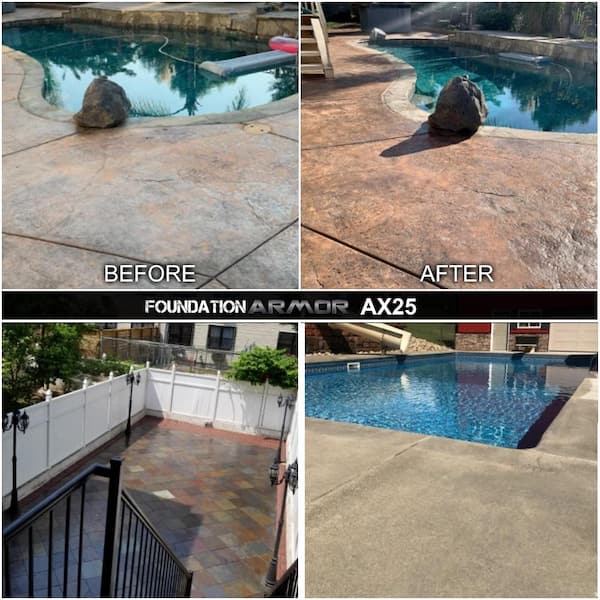
Paver sealer is a liquid product designed to coat the surface of outdoor paving stones. It serves a few key functions:
- Protects pavers from water, oil, and stains
- Enhances color and gives a wet or glossy look
- Prevents weed growth in joints
- Reduces fading from sunlight (UV rays)
- Makes cleaning easier
There are different types of paver sealers. Some are water-based, others are solvent-based. Some create a thick, glossy layer, while others give a more natural finish. The main goal is to keep your pool deck looking good and lasting longer.
How Paver Sealer Gets Into Pool Water
Sealer is not meant to mix with pool water. However, there are common ways it can end up in your pool:
- Sealing during windy weather: Wind can blow spray or mist into the pool.
- Rain runoff: If it rains soon after sealing, excess sealer can wash into the water.
- Over-application: Using too much sealer can cause it to run off into the pool.
- Incorrect cleaning: Pressure washing or hosing down sealed pavers too soon can push residue into the pool.
- Deck slope issues: Poor drainage can direct liquid sealer toward the pool’s edge.
Each of these situations can allow chemicals meant for stone to end up in your water, which was not designed to handle them.
Credit: www.homedepot.com
What Happens When Paver Sealer Gets In Pool Water
Immediate Effects
If paver sealer enters the water, you may notice:
- Oily film or slick on the surface
- Cloudy water or haziness
- Floating debris or sticky substances
- Unusual smell, often chemical or solvent-like
Sometimes, the effects are subtle, but in other cases, the pool water becomes obviously dirty or feels strange.
Chemical Reactions
Sealers contain ingredients like acrylics, solvents, or resins. When these mix with pool water, especially with chlorine and other chemicals, reactions can occur:
- Formation of sticky residues that are hard to remove
- Clouding from emulsified particles
- Filter clogging as sealant particles get trapped
- Reduced chlorine effectiveness due to chemical interference
The exact outcome depends on the sealer’s ingredients and how much gets into the pool.
Impact On Pool Surfaces And Equipment
Paver sealer can stick to the tile line, skimmers, and pool lights. It may leave a sticky, hard-to-clean coating. Over time, it can also gunk up the pool filter and affect pumps and heaters by leaving behind residues.
Is Paver Sealer Dangerous In Pool Water?
Health Risks For Swimmers
Many sealers contain chemicals that are not safe to swim in. Even water-based sealers can cause irritation. Possible health effects include:
- Skin and eye irritation
- Rashes or redness
- Breathing issues (especially with solvent fumes)
- Upset stomach if accidentally swallowed
Children and pets are more sensitive and may react more strongly.
Water Quality And Safety
Sealer contamination can make it hard to keep the pool water balanced. You may struggle with:
- Chlorine lock—where chlorine can’t do its job
- High combined chlorine and strong smells
- Poor water clarity
- Bacterial growth if sanitizers fail
If you see any oily or cloudy water, it’s best to keep everyone out until the problem is fixed.
Types Of Paver Sealer And Their Behavior In Pool Water
Different sealers act differently in water. Knowing which type was used can help you respond correctly.
| Sealer Type | Base Ingredient | Water Behavior | Typical Risks |
|---|---|---|---|
| Solvent-based | Petroleum solvents | Floats as oil, strong smell | High toxicity, strong irritation |
| Water-based | Acrylic emulsion | Clouds water, less smell | Moderate irritation, less toxic |
| Urethane/epoxy | Synthetic resins | Sticky clumps, hard to remove | Filter clogging, surface stains |
Solvent-based sealers are the most dangerous if they get into the pool. They can cause strong smells and health problems. Water-based sealers are less toxic but still not safe. Urethane and epoxy sealers can create sticky, hard-to-clean messes.
How Much Paver Sealer Is A Problem?
A tiny drop is usually not dangerous, but even a small amount can cause issues. If you notice a visible film or cloudiness, there’s enough to affect water quality. For most pools, as little as a few milliliters can create a surface sheen.
A spill of a cup or more is a serious problem and needs quick action.
Step-by-step: What To Do If Paver Sealer Gets In The Pool
If you discover paver sealer in your pool, take these steps:
- Stop swimming immediately. Keep everyone out of the water.
- Turn off pool features like fountains or jets to reduce mixing.
- Identify the sealer type. Check the product label or ask your installer.
- Remove surface film. Use an oil-absorbing sponge (like a “Scumbug”) to soak up floating sealer.
- Skim debris. Use a net to remove any visible clumps or floating materials.
- Clean the pool walls and tile line with a non-abrasive sponge. Sticky sealer can harden quickly.
- Backwash or clean the filter often, as sealer can clog it.
- Shock the pool with chlorine to break down some contaminants (but only after removing as much sealer as possible).
- Test the water for pH, chlorine, and other levels.
- Repeat cleaning until the water is clear and chemical levels return to normal.
If the contamination is severe (strong smell, thick film, or large spill), you may need to partially drain and refill the pool. In rare cases, a full drain is required.
Diy Vs. Professional Help
Minor contamination can often be managed by pool owners. If you are unsure, the spill is large, or you have a solvent-based sealer, call a pool professional. They have special equipment and chemicals to clean up safely.
Preventing Paver Sealer From Entering Pool Water
Prevention is always better than cure. Here’s how to keep sealer out of your pool:
- Plan sealing projects during dry, calm weather. Wind and rain are big risks.
- Use tape and plastic sheeting to cover pool edges and coping stones.
- Seal small areas at a time and work away from the water.
- Allow proper drying time. Most sealers need 24–48 hours to cure before rain or pool use.
- Check deck slope and drainage before starting. Fix any areas that direct water toward the pool.
- Clean equipment and shoes before walking near the pool after sealing.
These steps can save you hours of cleanup and protect your pool investment.
How Pool Professionals Handle Sealer Contamination
Professional pool cleaners use advanced methods when paver sealer enters the water:
- Surface oil removers: Commercial absorbent pads and sponges are placed on the water’s surface.
- Specialty pool enzymes: Certain products break down oils and organic contaminants.
- Filter cleaning chemicals: Pros may “deep clean” sand, cartridge, or DE filters to remove sticky residues.
- Partial draining: If contamination is severe, they may drain part of the water and refill with fresh water.
- Chemical balancing: Experts know how to re-balance water chemistry quickly.
This approach can restore water quality faster and with less risk.
Can Sealer Cause Long-term Pool Damage?
If not removed, paver sealer can cause lasting problems:
- Permanent stains on pool tile or vinyl liners
- Clogged filters leading to poor circulation and equipment strain
- Damaged rubber gaskets or pump seals
- Reduced pool surface life
Sticky or hard residues can be very difficult to remove after they dry. That’s why quick action is so important.
Comparing Water-based Vs. Solvent-based Sealer Issues
To better understand the risks, here’s a direct comparison:
| Feature | Water-Based Sealer | Solvent-Based Sealer |
|---|---|---|
| Toxicity | Lower | High |
| Ease of Cleanup | Easier | Harder |
| Smell | Low | Very strong |
| Water Clarity | Cloudy | Oily film |
| Filter Impact | Moderate | Severe clogging |
Solvent-based sealers are always a bigger concern if they get into your pool.
How To Tell If There’s Still Sealer In Your Pool
Once you’ve cleaned up, you want to know if the problem is truly gone. Signs that sealer may still be present:
- Persistent oily film on water surface
- Foam or bubbles when the water is agitated
- Unusual chlorine demand (chlorine gets used up quickly)
- Continued irritation (red eyes, itchy skin) after swimming
Testing for sealer directly is hard, but these clues suggest more cleaning is needed.
Credit: pbcpressurecleaning.com
Long-term Maintenance After Sealer Contamination
After a cleanup, take these steps for a healthy pool:
- Monitor water clarity and chemical balance daily for at least a week.
- Inspect and clean filters more often than usual.
- Vacuum the pool to waste if debris settles on the bottom.
- Brush pool surfaces to remove any sticky residues.
- Document the event and note the sealer type and how you fixed the problem.
This helps you spot any delayed issues and keeps your pool safe.
Safe Sealer Choices For Pool Decks
Not all sealers are the same. If you plan to seal your pool deck, look for:
- Low-VOC (volatile organic compound) or “pool safe” labeled products
- Water-based acrylics instead of solvents
- Products with clear instructions for use near water
Talk to your sealer supplier and ask about safety for poolside use. Some brands are designed for this and have less impact if accidents happen.
Real-world Example: Pool Owner’s Experience
A homeowner in Florida sealed their travertine pool deck using a solvent-based product. That night, a sudden storm washed uncured sealer into the pool. The next morning:
- The pool had a thick, oily film
- The water smelled strongly of chemicals
- The filter pressure was high and flow was low
They tried to clean with a surface skimmer but had little success. A professional pool company had to:
- Use oil-absorbent pads
- Partially drain and refill the pool
- Replace the filter media
The pool was closed for five days, and the total cost was over $800. This shows the risk of using the wrong sealer or sealing at the wrong time.
Environmental Impact Of Paver Sealer In Pool Water
Beyond pool problems, sealer in pool water can have wider effects:
- Harm to aquatic life: If contaminated water is drained to storm sewers, it can harm plants and animals.
- Chemical pollution: VOCs and synthetic resins add to local pollution.
- Soil contamination: Pool backwash with sealer residue can affect garden health.
Always dispose of contaminated pool water carefully, following local rules.
How To Communicate With Contractors About Sealer Safety
If you hire someone to seal your pool deck, ask:
- What type of sealer will be used?
- How will you protect the pool water?
- What’s your plan if sealer gets in the pool?
- How long before the pool can be used?
Good contractors will have clear answers and a safety plan.
Common Myths About Paver Sealer In Pool Water
Many pool owners believe:
- “A little sealer won’t hurt.” (False—small amounts can still cause problems.)
- “Chlorine will break it down.” (False—chlorine does not break down most sealers.)
- “You can just vacuum it up.” (False—sealer often floats and sticks to surfaces.)
Knowing the facts can save you expensive mistakes.
The Legal Side: Pool Water Discharge Rules
Most towns and cities have rules about draining pool water, especially if it’s contaminated. Never drain sealer-laced water into:
- Storm drains
- Natural streams or ponds
- Your garden (if food is grown)
Check with your local water authority for safe disposal. For example, the EPA provides guidelines on pool water discharge for public safety.
Cost Of Cleaning Up Sealer Contamination
Costs can range from $50 for DIY cleanup (buying oil sponges and chemicals) to over $1000 for severe cases needing professional help and water replacement. Prevention is always cheaper than cleaning up after a spill.
Expert Tips For Future Sealing Projects
- Read product labels fully before starting.
- Choose the right sealer for your climate and deck type.
- Protect the pool with covers and tape.
- Check weather forecasts for 48 hours of dry time.
- Hire experienced contractors with good reviews for poolside sealing.
Following these steps reduces the chance of sealer entering your water.
Technology Solutions: New Sealer Products
Manufacturers are creating eco-friendly sealers with lower risks for pool water. Some new products:
- Break down quickly if spilled
- Are made from natural oils or water-based resins
- Have lower VOC content
Ask your supplier about the latest options. Many are now certified for use around pools.

Credit: pbcpressurecleaning.com
Key Takeaways For Pool Owners
- Paver sealer in pool water is a real risk and can cause health, equipment, and water quality problems.
- Quick action is needed if a spill occurs—remove, clean, and test.
- Prevention is the best way to avoid costly cleanups.
- Choose sealers and contractors carefully if sealing near your pool.
For more about pool safety chemicals, you can check CDC’s pool chemical safety page.
Frequently Asked Questions
What Should I Do First If I See Sealer In My Pool?
Stop swimming right away and remove as much sealer as you can from the surface with an oil-absorbing sponge or skimmer. Keep the pool pump running to help filter out contaminants, and test the water before allowing anyone back in.
Can Paver Sealer Ruin My Pool Filter?
Yes, especially solvent-based or thick sealers can clog pool filters quickly. Clean or backwash your filter often during and after cleanup, and consider replacing filter media if the contamination was severe.
How Long After Sealing Can I Safely Use My Pool?
Wait at least 24–48 hours after applying sealer, or longer if the weather is cool or humid. Always check the product label for the recommended cure time and confirm that no residue is left near the pool.
Will Chlorine Remove Paver Sealer From The Water?
No, chlorine does not break down most paver sealers. You must physically remove as much as possible, then use shock and enzymes to restore water quality. Sometimes, partial water replacement is needed.
Is There A Pool-safe Paver Sealer?
Some water-based and low-VOC sealers are labeled as “pool safe” or “for use around water. ” Always check with the manufacturer or your pool professional before choosing a product for your pool deck.
With the right knowledge and a little preparation, you can keep your pool water clean, safe, and sparkling—even after sealing your beautiful deck.