
A Pentair booster pump is a trusted solution for pool owners who want sparkling clean water and strong circulation. But what do you do when your Pentair booster pump stops working? For many, this is a frustrating surprise—especially if you just want to enjoy your pool or spa. Booster pumps are key for operating pressure-side pool cleaners and maintaining water quality, so any breakdown can quickly become a headache.
This article is your complete, clear guide to troubleshooting and fixing a Pentair booster pump that won’t start, runs weakly, or has other issues. Whether you’re a first-time pool owner or have years of experience, you’ll find practical steps, expert tips, and non-obvious insights here.
You’ll learn how to diagnose, repair, and prevent future problems—all in simple English.
What Is A Pentair Booster Pump?
A booster pump from Pentair is a high-powered device used to increase water pressure in your pool’s cleaning system. Unlike the main pool pump, this one is designed to work with pressure-side automatic pool cleaners. It draws water from your pool, increases its pressure, and sends it to the cleaner, helping it move and clean efficiently.
Some common Pentair booster pump models include:
- Pentair LA01N
- Pentair 340039
- Pentair 340210
These pumps are known for their durability and strong performance, but like all machines, they can develop issues over time.
Common Symptoms Of A Non-working Booster Pump
Understanding the exact problem is the first step to fixing it. Here are the most common symptoms owners notice:
- Pump won’t start at all
- Pump turns on, but no water flows
- Pump is noisy or vibrates
- Pump runs but shuts off quickly
- Pump leaks water
- Pump produces weak pressure
- Pump runs hot or smells burnt
Each symptom points to specific causes. Knowing these details makes troubleshooting much easier.
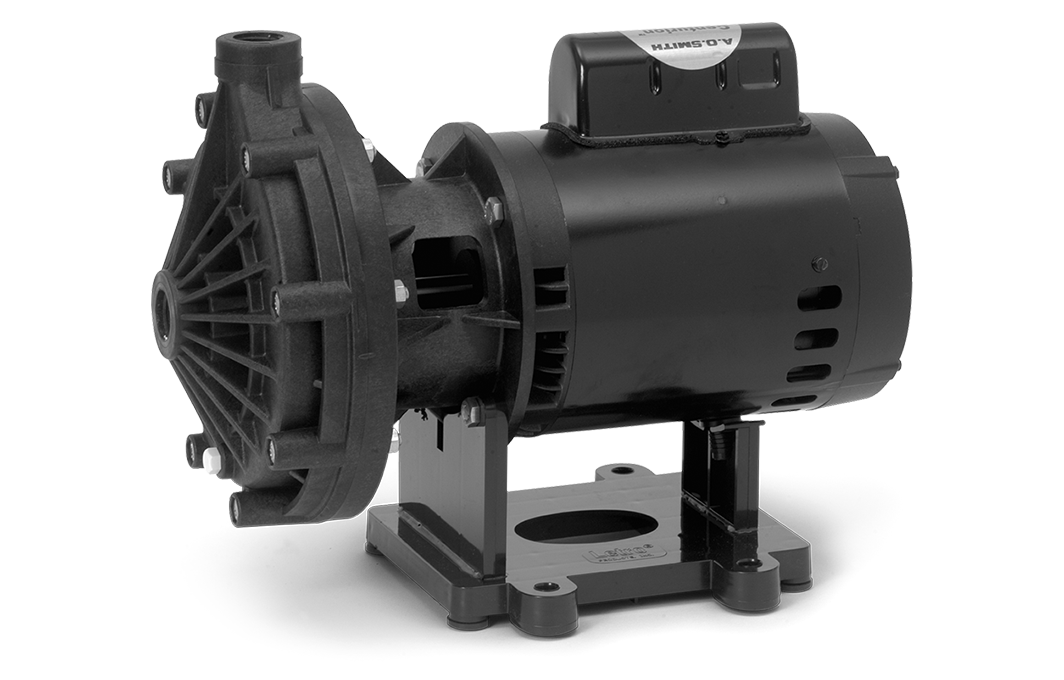
Credit: www.pentair.com
Safety First: What To Do Before You Begin
Before you touch the pump, always put safety first. Here are the necessary steps:
- Turn off power at the circuit breaker
- Let the pump cool if it’s hot
- Wear rubber gloves and safety glasses
- Keep water away from electrical connections
Never skip these steps—even if you’re in a hurry.
Why Pentair Booster Pumps Stop Working
Many things can cause a Pentair booster pump to stop. Here are the most frequent reasons, explained in simple language:
1. Electrical Power Issues
If the pump does not start, power is often the problem. This can be due to a tripped breaker, a blown fuse, a faulty switch, or loose wires. Sometimes, a timer controlling the pump may be set incorrectly or broken.
Non-obvious insight: Many people overlook pool timers or GFCI outlets. If a GFCI outlet has tripped, the pump will not get power even if the breaker looks fine.
2. Clogged Or Blocked Lines
Dirt, leaves, or even small stones can block the pipes leading to or from the pump. This can stop water flow or make the pump work much harder, leading to overheating or damage.
3. Air Leaks In The System
If there is an air leak on the suction side (before the pump), the pump may lose prime and fail to move water. Common places for leaks include the lid o-ring, pipe connections, or a cracked housing.
4. Worn Out Or Broken Parts
Parts like the impeller, shaft seal, or bearings can wear out or break. When this happens, the pump may become noisy, lose pressure, or stop working completely.
5. Motor Failure
The electric motor is the heart of the pump. Motors can fail due to age, overheating, or water getting inside. Signs of motor failure include humming, clicking, or the pump not starting at all.
6. Low Voltage Or Incorrect Wiring
If the voltage at the pump is too low, it won’t start or will run weakly. Incorrect wiring can also cause the motor to run in the wrong direction or burn out.
7. Pump Overheating
If the pump runs dry or has poor ventilation, it may get too hot and shut off. Some pumps have thermal protection that turns off the motor if it gets too hot.
8. Mechanical Blockage
Sometimes, a small object like a piece of plastic can jam the impeller or other moving parts inside the pump.
9. Water Leaks
A leaking pump may lose prime and stop working well. Leaks can come from loose fittings, worn seals, or cracks in the pump body.

Credit: www.reddit.com
Step-by-step Troubleshooting For A Pentair Booster Pump
Let’s walk through the process to find and fix the problem. Each step helps you rule out common causes.
1. Check For Power Supply
- Make sure the pump’s circuit breaker is ON.
- Test the outlet or timer with another device (like a lamp).
- Reset any GFCI outlets near the pump.
- Inspect the wiring for any visible signs of damage.
Tip: If your pump is on a timer, manually switch it ON to test.
2. Inspect The Pump And Pipes
- Look for visible water leaks around the pump.
- Check if the pump’s lid and o-rings are secure.
- Inspect all pipes for cracks or loose fittings.
3. Prime The Pump
If the pump is running but not moving water, it may have lost its prime:
- Turn off the pump.
- Open the lid and fill the pump housing with water.
- Replace the lid, then turn the pump ON.
4. Listen For Unusual Sounds
- Grinding or screeching: Worn bearings or a jammed impeller.
- Humming: Motor is getting power but not spinning (could be a seized motor).
- Clicking: Electrical problem or relay issue.
5. Check For Clogs Or Blockages
- Remove and clean the pump strainer basket.
- Inspect the intake and discharge pipes for debris.
- Use a garden hose to flush the lines if needed.
6. Test For Air Leaks
- With the pump running, look for air bubbles in the pump basket or return jets.
- Apply soapy water to fittings—bubbles mean a leak.
7. Examine The Pump Motor
- Is the motor hot to the touch? Overheating can cause shut-off.
- Look for rust or signs of water inside the motor housing.
8. Measure Voltage
- Use a multimeter to check that the voltage at the pump matches the label (usually 115V or 230V).
- If voltage is low, call an electrician.
9. Check The Impeller
- Turn off and disconnect power.
- Open the pump housing and try spinning the impeller by hand—it should move smoothly.
- Remove any debris or replace if broken.
10. Look For Internal Leaks
- Check the shaft seal for water drips.
- Look for water pooling under the pump.
How To Fix Common Pentair Booster Pump Problems
Once you know the cause, here’s how to repair the most common issues.
Fixing Power Problems
- Tripped breaker: Reset the breaker.
- Blown fuse: Replace with the correct size.
- Bad timer/switch: Replace or bypass to test.
- Loose wires: Tighten connections or replace damaged wires.
Expert tip: Always turn off power before touching wires.
Clearing Clogs And Blockages
- Remove the pump basket and clean out debris.
- Backwash your pool filter if it’s dirty.
- Flush pipes with a hose to clear blockages.
Repairing Air Leaks
- Replace worn or cracked o-rings on the lid and fittings.
- Use Teflon tape on threaded connections.
- Tighten all unions and clamps by hand.
Replacing Worn Parts
- Impellers and shaft seals are common wear items.
- Order Pentair-approved replacement parts.
- Follow the manual for disassembly and reassembly.
Dealing With Motor Issues
- If the motor hums but doesn’t spin, the capacitor may be bad.
- If you smell burning or see smoke, the motor probably needs professional repair or replacement.
- If the motor is rusty or waterlogged, replace it.
Stopping Leaks
- Tighten all bolts and clamps.
- Replace seals and gaskets as needed.
- If the pump body is cracked, replacement is usually required.
Fixing Overheating
- Ensure the pump has good airflow—clear away leaves or objects blocking the vents.
- Make sure the pump is always full of water before turning it on.
Preventing Future Booster Pump Problems
A little maintenance goes a long way. Here’s how to keep your Pentair booster pump healthy:
- Regularly clean the pump basket and filter.
- Inspect all seals and o-rings for cracks or wear every few months.
- Keep the area around the pump clean and dry.
- Check for leaks after every cleaning or repair.
- Turn off the pump during freezing weather to avoid damage.
- Run the pump only as long as needed—overuse shortens its life.
Non-obvious insight: Pool chemicals, especially chlorine, can damage pump seals over time. Rinse the pump area with fresh water after adding chemicals.
Signs You Need A New Pentair Booster Pump
Sometimes, repair isn’t enough. Here are clear signs you need a new pump:
- Motor won’t start even after capacitor or switch replacement
- Pump housing is cracked or leaking heavily
- Repeated overheating or tripping breakers
- Excessive noise after replacing bearings or seals
- The pump is more than 8-10 years old and has multiple issues
Replacing an old pump can save energy and reduce noise as well.
Comparing Common Pentair Booster Pump Models
Here’s a quick comparison of three popular Pentair booster pumps to help you understand their differences:
| Model | Horsepower (HP) | Voltage | Flow Rate (GPM) | Noise Level (dB) | Warranty |
|---|---|---|---|---|---|
| LA01N | 0.75 | 115/230 | 12.5 | 65 | 1 year |
| 340039 | 0.75 | 115/230 | 13.0 | 67 | 1 year |
| 340210 | 1.0 | 115/230 | 14.2 | 64 | 1 year |
Cost Of Repair Vs. Replacement
Sometimes, people wonder if it’s better to repair or replace their Pentair booster pump. Here’s a cost comparison to help you decide:
| Repair Type | Typical Cost ($) | Time to Complete | When to Choose |
|---|---|---|---|
| Replace capacitor | 20-40 | 30 minutes | If motor hums but won’t start |
| Replace shaft seal | 30-70 | 1 hour | If leaking under pump |
| Replace complete pump | 400-700 | 1-2 hours | If pump is old, noisy, or leaking badly |
| Replace motor | 150-350 | 1-2 hours | If motor is burnt or water-damaged |
Practical tip: If repair costs are more than half of a new pump’s price, replacement is usually smarter.
When To Call A Professional
While many fixes are DIY-friendly, some problems need an expert:
- Electrical issues you can’t easily spot or fix
- Motor replacement or rewinding
- Cracks in the pump housing
- Recurring leaks after seal replacement
- Any repair you’re uncomfortable with
A licensed pool technician can quickly diagnose and repair complex issues, saving you time and preventing costly mistakes.
Real-world Example: Diagnosing A Booster Pump That Won’t Start
Let’s look at a typical scenario. You walk out to your pool, and the cleaner isn’t moving. You check the Pentair booster pump, and it’s silent.
Step 1: You check the breaker—it’s ON.
Step 2: You test the outlet with a phone charger—no power.
Step 3: You reset the GFCI outlet nearby. The charger now works.
Step 4: You try the pump again, and it starts!
Lesson: A tripped GFCI outlet was the problem—not the pump. This is a common issue after rain or power surges.
Advanced Troubleshooting: Hard-to-find Problems
Some issues can be tricky. Here’s how to handle them:
Intermittent Pump Operation
If the pump starts and stops at random, check for:
- Loose wire connections inside the timer or switch box
- A failing capacitor (pump starts slower each time)
- Overheating due to blocked vents or running dry
Weak Pressure, Even After Cleaning
If the pump runs but pressure is always low:
- Double-check for air leaks—small ones can cause big problems
- Inspect the pump’s impeller for worn blades
- Make sure the cleaner’s hoses and nozzles are clear
Odd Noises That Come And Go
Noises like rattling or grinding that appear and disappear may be:
- Foreign objects stuck in the impeller
- Bearings starting to fail—these may sound worse as the pump heats up
Tips For Maximizing Booster Pump Life
Want your Pentair booster pump to last longer? Try these:
- Install a surge protector to prevent electrical damage.
- Keep pump covered in winter or during storms.
- Lubricate o-rings with pool-safe grease every 3-6 months.
- Check alignment of motor and pump after moving or servicing.
- Monitor pressure gauge—sudden drops often mean a leak or clog.
Pentair Booster Pump Warranty And Support
Most Pentair booster pumps come with a one-year warranty for parts and labor. Always keep your proof of purchase. If you have a problem during the warranty period, contact Pentair or your dealer for authorized service.
For detailed manuals and troubleshooting, visit the Pentair Official Support.
Non-obvious insight: Registering your pump with Pentair can sometimes extend your warranty or help with faster service.
Frequently Asked Questions
Why Does My Pentair Booster Pump Hum But Not Start?
This usually means the capacitor or motor bearings are failing. The motor is getting power but cannot spin. Try replacing the capacitor first—a common and inexpensive fix.
How Often Should I Replace My Pentair Booster Pump?
Most pumps last 8-10 years if maintained well. Replace your pump if it has repeated leaks, loud noises, or frequent failures, even after repairs.
Can I Run My Pool Cleaner Without The Booster Pump?
No. Pressure-side pool cleaners need the high pressure from a booster pump. Running the cleaner without it can damage both the cleaner and your pool system.
Is It Safe To Repair The Booster Pump Myself?
Basic repairs like cleaning or replacing o-rings are safe if you turn off power first. For electrical or motor repairs, call a professional unless you have experience.
My Pump Leaks Only When Running—what Does This Mean?
This often means a bad shaft seal or a loose fitting. Replace the seal or tighten the connections. If the leak continues, check for cracks in the pump housing.
A working Pentair booster pump is essential for a clean, inviting pool. With these troubleshooting tips and insights, you can solve most problems quickly and safely. Regular maintenance and knowing when to call for help will keep your pump running strong for years.
Enjoy your clear, beautiful pool with confidence!

Credit: www.reddit.com