
If you own a swimming pool, you probably enjoy the beauty and relaxation it brings. But pools also come with maintenance needs. One key part that often gets overlooked is the bond beam—the thick, reinforced concrete ring at the top edge of your pool shell. When cracks, damage, or wear appear in this area, repair isn’t just about looks; it protects the structure and safety of your entire pool. Understanding the pool bond beam repair cost is important for budgeting, planning, and making the right choices for your pool’s future.
In this article, you’ll learn what a bond beam is, why it matters, how repairs are done, and—most importantly—how much you’ll likely pay. We’ll dig into the real costs, what factors affect the price, and how you can make smart decisions.
You’ll also see how to spot problems early, common mistakes pool owners make, and tips for saving money without risking quality. By the end, you’ll have a complete view of what to expect, whether you’re hiring a pro or considering a DIY approach.
What Is A Pool Bond Beam?
The bond beam is the solid, horizontal band of reinforced concrete that runs around the top edge of an inground pool. It connects the pool wall and deck, holds waterline tiles, and helps support the pool’s shape. In short, it’s like the backbone of your pool’s upper structure.
Many people don’t notice the bond beam unless there’s trouble—cracks, shifting tiles, or uneven coping (the edge stones or tiles). Problems here can lead to leaks, deck movement, and even structural failure if ignored. That’s why bond beam repair is a serious issue, not just a cosmetic fix.
Why Does The Bond Beam Need Repair?
Over time, bond beams can develop problems for several reasons:
- Ground Movement: Soil shifts under or around your pool can crack the beam.
- Water Infiltration: Poor sealing allows water to seep in, freeze, and expand, breaking the concrete.
- Aging Materials: Concrete, rebar, and tiles wear out, especially after 10-20 years.
- Improper Installation: Mistakes during the original build can cause early cracks or weakness.
- Heavy Loads: Trucks, hot tubs, or heavy objects on the deck can stress the bond beam.
A damaged bond beam isn’t just ugly—it can let water escape, which leads to bigger repairs. Early action saves money and keeps your pool safe.
Signs Your Pool Bond Beam Needs Repair
Catching problems early can save thousands. Look for these warning signs:
- Cracks in the pool tile line or deck
- Loose or missing coping stones
- Waterline tiles that fall off or shift
- Visible rust stains (from rebar inside concrete)
- Uneven pool deck or gaps between deck and pool
- Water loss (leaks)
Not all cracks mean structural danger, but any of these signs should prompt a closer look. Small cracks often mean a minor repair, while shifting, large gaps, or rust usually need urgent, professional attention.
What Does Pool Bond Beam Repair Involve?
Bond beam repair is more than patching up concrete. Here’s a typical process:
- Inspection: A pro checks the damage, looking for cracks, rust, and movement.
- Removal: Damaged tiles, coping, and concrete are carefully removed.
- Rebar Repair: Corroded steel is cut out and replaced to restore strength.
- Concrete Pouring: New concrete is poured to rebuild the bond beam.
- Tile & Coping Replacement: New tiles and coping are installed and sealed.
- Finishing: Expansion joints and waterproofing are added as needed.
Each step must be done right. Skipping rebar repair or using weak concrete can lead to repeated damage, costing more in the long run.

Credit: www.reddit.com
Average Pool Bond Beam Repair Cost
The cost to repair a pool bond beam varies widely. Most repairs fall between $2,500 and $10,000, but your actual price depends on several key factors. Here’s a breakdown:
- Minor cracks (cosmetic repair): $500–$2,500
- Moderate damage (partial beam replacement): $2,500–$5,000
- Major structural repair (full beam, rebar, tile, and coping): $5,000–$10,000+
For most homeowners, the bill is around $3,500 to $6,500 for a typical repair involving concrete, tile, and coping in a standard-sized pool.
Cost Example
- Repairing a 10-foot section with tile and coping: About $3,000
- Full bond beam replacement (around the whole pool): $12,000–$20,000 (rarely needed unless the pool is very old)
Many pool companies charge by linear foot—expect $150–$300 per foot for moderate repairs.
Factors Affecting Pool Bond Beam Repair Cost
Why such a wide price range? These are the main cost drivers:
1. Extent Of Damage
A small, isolated crack is quick to fix. If the crack is long, deep, or rust has spread through the rebar, costs rise fast. If water has been leaking for a while, surrounding concrete may also need replacement.
2. Pool Size And Shape
Larger pools have longer bond beams. Curved or freeform pools are harder to repair than simple rectangles, raising labor costs.
3. Type Of Coping And Tile
Standard concrete coping and basic ceramic tiles are cheap to replace. Natural stone, custom tilework, or luxury finishes cost much more.
4. Access And Demolition
If workers can easily reach the pool, labor is cheaper. Pools surrounded by decks, landscaping, or fencing need more demolition and careful work.
5. Location And Labor Rates
Costs vary by region. Urban areas with high demand see higher prices, as do pools in states with strict building codes.
6. Underlying Structural Issues
If soil has shifted or water has eroded the ground, extra work may be needed to stabilize the base before repairing the beam.
7. Seasonal Timing
Repairs in spring and summer can cost more due to high demand. Winter work may be cheaper, but cold weather can slow concrete curing.

Credit: www.reddit.com
Typical Cost Breakdown
Here’s a sample breakdown for a moderate repair (15 feet of beam, tile, and coping):
| Item | Estimated Cost |
|---|---|
| Inspection & preparation | $300 |
| Demolition & debris removal | $600 |
| Rebar replacement | $750 |
| Concrete pour & finish | $1,200 |
| Tile & coping replacement | $1,000 |
| Waterproofing & sealing | $400 |
| Total | $4,250 |
This is a typical example. Costs can be less for small jobs or much higher for complex repairs.
Comparing Repair Methods
Not all bond beam repairs are done the same way. Here’s how common methods compare:
| Method | Cost Range | Durability | Best For |
|---|---|---|---|
| Epoxy Injection | $500–$1,500 | 2–5 years | Small cracks, no rust |
| Partial Beam Replacement | $2,500–$5,000 | 10–20 years | Moderate cracks, some rust |
| Full Beam Replacement | $8,000–$20,000 | 20+ years | Major damage, severe rust |
Epoxy is cheaper and faster but only covers surface cracks. If the rebar is rusted, replacement is the only safe choice.
Diy Vs. Professional Bond Beam Repair
Some pool owners consider DIY bond beam repair to save money. While small surface cracks can sometimes be patched by a handy homeowner, most repairs are best left to professionals. Here’s why:
Diy Pros
- Lower cost (only material expenses)
- Good for very small cracks or touch-ups
Diy Cons
- Risk of missing deeper structural problems
- Poor repairs can lead to leaks or further damage
- Most warranties require professional repair
- Concrete and tile work are tough for beginners
Professional Repair Pros
- Proper diagnosis and repair of all issues
- Access to better materials and tools
- Repairs meet code and warranty needs
- Work is typically guaranteed
Professional Repair Cons
- Higher upfront cost
Non-obvious insight: Many pool leaks blamed on plumbing actually come from a cracked bond beam. A pro will test and confirm the true source before starting work, saving you money on unnecessary pipe repairs.
How To Choose A Pool Bond Beam Repair Contractor
Picking the right pro can be the difference between a lasting fix and repeat problems. Here’s what to look for:
- Experience with bond beams: Not all pool companies do structural repairs.
- Licensed and insured: This protects you if something goes wrong.
- References: Ask for recent jobs, not just old ones.
- Clear written estimate: Should include all steps and materials.
- Warranty on repairs: Good contractors guarantee their work for at least 1–2 years.
Don’t pick based on price alone. The cheapest bid often skips key steps like rebar replacement or waterproofing.
How To Save Money On Pool Bond Beam Repair
Pool repairs are expensive, but these tips can help you keep costs in check:
- Fix issues early: Small cracks are much cheaper to repair than large ones.
- Compare multiple quotes: Get at least 3 estimates from qualified contractors.
- Schedule in the off-season: Prices are often lower in fall or winter.
- Bundle repairs: If you need tile, coping, or deck work, do it all at once to save on labor.
- Maintain your pool: Good drainage and sealing prevent many bond beam problems.
Another insight: Sometimes you can lower costs by reusing undamaged coping or tiles. Ask your contractor if this is possible for your pool.
Real-world Examples
Hearing what other pool owners paid can give you a sense of real costs:
- Florida homeowner: “We had a 12-foot crack with rust stains. The repair cost $3,900, including new tile and coping. Our neighbor paid $7,200 for a bigger job with full beam replacement.”
- California pool: “A small crack looked minor, but the concrete had shifted. We paid $6,500 after they found deeper rust. It was more than we expected, but the leak stopped for good.”
- Texas DIY: “I tried patching a crack myself for $120 in materials. It looked okay at first, but the crack came back in 6 months. I ended up paying $2,800 for a pro repair.”
The Hidden Cost Of Waiting
Delaying bond beam repairs often leads to much higher costs later. Here’s what can happen:
- Cracks let water leak behind the pool shell, eroding soil and causing more cracks.
- Rust spreads through rebar, weakening the structure.
- Deck and pool tiles loosen and break.
- Full beam replacement or even pool shell failure can occur.
Fixing a small crack early can cost $1,000 or less. Waiting can mean a $10,000+ bill and weeks without your pool.
Frequently Overlooked Costs
When budgeting for bond beam repair, don’t forget these possible extras:
- Pool draining and refilling: Needed for some repairs; water bills add up.
- Permits and inspections: Some cities require them, costing $100–$500.
- Deck or landscaping repair: Access work can damage plants or decking.
- Temporary fencing or safety covers: Needed if your pool is open during repair.
Ask your contractor about all possible costs upfront to avoid surprises.
How To Prevent Future Bond Beam Problems
Prevention is always cheaper than repair. Here’s how to keep your bond beam in good shape:
- Check for cracks every spring and fall
- Keep deck drainage clear to prevent water pooling
- Seal tiles and coping every few years
- Avoid heavy objects near the pool edge
- Fix leaks promptly—even small ones
If you live in a freeze/thaw climate, consider a flexible sealant for expansion joints to help prevent winter cracks.
Pool Bond Beam Repair Vs. Pool Resurfacing
Many pool owners confuse bond beam repair with pool resurfacing. Here’s how they compare:
| Aspect | Bond Beam Repair | Pool Resurfacing |
|---|---|---|
| Purpose | Fixes structural edge cracks, rebar, coping | Renews surface plaster or finish inside pool |
| Cost | $2,500–$10,000 | $4,000–$12,000 |
| When Needed | Cracks, leaks, shifting deck or tiles | Stains, rough surface, minor leaks |
| Impact | Structural safety and leak prevention | Looks and feel of pool interior |
Sometimes both jobs are needed together—this is more expensive, but often saves on labor if done at the same time.
Frequently Asked Questions
How Long Does Pool Bond Beam Repair Take?
Most moderate repairs take 3 to 7 days. Simple crack repairs can be done in a day, while full beam replacement may take up to two weeks, especially if weather or drying time delays work.
Will Insurance Cover Bond Beam Repair?
Homeowner’s insurance rarely covers bond beam repair unless damage is sudden and caused by a covered event (like a falling tree). Most cracks from age, soil movement, or water leaks are not covered. Check your policy for details.
Can I Swim While The Bond Beam Is Being Repaired?
No. The pool is usually drained below the repair area, and tools, wet concrete, or chemicals make it unsafe. Wait until repairs are complete and the pool is refilled and tested before swimming.
What Is The Difference Between A Bond Beam And Coping?
The bond beam is the reinforced concrete at the pool’s top edge. The coping is the decorative stone or tile placed on top of the bond beam, forming the pool’s outer edge. Coping sits on the bond beam and is often replaced during repairs.
Where Can I Find A Trusted Pool Bond Beam Repair Contractor?
Look for licensed pool builders or structural repair specialists. Ask for referrals from friends or neighbors and check online reviews. The Association of Pool & Spa Professionals is a reputable resource: PHTA.
Final Thoughts
Pool bond beam repair cost is a major expense, but it’s essential for pool safety and long life. Don’t ignore cracks, loose tiles, or shifting coping—these are signs that the backbone of your pool needs attention. By acting quickly, choosing the right contractor, and understanding the real costs, you protect your investment and avoid bigger bills down the road.
Remember, every pool is unique. Get a detailed inspection and written estimate before any work begins. Preventative care goes a long way, and with the right knowledge, you can enjoy your pool for years to come—without surprise repair bills.
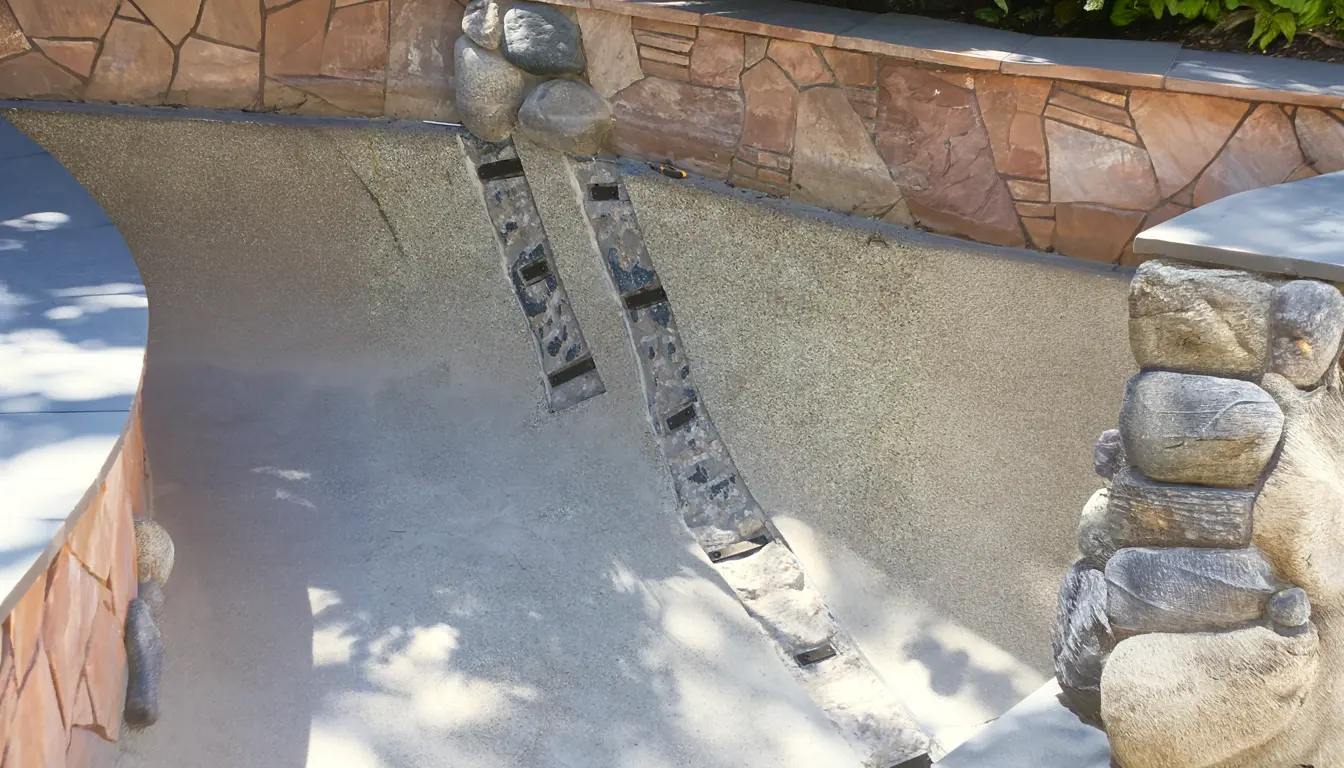
Credit: torque-lock.com