
A pool is a place to relax, enjoy, and escape the summer heat. But nothing ruins that peace faster than discovering water leaking from your pool filter’s drain plug. It may seem like a small issue at first, but even a minor leak can lead to wasted water, higher bills, chemical imbalances, and even damage to your pool equipment.
If you’re reading this, you’ve probably noticed that tell-tale drip under your filter, or maybe there’s a small puddle forming. Don’t worry—this problem is more common than you might think. And with the right guidance, you can fix it yourself and keep your pool running smoothly.
In this article, you’ll get a complete understanding of why pool filter drain plug leaks happen, how to diagnose the exact cause, and practical steps to fix it. Whether you have a sand filter, cartridge filter, or a DE filter, the solutions are mostly similar.
But there are important details and tips that make all the difference between a quick fix and a recurring headache. You’ll also learn how to prevent future leaks and avoid common mistakes that many pool owners make. By the end, you’ll feel confident handling a leaking pool filter drain plug—saving money, water, and plenty of frustration.
What Is A Pool Filter Drain Plug?
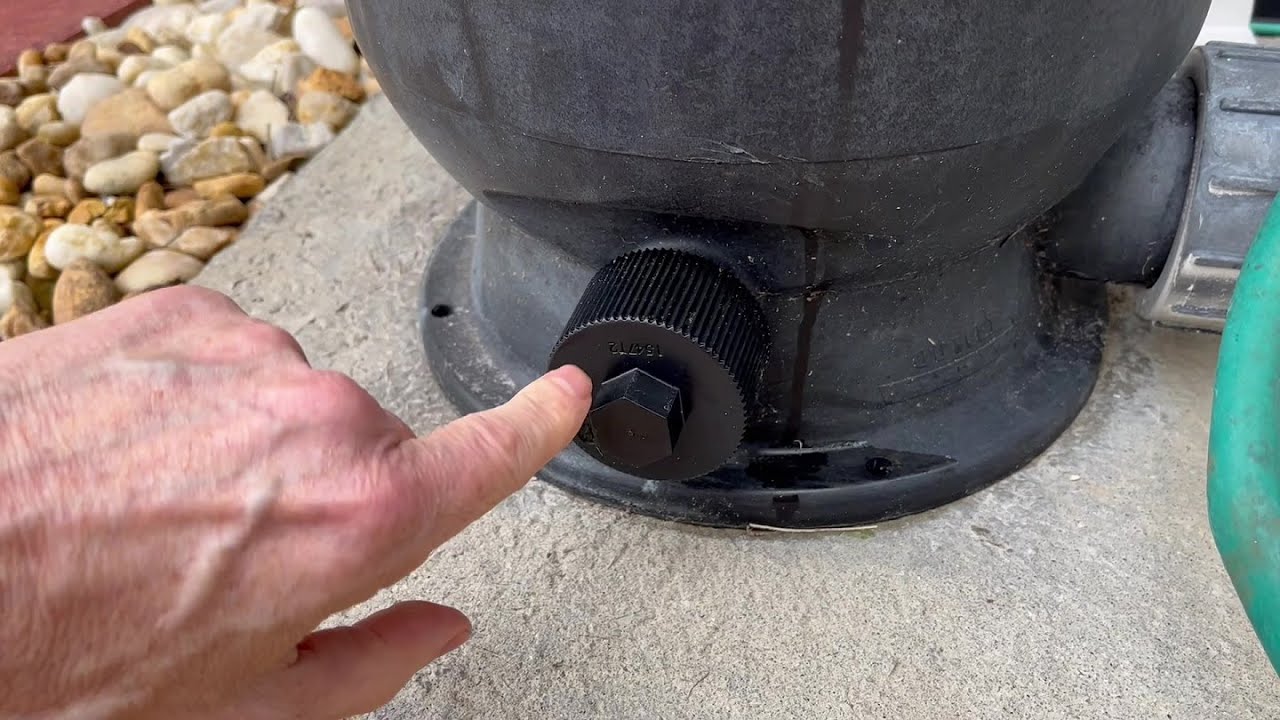
A drain plug is a small but essential part of your pool filter system. It’s usually located at the bottom or side of the filter tank. Its main job is to allow you to drain water from the filter for cleaning, maintenance, or winterizing. Most drain plugs are made of durable plastic or sometimes brass, and include a gasket or O-ring to create a watertight seal.
When everything is working well, the drain plug stays tightly sealed, keeping the filter water inside. But if the plug, gasket, or threads are damaged or loose, water can leak out. Even a slow drip can add up to hundreds of gallons over time.
Why Is My Pool Filter Drain Plug Leaking?
A leaking drain plug often signals a problem with one or more parts. Here are the most common reasons:
- Worn or damaged O-ring/gasket: This soft rubber ring creates the seal. Over time, it can crack, flatten, or wear out.
- Loose plug: If the plug isn’t tightened enough, water can sneak past.
- Cracked or stripped threads: The threads on the plug or the filter body can crack or strip, preventing a tight seal.
- Debris or dirt on the sealing surface: Sand, grit, or old Teflon tape can prevent the plug from sealing correctly.
- Over-tightening: Believe it or not, tightening the plug too hard can damage both the plug and the filter, leading to leaks.
- Old or incorrect plug: Using the wrong size or type of plug, or one that’s aged and brittle, can also cause leaks.
Understanding the cause is the first step toward the right solution.
How Serious Is A Pool Filter Drain Plug Leak?
You might wonder if a small leak is really a big deal. Here’s why you shouldn’t ignore it:
- Water Loss: Even a slow drip can waste hundreds of gallons in a season. This means higher water bills and wasted resources.
- Chemical Imbalance: Losing water means losing pool chemicals, which makes it harder to keep the water balanced and safe.
- Equipment Damage: If water leaks onto the ground, it can cause erosion, rust, or electrical problems, especially if it gets into the pump or electrical systems.
- Mold and Mildew: Constant moisture around your equipment pad can encourage mold, algae, or even attract pests.
A pool filter drain plug leak is small, but its impact grows over time.
Diagnosing The Leak: Step-by-step
Before you can fix a leak, you need to find out exactly where it’s coming from. Here’s how to diagnose the problem:
1. Turn Off The Pump
Always turn off your pool pump before inspecting the filter. This prevents water from spraying everywhere and keeps you safe.
2. Dry The Area
Use a towel to dry the area around the drain plug. This helps you spot the exact source of the leak.
3. Watch For Drips
Turn the pump back on briefly. Look closely for water. Is it leaking right from the plug, the threads, or from the area around the plug?
4. Inspect The Plug And Threads
Unscrew the drain plug. Look at the threads on both the plug and the filter. Check for cracks, flattening, or dirt.
5. Check The O-ring Or Gasket
Remove the O-ring or gasket (if present) and examine it for cracks, flattening, or missing pieces.
6. Look For Hairline Cracks
Sometimes, small cracks in the filter body or plug are hard to see. Use a flashlight or even a magnifying glass.
7. Clean Everything
Wipe down the plug, O-ring, and the area where the plug screws in. Sometimes dirt or debris is all that’s causing the leak.
By following these steps, you’ll know exactly what’s wrong and avoid guessing.
Credit: www.youtube.com
How To Fix A Leaking Pool Filter Drain Plug
Once you’ve diagnosed the leak, you can move on to the solution. Here’s how to fix each of the most common causes:
1. Replacing A Worn O-ring Or Gasket
The O-ring is the most common culprit. If it’s old, brittle, or cracked, replace it.
Steps:
- Buy the correct O-ring for your filter brand and model.
- Lightly coat the new O-ring with pool-safe silicone lubricant. This helps it seal better and prevents future drying out.
- Place the O-ring in the groove on the plug.
- Screw the plug back in by hand—do not use tools to over-tighten.
- Turn on the pump and check for leaks.
Pro Tip: Never use petroleum jelly on O-rings. It can break down the rubber. Use silicone lubricant made for pool equipment.
2. Tightening The Plug Properly
A loose plug can easily leak. But over-tightening can crack the plastic.
Steps:
- Hand-tighten the plug until it feels snug.
- If you must use a wrench, use only gentle pressure—stop at the first sign of resistance.
- Check again after running the pump for a few minutes.
Non-Obvious Insight: Some people wrap Teflon tape around the threads, but this is usually not needed with a good O-ring. Use Teflon tape only if recommended by your filter’s manufacturer.
3. Cleaning The Threads And Sealing Surface
Dirt, sand, or old tape can prevent a good seal.
Steps:
- Remove the plug and O-ring.
- Use a clean rag to wipe both the plug and the filter threads.
- If needed, use a soft toothbrush to remove stubborn debris.
- Replace the plug and test for leaks.
4. Fixing Cracked Or Stripped Threads
If the threads are damaged, the plug can’t seal. Here’s what to do:
Plastic Threads:
- If only the plug is cracked, replace just the plug.
- If the filter’s threads are damaged, you may need a thread repair kit or, in severe cases, a new filter.
Brass or Metal Threads:
- Sometimes, a thread sealant (approved for pool use) can help.
- Do not force a plug into badly stripped threads; it can make the problem worse.
5. Replacing An Old Or Incorrect Plug
If the plug is the wrong size, shape, or is just old and brittle, replace it.
Steps:
- Take the old plug to a pool store to find a match.
- Always buy plugs made for pool filter use. Household plumbing plugs may not withstand pool chemicals.
6. Using Thread Sealant (if Needed)
Some filters recommend using Teflon tape or a pool-safe thread sealant on the plug threads.
How to Apply:
- Wrap 2–3 layers of Teflon tape clockwise around the plug threads.
- Or, use a small amount of pool-safe sealant.
- Do not get sealant or tape on the O-ring or sealing surface.
7. Repairing A Cracked Filter Body
If the filter tank itself is cracked near the drain plug, repair is tricky.
Minor cracks: Use a two-part epoxy made for pool use. Follow the instructions carefully, and let it cure fully before refilling and restarting the system.
Major cracks: If the crack is large or growing, the only safe solution is to replace the filter tank. Trying to patch a major crack is risky and can fail suddenly.
Pool Filter Types And Their Drain Plug Designs
Not all pool filters are the same, and their drain plugs can have unique features. Here’s a quick comparison of the three main filter types:
| Filter Type | Common Drain Plug Material | O-ring/Gasket Used? | Typical Leak Cause |
|---|---|---|---|
| Sand Filter | Plastic or Brass | Yes | O-ring aging |
| Cartridge Filter | Plastic | Yes | Cross-threading |
| DE Filter | Plastic (rarely brass) | Yes | Cracked plug |
Non-Obvious Insight: Some newer filters use a quarter-turn plug instead of a threaded one. These are less likely to be over-tightened, but the O-ring is still critical.
Preventing Pool Filter Drain Plug Leaks
Fixing a leak is important, but preventing future leaks saves you even more trouble. Here’s how to keep your pool filter drain plug sealed and secure:
1. Inspect Regularly
Check the area around the drain plug every time you do pool maintenance. Early detection means easier fixes.
2. Replace O-rings Annually
O-rings are cheap and easy to replace. Make it a yearly habit—just like changing batteries in your smoke alarm.
3. Use The Right Lubricant
Always use pool-safe silicone lubricant on O-rings. This keeps them flexible and helps them last longer.
4. Avoid Over-tightening
Hand-tighten the plug, and if you need extra force, use only gentle pressure with a tool.
5. Keep Threads Clean
Before screwing in the plug, make sure both the plug and filter threads are free of dirt, sand, and old tape.
6. Use Only Genuine Replacement Parts
Aftermarket plugs or O-rings may not fit perfectly. Always use parts designed for your filter model.
7. Winterize Carefully
If you live in a cold climate, remove the plug to prevent freezing water from cracking the filter. Store the plug and O-ring indoors so they don’t get brittle.
Real-world Examples And Lessons Learned
Many pool owners find themselves facing a leaky filter drain plug at some point. Here are a few real-life stories and what you can learn from them.
Example 1: The Over-Tightened Plug
John, a new pool owner, noticed a small leak and kept tightening the plug with a wrench. Eventually, he cracked the plastic threads on his filter, leading to a much bigger leak and an expensive filter replacement. Lesson: Over-tightening can do more harm than good.
Example 2: The Forgotten O-ring
Maria cleaned her filter and reinstalled the drain plug, but forgot the O-ring. Water leaked steadily, and she lost a lot of pool chemicals. After replacing the O-ring, the leak stopped instantly. Lesson: Never skip the O-ring, even for a “temporary” fix.
Example 3: The Invisible Crack
Sam couldn’t find the source of his leak. Only after drying the area completely and using a flashlight did he spot a small hairline crack in the filter body near the plug. He patched it with epoxy, but when the crack grew, he had to replace the filter. Lesson: Small cracks can be hard to spot and may require full replacement if they get worse.
Example 4: The Wrong Plug
Ling bought a replacement plug from a hardware store. It looked similar, but after a week, it started leaking. She found out it was not made for pool use and was being eaten away by chlorine. Lesson: Always use parts made for your filter and pool environment.
Cost Of Repair: What To Expect
Fixing a pool filter drain plug leak is usually affordable. Here’s a typical cost breakdown:
| Repair Item | Average Cost (USD) | Notes |
|---|---|---|
| O-ring/Gasket | $2 – $10 | Always replace yearly |
| Replacement Plug | $5 – $15 | Get the correct model |
| Silicone Lubricant | $5 – $8 | One tube lasts years |
| Thread Sealant/Teflon Tape | $1 – $4 | Only if recommended |
| Epoxy (for small cracks) | $8 – $15 | For minor repairs only |
| New Filter Tank | $200 – $800+ | Last resort |
Most leaks are solved for under $20, unless the filter tank itself is cracked.
Common Mistakes To Avoid
It’s easy to make a small problem worse if you’re not careful. Here are mistakes to avoid:
- Over-tightening the plug
- Using the wrong size or type of plug
- Forgetting to install or lubricate the O-ring
- Using petroleum jelly on rubber parts
- Ignoring slow leaks
- Trying to patch large cracks instead of replacing the tank
Taking the right steps the first time saves money, water, and stress.
When To Call A Professional
Most pool filter drain plug leaks can be fixed by a handy pool owner. But call a professional if:
- The leak continues after replacing the plug and O-ring
- You find cracks in the filter tank
- You’re not comfortable working with pool equipment
- The filter is still under warranty (unauthorized repairs may void it)
A pool technician can diagnose hidden problems and make sure your system stays safe.
Professional Tips For A Lasting Repair
Professionals use a few tricks to make sure leaks don’t come back:
- Lightly sand rough threads with fine sandpaper to remove burrs before reinstalling the plug.
- Test with a dry paper towel after repair—if the towel stays dry, the fix worked.
- Keep spares on hand: Always have extra O-rings and a spare plug in your pool kit.
Environmental And Cost Impact Of Ignoring A Leak
Many pool owners underestimate the impact of a small leak. Let’s look at the numbers:
- A leak of just one drop per second loses about 300 gallons per month.
- Lost water must be replaced and re-treated with chemicals, costing extra money.
- If left for a full season, a small leak can waste up to 3,600 gallons—a significant amount in dry climates or areas with water restrictions.
Ignoring a leak is costly, both for your wallet and the environment.
How To Find The Right Replacement Parts
Finding the right O-ring or plug is easier when you know what to look for:
- Check your filter’s brand and model number.
- Bring the old part to the pool store for an exact match.
- Look for parts labeled for pool use. Avoid generic hardware store parts.
- Ask for help if you’re not sure. Store staff can guide you to the right part.
Some filter brands also have online parts diagrams to help you order exactly what you need.
Credit: www.inyopools.com
Pool Filter Drain Plug Leaking: Quick Reference Checklist
If you’re dealing with a leak, follow this checklist for a fast fix:
- Turn off the pump and dry the area.
- Remove and inspect the plug and O-ring.
- Clean threads and sealing surfaces.
- Replace worn O-ring or plug.
- Lubricate O-ring with silicone.
- Hand-tighten the plug (don’t over-tighten).
- Turn on the pump and check for leaks.
- Repeat inspection in 24 hours.
Following these steps ensures a thorough and lasting repair.
Frequently Asked Questions
What Type Of Lubricant Should I Use On My Pool Filter Drain Plug O-ring?
Always use pool-safe silicone lubricant. It keeps the O-ring flexible and helps prevent leaks. Never use petroleum jelly, as it can damage the rubber and shorten its life.
Can I Use Plumber’s Tape (teflon Tape) On The Drain Plug Threads?
You can use Teflon tape if your filter’s manual recommends it, but with a good O-ring, it’s usually not necessary. Too much tape can prevent the plug from seating properly. Always check your manufacturer’s instructions.
How Often Should I Replace My Pool Filter Drain Plug O-ring?
It’s smart to replace the O-ring every year or whenever you notice wear, flattening, or cracks. A fresh O-ring is the best way to prevent leaks.
What Should I Do If My Filter Tank Is Cracked Near The Drain Plug?
For small cracks, you can try a pool-safe epoxy as a temporary fix, but for large or spreading cracks, it’s safest to replace the filter tank. Attempting to patch major cracks is risky.
Where Can I Find Genuine Replacement Parts For My Pool Filter?
You can find genuine parts at pool supply stores, online retailers, or directly from your filter manufacturer’s website. It’s important to use parts made for your filter model. For more guidance, see this helpful guide from SwimmingPool.com.
Having a pool should be a source of joy, not stress. By understanding your pool filter drain plug, acting quickly on leaks, and using the right repair steps, you’ll keep your pool running smoothly all season long. A little attention now saves you from big headaches later—so grab your tools, inspect that drain plug, and get back to enjoying the water.
Credit: vsep.vmrf.edu.in