
If you own a swimming pool, you expect the water to look clear and inviting. But sometimes, you notice pool jets blowing cloudy water instead of a sparkling stream. This can turn a relaxing swim into a stressful guessing game. Why is your pool water cloudy? Is it safe to swim? How do you fix it—and keep it from happening again?
This guide offers practical answers to those questions. We’ll go beyond the basics to explain the causes, the solutions, and the things most pool owners miss. Whether you’re new to pool care or have years of experience, you’ll find actionable advice that brings your water back to crystal-clear condition—and keeps it that way.
What Does “pool Jets Blowing Cloudy Water” Mean?
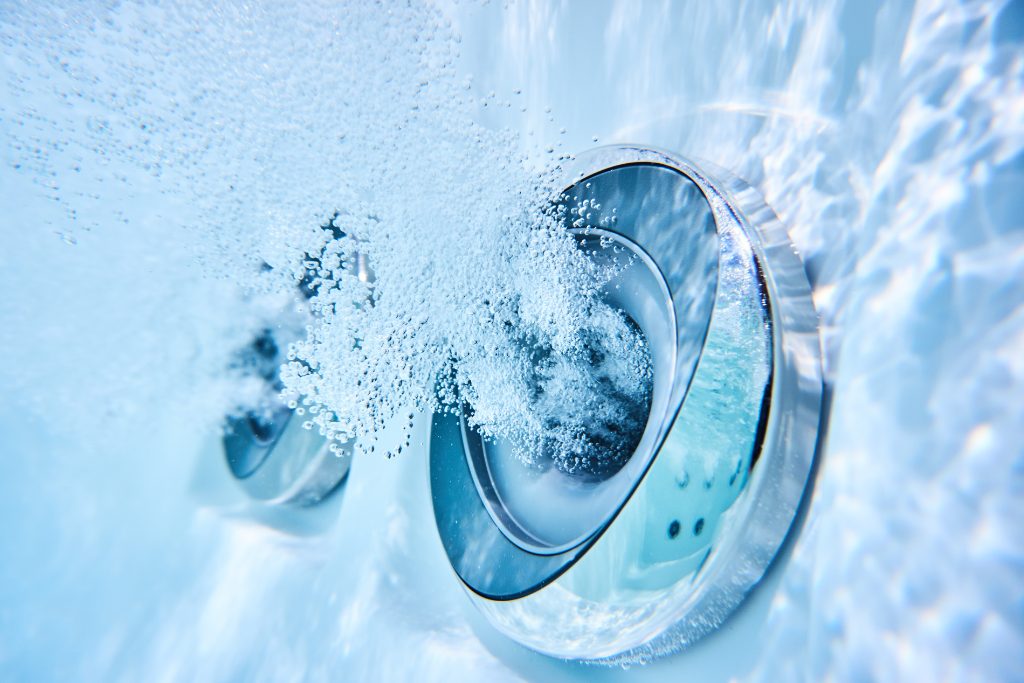
The pool jets are the return lines that push filtered water back into your pool. If these jets start blowing out cloudy or milky water, it means that water coming out of your filter is not clear. The cloudiness can look like a white haze, tiny suspended particles, or even a burst of dust when the jets first turn on. This is more than just a cosmetic issue; it’s a sign that something is wrong with your pool’s water balance, filtration, or circulation.
Cloudy water from jets means the problem is happening after or during filtration—not just in the pool itself. It’s often a clue to a deeper issue with the pool’s system.
Why Is Cloudy Water A Problem?
Cloudy pool water is more than an eyesore. Here’s why you should take it seriously:
- Safety: Cloudy water makes it hard to see swimmers, increasing the risk of accidents.
- Health: Suspended particles may include bacteria, algae, or chemical imbalances that can irritate skin or eyes.
- Equipment Damage: Cloudy water can signal filter or pump issues, which can get worse if ignored.
If your pool jets are blowing cloudy water, swimming isn’t recommended until you find and fix the cause.

Credit: www.reddit.com
Main Causes Of Pool Jets Blowing Cloudy Water
Understanding the reasons behind cloudy water helps you find the right solution. Here are the most common causes, along with some details pool owners often overlook.
1. Filtration Problems
Your filter is the heart of clean pool water. When it’s not working, cloudy water often follows.
- Dirty or Clogged Filter: A full or dirty filter can’t trap small debris. Check your pressure gauge—if it’s higher than normal, the filter may need cleaning or backwashing.
- Old or Damaged Filter Media: Sand, cartridge, or DE filters lose effectiveness over time. Sand should be changed every 5-7 years, cartridges every 1-2 years, and DE grids every 7-10 years.
- Incorrect Filter Settings: Multiport valves can be set incorrectly (for example, on “recirculate” instead of “filter”), sending unfiltered water back to the pool.
Non-obvious insight: Many owners forget to rinse after backwashing. Skipping this step sends fine debris straight back through the jets, making water look cloudy for hours.
2. Poor Water Circulation
If water isn’t moving well, particles settle and build up.
- Blocked Skimmers or Returns: Leaves or debris in the skimmer basket or return jets reduce flow.
- Pump Issues: A weak or air-locked pump doesn’t move enough water through the filter.
- Dead Spots: Some pool shapes have areas where water barely circulates, especially corners or behind ladders.
Pro tip: Use a pool brush to stir up dead spots before filtering. This helps the filter catch hidden debris.
3. Chemical Imbalance
Balanced water is essential for clarity.
- Low Chlorine: Not enough sanitizer lets algae and bacteria grow. Even if you can’t see algae, tiny particles make water cloudy.
- High pH or Alkalinity: These cause minerals to come out of solution, making the water look milky.
- High Calcium Hardness: Too much calcium causes “scaling,” which can appear as white clouds.
- High Cyanuric Acid (CYA): Too much stabilizer locks up chlorine, letting contaminants build up.
Example: If your pH is above 8.0, calcium in hard water can form clouds even with good filtration.
4. Environmental Contaminants
Wind, rain, and swimmers add unexpected particles.
- Pollen: In spring, fine pollen can overwhelm your filter, especially after storms.
- Dust or Construction: Nearby landscaping or building kicks up fine dust.
- Swimmer Load: More people mean more sweat, sunscreen, and oils, which all contribute to cloudiness.
Non-obvious insight: Some pool covers trap contaminants, then dump them into the water when you remove the cover.
5. Algae Blooms
Algae can sometimes be invisible but still cloud the water.
- Early Algae Growth: Before you see green, yellow, or black, the algae cells can scatter light and make the pool look hazy.
- Mustard or “Invisible” Algae: These types are harder to see but cause persistent cloudiness.
Chlorine demand rises sharply with algae, so normal doses may not be enough.
6. Pool Start-up Or Shock Treatment
If you just opened your pool or added shock, you may see cloudy water.
- Debris After Opening: Even with a clean cover, dust and leaves can enter during startup.
- Shocking with Calcium Hypochlorite: This type of shock adds calcium, which can briefly cloud the water.
- High Organic Load: After shocking, dead algae or bacteria can make the water cloudy until the filter catches up.
7. Filter Bypass Or Plumbing Issues
Sometimes, water bypasses the filter media completely.
- Broken Laterals (Sand Filter): If a lateral breaks, sand and debris shoot back into the pool.
- Cracked Cartridge End Caps: These let water pass without being cleaned.
- Leaking Multiport Valve: Internal leaks let dirty water skip filtration.
Example: If you see sand at the bottom of the pool near jets, a sand filter lateral is likely broken.
Diagnosing The Cause: Step-by-step Guide
Finding the real reason for cloudy water takes careful observation and testing. Here’s a practical checklist to narrow down the problem.
Step 1: Observe When The Water Gets Cloudy
- Always cloudy? Probably a filtration or chemical problem.
- Cloudy only after running jets? Likely filter or plumbing issue.
- Cloudy after storms or heavy use? Environmental or swimmer load.
Step 2: Check Filter And Pump
- Read the filter pressure gauge.
- Open and inspect the filter for debris or damage.
- Check pump basket and skimmer for blockages.
- Listen for unusual pump noises or air leaks.
Step 3: Test Water Chemistry
Use a reliable test kit (not just strips) and measure:
- Free chlorine
- PH
- Total alkalinity
- Calcium hardness
- Cyanuric acid
Record your results. Compare them to recommended ranges.
Step 4: Inspect Jets And Returns
- Watch for sand, DE powder, or debris blowing out.
- Feel for strong or weak water flow.
- Rotate directional eyeballs to check for dead spots.
Step 5: Review Recent Pool History
- Did you just shock the pool?
- Have you added any new chemicals?
- Has the weather changed (pollen, dust, rain)?
Step 6: Rule Out Algae
- Look for slippery walls or green/yellow tint.
- Shine a flashlight into the water at night—cloudiness from algae may show up as a haze.
Tip: Photograph the pool daily to spot subtle color changes.
Credit: www.frogproducts.com
How To Fix Pool Jets Blowing Cloudy Water
Once you’ve found the cause, here’s how to restore your pool’s clarity. Each step targets a specific issue, so don’t skip any.
1. Deep Clean Or Replace Filter Media
- Backwash sand or DE filters until the sight glass runs clear.
- Clean cartridge filters with a hose and filter cleaner.
- Replace media if it’s old or damaged (sand every 5-7 years, cartridges 1-2 years, DE grids 7-10 years).
Pro tip: After backwashing, always rinse to settle media and avoid sending dust back into the pool.
2. Improve Water Circulation
- Clean pump and skimmer baskets.
- Remove debris from returns and adjust the angle for better flow.
- Run the pump at least 8-12 hours per day until water clears.
- Brush walls and steps to move settled debris into circulation.
3. Balance Pool Chemistry
Use your test results to adjust:
- Chlorine: Add enough to keep free chlorine at 2-4 ppm.
- PH: Aim for 7.2-7.6.
- Alkalinity: Target 80-120 ppm.
- Calcium hardness: 200-400 ppm.
- Cyanuric acid: 30-50 ppm for outdoor pools.
If you shocked recently: Cloudiness may clear after 24-48 hours as the filter catches up.
4. Remove Environmental Contaminants
- Skim surface debris and vacuum the pool floor.
- Use a pool clarifier to bind tiny particles so the filter can catch them.
- For pollen, run the filter longer and backwash more often.
Pro tip: If pollen is bad, cover the pool when not in use.
5. Treat And Prevent Algae
- Brush and vacuum all surfaces.
- Add a strong shock dose (follow label directions).
- Run filter continuously for 24-48 hours.
- Add an algaecide after shocking, if needed.
6. Fix Equipment Or Plumbing Issues
- For sand or DE in the pool, open the filter and inspect for broken parts.
- For weak jets, check for air leaks on the suction side of the pump.
- Replace any cracked, worn, or leaking valves or filter parts.
7. Use Pool Flocculant (if Needed)
If cloudiness is severe and not clearing, use a flocculant. It binds particles into large clumps that settle on the floor.
- Turn off the pump after adding floc.
- Let clumps settle overnight.
- Vacuum to waste the next day (don’t send them through the filter).
Note: Flocculants are a last resort and not needed for mild cloudiness.
Prevention: Keeping Your Pool Jets Blowing Clear Water
Solving the current problem is important, but prevention saves time and money. Here’s how to keep your pool water crystal clear, even during heavy use or bad weather.
1. Maintain A Regular Cleaning Schedule
- Brush walls and steps weekly.
- Vacuum at least once a week.
- Empty skimmer and pump baskets often.
2. Monitor And Balance Water Chemistry
- Test water at least twice a week.
- Adjust chemicals right away—don’t wait for big swings.
- Use a logbook or app to track changes and spot patterns.
3. Service Your Equipment
- Backwash or clean filters as soon as pressure rises 8-10 psi above normal.
- Inspect filter media annually and replace as needed.
- Lubricate O-rings and check for leaks every month.
4. Plan For Weather And Swimmer Load
- Cover the pool before storms, construction, or pollen-heavy days.
- After heavy use, shock the pool and run the filter longer.
- Skim and vacuum after windy days.
5. Upgrade Filtration If Needed
- Consider a larger filter or variable-speed pump for pools with high debris or heavy use.
- Add a secondary filter (like a cartridge inline with a sand filter) for fine particles.
Non-obvious insight: Many owners overlook the importance of running the pump during daylight hours. Sunlight breaks down chlorine; running your system when the sun is out helps maintain better water chemistry.
Credit: poolpartstogo.com
Comparing Filter Types For Cloudy Water Removal
If you’re struggling with ongoing cloudy water, your filter type matters. Here’s a comparison of the three main filter types.
| Filter Type | Particle Removal Size | Maintenance Frequency | Best For |
|---|---|---|---|
| Sand | 20-40 microns | Backwash every 1-2 weeks | Low debris pools |
| Cartridge | 10-20 microns | Clean every 2-4 weeks | Small to medium pools |
| Diatomaceous Earth (DE) | 1-5 microns | Backwash and recharge monthly | High debris, maximum clarity |
Insight: If you consistently have cloudy water, upgrading to a DE filter can make a dramatic difference. However, DE filters need more maintenance and careful handling.
Water Chemistry Ranges For Clear Pool Water
The right chemical balance is your first defense against cloudy water. These are industry-standard ranges for residential pools.
| Parameter | Ideal Range | Effects if Out of Range |
|---|---|---|
| Free Chlorine | 2-4 ppm | Cloudy, unsafe water if low |
| pH | 7.2-7.6 | Cloudy, scale, or irritation if off |
| Total Alkalinity | 80-120 ppm | pH swings, cloudiness |
| Calcium Hardness | 200-400 ppm | Scaling/cloudy if high |
| Cyanuric Acid | 30-50 ppm | Chlorine lock if high |
Real-life Examples Of Cloudy Water And Solutions
Example 1:
A pool owner notices cloudy water from the jets after a big storm. Testing shows high pH and lots of surface debris. The fix: adjust pH, skim debris, backwash the filter, and run the pump overnight.
Example 2:
After shocking with calcium hypochlorite, the pool turns milky white. The filter is new, and water tests are fine except for high calcium. The solution: run the filter 24 hours, add a clarifier, and the pool clears in two days.
Example 3:
Jets blow out fine sand and cloudy water. Opening the filter reveals a cracked lateral. Replacing the lateral and vacuuming to waste solves the problem.
Non-obvious insight: Sometimes, a small air leak in the suction line pulls in bubbles and stirs up fine debris, which looks like cloudiness at the jets. Fixing the leak (often at the pump lid or union) restores clear flow.
When To Call A Professional
Most cloudy water problems are fixable with patience and the right steps. However, call a pool service professional if:
- The problem doesn’t clear after a week of troubleshooting.
- You find broken parts inside your filter or plumbing.
- You see recurring leaks or unexplained loss of water.
- You’re unsure about handling chemicals safely.
A pro can inspect the system, run advanced water tests, and offer solutions you may not have considered.
Frequently Asked Questions
Why Do My Pool Jets Blow Cloudy Water Only When I First Turn Them On?
This usually means fine particles have settled in the pipes or filter and are pushed out when the system starts. It’s common after a period of no use. Cleaning the filter and running the pump longer each day can help clear out these particles.
Is It Safe To Swim When The Jets Are Blowing Cloudy Water?
No. Cloudy water can hide hazards and may contain bacteria or algae. Wait until the water is clear and all chemicals are balanced before swimming.
How Long Does It Take To Clear Cloudy Pool Water?
It depends on the cause. Minor chemical imbalances may clear in 24-48 hours with proper filtration. More serious problems (like broken filter parts or severe algae) may take several days. If cloudiness persists after a week, seek help.
Can I Use A Pool Clarifier To Fix Cloudy Water From The Jets?
A pool clarifier can help if the problem is tiny particles that the filter can’t catch. It binds them together so the filter can remove them. But clarifiers won’t fix broken equipment, major chemical imbalances, or algae.
How Often Should I Clean Or Replace My Pool Filter To Avoid Cloudy Water?
Clean sand or DE filters when the pressure rises 8-10 psi above clean baseline. Clean cartridge filters every 2-4 weeks, or more often with heavy use. Replace sand every 5-7 years, cartridges every 1-2 years, and DE grids every 7-10 years for best results.
—
Keeping your pool jets blowing clear water isn’t just about beauty—it’s about safety, health, and equipment life. With regular care, the right chemistry, and quick action when problems start, you’ll enjoy a sparkling pool all season long. For more technical details about pool filtration and chemistry, check out this CDC resource. Your pool is an investment; a few minutes of smart maintenance pay off with every swim.