
If you’ve noticed that your pool liner is not touching the wall, you might feel worried. Is your pool at risk? Will this cause leaks? Is it a sign of a bigger problem? Many pool owners face this, but it’s not always clear what to do. Understanding the reasons, risks, and solutions is essential to keep your swimming pool safe and enjoyable.
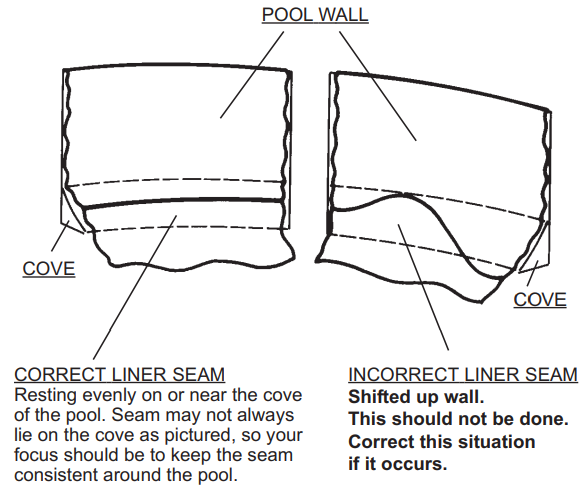
A pool liner should fit snugly against the pool’s walls. When there are gaps, bubbles, or loose areas, it can look strange and may lead to problems. Sometimes, the issue is minor and easy to fix. Other times, it can signal something serious.
There’s no one-size-fits-all answer. Each pool is different, so you need to know what causes this issue and how to handle it.
This article will explain why your pool liner might not be touching the wall, what problems it can cause, and how to fix it. You’ll also learn how to prevent this from happening in the future. If you’re a new pool owner or a seasoned pro, this guide will help you protect your investment and enjoy your pool for years to come.
Understanding Pool Liners And Their Purpose
A pool liner is more than just a pretty surface. In both above-ground and in-ground pools, the liner acts as a waterproof barrier. It keeps water inside and protects the pool’s structure. Pool liners are usually made from vinyl because it’s flexible, durable, and affordable.
A proper liner fit means:
- The liner is smooth and tight against every wall and the floor.
- There are no air pockets, loose spots, or wrinkles.
When your pool liner pulls away from the wall, it can create visible gaps or bubbles. These might appear suddenly or develop slowly over time.
Why does this matter? When the liner isn’t touching the wall, it’s not supporting the water pressure as it should. This can lead to wear, damage, and even leaks. In the worst cases, you might need a costly replacement.
Common Causes Of Pool Liner Not Touching Wall
Let’s look at the main reasons why your pool liner may separate from the wall. Each cause has its own signs and solutions.
1. Incorrect Liner Size Or Poor Installation
One of the most frequent causes is a liner that’s the wrong size for your pool. If the liner is too large, it can wrinkle and fail to touch the walls properly. If it’s too small, it may pull away under pressure.
Sometimes, even a correctly sized liner is installed poorly—maybe not stretched evenly, or not locked into the coping track.
Key signs:
- Loose or baggy areas
- Wrinkles, especially soon after installation
- Edges not locked into place
What happens: Gaps allow water to get behind the liner. Over time, this can lead to mold, algae, or even rust in metal-walled pools.
2. Water Loss Or Low Water Level
A drop in water level changes the pressure inside your pool. When the water isn’t pressing the liner against the wall, the liner can slip, sag, or form air pockets.
Key signs:
- Gaps or bubbles near the waterline
- Liner moving more when pool is partially drained
What happens: The liner loses its support. If the water drops too much, the liner may even collapse inwards. This is more common in above-ground pools.
3. Groundwater And Hydrostatic Pressure
Groundwater can push up against your pool from the outside. When the water table around your pool rises—such as after heavy rain—the outside pressure can force the liner away from the wall.
Key signs:
- Bubbles or floating spots on the liner, especially after rain
- Water under the liner when you step on it
What happens: Hydrostatic pressure lifts the liner, sometimes called “floating liner.” This is a serious problem for in-ground pools, especially in areas with a high water table.
4. Liner Age And Material Stretching
Vinyl liners do not last forever. Over time, they stretch, lose their shape, and become brittle. This natural aging process can make the liner shrink away from the wall.
Key signs:
- Liner feels loose, brittle, or faded
- Gaps appear over months or years, not suddenly
What happens: The liner can no longer stay tight, and gaps form. Old liners are more likely to tear if you try to force them back into place.
5. Chemical Imbalance
Pool water must be balanced. Too much chlorine, very acidic or alkaline water, or high levels of calcium can damage vinyl. Damaged liners lose flexibility and shrink.
Key signs:
- Brittle, cracked, or faded liner
- Edges pulling away near waterline
What happens: The liner becomes less elastic and cannot stay tight against the wall.
6. Wall Or Floor Movement
If the pool structure shifts—due to settling, freeze/thaw cycles, or poor construction—the liner can lose its support. Sometimes, the wall itself bends or rusts, pulling away from the liner.
Key signs:
- Gaps appear suddenly, sometimes after a storm or earthquake
- Cracks in pool deck or walls
What happens: The liner cannot stay in place if the wall behind it moves.
7. Air Behind The Liner
Air can sometimes get trapped behind the liner during installation, or from leaks in the wall. This creates bubbles and prevents the liner from touching the wall.
Key signs:
- Raised, soft bubbles on liner
- No water behind the liner, just air
What happens: The liner floats away from the wall in spots, but may settle back over time.
8. Liner Track Problems
The liner track (also called coping) is what holds the liner in place. If the track is damaged, bent, or blocked with debris, the liner can slip out.
Key signs:
- Liner edge visible above coping
- Liner pulls out in one area first
What happens: The liner slowly separates from the wall, creating gaps.
9. Sharp Objects Or Tree Roots
Sharp rocks, tree roots, or debris under or behind the pool can push against the liner. This may force the liner away from the wall or even puncture it.
Key signs:
- Raised spots or lumps under the liner
- Gaps forming near the problem area
What happens: The liner loses its even support and gaps form.
10. Diy Mistakes
Trying to fix a liner yourself, or draining the pool without proper steps, can make things worse. Pulling the liner, using heat, or chemical treatments can stretch or shrink the vinyl.
Key signs:
- Gaps or wrinkles right after a repair attempt
- Liner looks uneven or misshapen
What happens: Improper fixes often create new problems.
Risks Of A Pool Liner Not Touching The Wall
When your pool liner pulls away, it’s not just about looks. This issue brings several risks.
1. Leaks And Water Loss
Gaps let water slip behind the liner. Over time, this can cause slow leaks that are hard to spot. In metal-walled pools, this can also lead to rust and corrosion.
2. Liner Damage
A liner not supported by the wall is more likely to tear or puncture. Even small gaps can lead to bigger holes, especially if swimmers push on the liner.
3. Algae And Mold Growth
Water trapped behind the liner creates a perfect spot for algae and mold. These can spread quickly and may stain the liner. Moldy pools are unhealthy and smell bad.
4. Shorter Liner Life
A liner that isn’t tight will wear out faster. Sunlight, chemicals, and movement all speed up aging. This means you’ll need a new liner sooner, which can be expensive.
5. Structural Problems
When the liner isn’t supporting the water pressure, the pool walls have to do more work. Over time, this can cause bending, rust, or cracks—especially in above-ground pools.
6. Safety Hazards
Loose liners can create tripping hazards for swimmers. If the liner suddenly collapses, it can pull someone under or cause panic, especially for children.
Diagnosing The Problem: How To Tell Why Your Liner Isn’t Touching
Finding the real reason for gaps is important before you try to fix anything. Here’s how you can check:
- Visual inspection: Walk around your pool. Look for loose spots, bubbles, or wrinkles.
- Touch test: Feel the liner. Is there water or air behind it? Does it feel soft or brittle?
- Check water level: Has your pool lost water lately? Check for leaks or evaporation.
- Inspect coping and track: Look for loose, broken, or bent areas at the pool’s edge.
- Review liner age: If your liner is over 8 years old, age may be a factor.
- Ask about recent weather: Heavy rain or flooding can raise groundwater.
- Check for structural movement: Look for cracks or shifts in the pool deck or walls.
If you’re not sure, it’s wise to call a pool professional. They have tools to check for leaks, liner condition, and wall movement.
How To Fix A Pool Liner Not Touching The Wall
The right solution depends on what’s causing the problem. Here’s how to fix the most common issues.
1. Resetting A Loose Liner
If the liner is loose but not damaged, you may be able to reset it:
- Warm the liner: On a sunny day, the vinyl becomes more flexible. Use warm water or a hair dryer on low (never a heat gun) to soften the area.
- Gently stretch: With clean hands, gently pull the liner towards the wall.
- Reset into track: If the liner has slipped out of the coping, use a liner lock (plastic wedge) to hold it in place. Avoid using sharp tools.
This works best for small, recent gaps.
2. Refilling The Pool
If low water level caused the liner to pull away, refill the pool to normal level. As the water rises, gently smooth out wrinkles or gaps by pushing the liner outward with a soft brush.
Pro tip: Don’t drain your pool fully unless a pro says it’s safe. Most vinyl pools should not be empty for long.
3. Removing Water Or Air Behind The Liner
If you have water behind the liner, you may need to:
- Use a submersible pump to lower the water table outside the pool.
- Use a vacuum to suck air or water from behind the liner. Some pools have a “vac line” for this purpose.
- In severe cases, call a professional with experience handling floating liners.
Never cut the liner to remove water, as this almost always creates a leak.
4. Patching Holes Or Tears
If the gap is caused by a hole, use a vinyl liner repair kit. These kits work underwater and include a patch and glue. Make sure the area is clean and dry (if possible) before applying.
5. Repairing The Liner Track
If the coping or liner track is broken:
- Clean out any debris
- Replace damaged track pieces
- Use a liner lock to keep the liner in place
If the track is badly damaged, a professional repair may be needed.
6. Addressing Structural Problems
If the pool wall is bent, rusted, or moving, do not try to fix this yourself. Call a pool builder or contractor. They may need to reinforce, replace, or rebuild part of the pool.
7. Dealing With Old Or Shrunken Liners
If the liner is over 8-10 years old, brittle, or shrunken, it’s usually best to replace it. Trying to stretch an old liner often leads to tears.
8. Preventing Sharp Objects Or Roots
If you suspect roots or rocks are pushing the liner, remove the source if possible. This may mean digging next to the pool or installing a root barrier.
9. Handling Chemical Damage
If chemical imbalance caused the liner to shrink, fix the water balance first. Sometimes, soaking the liner in warm water can help it relax, but often, replacement is needed.
10. When To Call A Professional
If you’re unsure, the gaps are large, or you see structural damage, call a certified pool technician. They have the tools and experience to fix the problem safely.
Preventing Pool Liner Separation: Best Practices
Prevention is always better (and cheaper) than repair. Here’s how to keep your liner tight and safe.
1. Choose The Right Liner And Installer
- Measure your pool carefully.
- Use a liner designed for your pool shape and size.
- Hire an experienced installer with good reviews.
A well-fitted liner is less likely to develop gaps.
2. Keep Water Level Consistent
- Never drain the pool below the skimmer unless needed.
- Top off water after heavy use or evaporation.
Consistent water pressure helps keep the liner in place.
3. Balance Pool Chemicals
- Test water every week.
- Keep pH between 7.2 and 7.8.
- Keep chlorine at recommended levels.
Balanced water protects vinyl from shrinking or cracking.
4. Watch For Signs Of Groundwater
- After heavy rain, check for bubbles or floating spots.
- Install a sump pump if groundwater is a regular problem.
5. Inspect Regularly
- Walk around your pool every few weeks.
- Look for wrinkles, bubbles, or loose spots.
Early detection means cheaper fixes.
6. Protect The Pool Perimeter
- Remove trees or large roots near the pool.
- Check for rocks or debris under the liner before installation.
7. Use Liner Locks
- Add liner locks in corners or high-stress areas.
- These plastic wedges help hold the liner in place.
8. Avoid Diy Draining
- Never drain your pool fully without checking with a pro.
- If you must drain, refill quickly and watch the liner for movement.
9. Replace Old Liners On Time
- Most liners last 8-12 years.
- Replace before it becomes brittle or faded.
10. Fix Small Problems Early
- Patch small holes and reset loose spots quickly.
- Waiting can turn a small fix into a big repair.
Credit: www.creativesafetysupply.com
Pool Liner Not Touching Wall: Real-world Examples
Let’s look at a few real scenarios to see how these problems play out.
Example 1: Above-ground Pool, Sudden Sag
A homeowner noticed their above-ground pool liner sagging after they drained water for cleaning. After refilling, the liner never touched the wall again and developed wrinkles. The cause? The liner was old and shrank when it dried out. Solution: The liner was replaced, and the pool was refilled quickly to keep it tight.
Example 2: In-ground Pool After Heavy Rain
After a week of storms, a family noticed large bubbles on the pool floor. When stepping on them, water squished under the liner. Groundwater had pushed the liner up. The fix involved pumping out the groundwater and gently resetting the liner with a pool vacuum.
Example 3: Liner Pulls Out During Winter
A pool owner closed their pool for winter and the water level dropped. When opening in spring, the liner had pulled out of the track. The repair involved warming the liner with hot towels, stretching it, and securing it with a liner lock.
Comparing Solutions: Diy Vs Professional Repair
Here’s a quick comparison of when you can fix a pool liner issue yourself and when you should call an expert:
| Situation | DIY Fix | Professional Needed |
|---|---|---|
| Small wrinkles or gaps | Yes | No |
| Refitting liner into track | Sometimes | Yes, if track is damaged |
| Groundwater issues | No | Yes |
| Old or brittle liner | No | Yes (replacement) |
| Wall/floor movement | No | Yes |
Signs Your Liner Needs Replacement Vs. Repair
Not all liner problems mean you need a new one. Here’s a comparison to help decide:
| Repair | Replace |
|---|---|
| Small gaps or wrinkles | Liner older than 10 years |
| Punctures less than 2 inches | Brittle, faded, or cracked vinyl |
| Liner pulled out of track | Multiple leaks/repairs needed |
| Minor chemical damage | Liner no longer fits after stretching/shrinking |
What Pool Owners Miss: Non-obvious Insights
Many pool owners focus only on the liner, missing other important factors:
- External water pressure matters. Even if your pool is perfect, heavy rains or a rising water table can float your liner. Installing a sump well or drainage can be crucial in wet areas.
- Pool usage habits matter. Jumping, horseplay, or sharp pool toys can loosen the liner over time. Setting pool rules protects your liner.
- Climate and season affect liner fit. Vinyl expands in heat and contracts in cold. Sometimes, liner gaps appear in spring but disappear by summer.
- Subtle leaks are hard to spot. Losing as little as a quarter-inch of water a day can signal a leak. Mark your water level and check weekly.
- Professional inspection saves money. An expert can spot small problems before they become big repairs, often for less than $200—a smart investment.

Credit: www.amazon.com
Frequently Asked Questions
What Causes A Pool Liner To Pull Away From The Wall?
A pool liner can pull away due to incorrect liner size, poor installation, low water level, groundwater pressure, or old age. Sometimes, chemical damage or wall movement is the cause. Each situation needs a different fix.
How Dangerous Is It If My Pool Liner Is Not Touching The Wall?
It can lead to leaks, algae growth, or even pool wall damage. Small gaps can become big problems if ignored. It’s best to address the issue quickly.
Can I Fix A Loose Pool Liner Myself?
You can fix small gaps, wrinkles, or reset the liner in the coping track using warm water and liner locks. But for structural problems, groundwater, or old liners, it’s safer to call a professional.
Credit: knowledgebase.royalswimmingpools.com
How Do I Know If Water Is Behind My Pool Liner?
Step on the bubble or loose area. If you feel water squishing or see ripples, there is likely water behind the liner. If it feels like air, it may be trapped air from installation.
How Long Do Pool Liners Usually Last?
Most vinyl pool liners last 8–12 years. High-quality liners and good maintenance can extend this, but chemical imbalance and UV exposure will shorten their life.
For more technical details and pool liner care tips, you can visit the Wikipedia Swimming Pool page.
If your pool liner is not touching the wall, don’t panic. With the right steps, you can solve most problems and protect your pool for many summers to come. Regular checks, prompt repairs, and understanding the causes will keep your pool safe, healthy, and looking great.