
When you’re planning a swimming pool, there’s one detail many people overlook: pool pump distance from pool. The right distance can make your pool efficient, quiet, and safe. If you get it wrong, you might waste energy, face noisy operation, or even break local codes. Homeowners, installers, and pool builders often ask, “How far should my pool pump be from the pool?” The answer is not always simple—because it depends on safety, efficiency, local rules, noise, and even the shape of your backyard. This article dives deep into all the factors, so you’ll know exactly what to do.
What Is Pool Pump Distance, And Why Does It Matter?
A pool pump is the heart of your pool’s circulation system. It pulls water from the pool, pushes it through the filter, and returns clean water. The distance from pool means the horizontal space between the pool’s edge and the pool pump.
Why does this distance matter? Because it impacts:
- Water flow efficiency
- Pump performance and lifespan
- Noise near relaxation areas
- Safety and electrical code compliance
- Ease of maintenance
If the pump is too far, the motor works harder. If it’s too close, noise and splashing can be a problem. There are also local codes to follow.
Industry Standards And Local Codes
General Recommendations
Most pool professionals suggest keeping the pool pump as close to the pool as possible—usually 3 to 10 feet away. However, this is not a fixed rule.
- 3-5 feet is common for most backyard pools.
- Beyond 10 feet can lead to pressure loss and higher electricity bills.
Local Building Codes
Every city or county may have its own rules. For example:
- In many places, minimum distance is 3 feet from the pool’s edge.
- Some codes require the pump to be at least 5 feet from the water’s edge for electrical safety.
- You may need a permit for pump installation.
Always check with your local building department before setting up your pump.
National Electrical Code (nec) Guidance
The NEC often requires pool electrical equipment to be at least 5 feet from the inside wall of the pool unless certain safety measures (like a fixed barrier) are in place.
Non-obvious insight: Even if your city doesn’t enforce NEC, your insurance might require it.
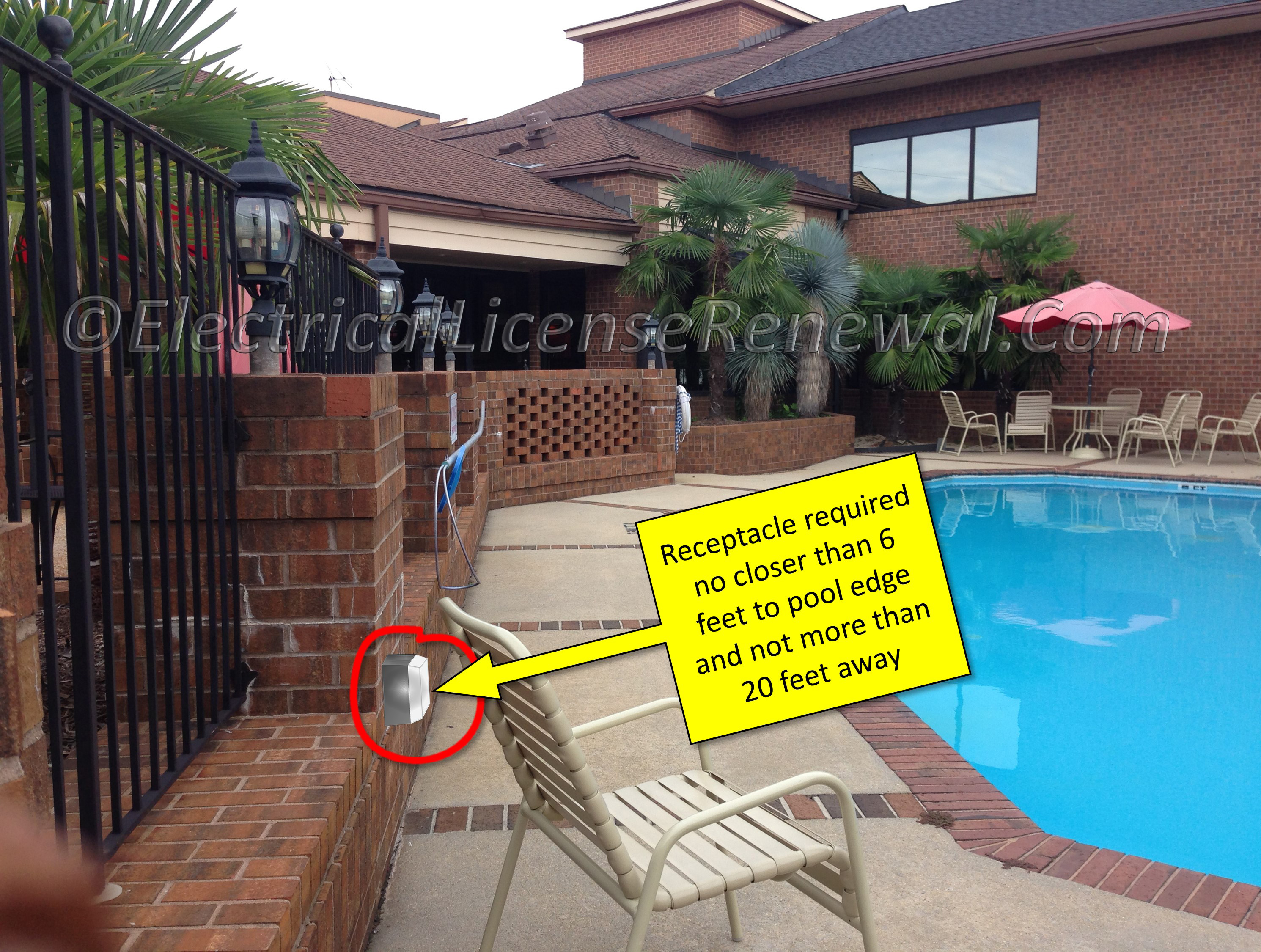
Credit: www.electricallicenserenewal.com
How Pump Distance Affects Performance
Hydraulic Efficiency
The farther your pool pump is from the pool, the harder it has to work to move water. This is due to friction loss inside the pipes.
- Every 10 feet of extra pipe adds resistance.
- This can reduce water flow by 1-3% per 10 feet.
Energy Use
A longer distance means the pump runs longer and uses more electricity. Over time, this can cost hundreds more per year, especially with large pools.
Pump Sizing
If you must place your pump far from the pool (say, over 20 feet), you may need a larger pump or wider pipes to keep water flowing properly.
Example Table: How Distance Affects Flow
Here’s a rough idea of how distance impacts water flow for a standard 1.5 HP pool pump:
| Distance from Pool | Estimated Flow Rate (GPM) | Energy Use |
|---|---|---|
| 5 feet | 70 GPM | 100% |
| 15 feet | 65 GPM | 105% |
| 30 feet | 60 GPM | 110% |
GPM: Gallons per minute. Energy use is relative to the minimum needed at 5 feet.
Noise And Vibration
A pool pump placed too close can create unwanted noise near your pool deck or patio. Pumps vibrate and can cause resonance through nearby concrete or decks. Placing the pump at least 3-5 feet away reduces this problem.
Factors That Influence The Ideal Distance
Every yard and pool is unique. Consider these factors before deciding:
1. Pool Size And Shape
Large pools with long runs of pipe may need the pump closer to the pool to keep water moving efficiently. Odd-shaped pools (like L-shapes) can create longer pipe runs, which increases resistance.
2. Type Of Pool Equipment
- Saltwater systems or heaters might require special placement for proper chemical mixing or heating efficiency.
- Additional features (waterfalls, spas) may need the pump closer to the pool.
3. Available Space And Landscape
Some backyards have tight spaces. You may need to fit the pump between the house and a fence. Try to keep a straight pipe run from the skimmer to the pump for best results.
4. Electrical And Plumbing Access
The pump needs power and plumbing. Placing it near existing utilities can save on installation costs and avoid the need for extra trenches.
5. Local Climate And Weather
If you live in a cold climate, you might want the pump closer to the house for winterizing. In hot, humid areas, placing the pump where it gets airflow can prevent overheating.
6. Maintenance Access
You’ll need to clean the pump basket and check the filter. Make sure there’s at least 2-3 feet of workspace around the pump for easy maintenance.
7. Aesthetics And Noise
Nobody wants a loud pump next to their lounge chairs. Hide the pump behind landscaping or a small barrier, but keep it accessible.
Non-obvious insight: Placing the pump further away may seem quieter, but longer pipes can “transmit” pump noise underground.
Typical Pool Pump Distance Scenarios
Let’s look at some common setups:
Standard Backyard Pool
- Pump Distance: 3-5 feet from the pool’s edge
- Why: Shortest run for pipes, easy maintenance, meets most codes
In-ground Pool With Large Yard
- Pump Distance: 10-20 feet (often near a fence or shed)
- Why: Keeps pump out of sight, but requires larger pipes or pumps to compensate for friction loss
Above-ground Pool
- Pump Distance: 2-5 feet, usually right next to the pool
- Why: Above-ground pumps are not self-priming, so they need to be close and below water level
Pools With Multiple Features
- Pump Distance: 5-15 feet, depending on where the plumbing for extra features (jets, waterfalls) enters the system
- Why: Shorter runs for water features mean better performance
Comparing Short Vs. Long Pump Distances
Here’s a summary to help you visualize the trade-offs.
| Pump Distance | Pros | Cons |
|---|---|---|
| 3-5 feet | Best efficiency; easy maintenance; less energy use | May be noisy; visible equipment |
| 10-15 feet | Quieter pool area; hides equipment | Some loss of efficiency; higher install cost |
| 20+ feet | Very quiet; completely hidden equipment | Biggest friction loss; more powerful pump needed; highest energy cost |
How To Measure And Plan Your Pool Pump Distance
Step 1: Map The Pool And Equipment Area
Draw your pool and property layout. Mark:
- Pool edge
- Power source
- Water return and skimmer location
- Obstacles (trees, fences, walls)
Step 2: Plan The Shortest Pipe Runs
The best setup uses straight, short pipes between pool and pump. Every extra foot and every turn (elbow) reduces water flow.
Step 3: Check Local Codes
Look up your city or county’s pool equipment rules. If unsure, call your building department or check their website.
Step 4: Consider Electrical Requirements
The pump needs a GFCI-protected outlet and bonding. Make sure the electrical line is the right distance and uses the correct wire gauge for the run.
Step 5: Think About Noise And Visibility
Decide if you want the pump out of sight or in a utility area. If you hide it, make sure you don’t make maintenance too hard.
Step 6: Allow Maintenance Access
Leave space for you or a service technician to access the pump, filter, and valves. Don’t box the equipment in with walls or plants.
Step 7: Confirm With A Pro
Before you dig or pour a pad, have a pool installer or plumber check your plan. They’ll know if your pipe runs are too long or your pump is oversized or undersized.
Common Mistakes When Placing Pool Pumps
Even experienced installers sometimes get pump distance wrong. Here are mistakes to avoid:
- Ignoring Local Codes: Some people put the pump too close or too far, only to find out during inspection that it’s not allowed.
- Long, Twisting Pipes: Long or winding pipes add friction and make the pump work harder.
- Too Close to the Pool: Pumps right next to the pool can be loud and splash-prone.
- Noisy Locations: Putting the pump near bedrooms or patios can lead to complaints.
- Hard to Reach for Maintenance: If you can’t access valves and baskets, every cleaning is a hassle.
- Forgetting About Drainage: Pumps too close to the pool can flood during heavy rain.
- No Room for Future Upgrades: Leave space in case you want to add a heater or a salt system later.
Non-obvious insight: People sometimes forget that a pool heater or salt cell needs more space, so plan for all future equipment now.

Credit: www.reddit.com
Real-world Examples
Example 1: Suburban Pool With Tight Space
Maria wanted her pump hidden behind a hedge 20 feet from the pool. Her installer explained this would require a bigger pump and larger pipes, costing $800 more. They compromised with a 10-foot distance, landscaped with shrubs, and kept costs down.
Example 2: Pool Next To A Patio
Jake put his pump only 3 feet from his pool, right beside his deck. The first summer, he regretted it: the noise made evening swims less relaxing. He later built a small sound barrier, which helped, but wishes he’d planned better.
Example 3: Saltwater System
A hotel pool used a saltwater system and placed the pump 7 feet from the pool, but left space for a future heater. This made equipment upgrades easy later without major plumbing changes.
Tips For Reducing Noise And Improving Efficiency
If you want your pool to be both quiet and efficient:
- Use flexible pipe insulation to dampen vibration
- Pour a solid concrete pad under the pump to absorb sound
- Use sweeping elbows (not sharp 90-degree turns) in plumbing
- Add a small fence or enclosure for sound control, but ensure airflow
- Keep pipes as straight and short as possible
When Longer Distance Makes Sense
While short runs are usually best, sometimes a long run (over 15 feet) is better:
- For aesthetics, if you want to completely hide the equipment
- When local codes or HOA rules require pumps away from the pool
- For safety, especially with small children or pets
- If you plan to build a pool house or equipment room in the future
In these cases, use larger diameter pipes (2-inch or more) to keep friction loss low.
Upgrading Or Moving An Existing Pool Pump
If you already have a pool and want to move your pump:
- Check if your current pump is sized for a longer run
- Consider upgrading to a variable speed pump, which adjusts to longer pipe runs and saves energy
- Reroute pipes with minimal bends and the largest diameter possible
- Confirm all electrical work is up to code
Non-obvious insight: Many older pools use 1.5-inch pipe, which is less efficient for long runs. Upgrading to 2-inch pipe can save energy and improve flow.
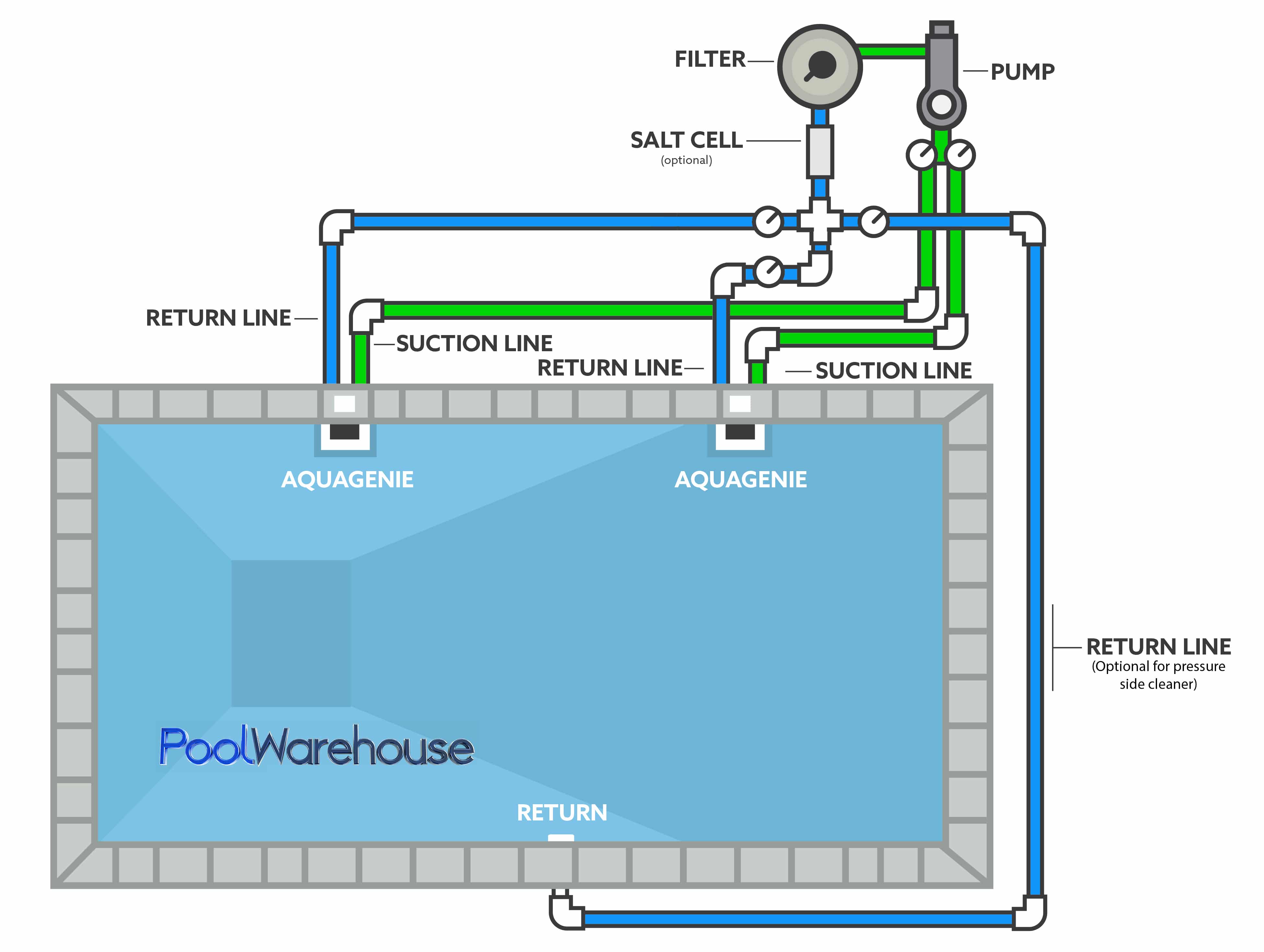
Credit: www.poolwarehouse.com
Pool Pump Placement For Special Pool Types
Above-ground Pools
Above-ground pool pumps must be close and below water level. They are not self-priming, so even a few feet too high can cause the pump to lose its prime.
In-ground Pools With Water Features
You may need separate pumps for fountains, waterfalls, or spas. Place these pumps as close to their feature as possible for best results.
Commercial Pools
Larger pools often have pumps in dedicated rooms, sometimes 30 feet or more from the pool. These systems use large diameter pipes and powerful pumps to compensate.
Cost Impact Of Pool Pump Distance
Every extra foot of pipe and every extra elbow increases installation cost. Here’s a rough breakdown:
| Pump Distance | Extra Installation Cost | Annual Energy Cost Increase |
|---|---|---|
| 5 feet | $0 (baseline) | $0 |
| 15 feet | $150–$300 | $30–$50 |
| 30 feet | $400–$700 | $70–$120 |
This is why most installers try to keep the pump as close as practical.
Safety And Legal Considerations
- Bonding and Grounding: Pumps must be properly bonded and grounded to prevent electric shock.
- Barriers: If the pump is less than 5 feet from the pool, some codes require a permanent barrier (like a wall).
- Flooding: Don’t install pumps where water will collect or flood.
- Permits: Many cities require a permit and inspection for pump installation.
Always hire a licensed electrician and pool installer for any electrical or plumbing work.
Practical Steps For Homeowners
- Decide on your priorities: Efficiency, quiet, or hidden equipment?
- Sketch your pool area: Mark all obstacles and utilities.
- Check local rules: Don’t assume—get the facts from your city or county.
- Consult professionals: Pool builders and electricians know the codes.
- Plan for the future: Leave space for heaters, salt systems, or automation.
- Inspect after install: Make sure everything is easy to reach and works as expected.
External Resource
For more on pool pump installation and safety, see the National Electrical Code (NEC).
Frequently Asked Questions
How Close Can A Pool Pump Be To The Pool?
In most areas, a pool pump should be at least 3 to 5 feet from the pool’s edge. Some local codes require a minimum of 5 feet for electrical safety. Always check local regulations before installing.
Is It Bad To Have The Pool Pump Far From The Pool?
A pool pump that is too far (over 15–20 feet) can cause water flow loss and higher energy bills. You may need a larger pump or wider pipes. It’s best to keep the pump as close as possible, unless you have a special need to place it further away.
Can I Put The Pool Pump In A Shed Or Enclosure?
Yes, but make sure the shed is ventilated and large enough for maintenance. Do not block airflow, as pumps can overheat. Also, check that electrical codes allow for indoor placement.
Does A Longer Pump Distance Increase Pool Noise?
Not always. A pump right next to the pool can be noisy for swimmers. But long underground pipes can sometimes carry vibration and noise to other parts of the yard. Use a solid pad and flexible connectors to reduce this.
What Size Pipe Do I Need For A Long Pump Run?
If your pump is more than 15 feet from the pool, use at least 2-inch diameter pipe for both suction and return lines. This reduces friction loss and keeps your pump working efficiently.
Getting your pool pump distance from pool right is one of the smartest choices you can make for energy savings, quiet operation, and easy maintenance. With the right planning and a little expert help, your pool will be a pleasure for years to come.