
Collecting rainwater is an old idea, but today, more people are using rain barrels to save water and money. You might wonder: can you use a rain barrel to fill your pool? This is a creative question, and the answer depends on many things. Filling a swimming pool with rainwater sounds good for the planet, but it also comes with challenges. If you want to understand how much rain you need, what equipment you need, and how to use rainwater safely for your pool, this article will guide you step by step. We’ll look at practical advice, real numbers, and tips to help you decide if this method is right for you.
Why Use Rain Barrels For Pool Filling?
Rain barrels collect water that would normally run off your roof and disappear. By using this free water, you can:
- Save money on your water bill, especially if your pool is large.
- Help the environment by reducing demand on city water.
- Avoid water restrictions during dry seasons.
- Make use of a natural resource that often goes to waste.
Many pool owners are surprised at how quickly their pool water evaporates or needs to be replaced. Using rainwater can be a smart solution, but it’s not as simple as just dumping water from a barrel into your pool. There are important things to consider before you start.
How Rain Barrels Work
A rain barrel is a container, usually 50 to 100 gallons, that connects to your home’s gutter system. When it rains, water travels down your gutters and fills the barrel. Most barrels have a spigot at the bottom for easy access.
Some people connect multiple barrels together for more storage. Others use larger tanks called cisterns if they want to collect thousands of gallons.
Basic Setup
- Place the barrel under a downspout.
- Make sure it has a screen to keep out debris and insects.
- Use a secure lid for safety.
- Attach a hose or pump to remove water.
Tip: Always place your rain barrel on a sturdy, level surface. Water is heavy—a full 55-gallon barrel weighs over 450 pounds.
How Much Rainwater Can You Collect?
The amount of rainwater you can collect depends on your roof size, the amount of rainfall, and the storage capacity of your barrels.
Rainwater Collection Formula
For every 1 inch of rain on 1,000 square feet of roof, you can collect about 623 gallons of water.
Example Calculation:
- If your roof is 2,000 sq ft and you get 2 inches of rain:
- 2,000 sq ft x 2 in x 0.623 = 2,492 gallons
If your barrel only holds 55 gallons, you’ll need to empty it often or connect more barrels to catch all the water.
Real Numbers For A Pool
A small above-ground pool (10 feet diameter, 3 feet deep) holds about 1,760 gallons. A larger in-ground pool (15 x 30 feet, 4 feet deep) can hold 13,500 gallons or more.
This means filling even a small pool with rain barrels takes planning—and a lot of barrels or storage tanks.
Equipment Needed
To use rain barrels to fill a pool, you need more than just a barrel and a hose. Here’s a list of the main equipment:
- Rain barrels or cisterns (the more, the better)
- Gutter diverter to direct water into barrels
- Mesh screen to keep out leaves and insects
- Pump to move water from barrel to pool
- Hoses (garden hose or pool-grade hose)
- First-flush diverter (optional, for cleaner water)
- Water testing kit (for safety)
- Filtration system (see below)
Insight: Most beginners forget about the pump. Gravity alone is not enough unless your barrel is much higher than the pool.
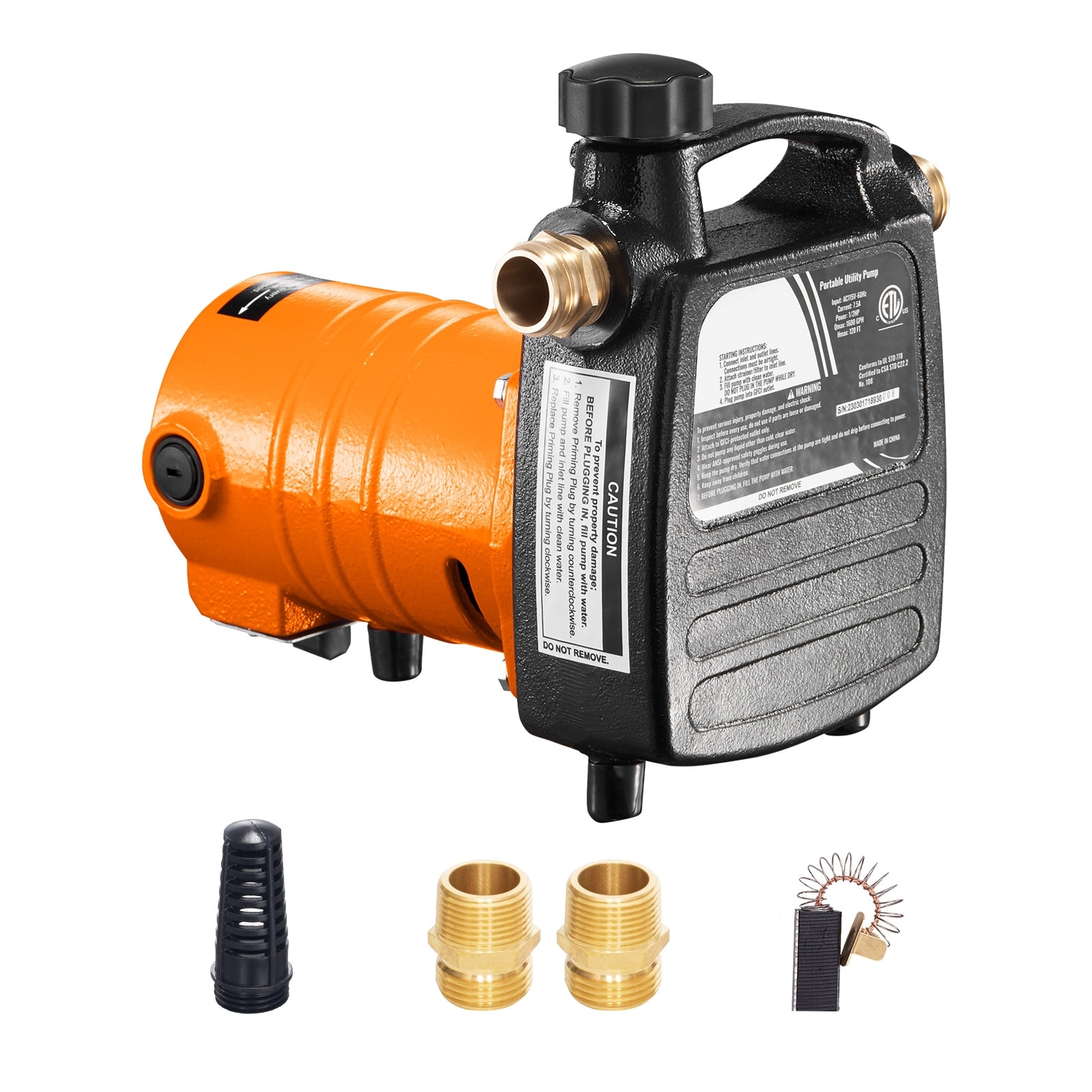
Credit: www.bedbathandbeyond.com
How To Set Up A Rain Barrel System For Pool Filling
Step 1: Estimate How Much Water You Need
First, check your pool size. Know how many gallons you want to add. You may not fill the pool all at once—many people just top off their pool with rainwater to replace water lost to evaporation.
Step 2: Set Up Collection Barrels
Install barrels under your roof’s downspouts. For larger pools, consider a cistern (500 gallons or more). You can connect multiple barrels with hoses at the bottom so they fill and empty together.
Step 3: Add A First-flush Diverter
The first rain after a dry spell washes dust, leaves, and bird droppings off your roof. A first-flush diverter is a device that captures the first few gallons and sends them away from your barrel. This helps keep the water cleaner.
Step 4: Filter The Water
Rainwater from the roof can pick up dirt, bacteria, and chemicals. Before adding to your pool, run it through a filter. You can use:
- A sediment filter (removes sand and dirt)
- A carbon filter (removes chemicals and smells)
- UV light (kills bacteria and algae)
Non-obvious tip: Even “clean” rainwater can have pollen, small insects, or mold spores. Don’t skip filtration.
Step 5: Pump Water Into The Pool
Rain barrels are usually at ground level. Use a pump to move water from the barrel to the pool. A small submersible pump works fine for most home systems.
Step 6: Test And Treat The Water
After filling or topping up your pool with rainwater, always test the water for:
- PH level
- Chlorine or sanitizer level
- Alkalinity
Adjust chemicals as needed. Rainwater is usually soft and may lower your pool’s pH.
Step 7: Regular Maintenance
Clean your barrel and filters every few weeks. Check for leaks and make sure the system is safe for pets and children.
How Long Would It Take To Fill A Pool With Rain Barrels?
Filling a pool with rain barrels takes time. Here’s why:
- Most barrels are only 50–100 gallons.
- Even a small pool needs 1,000+ gallons.
- Rainfall is not always predictable.
Let’s look at a quick example:
| Pool Size | Gallons Needed | Barrel Size | Number of Barrels to Fill Once |
|---|---|---|---|
| Small kiddie pool | 300 | 55 gal | 6 |
| Above-ground pool | 1,760 | 55 gal | 32 |
| Large in-ground pool | 13,500 | 55 gal | 246 |
As you can see, unless you have lots of barrels or a large cistern, you’ll likely use rainwater to top up your pool instead of filling it from empty.

Credit: www.amazon.com
Safety And Water Quality Concerns
Rainwater looks clean, but it can carry bacteria, parasites, and chemicals from your roof. Pool water must be safe for swimming, so you need to filter and treat it.
Common Contaminants
- Bird or animal droppings (can cause illness)
- Dust and pollen (cloud the water)
- Asphalt or tar from roofing materials
- Metal particles from old gutters
- Chemicals from pesticides
Warning: Never fill your pool with rainwater collected from roofs treated with lead paint, old tar, or where animals nest.
How To Make Rainwater Safe For Pools
- Use a fine mesh or sediment filter for solids.
- Consider a charcoal or carbon filter for chemicals.
- Use UV sterilization or chlorine to kill bacteria.
- Always test pool water after adding rainwater.
Practical advice: Some pool owners install a separate rainwater filter system before the water reaches the pool. Others use a portable pool filter to “polish” the water after it’s in the pool.
Comparing Rainwater, Tap Water, And Well Water For Pools
How does rainwater stack up against other sources? Here’s a quick comparison:
| Source | Pros | Cons |
|---|---|---|
| Rainwater | Free, soft, eco-friendly | May carry debris, bacteria; needs filtration |
| Tap water | Clean, reliable, treated | Costs money, may contain chlorine/chloramine |
| Well water | Free (except electricity), usually plenty | May have minerals, iron, or bacteria |
Rainwater is soft (low in minerals), which is good for pools, but it’s often “raw” and needs more treatment than tap water.
Legal And Local Rules
Before you start, check your local laws. Some places restrict rainwater harvesting, especially in dry regions. Others encourage it and even offer rebates.
- In Colorado, for example, homeowners can collect up to 110 gallons.
- In Texas and California, rainwater collection is encouraged for conservation.
- Some cities have building codes about where and how barrels can be installed.
Non-obvious insight: You may need a permit for very large tanks or for connecting rainwater to your home plumbing.
Cost And Savings
Setting up a rain barrel system costs money at the start, but can save you over time.
Typical Costs
- 55-gallon rain barrel: $80–$150
- Large cistern (500+ gallons): $500–$2,000
- Pump: $60–$200
- Filtration system: $50–$300
- Hoses and fittings: $20–$100
If you use city water to fill a 10,000-gallon pool at $0. 015 per gallon, you pay $150. Using rainwater can save this money every time you fill or top off your pool.
But: Most people find that rain barrels alone don’t provide enough storage for a full pool fill, unless you live in a very rainy area or have a huge tank.
Step-by-step Example: Filling A Small Pool With Rain Barrels
Let’s walk through a real-life example.
The Situation
- You have a 1,200-gallon above-ground pool.
- Your roof is 2,000 sq ft.
- You live in an area that gets 36 inches of rain per year (about 3 inches per month in rainy season).
- You have four 55-gallon barrels (total 220 gallons).
The Process
- Each inch of rain gives you about 1,246 gallons (2,000 x 0.623).
- Your four barrels fill up after every strong rain (220 gallons).
- It would take about six full barrel “cycles” to collect enough water to fill the pool.
- Over a typical rainy month, you could collect enough to fill the pool if you empty your barrels after each rain.
- You filter, pump, and test the water before adding.
Key lesson: Storage is the main limit. If you don’t empty your barrels often, you miss collecting extra rain.
Best Practices For Using Rain Barrels To Fill Pools
- Install multiple barrels to maximize storage.
- Use a first-flush diverter for cleaner water.
- Filter water before adding to the pool.
- Test pool water after adding rainwater.
- Plan for slow filling—don’t expect to fill a large pool overnight.
- Clean barrels regularly to prevent algae and mosquito growth.
- Check local regulations before starting.
Common Mistakes To Avoid
- Assuming one or two barrels will fill a large pool (storage is the main limit).
- Skipping water testing after adding rainwater.
- Not filtering or treating water (leads to cloudy or unsafe pool water).
- Using barrels with no overflow system (causes flooding around your house).
- Not securing the barrel (can tip over or be a safety hazard).
When Is Using Rain Barrels For Pools A Good Idea?
This system makes the most sense if:
- You want to save on water bills for topping off your pool.
- You live in a rainy area.
- Your pool is small or you only need to add water sometimes.
- You care about the environment and want to conserve water.
It’s less practical for filling large pools from empty, unless you have a large cistern and lots of rain.
Real-life Stories
Many people use rain barrels to keep their pool topped up. For example, a family in Oregon connected three 55-gallon barrels and used a small pump to add rainwater after every heavy rain. Over a summer, they saved about 1,500 gallons of city water.
In Australia, where droughts are common, some homeowners install 5,000-gallon tanks just for pool filling. These large systems cost more, but pay off over time with savings and reliability.
Advanced Tips For Serious Collectors
If you want to maximize rainwater collection:
- Connect barrels in series at the bottom for easy draining.
- Use a floating intake to take the cleanest water from the barrel’s middle.
- Install a rain gauge to track how much rain you’re collecting.
- Add a UV sterilizer if you’re concerned about bacteria.
- Use an automatic pump with a timer for hands-free filling.
Environmental Impact
Using rain barrels for pool filling helps reduce stress on local water supplies. Every gallon of rainwater you use is one less from the city or your well. This is especially important in areas with drought or water shortages.
Plus, collecting rainwater slows down runoff, which can reduce flooding and erosion in your yard.
Insight: Even if you only use rainwater for part of your pool’s needs, you’re making a positive impact.
When Not To Use Rain Barrels
There are times when this method is not suitable:
- If your roof is coated with lead paint or old tar.
- If you have pigeons, bats, or other animals nesting on your roof.
- If you live in a dry area with little rain.
- If your city bans rainwater collection.
In these cases, stick to tap or well water for your pool.
Maintenance And Troubleshooting
Keep your system running smoothly with regular checks:
- Clean screens and gutters monthly.
- Flush the barrel every 1–2 months to remove sediment.
- Check for leaks in hoses or fittings.
- Replace filters as needed.
- Treat for mosquitoes with safe tablets if needed.
If water smells bad or turns green, empty and clean the barrel before using again.
Table: Maintenance Schedule
Here’s a simple schedule for rain barrel care:
| Task | How Often | Why |
|---|---|---|
| Clean screens | Monthly | Removes leaves, keeps water clean |
| Flush barrel | Every 2 months | Removes sediment, prevents algae |
| Check for leaks | Monthly | Prevents water loss, damage |
| Replace filters | Every 6 months | Ensures good water quality |
| Treat for mosquitoes | As needed | Prevents pests, health risks |
Where To Learn More
For more on rainwater harvesting and pool care, check out the information at EPA Rain Barrels.
Frequently Asked Questions
Can I Fill My Entire Pool With Just Rain Barrels?
Filling a whole pool with rain barrels is possible but not practical for most people. You would need many barrels or a large cistern and regular heavy rain. Most people use rainwater to top off their pool, not to fill it from empty.
Is Rainwater Safe For Swimming Pools?
Rainwater can be safe if properly filtered and treated. Always remove debris, filter out particles, and sanitize before adding to your pool. Test your pool water after adding rainwater to make sure it is balanced.
How Do I Get The Water From The Barrel Into My Pool?
The easiest way is with a small electric pump. Connect a hose from the barrel to your pool, and use the pump to move the water. Gravity works only if the barrel is much higher than the pool.
Do I Need To Add Chemicals After Using Rainwater?
Yes, you should test and adjust your pool’s pH, chlorine, and alkalinity after adding rainwater. Rainwater is usually soft and may lower your pool’s pH, so balancing is important.
Are There Any Legal Issues With Collecting Rainwater?
Laws about rainwater collection vary by location. Some areas have limits or require permits. Always check with your local government before setting up a large rainwater system.
Using a rain barrel to fill a pool is a smart, eco-friendly idea if you understand the process and limits. With the right setup and care, you can save water, money, and help the planet—one drop at a time.

Credit: www.bluebarrelsystems.com