
Removing a Delta shower handle with no visible screws can feel like a puzzle. You might stare at the handle, searching for a way in, but nothing is obvious. This common design hides the attachment points for a cleaner look, but it can be frustrating when you need to repair a leak, replace a cartridge, or simply change the handle style.
With the right guidance, though, you can safely remove the handle without damaging the fixture or tile. This article will guide you step by step, explain the tools you need, and help you avoid mistakes that could cost time and money.
You’ll learn not just the basics, but also the tricks that experienced plumbers use when facing Delta handles with hidden screws.
Why Delta Shower Handles Hide Screws
Delta, like many modern faucet brands, designs their shower handles to hide screws for aesthetic reasons. Exposed screws can make a shower look unfinished or old-fashioned. By hiding fasteners, the handle appears smooth and modern, matching today’s bathroom styles. But this design also means the removal process is not intuitive. Understanding this helps you approach the project with patience, knowing the solution is built into the design—just not obvious.
Tools And Materials You’ll Need
Having the right tools ready makes the job easier and helps prevent accidental damage. For most Delta shower handles with no visible screws, you’ll need:
- Allen wrenches (hex keys): Often 1/8″ or 3/32″ sizes
- Flathead screwdriver: For prying off trim or caps
- Phillips screwdriver: Sometimes needed for inner screws
- Needle-nose pliers: For gripping small parts
- Towel or rag: To protect surfaces and catch small parts
- Flashlight: For seeing hidden screws or caps
- Penetrating oil: In case parts are stuck
- Plastic pry tool: Optional, for gentle removal
You don’t need all these tools for every handle, but having them nearby can save you a trip to the garage.
How To Identify The Type Of Delta Handle
Not all Delta shower handles are the same. Some are single-lever, others are knob-style, and some have fancier designs. The removal method is similar but knowing your handle type can speed up the process.
- Single-lever handle: One long handle you lift or turn for water
- Round knob: A rounded, often clear or chrome knob
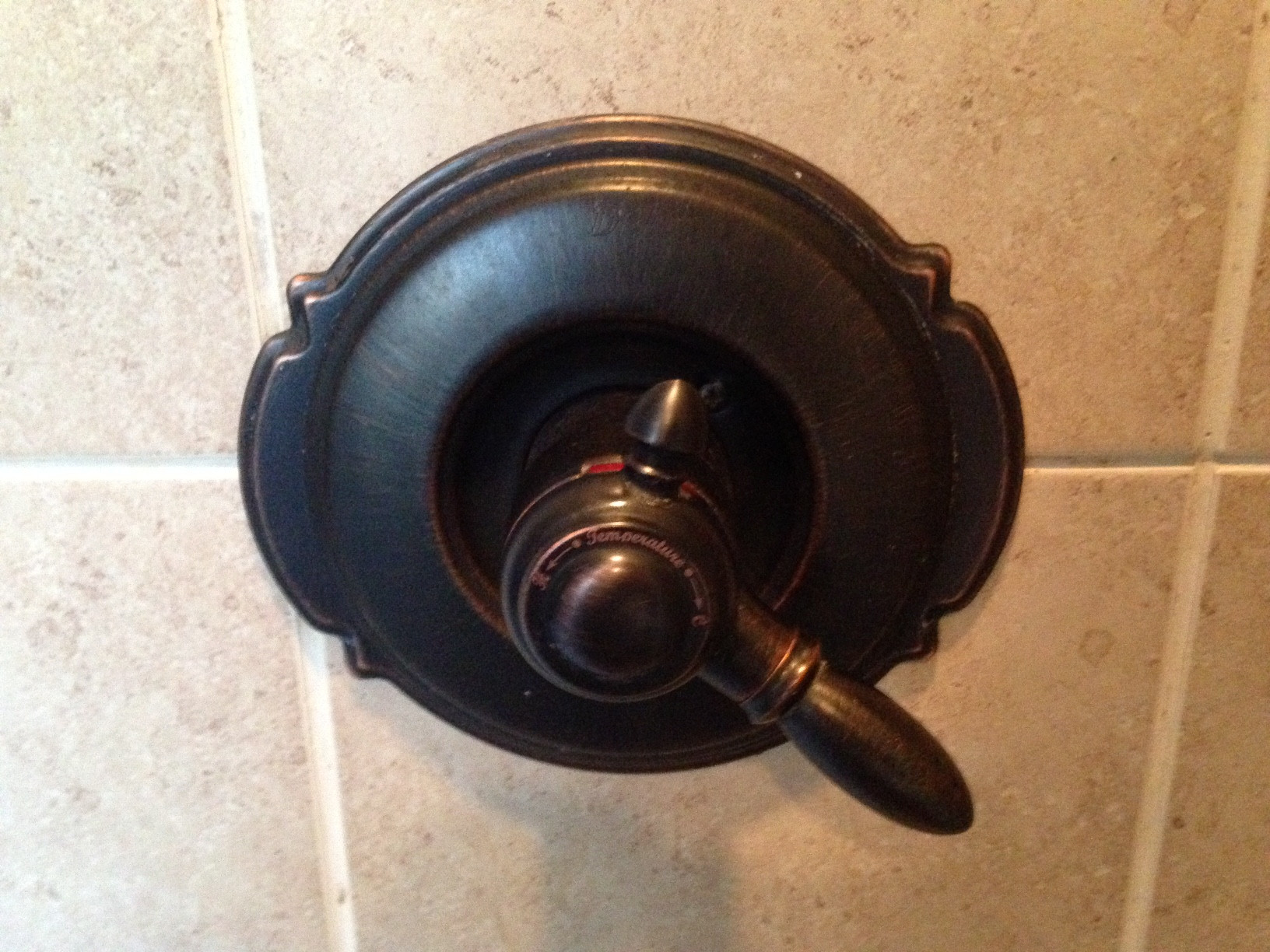
- Decorative handle: May have unique shapes or trims
The model number is often under the trim plate or on the paperwork from installation. If you can’t find it, compare your handle with images from the Delta website or plumbing guides.
Step-by-step Guide To Remove A Delta Shower Handle With No Visible Screws
Let’s walk through the process. These steps cover the most common Delta shower handles with hidden screws or snap-on covers.
1. Turn Off The Water Supply
Before you start, turn off the water to the shower. This prevents accidental sprays or leaks if you bump the cartridge or valve. For most homes, shut-off valves are near the water heater or in the basement. If you can’t find them, at least avoid using the shower during the repair.
2. Block The Drain
Small screws can easily fall into the drain. Place a towel, rag, or drain cover over the opening. This simple step can save you from losing hard-to-replace parts.
3. Inspect The Handle For A Cap Or Button
Most Delta handles with hidden screws use a small decorative cap or button to hide the screw hole. These are often made of plastic or metal and match the handle finish.
- Look for a small, round or square cap on the front, top, or underside of the handle.
- Sometimes it’s clear or has a Delta logo.
- Use a flathead screwdriver or plastic pry tool to gently pop off the cap.
Be gentle to avoid scratching the finish. If the cap is stuck, wiggle the screwdriver slowly around the edge.
4. Locate And Remove The Hidden Set Screw
Once the cap is off, you’ll usually see a small set screw inside the hole. This is often a hex (Allen) screw.
- Use the correct-sized Allen wrench (often 1/8″ or 3/32″) to loosen the screw.
- Turn counterclockwise. You do not need to fully remove it—just loosen it enough so the handle can slide off.
If the screw is rusty or stuck, apply a drop of penetrating oil, wait a few minutes, then try again.
5. Remove The Handle
With the set screw loosened, grip the handle and pull it straight out from the wall. If it doesn’t move:
- Wiggle gently side to side as you pull.
- Avoid using excessive force, which could damage the valve or handle.
If it’s still stuck, wrap the handle with a towel and use a pair of pliers for extra grip. Always protect the finish from scratches.
6. Remove Additional Trim Or Escutcheon Plates
After the handle is off, you may see a trim plate (also called an escutcheon). This covers the hole in the wall and may be held by visible screws or a hidden snap system.
- Remove any screws with a Phillips screwdriver.
- If no screws are visible, gently pry around the edge to see if it snaps off.
Set all parts aside in a safe place for reassembly.

Credit: www.reddit.com
Common Variations: What If There’s No Cap?
Some Delta handles don’t have a removable cap. Instead, the set screw may be hidden:
- Under the handle, near the wall
- On the side or back of the handle
- Under a decorative sleeve
Run your finger around the handle base to feel for a small hole. Shine a flashlight if needed. If you find the hole, insert the Allen wrench and loosen the screw as before.
Removing A Delta Shower Knob Handle (no Visible Screws)
Delta’s round knob handles are sometimes trickier. Here’s how to approach them:
- Look for a plastic or metal cap on the front of the knob. Use a flathead screwdriver to pop it off.
- Inside, there may be a Phillips screw. Remove it and pull the knob straight off.
- If no cap or screw is present, the knob may simply pull off with firm, even pressure. Twist gently as you pull.
If the knob won’t budge, check for mineral buildup. Spray the base with a vinegar solution, let it sit, and try again.
Removing Decorative Or Specialty Delta Handles
Some newer or high-end Delta handles use unique attachment methods:
- Threaded collars: The handle threads onto the cartridge stem. Twist counterclockwise to remove.
- Hidden spring clips: A spring clip holds the handle in place. Look for a small slot and use a flathead screwdriver to release the clip.
- Snap-on covers: The handle snaps onto a mounting post. Pry gently at the base to release.
Always consult the manual if you’re unsure—or look up your model at Delta’s official site.
What To Do If The Handle Is Stuck
It’s common for a Delta shower handle to stick due to:
- Hard water deposits
- Old lubricant drying out
- Corrosion
Try these tips:
- Spray the base with a 50/50 mix of vinegar and water. Let it soak for 15 minutes.
- Tap the handle gently with a rubber mallet to loosen mineral buildup.
- Use a hairdryer to warm the handle. This can expand the metal slightly, making removal easier.
- If it still won’t move, don’t force it. Excessive pressure can damage the valve. Instead, seek help from a plumber or consult Delta support.
Replacing The Handle Or Cartridge
Once the handle is off, you can replace the cartridge, O-rings, or install a new handle.
- Inspect the old parts for wear or damage.
- Clean the area with vinegar or a descaler to remove buildup.
- Lubricate O-rings with silicone grease for smooth operation.
When installing a new handle, reverse the steps above. Always tighten the set screw firmly, but do not over-torque—it can strip the threads.
Comparing Delta Handle Attachment Methods
Different Delta handles use different ways to attach to the valve. Here’s a comparison to help you identify your type:
| Attachment Method | How to Identify | Removal Tool | Difficulty |
|---|---|---|---|
| Set screw (hidden) | Small cap or hole under/side of handle | Allen wrench | Easy-Moderate |
| Front screw (knob) | Cap on front of knob | Phillips screwdriver | Easy |
| Threaded collar | Handle base rotates | Hand twist/pliers | Easy-Moderate |
| Spring clip | Slot at handle base | Flathead screwdriver | Moderate |
| Snap-on cover | No visible holes, handle snaps on | Plastic pry tool | Moderate |

Credit: www.youtube.com
Visual Signs That Set Your Delta Handle Apart
Sometimes, subtle visual clues help you figure out the removal method:
- A very thin seam at the end of the handle often means a cap is present.
- A tiny dot (color matched) can be the access cover for the set screw.
- A smooth, seamless handle often uses a snap-on or threaded design.
Carefully inspect all sides of the handle in bright light to spot these clues.
Safety Tips And Precautions
When working with plumbing fixtures, safety matters. Follow these tips:
- Always turn off water before starting.
- Protect the tub or tile with a towel to prevent scratches.
- Avoid using metal tools directly on shiny surfaces.
- Wear gloves if you have sensitive skin or are using chemicals.
- Keep track of small screws and parts.
If you’re unsure or uncomfortable at any step, stop and consult a professional.
What If You Can’t Remove The Handle?
If you’ve tried every method and the handle won’t budge, don’t panic. There are reasons this happens:
- The set screw may be stripped or rusted.
- Mineral buildup has cemented the handle in place.
- The handle style is very old or rare.
Try these advanced tricks:
- Use a penetrating oil (like WD-40) and let it soak overnight.
- Tap gently with a rubber mallet to break up deposits.
- Use a handle puller tool, available at hardware stores, designed for stubborn faucet handles.
As a last resort, call a licensed plumber. Forcing the issue can damage the valve body, leading to bigger repairs.
Real-world Example: Removing A 10-year-old Delta Handle
Let’s look at a practical example. Jane had a 10-year-old Delta shower handle that wouldn’t come off. No screws were visible, and there was no cap. Here’s what she did:
- She checked under the handle and found a tiny hole—about 1/8″ wide.
- She inserted a 3/32″ Allen wrench and turned counterclockwise.
- The set screw was stuck, so she sprayed a little WD-40 and waited 20 minutes.
- After a few gentle turns, the screw loosened, and the handle slid off easily.
Jane avoided damage by looking carefully for the hidden set screw and using the right tool.
Table: Common Problems And Solutions When Removing Delta Handles
Here’s a quick reference for troubleshooting:
| Problem | Possible Cause | Solution |
|---|---|---|
| Handle won’t budge | Mineral buildup or corrosion | Soak with vinegar, tap gently, use handle puller |
| Set screw stripped | Worn Allen key or overtightened screw | Use penetrating oil, try a slightly larger Allen key |
| Can’t find screw or cap | Unfamiliar model or hidden design | Check Delta website, inspect all sides, call support |
| Handle comes off but trim won’t | Hidden snaps or caulking | Pry gently, cut away old caulk with a utility knife |
| Parts fall into drain | No drain cover used | Block drain before starting, use magnet to retrieve parts |
How To Maintain Your Delta Shower Handle After Removal
Once you’ve removed and reinstalled your Delta handle, a little maintenance can keep it working smoothly:
- Apply a small amount of silicone-based lubricant to O-rings.
- Clean threads and set screws before reinstalling.
- Wipe down the handle and trim to remove fingerprints or water spots.
- If you notice any leaks or drips, check the cartridge and seals before replacing the handle.
This quick care routine extends the life of your shower hardware.
When To Replace, Not Just Remove
Sometimes, removing the handle reveals bigger issues:
- Corroded or cracked handles should be replaced, not reinstalled.
- If the cartridge leaks or the valve doesn’t turn smoothly, consider replacing these parts.
- For older homes, updating to a newer Delta handle can improve both looks and function.
Replacement handles are widely available, and Delta makes adapters for most models.
Environmentally Friendly Disposal And Upgrades
If you’re replacing your Delta handle, consider recycling old metal parts. Many cities accept brass or aluminum in recycling bins. Also, upgrading to a newer handle can save water if paired with a modern, efficient valve.
Where To Find Delta Handle Removal Instructions
If you get stuck, Delta’s website offers manuals and diagrams for nearly every model. Search by handle shape or model number for detailed guides. For video help, home improvement websites and YouTube have step-by-step visuals for common Delta handle types.
For more technical reading, visit the Delta Faucet Company Wikipedia page.
Frequently Asked Questions
How Do I Know If My Delta Shower Handle Has A Hidden Screw?
Check for a small cap or hole at the base or underside of the handle. Use a flashlight to look closely. Most Delta handles with no visible screws use a hidden set screw, accessible with an Allen wrench.
What If I Stripped The Set Screw While Trying To Remove The Handle?
If the set screw is stripped, apply penetrating oil and try a slightly larger Allen wrench. If it still won’t turn, use needle-nose pliers to grip the screw head or consult a plumber for extraction.
Can I Remove A Delta Shower Handle Without Turning Off The Water?
It’s possible, but not recommended. Removing the handle can sometimes dislodge the cartridge, causing water to spray or leak. Always turn off the water supply to avoid mess and damage.
Do I Need To Replace The Cartridge When I Remove The Handle?
Not always. If you’re removing the handle for cosmetic reasons, you can reinstall the same cartridge. If you notice leaks or stiffness, inspect and consider replacing the cartridge for best results.
Will Removing The Handle Damage My Tile Or Shower Wall?
Not if you’re careful. Use plastic tools and protect surfaces with a towel. Avoid using excessive force. If the trim plate is caulked, cut the caulk gently with a utility knife before prying.
Removing a Delta shower handle with no visible screws is a task you can tackle with some patience, the right tools, and attention to detail. By following these steps, you’ll avoid common mistakes and keep your shower looking and working its best.
Whether you’re fixing a leak, upgrading your hardware, or just curious, understanding the process gives you the confidence to handle future plumbing tasks with ease.
Credit: diy.stackexchange.com