
If you own or maintain a pool, you know how important filtration is for keeping the water clear and safe. One of the most popular and reliable choices for pool filtration is the Hayward S244T sand filter. But when it comes time to add or replace the sand, many pool owners find themselves asking: How much sand does an S244T sand filter need? This might sound like a simple question, but the answer is more involved than you may think. The right amount of sand is critical for the filter’s performance, water clarity, and even the longevity of your pool equipment.
Whether you’re setting up your S244T sand filter for the first time or replacing old sand after years of use, it’s essential to get every detail right. Using too much or too little sand can lead to cloudy water, poor filtration, and even permanent damage to your filter. In this guide, you’ll find everything you need to know about the S244T sand filter sand capacity, how to add sand properly, what kind of sand to use, and much more. If you want your pool to stay sparkling clean all season, keep reading.
What Is The Hayward S244t Sand Filter?

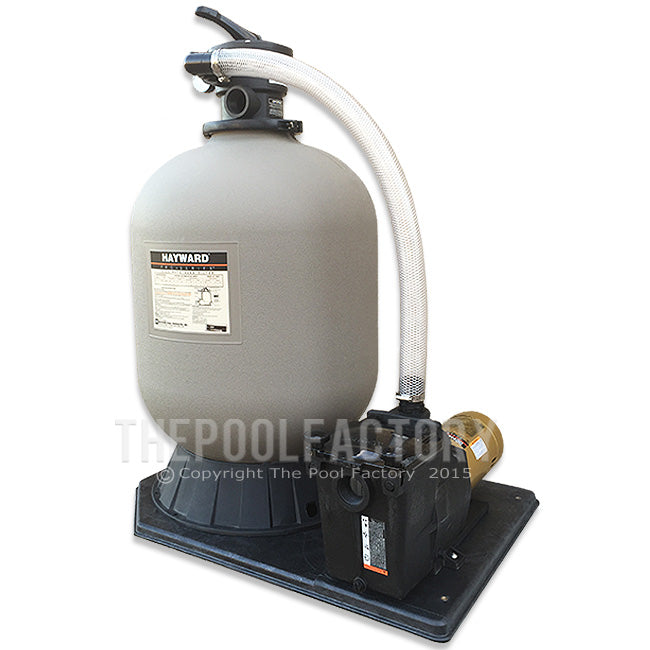
The Hayward S244T is one of the most popular sand filters for residential swimming pools. It’s known for its reliability, easy maintenance, and ability to handle both above-ground and in-ground pools. The S244T is part of the Hayward ProSeries, which is trusted by pool owners and professionals worldwide.
The filter uses a large tank filled with special pool filter sand to trap dirt and debris as water passes through. Clean water then returns to the pool, and the filter can be easily backwashed to remove trapped contaminants. The S244T model is especially valued for its balance of size, performance, and cost.
Key Specifications
- Tank diameter: 24 inches
- Maximum flow rate: 62 gallons per minute
- Filtration area: 3.1 square feet
- Valve type: Top-mount, 6-position
- Pool types: In-ground and large above-ground pools
These specifications make the S244T suitable for medium to large pools. But the real question is: how much sand does it actually require?
S244t Sand Filter: How Much Sand Is Needed?
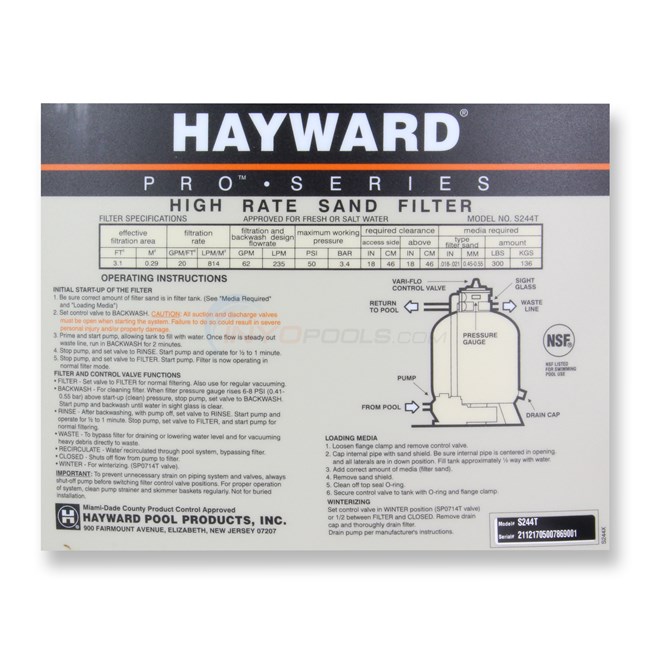
The S244T sand filter requires 300 pounds (136 kg) of pool filter sand. This is the exact amount recommended by the manufacturer, Hayward, and is critical for the filter to work correctly. Using more or less than this amount can cause problems with filtration, water clarity, and even the lifespan of your filter.
Why 300 Pounds Matters
- Too little sand: The filter won’t trap debris effectively. Dirt and oils may pass through, resulting in cloudy or dirty water.
- Too much sand: The filter’s internal components, like the laterals and standpipe, may be damaged. Water flow will be restricted, causing stress on your pool pump and possibly leading to leaks or cracks in the filter tank.
300 pounds fills the tank to the precise level required for optimal filtration and backwashing.
How Much Is 300 Pounds Of Sand?
One 50-pound bag of pool filter sand is the standard retail size. Therefore, you will need six 50-pound bags to fill the S244T to the correct level. Some stores may sell 25-pound or 100-pound bags, so always double-check the weight per bag before buying.
Calculation Example
If you only have access to 25-pound bags:
- 300 ÷ 25 = 12 bags needed
If you buy 100-pound bags:
- 300 ÷ 100 = 3 bags needed
What Type Of Sand Should You Use?
Not all sand is suitable for pool filters. The S244T filter, like all sand filters, requires #20 silica sand. This type of sand is specially graded for pool filtration, with grains that are 0.45 to 0.55 millimeters in size.
Why Only Use Pool Filter Sand?
- Correct grain size: Traps debris, but allows water to flow freely.
- No sharp edges: Prevents damage to filter laterals.
- Low dust: Reduces cloudiness in your pool.
Using playground sand, masonry sand, or construction sand is a mistake that can ruin your filter and your water quality.
Other Filtration Media
Some pool owners choose to use alternative media instead of sand, such as glass filter media or Zeosand. These materials have different densities and may require slightly different amounts by weight. Always check the manufacturer’s guidelines if using a non-sand media.
How To Add Sand To The S244t Sand Filter
Adding sand to your filter is a straightforward process, but it requires care and attention to detail. Here’s how to do it right:
- Turn off the pump and disconnect power.
- Remove the multiport valve from the top of the filter.
- Check the laterals at the bottom of the tank for cracks or damage.
- Cover the standpipe opening with a plastic bag or tape to prevent sand from entering.
- Add water to the tank until it covers the laterals. This protects them from the impact of falling sand.
- Slowly pour in the sand. Add it gently to avoid damaging internal parts.
- Fill with exactly 300 pounds of sand. Stop when the sand reaches the recommended level (usually marked inside the tank).
- Remove the cover from the standpipe and reattach the multiport valve.
- Backwash the filter before using it to clear out any dust or fine particles.
Practical Tips
- Use two people: One can hold the standpipe while the other pours sand.
- Go slow: Rushing can cause sand to spill into the standpipe, leading to sand in your pool.
- Double-check weight: Use a bathroom scale if you’re unsure about bag weights.
Common Mistakes When Filling The S244t
Many pool owners make the same mistakes when adding or changing sand. Here’s what to avoid:
- Guessing the amount: Always measure out 300 pounds. Don’t eyeball it.
- Using the wrong sand: Regular sand can damage your filter and your pool.
- Forgetting to backwash: New sand always contains dust that can cloud your pool.
- Pouring sand too quickly: This can break laterals or clog the standpipe.
Comparing S244t To Other Hayward Sand Filters
The S244T is popular, but Hayward makes other sizes. Here’s a look at how the S244T compares to other models in terms of sand needed.
| Model | Tank Diameter | Sand Required (lbs) | Pool Size Suitability |
|---|---|---|---|
| S166T | 16″ | 100 | Small (up to 15,000 gal) |
| S180T | 18″ | 150 | Small to Medium |
| S210T | 21″ | 200 | Medium |
| S244T | 24″ | 300 | Medium to Large |
| S270T | 27″ | 350 | Large (up to 35,000 gal) |
As you can see, the S244T sits in the middle, making it a versatile choice for most backyard pools.
How Often Should You Change The Sand?
The sand in your S244T filter doesn’t last forever. Over time, the sharp edges of the sand grains wear down, reducing their ability to trap dirt. Oils and debris also clog the sand bed, lowering filtration efficiency.
General rule: Change the sand every 3-5 years.
Signs It’s Time To Change The Sand
- Pool water stays cloudy even after running the filter
- Filter pressure stays high after backwashing
- Short backwash cycles
- Sand in the pool
If you notice these symptoms, it’s probably time for fresh sand.
Step-by-step: How To Change S244t Sand
Replacing the sand in your filter is a big job, but with patience and the right tools, it’s doable for most pool owners.
- Turn off the pump and disconnect power.
- Remove the multiport valve. Release any pressure in the tank.
- Scoop out the old sand. A small cup or shop vac works well.
- Inspect the laterals at the bottom for cracks or breaks.
- Rinse the inside of the tank. Remove all old sand and debris.
- Cover the standpipe to keep sand out.
- Add water until laterals are covered.
- Slowly pour in 300 pounds of new sand.
- Remove the standpipe cover, reinstall the valve, and reconnect plumbing.
- Backwash for several minutes to remove sand dust.
- Run the filter and check for leaks.
Changing the sand is a messy process, but it restores your filter’s performance. Don’t forget to dispose of the old sand responsibly.
The Science Behind Sand Filtration
Why does the S244T require 300 pounds of sand? The answer is in the engineering. Sand filters work by forcing pool water through a bed of specially graded sand. The rough edges of the sand grains catch dirt, oils, and microscopic debris, allowing clean water to return to your pool.
How Sand Filters Trap Dirt
- Mechanical filtration: Particles larger than 20 microns are physically trapped between sand grains.
- Adsorption: Some oils and metals stick to the sand surface.
- Backwashing: Reverses water flow, flushing trapped debris out of the filter.
The depth and density of the sand bed are carefully calculated. If you use too much or too little sand, the water will not flow at the correct speed, causing poor filtration or even damaging the filter’s internal parts.
Sand Quality: Non-obvious Insight
Many people don’t realize that the quality of sand affects filter performance as much as the amount. Some cheap sands contain too much dust or have grains that are not uniform in size. This can lead to short filter cycles and cloudy water, even if you use exactly 300 pounds.
S244t Sand Filter Maintenance Tips
To keep your filter working at its best, a little routine care goes a long way.
- Backwash regularly: When the pressure gauge rises 8-10 psi above the starting pressure.
- Rinse after backwashing: This clears out any remaining debris.
- Check for leaks: Inspect the multiport valve and tank connections.
- Lubricate O-rings: This prevents leaks and makes maintenance easier.
- Winterize if needed: In cold climates, drain the filter and store indoors.
Advanced Tip: Deep Cleaning
Once a season, use a filter cleaner to remove oils and scale from the sand bed. This can extend the life of your sand and keep water sparkling.
What Happens If You Use The Wrong Amount Of Sand?
Many pool owners underestimate the importance of the correct sand amount. Here’s what can go wrong:
Too Much Sand
- Restricted flow: Water cannot move through the tank as designed, causing high pressure and possible pump damage.
- Broken laterals: Excess weight and pressure can crack these fragile parts, leading to sand in your pool.
Too Little Sand
- Poor filtration: Water flows too quickly, bypassing the sand bed and allowing debris to return to the pool.
- Channeling: Gaps form in the sand, creating paths for dirty water to pass through without being filtered.
Real-world Example
A pool owner added 350 pounds of sand to an S244T, thinking more was better. Within weeks, the filter pressure spiked, and the pump overheated. The filter had to be rebuilt, costing hundreds of dollars. Had they used the correct amount, this could have been avoided.
Comparing Sand, Glass, And Zeosand
Some pool owners wonder if alternative media can be used in the S244T. Here’s a comparison.
| Media Type | Filtration Efficiency | Sand Needed | Lifespan | Cost |
|---|---|---|---|---|
| Silica Sand (#20) | 20 microns | 300 lbs | 3-5 years | Low |
| Glass Media | 5-10 microns | ~225 lbs | 8-10 years | Medium/High |
| Zeosand | 3-5 microns | ~225 lbs | 5-7 years | Medium |
Silica sand is the most affordable and widely used. Glass media and Zeosand filter finer particles, but are more expensive and require less by weight due to their lower density.
Credit: www.inyopools.com
Troubleshooting: Problems Related To Sand Amount
Sometimes, even with the correct sand amount, problems can arise. Here’s how to diagnose and solve them.
Low Filter Pressure
Possible causes:
- Not enough sand in the tank
- Air leak in the suction line
- Broken lateral
High Filter Pressure
Possible causes:
- Too much sand
- Clogged sand (needs backwashing or replacement)
- Blocked return line
Sand In The Pool
Possible causes:
- Cracked or broken laterals
- Standpipe not properly seated
- Sand poured into the standpipe during filling
If you suspect a problem, always turn off the pump and inspect the filter before continuing use.
S244t Sand Filter Installation: Best Practices
Installing your S244T correctly ensures years of trouble-free use. Here are key steps and tips:
- Level base: Place the filter on a flat, stable surface.
- Check all fittings: Tighten connections but do not overtighten, which can cause cracks.
- Use Teflon tape: On threaded fittings to prevent leaks.
- Prime the pump: Before first use, make sure water is flowing to the filter.
- Observe for leaks: Run the system and check all seals.
Credit: hayward.com
Environmental Impact: What To Do With Old Sand
Used filter sand should not be dumped in storm drains or water sources. Instead:
- Spread it in your yard or garden (sand is inert and safe for soil).
- Dispose of it with regular yard waste (if allowed locally).
- Contact your local waste authority for proper disposal instructions.
Never dump pool sand in natural waterways, as it may contain pool chemicals or contaminants.
Real-world User Insights: What Beginners Miss
- Sand compresses over time: After a few years, the sand bed becomes hard and less effective. This is why backwashing and occasional sand changing are necessary.
- Sand can “channel”: If the sand is added unevenly or the filter is run without enough sand, water will carve channels, greatly reducing filtration efficiency.
- Always match pump and filter size: An oversized pump can force water through the sand too quickly, making even a perfectly filled filter ineffective.
S244t Sand Filter Upgrades
For those looking to enhance performance, consider:
- Filter media alternatives: Glass or Zeosand for finer filtration.
- Upgraded valves: Some users install a 7-position valve for more control.
- Pressure gauge upgrades: Digital gauges help monitor pressure more accurately.
Always ensure upgrades are compatible with the S244T before installing.
S244t Sand Filter: Quick Reference Chart
Here’s a handy summary for the S244T:
| Feature | Specification |
|---|---|
| Tank Diameter | 24 inches |
| Sand Required | 300 pounds (#20 silica sand) |
| Flow Rate | 62 GPM (max) |
| Valve Type | Top-mount, 6-position |
| Change Sand | Every 3-5 years |
Sourcing Sand: Where To Buy
- Pool supply stores: Always stock the correct sand type and can answer questions.
- Big box retailers: May carry pool filter sand, but double-check the grain size and purity.
- Online suppliers: Convenient, but shipping costs can be high due to weight.
Avoid buying sand from hardware or construction stores unless it specifically says pool filter sand #20.
External Resource For Further Reading
For more technical details and the official manual, visit the Hayward ProSeries Sand Filter Manual.
Credit: www.thepoolfactory.com
Frequently Asked Questions
How Much Sand Do I Need For An S244t Sand Filter?
You need 300 pounds (about 136 kilograms) of #20 silica pool filter sand for the Hayward S244T sand filter. This is usually six 50-pound bags.
Can I Use Regular Sand Or Play Sand In My S244t Filter?
No, only use #20 silica pool filter sand. Regular sand or play sand will not filter properly and can damage your filter’s internal parts.
How Often Should I Change The Sand In My S244t Filter?
Change the sand every 3 to 5 years, or sooner if you notice cloudy water, high pressure, or poor filtration.
What Happens If I Use The Wrong Amount Of Sand?
Using too much or too little sand can cause poor filtration, high or low pressure, and can even damage the filter. Always use the exact amount: 300 pounds for the S244T.
Can I Use Glass Or Zeosand Instead Of Regular Sand?
Yes, but you’ll need less by weight (about 225 pounds) and must follow the alternative media’s instructions. Always check the manufacturer’s guide before switching.
Keeping your Hayward S244T sand filter filled with the correct type and amount of sand is one of the simplest ways to ensure a clean, safe, and sparkling pool. With the right information and a careful approach, you’ll enjoy years of trouble-free swimming—no guesswork required.