
A pool is often a place of relaxation and fun, but when you see water collecting around the base of your sand filter, that comfort disappears quickly. A sand filter drain plug leak is a common issue, but it can cause confusion and even worry for pool owners. You might notice a slow drip, a wet patch, or—if left alone—a rising water bill and cloudy pool water. While it may seem minor, a drain plug leak can lead to bigger problems if ignored. In this guide, you’ll discover why these leaks happen, how to diagnose them, and most importantly, how to fix and prevent them with confidence.
Understanding Sand Filter Drain Plug Leaks
What Is A Sand Filter Drain Plug?
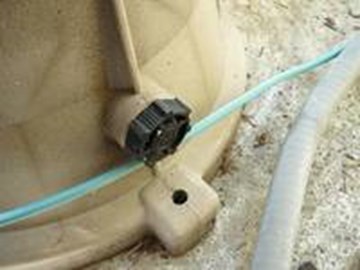
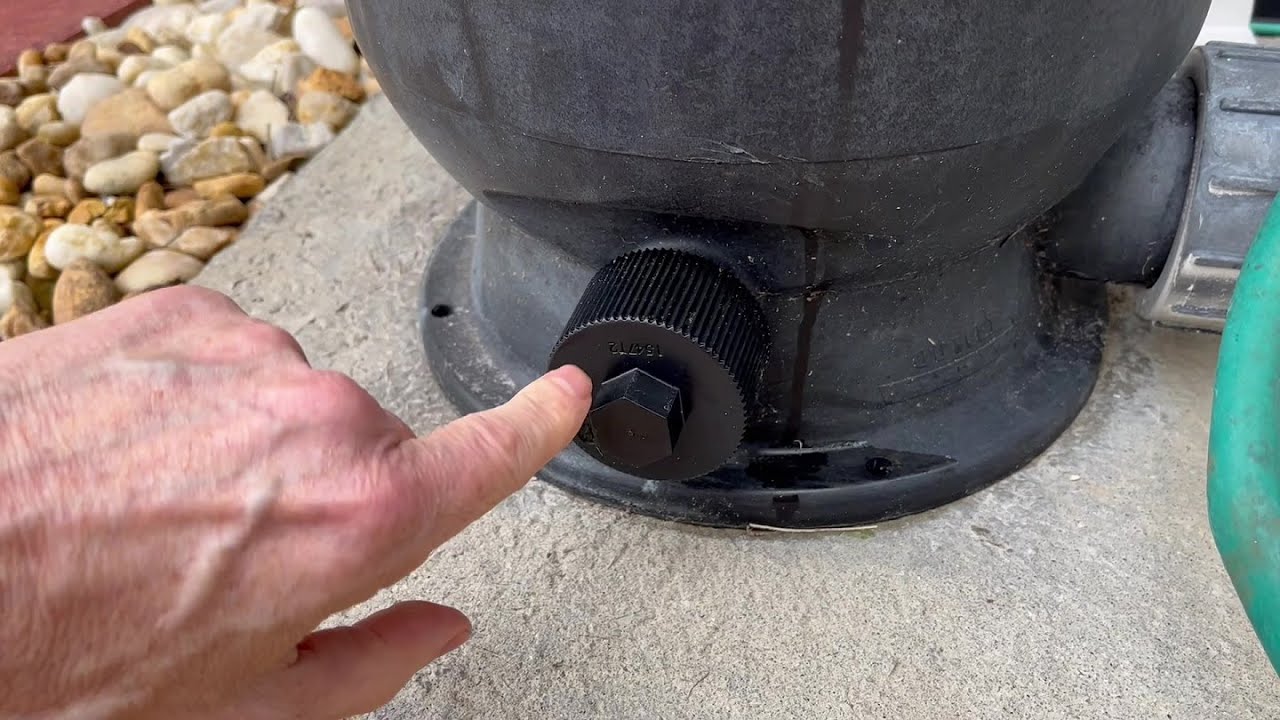
The sand filter drain plug is a small, threaded cap located at the bottom of your pool’s sand filter tank. Its main job is to let you easily drain water from the filter during cleaning, winterizing, or maintenance. It usually has an O-ring or rubber washer to stop leaks.
Why Do Drain Plug Leaks Happen?
Leaks from the drain plug are often simple but annoying. The main causes are:
- Worn O-rings or washers: These rubber parts can flatten or crack over time.
- Loose or overtightened plugs: Both can prevent a tight seal.
- Cracked or stripped threads: Plastic threads can wear out or break.
- Debris or sand: Small particles can block the seal.
A tiny leak may not seem urgent, but if you ignore it, you could lose water, waste chemicals, and even damage the filter base.
Signs And Symptoms Of A Drain Plug Leak
Not all leaks are obvious. Here are clear signs you might have a problem:
- Persistent wet spot under the filter, even in dry weather
- Dripping or running water seen around the plug area
- Falling pool water level without splashing or evaporation
- Visible mineral stains or algae near the base of the filter
- Air bubbles in the return jets (if water loss pulls air into the system)
Some leaks only show up when the pump is running, while others drip all the time. Checking your filter area regularly can help you catch issues early.
Diagnosing The Leak
Before you can fix the problem, you need to find the exact cause of the leak. Here’s how to do it:
Step 1: Clean And Dry The Area
Turn off your pool pump. Wipe the area around the drain plug until it is completely dry. This lets you spot fresh leaks quickly.
Step 2: Check The Plug
Inspect the drain plug closely. Look for:
- Cracks or splits in the plastic
- Missing or damaged O-ring/washer
- Sand or debris stuck in the threads
Step 3: Test For Leaks
Hand-tighten the plug. Fill a spray bottle with soapy water and spray around the plug while the filter is under pressure (turn on the pump for a short time). If you see bubbles forming, you have a leak.
Step 4: Inspect The Filter Body
Rarely, the leak may come from a crack in the filter body near the drain, not the plug itself. If you see water seeping from elsewhere, you may have a bigger problem.
Pro tip: Always wear gloves and safety glasses when inspecting and cleaning pool equipment.
Common Causes Of Sand Filter Drain Plug Leaks
Understanding the main reasons for a leak helps you choose the right fix. Here are the most frequent causes:
1. Worn Or Flattened O-ring/washer
The O-ring or washer is a small but crucial part. Over time, chlorine, sun, and pressure make it hard, flat, or cracked. When this happens, water can slip past even if the plug looks tight.
2. Cross-threaded Or Stripped Plug
If the plug is forced in crooked, the threads can strip or cross, making a proper seal impossible. Plastic plugs are especially at risk.
3. Debris In The Threads
Tiny grains of sand or dirt can block the threads, stopping the plug from sealing tightly.
4. Damaged Plug
Cracks, chips, or worn edges on the plug itself allow leaks, even with a perfect O-ring.
5. Cracked Filter Body
Sometimes the drain area of the filter tank develops cracks. This is a more serious issue, as water can escape even with a new plug.
6. Wrong Plug Or O-ring Size
Using a plug or washer that’s too small or too large for your filter model will lead to leaks, even if everything looks new.
Credit: www.inyopools.com
How To Fix A Sand Filter Drain Plug Leak
Fixing a sand filter drain plug leak is usually a simple job. Here’s a step-by-step guide to solve the problem for good.
Step 1: Turn Off The Pump And Relieve Pressure
Safety first. Switch off your pool pump and filter. Open the air relief valve (if present) to release pressure.
Step 2: Remove The Drain Plug
Carefully unscrew the plug by hand. If it’s stuck, use a soft cloth for better grip—never use pliers, as this can crack the plug.
Step 3: Inspect And Clean All Parts
Check the plug, O-ring/washer, and threads for signs of damage or dirt. Clean the threads with a toothbrush or soft cloth.
Step 4: Replace The O-ring Or Washer
If you see cracks, flat spots, or stretching, swap the O-ring for a new one. Always choose the correct size for your filter brand.
Step 5: Apply Lubricant
Use a small amount of pool-safe silicone lubricant on the O-ring. This helps it seal better and last longer.
Step 6: Reinstall The Plug
Hand-tighten the plug until snug. Do not overtighten—this can flatten the O-ring or strip the threads.
Step 7: Check For Leaks
Turn on the pump and look for drips. If the leak is gone, you’re done. If not, repeat your inspection or try replacing the plug itself.
Step 8: Replace The Plug (if Needed)
If the plug is cracked or the threads are stripped, buy a new one made for your filter model. Never use a hardware store bolt or generic plug.
Step 9: Address Filter Body Cracks
If you find cracks in the filter tank, stop and consult a pool professional. DIY patch kits rarely hold for long on pressurized filter tanks.
Tools And Materials You’ll Need
Having the right items on hand makes the repair go faster:
- Replacement drain plug (for your filter brand/model)
- New O-ring or washer
- Pool-safe silicone lubricant
- Clean rags or towels
- Toothbrush or small brush
- Safety gloves and glasses
Optional:
- Soapy water spray bottle (for leak testing)
- Flashlight (for close inspection)
Comparing Replacement Parts
Different brands use different plug sizes and O-ring types. Here’s a quick comparison of the most common types:
| Brand | Plug Size | O-Ring Size | Material |
|---|---|---|---|
| Hayward | 1/4″ NPT | Medium | Plastic with rubber O-ring |
| Pentair | 1/2″ NPT | Large | Plastic with rubber washer |
| Intex | Proprietary | Small | Plastic with silicone washer |
Always use the exact part for your filter. Mixing brands or sizes leads to poor seals.
Preventing Future Drain Plug Leaks
After fixing your leak, a few simple habits can help keep it from coming back.
1. Inspect Regularly
Check the area around the drain plug every few weeks during pool season. Early detection prevents bigger leaks.
2. Lubricate O-rings
Apply pool-safe silicone lubricant to the O-ring or washer at the start and end of each season.
3. Avoid Overtightening
Hand-tighten the plug—never use tools. Too much force damages O-rings and plastic threads.
4. Clean Before Reinstalling
Wipe sand and debris from threads and the plug before screwing it back in.
5. Replace Worn Parts
Swap out old O-rings and plugs every 1–2 years, or sooner if you see signs of wear.

Credit: valterra.com
When To Call A Professional
Most sand filter drain plug leaks are easy to fix, but there are times when it’s best to call for help:
- The leak is coming from a crack in the filter tank itself
- You can’t remove a stuck or broken plug
- Water is leaking even with a new plug and O-ring
- Your filter is still under warranty
A certified pool technician can diagnose and repair complex issues safely.
Real-world Examples
Many pool owners have faced a drain plug leak. Here are a few examples that highlight different scenarios:
Case 1: Worn O-ring On A Hayward Filter
Linda noticed her pool was losing about 1/2 inch of water each week. After checking for leaks, she found a slow drip from her Hayward sand filter drain plug. The O-ring was flat and brittle. A quick swap with a new O-ring fixed the issue instantly.
Case 2: Cross-threaded Plug On A Pentair System
John tried to force his plug back in after cleaning his filter. The next day, water was pooling at the base. The threads were stripped from cross-threading. He replaced the plug and carefully screwed it in straight, and the leak stopped.
Case 3: Cracked Filter Body
Angela found a large crack near the drain area after her filter froze in winter. No amount of new plugs or sealant worked. She had to replace the entire filter tank—a costly lesson in winterizing correctly.
The Cost Of Ignoring A Leak
A small leak may not seem urgent, but it can cause:
- Water loss: A slow drip can waste hundreds of gallons per month.
- Chemical imbalance: Lost water means lost chlorine and other chemicals.
- Soil erosion: Water pooling under the filter can erode the base or slab.
- Algae growth: Wet areas attract algae and mold.
- Filter damage: Constant moisture can lead to rust or further cracks.
Timely repair saves money and keeps your pool running smoothly.
Diy Vs. Professional Repair: What’s Best?
Most sand filter drain plug leaks can be fixed by homeowners with basic tools. However, here’s a quick breakdown to help you decide:
| DIY Repair | Professional Repair |
|---|---|
| Low cost (just parts) | Higher cost (labor + parts) |
| Quick (under 30 minutes) | May require appointment |
| Good for minor leaks | Needed for cracks or major damage |
| Requires care with parts and threads | Expertise and proper tools |
If you’re unsure, start with an O-ring and plug replacement. If the leak returns, consult a pro.
How Often Should You Replace The Drain Plug And O-ring?
Most manufacturers recommend replacing the O-ring or washer every 1–2 years. The drain plug itself can last longer, but if you see any cracks, chips, or stripped threads, replace it immediately.
For heavy pool use or harsh climates, check these parts more often. Sun, chlorine, and freezing all shorten their lifespan.
The Hidden Dangers Of Temporary Fixes
Some pool owners try to “patch” a leak with Teflon tape, silicone caulk, or even glue. While these may stop a drip for a short time, they rarely last and can make later repairs harder. Only use proper replacement parts and pool-safe lubricants.
If you must use a temporary fix, keep a close eye on the area and plan for a permanent repair soon.
Credit: www.youtube.com
Environmental Impact
A leaking sand filter doesn’t just hurt your pool—it can waste a lot of water. Even a slow drip (one drop every second) can add up to over 2,000 gallons a year. That’s enough to fill a small spa! Fixing leaks helps conserve water and reduces your utility bills.
Best Practices For Long-term Care
Here are a few expert tips to extend the life of your sand filter and avoid leaks:
- Store spare O-rings and plugs in a cool, dry place
- Use only pool-rated lubricants and parts
- Keep the filter area clear of weeds and debris
- Winterize your filter if you live in a freezing climate
- Document your maintenance dates for easy tracking
Comparing Sand Filter Drain Plug Materials
Not all drain plugs are made the same. Here’s a look at the main types:
| Material | Pros | Cons | Typical Lifespan |
|---|---|---|---|
| Plastic | Cheap, easy to replace, non-corrosive | Threads can strip, cracks over time | 1–3 years |
| Brass | Very durable, resists cracking | Can corrode, may seize in place | 5+ years |
| Composite | Resists chemicals, long-lasting | More expensive, may not fit all models | 3–5 years |
Plastic plugs are most common, but brass and composite are found in some high-end filters.
Troubleshooting Unusual Leaks
If you’ve replaced the O-ring and plug but still see water, check these possibilities:
- Leaking from the multiport valve or other fittings (not the drain plug)
- Cracks higher up on the filter body
- Gasket failure inside the filter tank
- Hidden leaks in connected pipes
Tracking leaks takes patience. If you can’t find the source, a pool technician’s pressure test may help.
Useful Resources For Pool Owners
Learning more about your filter system saves time and money. The Pool and Hot Tub Alliance offers helpful guides for maintenance and troubleshooting. For more technical info, the Wikipedia Sand Filter page is a trusted source.
Frequently Asked Questions
How Do I Know If My Sand Filter Drain Plug Is Leaking?
Look for wet spots or drips under the filter, especially when the pump is running. A falling pool water level or visible stains near the drain plug are also signs of a leak.
Can I Use Teflon Tape To Stop A Sand Filter Drain Plug Leak?
Teflon tape can sometimes help seal worn threads, but it’s not a permanent fix for leaks. It’s better to replace the O-ring or plug for a lasting repair.
How Tight Should I Screw In The Drain Plug?
Hand-tighten the plug until snug. Do not use tools or over-tighten, as this can damage the O-ring or strip the threads.
What Size O-ring Do I Need For My Filter?
Check your filter’s manual or the old O-ring for the correct size. Using the wrong size leads to leaks, so always match the part to your filter model.
Is It Safe To Run The Pool With A Leaking Drain Plug?
It’s not recommended. A slow leak can waste water, cause chemical imbalance, and lead to bigger repairs. Fix the leak as soon as possible.
Catching and fixing a sand filter drain plug leak is a small job that protects your pool, saves water, and avoids costly repairs. With the tips and steps above, you can handle most leaks yourself and enjoy a worry-free pool season.