
The idea of letting a steam generator drain into a shower might sound simple at first. Many homeowners think it is an easy way to get rid of excess water from their steam shower system. But as you look closer, you see there are important details, hidden risks, and practical choices that must be made. Whether you’re building a new bathroom, remodeling, or just want to understand your steam shower better, knowing about the drain system is essential.
In this guide, you will discover what really happens when a steam generator drains into a shower, what rules and best practices exist, the real risks, and how to avoid unexpected problems. We’ll also look at alternative drain options, costs, installation steps, and answer questions most people forget to ask.
What Is A Steam Generator Drain?
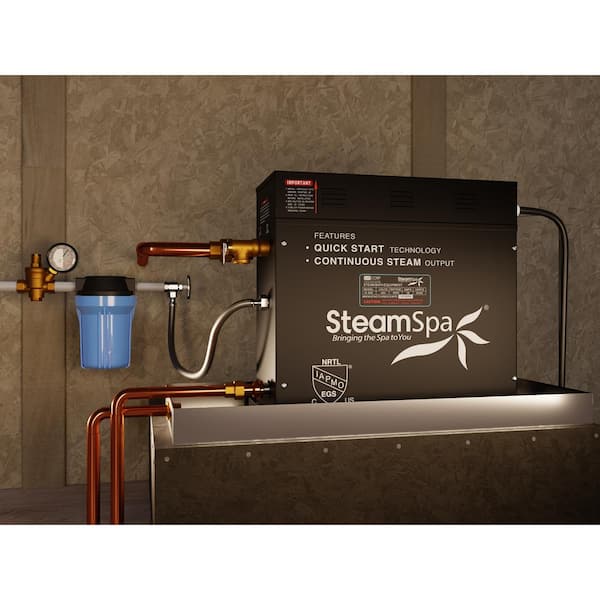
A steam generator heats water to create steam for a shower or a steam room. After each steam session, extra water and condensation collect inside the generator’s tank. This water—sometimes hot, sometimes with minerals—needs a safe way out.
The drain is the path the generator uses to remove this water. It usually connects to the home’s plumbing system, so the water can exit safely. Some systems drain automatically after use, while others have a manual valve.
If the generator’s drain line empties directly into the shower’s main drain, it’s called a steam generator drain into shower. This is different from draining into a dedicated pipe or outside line.
Why People Want To Drain Steam Generator Into Shower
Many homeowners and even some installers choose this method for several reasons:
- Simplicity: Using the shower’s existing drain system seems easier than building a new drain.
- Lower cost: Fewer materials and less labor can mean smaller installation bills.
- Space-saving: No extra pipes or drainage lines are needed.
- Ease of access: The shower is often close to the generator, making the route short.
But convenience can sometimes hide risks or make future repairs harder.
Credit: www.homedepot.com
Plumbing Basics: How Drain Systems Work
To understand if this setup is a good idea, it helps to know how typical residential drains work.
A shower drain is designed to handle soapy water and sometimes hair and small debris. The water flows into a P-trap (a U-shaped pipe that holds water to block sewer gases) and then into the home’s main waste line.
A steam generator drain, however, can release:
- Hot water
- Water with minerals (from scale buildup)
- Chemicals (if descaling solutions are used)
- Water at odd times (not always when the shower is in use)
Mixing these two can cause issues, especially if the system isn’t designed for it.
Codes, Standards, And Legal Rules
Building codes exist to protect homes and health. When it comes to draining a steam generator into a shower, several rules may apply.
International Plumbing Code (ipc)
The IPC is a common standard in the US and many other countries. It usually says:
- Appliances must drain into an approved waste system.
- The drain path must prevent backflow (dirty water from going back into the clean system).
- Some local codes ban direct draining into a shower drain.
National Electrical Code (nec)
While mostly about wiring, the NEC sometimes covers drain lines for appliances with electrical parts—like steam generators.
Local Building Codes
Cities and counties can set stricter rules. Some require:
- An air gap (a space where water can’t flow backwards)
- Separate drain lines for appliances
- Backflow prevention devices
Important: Always check with your local building department before making changes. Installing a drain the wrong way can lead to failed inspections, fines, or needing to redo the work.
Potential Risks Of Draining Steam Generator Into Shower
This method can seem harmless, but there are real-world problems to consider.
1. Scalding Hazard
If the generator drains hot water directly into the shower, someone could get burned. This is a risk if the drain cycles run while the shower is in use. Even a brief burst of hot water can cause pain or injury.
2. Sewer Gas Exposure
If the drain isn’t installed correctly, it can break the shower’s P-trap seal. This lets sewer gas into your bathroom, which smells bad and can be unhealthy.
3. Clogged Drains
Steam generators often build up scale (mineral deposits). These flakes can break loose and go into the shower drain, increasing the chance of clogs—especially if the shower is already slow-draining.
4. Damage To Shower Materials
Not all shower bases or tiles are made for repeated bursts of hot or chemical-laden water. Some materials may crack, fade, or wear out faster.
5. Code Violations
If your setup doesn’t meet code, you might have to rip out walls or floors to fix it if you sell your house, remodel, or are inspected.
6. Mold And Mildew Growth
Extra water in the shower drain can keep the area damp for longer, increasing the risk of mold. This problem is worse if the shower has poor ventilation.
Pros And Cons Of Steam Generator Drain Into Shower
Choosing this setup has both good and bad points. Here’s a side-by-side look:
| Pros | Cons |
|---|---|
| Simple to install | May break plumbing codes |
| Saves space | Risk of hot water burns |
| Lower cost upfront | Possible drain clogs |
| Easy access for repairs | Can cause sewer gas leaks |
| Less material needed | Not suitable for all showers |

Credit: terrylove.com
Best Practices For Safe Installation
If you decide to use this method, follow these guidelines to stay safe and code-compliant.
Use An Air Gap
An air gap is a small space between the end of the drain pipe and the shower floor or drain. This stops dirty water from flowing back into the generator.
Install A Backflow Preventer
This valve only lets water go one way—out. It blocks sewage or shower water from going back up the generator’s drain line.
Use Heat-resistant Drain Materials
Only use pipes and fittings that can handle hot water. Some plastics can soften or warp if the generator drains while the water is very hot.
Time The Drain Cycle
Set the generator to drain only when the shower is not being used. Many modern generators allow you to program drain cycles at safe times.
Flush Regularly
Run extra water through the shower drain after the generator drains. This helps wash away minerals or debris.
Use A Sediment Trap
Install a small trap or filter in the drain line to catch scale before it enters the shower drain.
Alternatives To Draining Into Shower
Not every setup works well with the shower drain. Here are other options:
- Dedicated Floor Drain: Install a separate drain in the mechanical room or steam generator closet. This keeps all generator water away from the shower.
- Laundry Sink Drain: Some homes allow appliance drains to connect to a laundry or utility sink.
- Direct to Waste Line: Run a new pipe from the generator straight to the home’s main waste line, following code.
- Condensate Pump: If the generator is below the main sewer line, use a pump to move water up and out.
Each method has its own costs and installation needs.
Common Mistakes Homeowners Make
Even experienced DIYers can make errors. Avoid these frequent pitfalls:
- Skipping local permit checks: You might save time now, but risk big problems later.
- Using the wrong pipe materials: Not all pipes handle heat or chemicals.
- Forgetting the air gap: This is a small detail, but crucial for safety.
- Ignoring regular maintenance: Steam generators need descaling and cleaning. Neglect can cause drain problems.
Real-world Examples
Let’s look at what happens in real homes.
Example 1: The Quick Fix
A homeowner connects their steam generator drain to the shower. For a year, everything seems fine. But then the shower drain clogs. A plumber finds chunks of scale from the generator. The homeowner pays for a costly cleanout.
Example 2: Code Violation Nightmare
A builder uses the shower drain for a steam generator in a high-end remodel. When selling the house, the buyer’s inspector finds the setup breaks local code. The builder must redo the drain, costing time and money.
Example 3: Professional Installation
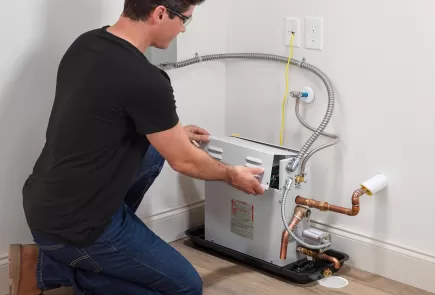
A licensed plumber installs a drain with an air gap and backflow preventer. The system passes inspection and works safely for years with no issues.
Credit: www.deltafaucet.com
Cost Comparison: Different Drain Setup Options
How do the costs compare for each method? Here’s a rough estimate for a typical home:
| Drain Method | Materials Cost | Labor Cost | Total Estimate |
|---|---|---|---|
| Into Shower Drain | $50–$150 | $100–$300 | $150–$450 |
| Dedicated Floor Drain | $100–$250 | $250–$600 | $350–$850 |
| Direct to Waste Line | $200–$400 | $400–$800 | $600–$1,200 |
| Condensate Pump | $150–$300 | $200–$500 | $350–$800 |
Prices can vary by region and job complexity. Always get quotes from licensed plumbers.
Step-by-step: How To Install A Steam Generator Drain Into Shower
If you and your plumber decide this method is right for your setup, here’s how a safe installation usually goes:
1. Plan The Route
Decide the shortest, safest path from the generator to the shower drain. Check for obstacles in walls or floors.
2. Choose The Right Pipe
Use heat-resistant pipe (like copper or CPVC). Avoid regular PVC if draining hot water.
3. Add An Air Gap
Install the end of the drain line above the shower drain or floor, leaving a small gap (usually 1–2 inches).
4. Install A Backflow Preventer
Add a check valve in the drain line, close to the generator.
5. Secure The Connections
Use proper fittings and pipe glue or solder. Check for leaks.
6. Test The System
Run a drain cycle (or use water) to make sure the drain works and no leaks are present.
7. Schedule An Inspection
If required by your area, have a building inspector approve the work.
Maintenance Tips For Long-term Safety
A steam generator drain is not “set and forget.” Here’s how to keep it safe:
- Descale the generator every 6–12 months (or as recommended).
- Flush the shower drain with extra water monthly to clear debris.
- Check for leaks around fittings at least twice a year.
- Inspect the air gap to make sure it’s clear and not blocked.
- Replace worn parts (like check valves) as needed.
When To Call A Professional
Some jobs are best left to experts. Hire a plumber if:
- You’re unsure about code requirements.
- Your home has old or unusual plumbing.
- You see signs of leaks or sewer smells.
- The generator is under warranty (DIY work can void coverage).
Environmental Impact: What Happens To The Wastewater?
Steam generator wastewater is usually clean, but it can contain:
- Minerals (from hard water)
- Small amounts of cleaning chemicals (if you descale the generator)
If this water goes into your shower drain, it joins normal household wastewater and is treated at your local facility. In most places, this is safe and legal. However, pouring large amounts of descaling chemicals is discouraged—always follow product instructions.
Some areas encourage greywater recycling, but steam generator drain water is not usually reused due to mineral content.
Advanced Options: Smart Draining Systems
Modern steam generators sometimes offer “smart” drain features:
- Timed drain cycles (set for low-use hours)
- Temperature sensors (won’t drain if someone is showering)
- Remote monitoring (alerts if a drain fails or clogs)
These features add cost, but can boost safety and convenience.
How To Decide: Is This Setup Right For You?
Consider these key questions:
- What do local codes say? If it’s not allowed, stop here.
- Does your generator make a lot of scale? If yes, consider a dedicated drain.
- Will anyone use the shower while the generator drains? If yes, scalding is a risk.
- Is the shower drain in good shape? Old or slow drains can clog faster.
- Do you plan to sell your house soon? Buyers may check for code issues.
If you’re unsure, ask a licensed plumber or building inspector for advice.
Expert Insights And Lesser-known Facts
Many first-time installers miss these points:
- Even a small air gap can make a big difference in safety and code compliance.
- Some older homes have shared vent lines—draining into a shower here can cause sewer gas to enter other rooms.
- Descaling chemicals can react with shower drain materials, causing early wear.
- If your steam generator has a warranty, using a non-approved drain setup can void coverage.
- Not all shower drains can handle sudden bursts of water—test the flow before finalizing the setup.
Real User Stories
Sarah’s Experience
Sarah installed a steam generator in her main bathroom. She chose to drain into the shower for convenience. After two years, she noticed a musty smell. A plumber found that the drain setup allowed warm, damp air to back up, encouraging mildew.
Switching to a dedicated drain solved the issue.
Mike’s Mistake
Mike skipped the air gap, connecting the generator drain directly to the shower pipe. After a heavy rain, his sewer line backed up, and dirty water flowed into the steam generator—ruining it. Insurance did not cover the damage due to code violations.
Table: Signs Your Steam Generator Drain Needs Attention
Here’s what to watch for:
| Sign | Possible Cause | Action Needed |
|---|---|---|
| Slow shower drain | Mineral buildup from generator | Flush drain, descale generator |
| Sewer smell in bathroom | Broken air gap or P-trap issue | Check trap, call plumber |
| Hot water in shower when not in use | Drain cycle timing problem | Reprogram generator settings |
| Water on shower floor after use | Leaking drain line | Inspect and repair connections |
| Mildew or mold near drain | Excess moisture from drain water | Improve ventilation, clean regularly |
Where To Learn More
For deeper technical reading, see the International Plumbing Code, which details appliance drain requirements and safe plumbing practices.
Frequently Asked Questions
Is It Legal To Drain A Steam Generator Into A Shower?
Laws vary by location. Some places allow it if there is an air gap and backflow protection, while others require a separate drain. Always check your local building codes before installation.
Will Draining Into The Shower Cause Clogs?
It can, especially if your water is hard and the generator produces a lot of scale. Regular descaling and flushing the drain with extra water can help prevent clogs.
Can I Do The Installation Myself?
Some handy homeowners can do the work, but mistakes are costly. If you’re unsure about codes, plumbing, or safety, hire a licensed plumber.
Does Draining Into The Shower Affect The Smell In My Bathroom?
If installed incorrectly (especially without an air gap), sewer gas can enter the room. A proper setup with backflow prevention should not cause odor problems.
What If My Steam Generator Uses Descaling Chemicals?
If you use strong chemicals, avoid draining into the shower. These can damage pipes or harm the environment. Instead, use a dedicated drain and follow product disposal instructions.
A steam generator can make your home feel like a spa, but its drain system needs careful thought. Draining into the shower is possible, but only if done right—with safety, code, and maintenance in mind. Get expert advice, do regular checks, and enjoy your steam shower with peace of mind.