
Tiny Bugs on Pool Frame: Complete Guide to Identification, Removal, and Prevention
If you own a swimming pool, you probably enjoy the relaxation and fun it brings. But nothing ruins a sunny day faster than discovering tiny bugs on your pool frame. At first, you may notice only a few, but sometimes they multiply quickly. These small pests can be annoying, unhygienic, and even harm your pool’s structure or water quality. Many pool owners feel confused about where these bugs come from, what they are, and how to get rid of them for good.
This article is your all-in-one resource. You will learn how to identify the common tiny bugs found on pool frames, why they appear, and the best ways to remove and prevent them. We will also cover safe cleaning methods, practical prevention strategies, and answer the most common questions.
Whether you are a new pool owner or have struggled with these bugs for years, you’ll find clear explanations and expert advice here.
Why Do Tiny Bugs Appear On Pool Frames?
Tiny bugs are drawn to swimming pool frames for a few simple reasons. Moisture is the most important factor. Pools create damp environments, and many insects need water to survive. The pool frame, especially if it’s made of metal or plastic, often stays wet after rain, splashes, or cleaning. Bugs seek these moist areas to drink, breed, or lay eggs.
Organic debris is another cause. Leaves, pollen, and dirt collect on the frame, making it a food source for some insects. Certain bugs eat the algae or bacteria that grow on dirty pool frames. Warmth from sunlight also attracts bugs, especially in the summer months.
Finally, the location of your pool matters. If your pool is near plants, grass, or trees, it’s easier for bugs to reach the frame. Pools close to gardens or woods will often have more insect problems than those in open, paved areas.
Common Types Of Tiny Bugs Found On Pool Frames
Identifying the bugs on your pool frame is the first step to solving the problem. Here are the most common types:
1. Springtails
Springtails are tiny, wingless insects that jump when disturbed. They are usually black, gray, or white and measure about 1-2 mm long. Springtails feed on decaying plant material and thrive in moist areas, so wet pool frames are perfect for them. They don’t bite or sting, but they can become a nuisance in large numbers.
2. Ants
Ants often travel along pool frames in search of food or water. Some species are attracted to the sweet residue from drinks or snacks around the pool. Others nest in the soil or grass nearby. Ants can be small (1-4 mm) and usually appear in lines. If you see ants, there may be a nest close to your pool.
3. Water Mites
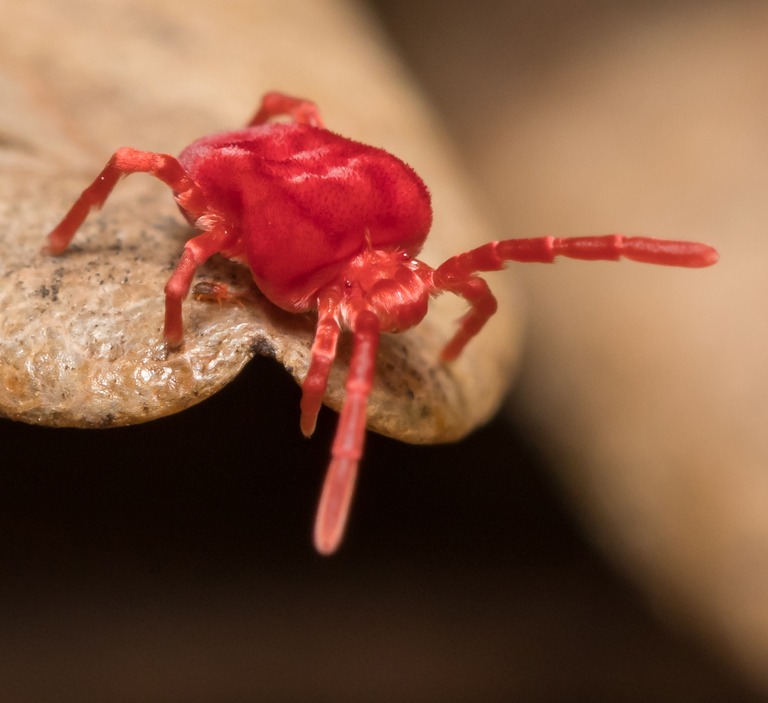
Water mites are tiny red or brown bugs, about the size of a pinhead. They move quickly and are often mistaken for spiders. These mites live in water but can crawl onto the pool frame. While they don’t harm humans, their presence can signal poor pool hygiene or algae problems.
4. Thrips
Thrips are slender, yellow, black, or brown insects, measuring less than 2 mm. They feed on plants but can land on pool frames, especially if you have flowers nearby. Thrips can leave small silver marks or black dots (droppings) behind.
5. Booklice
Booklice (psocids) are soft-bodied, pale insects about 1 mm long. They like damp, shaded spots and feed on mold or algae. Booklice are harmless to people but may signal that your pool area is too humid.
6. Midge Flies
Midge flies are small, mosquito-like insects. While adult midges do not bite, their larvae can develop in standing water. Midges often rest on pool frames and can become a nuisance, especially in the evening.
7. Mosquitoes
Mosquitoes lay eggs in standing water and rest on pool frames during the day. They are easy to identify by their long legs and buzzing flight. Mosquitoes can bite and spread diseases, so controlling them is important.
8. Aphids
Aphids are soft, pear-shaped insects (1-3 mm) that feed on plants. If you have plants near your pool, aphids may crawl onto the frame. They produce sticky honeydew, which attracts ants and mold.
9. Spider Mites
Spider mites are tiny red or green arachnids. They can barely be seen with the naked eye and often create fine webs. Spider mites come from nearby plants and sometimes settle on pool frames.
10. Silverfish
Silverfish are shiny, silver-gray insects, about 13 mm long. They prefer damp, dark places. You might find them under pool covers or in storage, but sometimes they climb onto the frame.
11. Earwigs
Earwigs are dark brown insects with pincers at the back. They hide in cracks and crevices during the day and may appear on pool frames at night, especially if it’s moist.
12. Clover Mites
Clover mites are tiny, red bugs that leave red stains when crushed. They feed on grass and plants and often invade pool areas in the spring.
13. Carpenter Ants
Carpenter ants are larger than regular ants (6-13 mm) and may nest in wooden pool frames. They do not eat wood but can damage it by tunneling.
14. Drain Flies
Drain flies are fuzzy, moth-like insects. They breed in standing water or organic muck, sometimes in pool drains. Adult flies rest on pool frames or walls.
15. Small Beetles
Small beetles like ground beetles or leaf beetles may wander onto pool frames. They are usually harmless but can be a sign of nearby plants.
What Attracts These Bugs To Pool Frames?
Understanding why bugs are attracted to your pool frame helps you stop them. Here’s what draws them in:
- Moisture: Most bugs need water to survive. Pool frames stay wet from splashing, rain, or humidity.
- Food sources: Algae, mold, pollen, and spilled drinks provide food for many insects.
- Shelter: Cracks, crevices, and joints in the pool frame offer hiding spots.
- Nearby plants: Trees, shrubs, and flowers provide homes and food for bugs. Insects often move from plants to the pool area.
- Light: Pool lights at night attract flying insects like midges and mosquitoes.
- Poor maintenance: Dirt, leaves, and algae make the pool frame more inviting to bugs.
How To Identify Bugs On Your Pool Frame
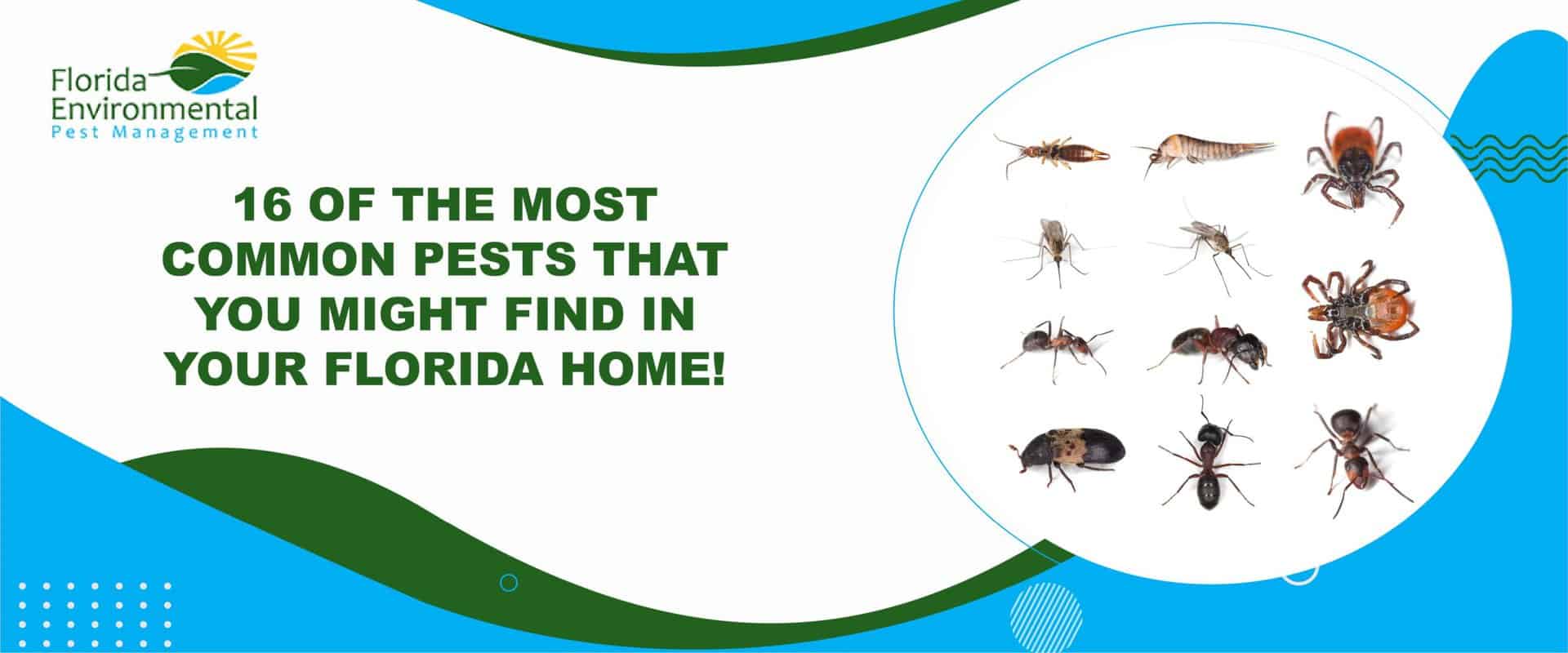
Not all bugs look the same, and misidentifying them can lead to the wrong treatment. Here’s how to identify the most common ones:
- Size and shape: Use a magnifying glass to check the bug’s size and body shape.
- Color: Note if they are red, black, brown, or white.
- Movement: Watch how they move. Do they jump (springtails), run quickly (mites), or fly (mosquitoes)?
- Patterns: Look for lines of ants, webs from spider mites, or sticky residue from aphids.
If you’re unsure, take a close photo and compare it with reliable online resources or ask a local pest expert.
Credit: florida-environmental.com
Are These Bugs Harmful?
Most tiny bugs on pool frames are more annoying than dangerous. However, some can cause problems:
- Springtails, booklice, clover mites, and spider mites are harmless but can be unsightly.
- Mosquitoes can spread diseases and bite swimmers.
- Ants may bite or sting, depending on the species.
- Carpenter ants can damage wooden pool structures.
- Earwigs and silverfish do not harm people but can indicate moisture issues.
- Drain flies may signal poor pool hygiene.
If you see large numbers or notice bites, it’s best to act quickly.
How To Get Rid Of Tiny Bugs On Pool Frames
Removing bugs from your pool frame takes patience, but it is possible. Here are the most effective methods:
1. Manual Removal
Start by physically removing bugs:
- Use a strong spray of water from a hose to wash them off.
- Wipe down the frame with a soft cloth or brush.
- For stubborn bugs, use a mild soap solution (mix a few drops of dish soap in a bucket of water).
Repeat every few days until the bugs are gone.
2. Cleaning And Sanitizing
Clean the pool frame regularly to remove food sources and hiding spots:
- Scrub away algae, mold, and dirt.
- Use a pool-safe cleaner to avoid damaging the frame or water.
- Rinse thoroughly to prevent residue.
Cleaning also helps reduce bug eggs and larvae.
3. Dry The Area
Bugs love moisture. After cleaning, dry the frame with a towel or let it air dry. Fix any leaks or drips. For pool covers, make sure they are dry before storage.
4. Use Insecticides (with Caution)
If bugs keep coming back, you may need an insecticide:
- Choose a product labeled safe for pools.
- Apply only to the frame, not the water.
- Follow the instructions carefully.
- Keep children and pets away until dry.
Never spray insecticides directly into the pool. Some natural alternatives include vinegar, soapy water, or essential oils (peppermint or tea tree oil).
5. Address Nearby Plants
Trim bushes, grass, and flowers near the pool. Remove leaves and debris from the frame and water. This reduces the number of bugs that can reach your pool.
6. Fix Cracks And Gaps
Seal cracks in the pool frame where bugs hide or nest. Use weatherproof caulk for best results.
7. Control Pool Lighting
Turn off or dim pool lights at night if possible. This discourages flying insects.
8. Professional Pest Control
If you have a serious infestation, call a pest control expert. They can identify the bugs and use safe treatments.

Credit: www.metroscreenworks.com
How To Prevent Bugs From Returning
Long-term prevention is better than repeated cleaning. Here’s how to keep bugs away for good:
- Regular Cleaning: Wipe and scrub the pool frame weekly. Remove algae, mold, and debris.
- Dry Surfaces: After swimming or rain, dry the frame and cover.
- Proper Storage: Store pool covers and accessories in dry, sealed containers.
- Limit Plants: Keep trees, bushes, and grass trimmed back from the pool.
- Seal Entry Points: Fill cracks and holes in the frame.
- Maintain Pool Chemistry: Keep water clean and balanced to reduce algae and bacteria.
- Use Barriers: Consider installing a barrier (like gravel or stones) around the pool to keep bugs away.
- Control Outdoor Lighting: Use yellow “bug” bulbs or keep lights off when not needed.
Two insights most beginners miss: first, many bugs are attracted to the pool not just for water but for shelter in tiny cracks; fixing these small gaps is as important as cleaning. Second, regular pool chemistry not only keeps water safe but also prevents algae, which is a major bug food source.
Data: Bug Appearance By Season
Different bugs appear on pool frames at different times of year. Here’s a comparison to help you know what to expect:
| Bug Type | Spring | Summer | Fall | Winter |
|---|---|---|---|---|
| Springtails | High | Medium | Low | Rare |
| Ants | Medium | High | Medium | Low |
| Mosquitoes | Low | High | Medium | Rare |
| Clover Mites | High | Low | Medium | Rare |
| Spider Mites | Medium | Medium | High | Low |
Safe Cleaning Methods For Pool Frames
Pool frames are made of different materials, and each needs special care:
For Metal Frames
- Use a soft brush or cloth.
- Avoid abrasive cleaners that cause rust.
- Rinse well after cleaning.
For Plastic Or Resin Frames
- Use mild soap and water.
- Avoid strong chemicals that can fade or crack plastic.
- Wipe dry after cleaning.
For Wood Frames
- Use a gentle, damp cloth.
- Avoid excess water to prevent rot.
- Consider sealing the wood yearly.
Here’s a quick comparison of cleaning methods:
| Frame Material | Best Cleaner | What to Avoid |
|---|---|---|
| Metal | Mild soap, water | Abrasives, bleach |
| Plastic/Resin | Mild soap, water | Harsh chemicals |
| Wood | Gentle damp cloth | Soaking, strong detergents |
Comparing Prevention Methods
Some methods work better than others, depending on your pool setup and climate. Here’s a quick look:
| Method | Effectiveness | Effort Required | Best For |
|---|---|---|---|
| Regular cleaning | High | Medium | All pools |
| Sealing cracks | High | Low (once) | Older frames |
| Trimming plants | Medium | High | Garden pools |
| Controlling lights | Medium | Low | Night use pools |
| Using barriers | Medium | Medium | Rural areas |
Credit: emoyer.com
Real-world Examples
Many pool owners have faced tiny bug problems. Here are a few common scenarios:
- Family with kids: Noticed lines of ants and small red bugs on the pool frame every spring. They solved it by trimming back bushes, cleaning weekly, and sealing cracks.
- Outdoor pool near woods: Found lots of springtails and mosquitoes. Adding a gravel barrier and improving drainage reduced bugs by 70%.
- Older above-ground pool: Silverfish and booklice were common. Increasing sunlight exposure and drying the frame after use fixed the issue.
These examples show that small changes make a big difference.
When To Call A Professional
Most bug problems can be solved with regular cleaning and simple steps. However, call a pest control expert if:
- Bugs return quickly after cleaning.
- You find nests or tunnels in the frame.
- The infestation spreads to your house.
- You’re dealing with biting bugs or carpenter ants.
Professionals have access to safe, effective treatments and can give you advice for your unique situation.
Tiny Bugs And Pool Water Quality
It’s important to know that bugs on the pool frame can affect the water. Dead bugs, droppings, or eggs can fall into the pool, leading to:
- Cloudy water
- Increased bacteria
- Algae growth
Keeping the frame clean helps your pool water stay clear and safe for swimming. Always skim the water for bugs before use, and check your filter regularly.
Eco-friendly Ways To Control Bugs
If you want to avoid chemicals, try these natural solutions:
- Diatomaceous earth: Sprinkle a thin layer around the pool frame to kill crawling insects.
- Essential oils: Spray diluted peppermint or tea tree oil on the frame (test on a small area first).
- Vinegar solution: Mix equal parts vinegar and water to wipe the frame.
- Manual removal: Use a vacuum or sticky traps for bugs like ants or mites.
Remember, natural methods require more frequent application but are safer for people and pets.
Myths About Pool Bugs
Some common myths can mislead pool owners:
- “Bugs mean the pool is dirty.” Not always—bugs are attracted to moisture, not just dirt.
- “All bugs bite.” Most tiny bugs on frames do not bite humans.
- “Insecticides are always safe.” Many can harm pool water or surfaces if not used properly.
- “You can get rid of bugs once and for all.” Regular maintenance is always needed.
Stay informed and focus on practical prevention.
Frequently Asked Questions
What Are The Most Common Tiny Bugs On Pool Frames?
The most common bugs are springtails, ants, water mites, thrips, and clover mites. The exact type depends on your pool location, nearby plants, and climate. Most are harmless but can be annoying in large numbers.
How Do I Safely Remove Bugs From My Pool Frame?
Start with manual removal using water, a soft brush, or soapy water. Clean the frame regularly, dry it, and trim nearby plants. Use insecticides only as a last resort and follow product instructions closely.
Can Bugs On The Frame Get Into My Pool Water?
Yes, bugs can fall or crawl into the pool. This can lead to dirty water or even algae growth. Skim the water daily and check the filter to keep your pool clean.
Will Chemicals In The Pool Water Keep Bugs Away?
Pool chemicals help control algae and bacteria but may not stop bugs from landing on the frame. Bugs are drawn to moisture and shelter, so regular cleaning and sealing cracks are also necessary.
When Should I Call A Pest Control Professional?
Call a professional if you see large infestations, structural damage (like carpenter ant tunnels), or biting insects. They can identify the bugs and use safe treatments for your pool area.
Keeping your pool frame bug-free takes a little effort, but the rewards are worth it. Regular cleaning, proper pool care, and simple prevention steps will let you enjoy your pool without unwanted pests. For more details about pool bug identification and control, check out resources like the Swimming Pool Sanitation guide from Wikipedia.
Staying informed and acting early will protect your pool, your family, and your peace of mind all season long.