
Cypress wood has a natural beauty and strength that appeals to many woodworkers and homeowners. Its soft, golden color and unique grain patterns make it popular for both indoor and outdoor projects. But one question often comes up: What is the best finish for cypress wood? The answer can be complex because the “best” finish depends on how you plan to use the wood, the environment it will be in, and the look you want to achieve.
This guide explores everything you need to know about finishing cypress wood, from understanding its unique properties to reviewing the top finish options. You’ll find practical advice, real examples, and key tips that even experienced woodworkers sometimes overlook. Whether you’re building outdoor furniture, siding, or an indoor table, this article will help you protect your investment and showcase the natural beauty of cypress.
Why Cypress Wood Needs A Finish
Cypress is valued for its natural durability and resistance to decay, thanks to its chemical makeup. The wood produces an oil called cypressene, which helps it resist rot and insects. However, cypress is not immune to the elements or wear and tear. Here’s why finishing matters:
- UV Protection: Sunlight can break down the surface fibers, causing color fading and surface checking.
- Moisture Defense: Rain, humidity, or spills can cause swelling, warping, and mildew.
- Enhanced Appearance: A finish highlights the grain and color, giving cypress a richer look.
- Longer Life: Finished cypress lasts longer and requires less frequent repairs.
Some people believe cypress doesn’t need a finish, but this is a mistake. Unfinished cypress will eventually turn gray and become rough or even split. A finish acts as a shield, keeping your wood beautiful and strong.
Key Factors When Choosing A Cypress Wood Finish
Before you pick a finish, think about these important factors:
- Location: Is your project indoors or outdoors? Exterior finishes must handle sun, rain, and temperature changes.
- Appearance: Do you want a natural look, a glossy shine, or a colored stain?
- Maintenance: Some finishes last for years, while others need regular touch-ups.
- Application Skill: Are you a beginner or an experienced woodworker? Some finishes are easy to apply; others require more care.
- Project Type: Furniture, siding, decks, and trim all have different needs.
These factors influence not only which finish to choose, but also how to prepare your wood and how often you’ll need to reapply the finish.

Credit: www.reddit.com
Popular Finish Types For Cypress Wood
Let’s look at the most common types of finishes for cypress, with their pros, cons, and best uses.
1. Penetrating Oil Finishes
Penetrating oils, like tung oil and linseed oil, soak into the wood and enhance its natural beauty. They are popular for interior projects and sometimes exterior uses.
Pros:
- Enhance grain and color
- Easy to apply and repair
- Non-glossy, natural look
Cons:
- Require regular reapplication
- Limited moisture protection
- Not ideal for high-traffic surfaces
Example Uses: Indoor furniture, paneling, decorative trim.
2. Oil-based Polyurethane
Oil-based polyurethane is a protective film-forming finish. It creates a hard surface that resists scratches and spills.
Pros:
- Durable and long-lasting
- Good moisture and wear protection
- Available in gloss, semi-gloss, and satin
Cons:
- Slight yellowing over time
- Slower drying
- Can obscure the natural feel of wood
Example Uses: Table tops, cabinets, floors.
3. Water-based Polyurethane
Water-based polyurethane is similar to oil-based, but it dries faster and stays clear.
Pros:
- Dries quickly
- Low odor and VOCs
- Does not yellow
Cons:
- Slightly less durable than oil-based
- May raise wood grain during application
Example Uses: Interior furniture, children’s toys, surfaces needing a clear finish.
4. Exterior Spar Varnish
Spar varnish (also called marine varnish) is made for outdoor use. It is flexible, so it moves with the wood as it expands and contracts.
Pros:
- Best for UV and weather protection
- Water-resistant
- Long-lasting if maintained
Cons:
- Needs multiple coats
- Regular maintenance required
- Can develop a glossy look if not sanded between coats
Example Uses: Outdoor furniture, doors, boats.
5. Stains (oil And Water-based)
Stains add color while showing the wood grain. They can be used alone or under a clear topcoat.
Pros:
- Many color choices
- Highlights grain patterns
- Hides minor flaws
Cons:
- Not much protection by itself
- Needs a clear finish on top
Example Uses: Siding, trim, accent pieces.
6. Paint
Paint offers the most surface protection and color options, but it hides the wood’s natural look.
Pros:
- Maximum UV and moisture barrier
- Many colors and sheens
- Hides imperfections
Cons:
- Covers wood grain completely
- Can peel or crack if not properly applied
Example Uses: Exterior siding, shutters, projects needing strong weather protection.
7. Clear Sealer
Clear sealers (like acrylic or water repellent sealers) are simple products that soak into the wood and protect against water.
Pros:
- Easy to apply
- Maintains natural look
- Reduces water absorption
Cons:
- Limited protection against UV and wear
- Needs frequent reapplication
Example Uses: Fences, decks, outdoor furniture.
8. Wax Finish
Wax is sometimes used as a final layer on top of oil or shellac finishes, mainly for indoor projects.
Pros:
- Soft, smooth feel
- Easy to buff to a shine
- Simple repairs
Cons:
- Not durable by itself
- Poor water and heat resistance
- Requires regular upkeep
Example Uses: Small decorative items, picture frames, antique restoration.
Comparing Cypress Wood Finishes
The table below compares common cypress wood finishes by key factors. This can help you match your needs with the right finish.
| Finish Type | Best For | Protection Level | Maintenance | Appearance |
|---|---|---|---|---|
| Penetrating Oil | Indoor furniture, trim | Low-Medium | Yearly reapplication | Natural, matte |
| Oil-Based Polyurethane | High-wear surfaces | High | 5-10 years | Glossy to satin |
| Water-Based Polyurethane | Clear finishes | Medium-High | 5-7 years | Clear, low gloss |
| Spar Varnish | Outdoor use | Very High | 2-5 years | Glossy/semi-gloss |
| Stain & Sealer | Color & grain | Medium | 3-5 years | Varied |
| Paint | Full coverage | Maximum | 5-10 years | Opaque |
| Clear Sealer | Fences, decks | Low-Medium | 1-2 years | Natural |
| Wax | Decorative | Low | 6-12 months | Soft sheen |

Credit: www.reddit.com
How To Prepare Cypress Wood For Finishing
Proper preparation is critical for a beautiful and lasting finish. Here’s how to get cypress ready:
- Dry the Wood: Cypress should be dry before finishing. Moisture content should be below 15% for outdoor use and 8-12% for indoor projects. Use a moisture meter for accuracy.
- Sand Smoothly: Start with 100-grit sandpaper, then move to 150 or 180 grit. Sand with the grain to avoid scratches.
- Remove Dust: Wipe with a tack cloth or vacuum. Dust can cause bumps in the finish.
- Apply Conditioner (Optional): For some stains, a wood conditioner helps get even color and prevents blotching.
- Test the Finish: Always test on a scrap piece first. Cypress can have areas that absorb finish differently.
These steps help prevent common problems, like uneven absorption or rough surfaces.
Application Tips For Each Finish
Applying the finish correctly is just as important as choosing the right product. Let’s look at best practices for each finish type.
Penetrating Oil
- Apply with a clean rag or brush.
- Let oil soak in for 15-30 minutes, then wipe off excess.
- Reapply every 12-18 months, or when the wood looks dry.
Oil-based Polyurethane
- Stir, don’t shake, to avoid bubbles.
- Apply thin coats with a brush or foam applicator.
- Sand lightly between coats with 220-grit sandpaper.
- Usually 2-3 coats are enough.
Water-based Polyurethane
- Use a synthetic brush or foam pad.
- Work in a dust-free area; water-based finishes dry fast.
- Sand lightly between coats.
- Apply 3-4 thin coats for best protection.
Spar Varnish
- Best applied in warm, dry weather.
- Thin the first coat with mineral spirits for better penetration.
- Apply 3-5 coats, sanding between each.
- Maintain by adding a fresh coat every 2-3 years.
Stain
- Apply evenly with a brush or cloth.
- Wipe off excess after 5-15 minutes.
- Let it dry fully before adding a clear sealer.
Paint
- Use a quality exterior primer if outdoors.
- Apply two finish coats, sanding lightly between.
- Use acrylic latex for flexibility and weather resistance.
Clear Sealer
- Apply with a pump sprayer, brush, or roller.
- Recoat as needed, usually every 1-2 years for outdoors.
Wax
- Rub on a thin layer with a soft cloth.
- Buff to a shine after it dries.
- Repeat as needed for a smooth feel.
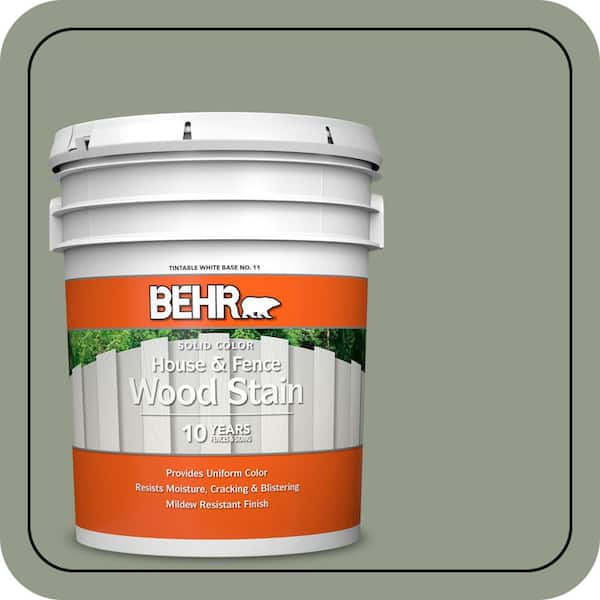
Credit: www.homedepot.com
Common Mistakes To Avoid
Many people make small errors that can shorten the life of their cypress finish. Here are some to watch out for:
- Skipping Sanding: Rough wood absorbs finish unevenly.
- Applying in Humid or Cold Weather: Finishes may not dry properly.
- Using Interior Finishes Outdoors: These break down quickly in sun and rain.
- Too Thick Coats: Thick layers can sag, bubble, or not cure fully.
- Ignoring Maintenance: Even the best finish needs a refresh from time to time.
Real-world Examples: What Works Best?
What works best for cypress depends on the situation. Here are a few common examples:
Outdoor Furniture
Cypress used outdoors needs the toughest protection. Many experts recommend a high-quality spar varnish or a combination of stain and exterior sealer. For the first coat, thin the varnish to help it soak into the wood. Maintain with a fresh coat every few years.
Siding And Trim
Paint is often the best finish for cypress siding and trim because it seals out water and blocks UV rays. Use an acrylic latex primer and two coats of paint. For a natural look, a penetrating oil stain followed by a clear sealer works well but needs more frequent care.
Indoor Tables
For high-use indoor surfaces, oil-based polyurethane is a strong choice. It resists spills and scratches. For a more natural look, use a few coats of tung oil, but be ready to reapply as needed.
Decorative Items
For small projects, a simple oil and wax finish shows off the wood’s beauty and is easy to refresh.
How Finish Choices Affect Cypress Over Time
The finish you choose not only affects how cypress looks today but also how it ages. For example:
- Oiled wood develops a rich patina but may darken with repeated coats.
- Polyurethane keeps its look for years but can chip if damaged.
- Painted cypress holds up for a decade or more, but peeling paint must be scraped and repainted.
- Varnished cypress will eventually lose its gloss and may develop fine cracks if not maintained.
Understanding these changes helps you plan for the long-term care of your cypress project.
Advanced Tips That Beginners Often Miss
- End Grain Sealing: The ends of cypress boards soak up more moisture. Always seal the end grain with extra finish or a dedicated sealer to prevent splitting.
- UV-Blocking Additives: Some clear finishes contain UV blockers, which slow color fading. Look for “UV stabilized” on the label, especially for outdoor use.
- Mixing Finishes: For special projects, you can use a stain for color, then top with polyurethane or varnish for extra protection. Always test compatibility first.
- Don’t Forget Undersides: For outdoor furniture or siding, finish the back and edges, not just the visible faces. This helps prevent warping and water damage.
Environmental And Health Considerations
Today, many people want safer, greener finishing options. Water-based polyurethanes and natural oils often have lower volatile organic compounds (VOCs) compared to traditional oil-based products. Always read the safety data on your finish, use good ventilation, and wear gloves or a mask if needed.
Disposing of oily rags safely is also important—they can catch fire if left in a pile. Dry them flat or soak in water before disposal.
Product Recommendations: What Do Experts Use?
Many woodworkers and contractors have favorite brands. For cypress, these are well-trusted:
- General Finishes Arm-R-Seal (oil-based polyurethane): Excellent for interior tables and cabinets.
- Epifanes Clear Varnish (spar varnish): Top choice for outdoor furniture and boats.
- Minwax Water-Based Polyurethane: Good for indoor projects, low odor.
- Cabot Australian Timber Oil: Popular for decks and outdoor wood.
- Benjamin Moore Aura Exterior Paint: Leading paint for cypress siding and trim.
Always check that the product matches your project (interior vs exterior) and follow the manufacturer’s instructions.
Realistic Maintenance: What To Expect
No finish lasts forever. Plan to check your cypress projects at least once a year. Clean the surface, look for fading or peeling, and touch up as needed. Painted surfaces may last 7-10 years before needing a full repaint, while oil finishes may need refreshing every year or two.
Pro tip: Keeping cypress clean and dry extends finish life. Remove leaves, dirt, and standing water as soon as possible.
Cost Comparison: Finishes For Cypress
Finishing cypress can vary in cost. Here’s a guide to average prices and how much you’ll need.
| Finish Type | Price per Quart (USD) | Covers (sq. ft.) | Reapplication Time |
|---|---|---|---|
| Penetrating Oil | $12 – $20 | 100 – 150 | 12-18 months |
| Oil-Based Polyurethane | $15 – $25 | 125 – 150 | 5-10 years |
| Spar Varnish | $18 – $35 | 125 – 175 | 2-5 years |
| Paint | $18 – $40 | 100 – 120 | 7-10 years |
| Clear Sealer | $10 – $18 | 150 – 200 | 1-2 years |
Keep in mind that the initial cost is only part of the equation. Maintenance and reapplication over time also impact the total cost.
Frequently Asked Questions
What Is The Best Finish For Outdoor Cypress Wood?
For outdoor cypress, a spar varnish or an exterior-grade paint gives the best protection against sun, rain, and temperature changes. Spar varnish is clear and flexible, while paint provides a solid color and the strongest barrier.
Can I Leave Cypress Wood Unfinished?
You can, but it will slowly turn gray and become rough. Unfinished cypress is more likely to warp, crack, and develop mildew, especially outdoors. A finish extends the wood’s life and keeps it looking attractive.
How Often Should I Reapply Finish To Cypress Wood?
It depends on the finish and location. Oil and clear sealer need refreshing every 1-2 years outdoors. Spar varnish lasts 2-5 years, while paint can go 7-10 years before needing a new coat. Indoors, polyurethane can last a decade or more.
Does Cypress Wood Need A Primer Before Painting?
Yes, using a high-quality exterior primer is recommended. It helps the paint stick better, improves water resistance, and makes the color last longer. Don’t skip priming, especially for outdoor projects.
What’s The Safest Finish For Cypress Wood Used Around Food Or Children?
Water-based polyurethane and natural oils like pure tung oil are safe choices once fully cured. They have low odors and VOCs. Always check that the product is labeled as “food safe” or “non-toxic” if used for cutting boards or toys.
Cypress wood is a beautiful, durable material with many finish options. By choosing the right finish for your specific project and following these tips, you can enjoy your cypress for many years. For more information on wood finishing and best practices, you can visit the Wikipedia Wood Finishing page.