
If you walk into your home and suddenly notice a strong smell of gasoline, it can be alarming. This odor is not only unpleasant, but it could also signal a serious safety risk. Many people wonder, “Why does it smell like gasoline in my house?
” and worry about what to do next. Understanding the possible causes, dangers, and solutions is essential for keeping your family and property safe.
Gasoline fumes inside a house are never normal. The scent may come from many different sources. Sometimes, the cause is simple and easy to fix. In other cases, it can be a sign of a dangerous leak or a health hazard that needs urgent attention.
As a calm expert, I’ll walk you through all the reasons why your home might smell like gasoline, what you should do immediately, and how to prevent such problems in the future. This guide will give you the knowledge and confidence you need to handle the situation wisely.
What Does Gasoline Smell Like?
The smell of gasoline is very unique. Many people describe it as sharp, chemical, and slightly sweet. It’s easy to recognize, but sometimes, people confuse it with other strong odors.
Gasoline contains chemicals called volatile organic compounds (VOCs). These chemicals evaporate quickly, which is why you can smell gasoline even from a small spill. The main ingredient, benzene, is responsible for the sweet, gasoline-like aroma. Even in low amounts, the scent can be noticeable and can linger for hours or even days.
Some people enjoy the smell, but it’s important to remember that gasoline fumes are toxic. Prolonged exposure can cause headaches, dizziness, and more serious health effects. If you ever detect this odor in your home, treat it as a warning sign.
Common Causes Of Gasoline Smell In The House
Understanding the source of the smell is the first step to solving the problem. Here are the most common reasons you might notice a gasoline odor indoors.
1. Gasoline Leaks From Stored Containers
Many households keep small amounts of gasoline for lawnmowers, snow blowers, or other tools. If these containers are not sealed tightly or are stored in the wrong place, fumes can escape and enter your living area.
- Leaky or old gas cans can let vapor seep out.
- Storing gasoline in basements or attached garages increases the chance of fumes entering the house.
- Sometimes, even a tiny spill can cause a strong smell.
2. Car Or Motorcycle In Attached Garage
If you have an attached garage, gasoline fumes from your vehicle can easily drift into your home.
- Fuel leaks from cars, motorcycles, or lawn equipment.
- Evaporation from gas tanks, especially in hot weather.
- Starting your car in the garage and letting it idle can fill the space with fumes.
3. Faulty Fuel-powered Appliances
Some homes use appliances that run on gasoline, diesel, or other fuels.
- Portable generators, snow blowers, or pressure washers can leak fuel.
- Malfunctioning appliances can release fumes even when not in use.
- Fuel lines or tanks may develop cracks over time.
4. Plumbing Or Sewer Issues
It may sound strange, but problems with your plumbing or sewer system can sometimes create odors that smell like gasoline.
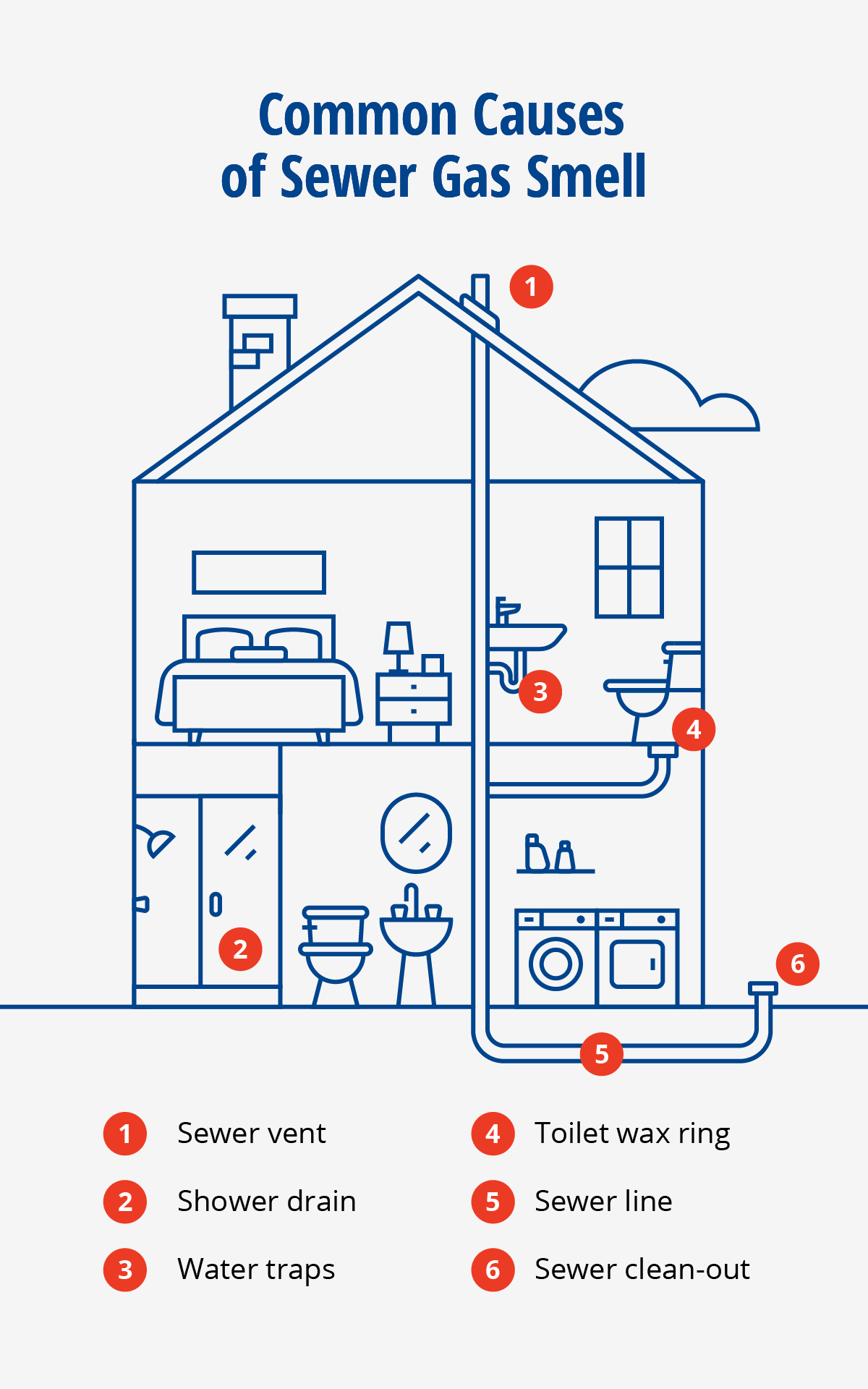
- Dry P-traps in sinks or floor drains let sewer gases into the house. Some of these gases can have a chemical or gasoline-like smell.
- Cracked or broken sewer lines under the house can let in outside chemicals or hydrocarbons.
5. Nearby Gasoline Spills Or Soil Contamination
Sometimes, the source is outside your house but still affects your indoor air.
- Gasoline spills in the yard, driveway, or street can let fumes into the home, especially through basements or crawl spaces.
- Underground fuel tanks (common in older homes) can leak over time. The fumes travel through the soil and can enter the house through foundation cracks.
6. Hvac System Problems
Your heating, ventilation, and air conditioning (HVAC) system can spread odors throughout your house.
- If the system pulls in air from the garage or basement, it can circulate gasoline fumes.
- Leaks in the ductwork let outside odors mix with indoor air.
7. Chemical Storage Or Misuse
Some household chemicals and cleaning products contain solvents that smell similar to gasoline.
- Paint thinners, degreasers, or certain adhesives can mimic a gasoline odor.
- Improperly stored chemicals can leak or evaporate, especially in warm weather.
8. Malfunctioning Oil Furnace Or Boiler
If your home uses an oil furnace or boiler for heating, a malfunction can create smells similar to gasoline.
- Oil leaks or incomplete combustion can fill your house with a strong fuel odor.
- Poorly maintained systems are more likely to have problems.
9. Recent Home Repairs Or Renovation
Certain repair activities or construction materials can leave a temporary gasoline-like scent.
- Using strong adhesives, solvents, or finishes indoors.
- Repairs involving fuel-powered equipment inside or near the home.
10. Unusual Causes
In rare cases, the cause is less obvious.
- Vandalism or accidental spills near your property.
- Neighbors using gasoline-powered equipment close to your air intake.
- Animals bringing in contaminated objects.

Credit: www.angi.com
How Dangerous Is The Gasoline Smell In Your Home?
It’s important to know that gasoline fumes are not just unpleasant—they are dangerous. Here’s why:
- Gasoline vapors are flammable and can ignite at low temperatures.
- The fumes contain chemicals like benzene, which are toxic and can cause health problems.
- Even short-term exposure can cause headaches, dizziness, nausea, or confusion.
- Long-term exposure increases the risk of serious illnesses, including cancer.
The greatest danger is fire or explosion. If enough vapor builds up and there’s a spark (from a light switch, appliance, or static electricity), it can ignite instantly.
Key Data: Dangers Of Gasoline Fumes
| Health Effect | Exposure Level | Symptoms |
|---|---|---|
| Mild | Short exposure to low vapor | Headache, irritation, mild nausea |
| Moderate | Prolonged exposure, poor ventilation | Dizziness, confusion, eye/throat irritation |
| Severe | High concentration or long exposure | Unconsciousness, organ damage, cancer risk |
Never ignore a gasoline smell in your home. If you notice it, act quickly.
Immediate Steps To Take If You Smell Gasoline
If you detect a gasoline odor in your house, your first priority is safety. Here are the steps you should follow:
1. Do Not Ignore The Smell
A gasoline odor is not normal and should never be dismissed. Even if the smell is faint, it needs immediate attention.
2. Ventilate The Area
Open windows and doors to let fresh air in. This will help reduce the concentration of fumes. Avoid using fans or anything that could cause a spark.
3. Avoid Flames And Sparks
Do not light matches, candles, or cigarettes. Don’t turn electrical switches on or off. Gasoline fumes can ignite easily.
4. Evacuate If The Smell Is Strong
If the odor is intense or you feel dizzy, leave the house immediately. Call emergency services from outside the building.
5. Check Obvious Sources
If it’s safe, look for spilled gasoline, open containers, or leaking equipment in garages or basements. Do not touch or move anything if you suspect a large spill.
6. Shut Off Fuel Sources
If you can safely do so, turn off any fuel-powered appliances, vehicles, or equipment.
7. Call For Professional Help
If you can’t find the source or the smell is strong, contact your local fire department or a licensed contractor.
What To Avoid
- Don’t try to “cover up” the smell with air fresheners.
- Don’t ignore symptoms like headache, nausea, or burning eyes.
- Don’t use any electrical equipment near the smell.
How To Find The Source Of The Gasoline Smell
Finding the exact cause of the odor can be tricky, but it’s essential for a permanent fix. Here’s how you can track it down:
Inspect The Garage And Storage Areas
- Check for gasoline containers that may be leaking or have loose caps.
- Look under vehicles for puddles or stains.
- Inspect lawn mowers, snow blowers, and other equipment for leaks.
Examine Appliances And Heating Systems
- Inspect any fuel-powered appliances for leaks or damage.
- Look for oil stains around furnaces, boilers, or water heaters.
Check The Basement And Crawl Spaces
- Sniff near drains and floor openings.
- Look for signs of soil contamination or old fuel tanks.
Smell Near Air Vents And Ducts
- If the odor is strongest near a vent, your HVAC system might be spreading the fumes.
- Check the furnace room and air intake areas.
Investigate Plumbing And Sewer
- Pour water into any unused drains to refill P-traps.
- Listen for gurgling sounds or check for slow drains, which may indicate venting problems.
Use A Gas Detector
A portable gas detector can help identify dangerous levels of fumes. These devices are available for home use and can provide peace of mind. However, they are not a substitute for professional inspection.
When To Call A Professional
If you cannot find the source quickly, or if the smell is strong, it’s best to contact a licensed professional. They have the tools and experience to safely locate and fix the problem.
Comparing Common Sources: Indoor Vs. Outdoor
Sometimes, it’s hard to know if the smell is coming from inside your house or from outside. The following table shows key differences between indoor and outdoor sources.
| Source Location | Common Signs | Typical Solutions |
|---|---|---|
| Indoor | Strongest near garage, basement, or storage areas; visible spills | Remove/repair source, ventilate, clean spills |
| Outdoor | Smell near foundation, especially after rain; no visible indoor spills | Check for soil contamination, repair leaks, seal cracks |
Understanding where the smell is strongest can help you narrow down the list of possible causes.
Health Effects Of Gasoline Exposure
Even small amounts of gasoline vapor can affect your health. The risk depends on how strong the odor is, how long you’re exposed, and your personal health.
Short-term Effects
- Headache
- Nausea
- Dizziness
- Throat and eye irritation
- Feeling tired or confused
These symptoms usually go away after leaving the area and breathing fresh air.
Long-term Effects
- Damage to the nervous system
- Liver and kidney problems
- Increased cancer risk (especially from benzene)
- Respiratory issues in children, elderly, or people with asthma
Children and pets are especially sensitive. If you or anyone in your family feels sick after smelling gasoline, seek medical help.
Special Caution: Invisible Symptoms
Some effects, like confusion or memory problems, can develop slowly. If you experience mood changes or trouble thinking clearly, it could be from ongoing exposure.
Preventing Gasoline Smells In Your Home
Prevention is always better than cure. Here are proven ways to avoid gasoline odors in your home:
Store Gasoline Properly
- Use only approved fuel containers with tight-fitting lids.
- Keep gasoline in outdoor sheds or detached garages, never inside your home or basement.
- Store containers away from heat sources and direct sunlight.
Maintain Vehicles And Equipment
- Check for leaks or fuel smells after using cars, mowers, or other machines.
- Fix any leaks right away.
- Don’t leave engines running in the garage.
Keep Your Home Well-ventilated
- Make sure your garage is well-ventilated, especially if it’s attached to your house.
- Use exhaust fans or open doors when working with gasoline-powered tools.
Regularly Inspect Heating And Plumbing
- Have your furnace, boiler, and water heater serviced yearly.
- Check for oil or fuel leaks around heating appliances.
- Pour water into unused drains to keep P-traps filled.
Be Careful With Chemicals
- Avoid storing strong solvents, thinners, or adhesives indoors.
- Read labels and follow safety instructions.
- Dispose of old chemicals safely.
Seal Entry Points
- Seal cracks in the foundation, basement walls, and around pipes.
- Install vapor barriers if you live in an area with contaminated soil.
Educate Everyone In The Home
- Teach family members not to bring gasoline or chemicals inside.
- Make sure everyone knows what to do if they smell gasoline.
Credit: rainbowrestores.com
Professional Help: When And Who To Call
Sometimes, the problem is too big or too risky to handle alone. Here’s when to get expert help:
Fire Department
- If the smell is strong or you suspect a major spill, leave the house and call 911.
- Firefighters have equipment to handle dangerous fumes and can check for explosive levels.
Licensed Plumber Or Hvac Technician
- If you suspect a leak in your heating or plumbing system, call a licensed professional.
- They can find and repair leaks safely.
Environmental Remediation Services
- For ongoing or severe odors, or if you suspect soil contamination, you may need a specialist.
- These experts can test your air and soil, remove contaminants, and recommend repairs.
Home Inspector
- If you’re buying a new home or notice unexplained odors, a certified home inspector can check for hidden risks.
Choosing The Right Professional
Not every contractor is qualified to handle gasoline fumes. Always check licenses and experience. If you’re unsure, your local health department or fire service can recommend reliable experts.
Myths And Misunderstandings About Gasoline Smells
Many homeowners make mistakes because of common myths. Here are a few to avoid:
- Myth: The smell will go away on its own.
Gasoline odors may fade, but the cause remains. Ignoring the smell can lead to fire or health risks.
- Myth: Air fresheners or candles can fix the problem.
These only hide the smell. The dangerous fumes are still present.
- Myth: Only large spills are dangerous.
Even small leaks can produce enough vapor for a fire.
- Myth: It’s safe if you can’t see a spill.
Gasoline vapor is invisible and can travel far from the source.
- Myth: The smell is always from inside the house.
Outdoor sources, like soil contamination, can be just as risky.
Being aware of these myths helps you take the right action and keep your home safe.
Real-life Examples Of Gasoline Smell Problems
To understand the risks, here are a few real cases:
- A family in Chicago noticed a gasoline odor in their basement. After weeks of headaches and confusion, they discovered a leaking underground fuel tank from a previous owner. Soil remediation was required, costing thousands of dollars.
- A homeowner in Texas stored gasoline for their lawnmower in the attached garage. The can leaked, and fumes entered the house through the HVAC system. Quick action prevented a fire, but the smell lingered for days.
- A New York apartment resident detected a faint gasoline scent. It turned out to be a neighbor’s motorcycle leaking fuel in the shared basement. The building had to be ventilated and repaired.
These cases show that the problem can happen anywhere, and the solution often requires professional help.
Cost Comparison: Diy Vs. Professional Remediation
It’s natural to wonder if you can fix the problem yourself or if you need to hire help. Here’s a cost comparison to help you decide.
| Solution | Average Cost (USD) | When to Use |
|---|---|---|
| DIY Cleanup (small spill) | $10 – $50 | Minor spills, known source, well-ventilated area |
| Professional Inspection | $150 – $500 | Unknown source, ongoing smell, health symptoms |
| Soil Remediation | $2,000 – $10,000+ | Leaking underground tanks, widespread contamination |
| HVAC Duct Cleaning | $300 – $700 | Odor spread by vents, after fixing source |
While DIY cleanup is possible for very small spills, most gasoline odors inside the home should be checked by a professional to avoid hidden dangers.
Non-obvious Insights Most People Miss
- Gasoline fumes can travel through concrete and soil. Many people think concrete foundations are airtight, but fumes can seep through small cracks and enter the home from contaminated soil or tanks.
- HVAC systems can pull in outside air. If the air intake is near a garage or contaminated ground, even small amounts of vapor can be spread throughout the house.
- Old heating oil tanks are a hidden risk. Even if your home no longer uses oil heating, abandoned tanks may still be buried underground and can leak over time.
How Long Does The Smell Last After A Spill?
The answer depends on how much was spilled, ventilation, and the materials involved. Small spills on non-porous surfaces (like concrete) may disappear in a few hours with good ventilation. Spills on carpet, wood, or soil can last days or weeks.
If the smell lasts more than 24 hours after cleanup, there’s likely a hidden source or poor ventilation. Persistent odors need professional attention.
When To Be Extra Cautious
Some situations need special care:
- If you have infants, elderly, or people with breathing problems in the home, act faster.
- If your home is older or you recently bought it, check for hidden tanks or previous leaks.
- If you smell gasoline after heavy rain, it could mean outside contamination is seeping in.
Useful Resources
To learn more about hazardous household fumes, visit the Centers for Disease Control and Prevention (CDC).

Credit: www.confused.com
Frequently Asked Questions
What Should I Do First If I Smell Gasoline In My House?
Open windows and doors to air out the house. Avoid using anything that could cause a spark. If the odor is strong or you feel sick, leave the house and call emergency services.
Is It Safe To Sleep In A House That Smells Like Gasoline?
No, it is not safe. Gasoline fumes can cause health problems and may be flammable. Always fix the cause before staying in the house.
Can Gasoline Fumes Come From Outside Sources?
Yes, fumes can enter your home from outside spills, leaking underground tanks, or contaminated soil. These fumes can move through cracks and foundations.
How Can I Prevent Gasoline Smells In The Future?
Store gasoline in approved containers, keep it outside the home, maintain vehicles and appliances, and seal entry points. Regularly check for leaks and keep drains filled with water.
When Should I Call A Professional For A Gasoline Smell?
If you can’t find the source, the smell is strong, or you feel sick, call a licensed professional or your local fire department right away. Persistent or unexplained odors always need expert help.
A gasoline smell in your home is never just a minor annoyance. It signals a real risk to your health and safety. By understanding the causes, acting quickly, and taking steps to prevent future problems, you can keep your home and family safe.
If in doubt, always seek professional help—your peace of mind and safety are worth it.