
If you keep checking the pH in your pool, aquarium, hydroponic system, or even your drinking water—and notice it always creeps higher—it can be frustrating. You adjust it, but after a few days or weeks, it rises again. This is a common issue, but the reasons are not always obvious. Understanding why your pH keeps going up is the first step to solving the problem for good.
Many people think pH is just about adding chemicals. In reality, pH is affected by the water’s chemistry, environment, and even the way you use your system. High pH levels can cause cloudy water, scaling, poor plant growth, and fish stress.
If you want healthy water, you need to know what makes pH rise—and what you can do about it.
Let’s explore the real reasons behind rising pH, how to fix it, and what you should watch out for. We’ll cover pools, aquariums, hydroponics, and more, so you get a full picture. By the end, you’ll have a clear plan to keep your pH stable and your water in great shape.
Understanding Ph: The Basics
Before we dive into the reasons, it’s important to know what pH means. pH stands for “potential of hydrogen” and measures how acidic or alkaline (basic) your water is. The pH scale goes from 0 to 14:
- PH 7: Neutral (pure water)
- Below 7: Acidic
- Above 7: Alkaline (basic)
Most pools, aquariums, and hydroponic systems work best with pH between 6.5 and 8.0, depending on the type. When your pH is too high, you get problems like calcium deposits, poor nutrient absorption, or sick fish.
Common Reasons Why Ph Keeps Going Up
There isn’t one single cause for rising pH. Often, it’s a mix of factors. Here are the most common reasons, with details for each type of water system.
1. High Alkalinity
Alkalinity is your water’s ability to neutralize acids. If your water has high alkalinity, it resists changes in pH—but it also tends to push pH up over time.
- In pools: High alkalinity means pH keeps drifting up, even if you add acid.
- In aquariums: Hard tap water often has both high pH and high alkalinity.
To fix it, you need to reduce alkalinity, not just pH. This often means adding acid slowly and allowing the water to “gas off” carbon dioxide.
2. Low Carbon Dioxide Levels
Carbon dioxide (CO₂) in water forms a weak acid. If CO₂ levels drop, the water becomes less acidic and the pH goes up.
- In pools: Aeration (from jets, waterfalls, or splashing) lets CO₂ escape, raising pH.
- In hydroponics: Air stones or pumps can lower CO₂, pushing up pH.
- In aquariums: Strong surface agitation removes CO₂.
A surprising tip: Reducing water agitation can help keep CO₂ in, which keeps pH from rising.
3. Too Much Aeration
Extra aeration (adding air to water) can make pH rise, especially if your alkalinity is already high.
- Pools: Running fountains or waterfalls all day
- Aquariums: Strong air pumps or filters that churn the surface
- Hydroponics: High-powered air stones
When air mixes with water, CO₂ is released. Less CO₂ means higher pH.
4. Source Water With High Ph
Sometimes, the water you start with already has a high pH. This is common in areas with hard water (high in minerals like calcium and magnesium).
- Tap water: Many cities add alkaline chemicals to protect pipes.
- Well water: Often has a natural high pH.
If you keep topping up your system with this water, the pH will keep climbing.
5. Use Of Alkaline Chemicals
Adding certain chemicals can push pH up, even if you don’t mean to.
- Baking soda (sodium bicarbonate): Raises alkalinity and pH.
- Soda ash (sodium carbonate): Strongly raises pH.
- Algaecides or clarifiers: Some contain ingredients that affect pH.
Beginners often use these to “fix” other problems, but end up raising pH by accident.
6. Lack Of Acidic Inputs
If your water doesn’t get any acidic inputs, pH will slowly rise over time. This is often overlooked.
- In aquariums: No driftwood or peat to add acids.
- In hydroponics: Not enough acid in nutrients.
- In pools: Not enough acid added to balance out high alkalinity.
Adding small, regular amounts of acid (like muriatic acid or pH Down) can help keep things stable.
7. Algae Blooms
When algae grow, they use up CO₂ during the day for photosynthesis. This pulls CO₂ out of the water, so pH rises.
- Pools: Green or cloudy water often means algae are present.
- Aquariums: Sudden pH jumps are common with green water.
- Hydroponics: Algae growth in reservoirs can spike pH.
At night, algae stop photosynthesis and pH can drop again. If your pH swings a lot between day and night, algae might be the cause.
8. High Temperature
Warm water holds less CO₂. As water heats up, CO₂ escapes, which raises pH.
- Pools in hot climates: PH rises faster in summer.
- Aquariums: Lights or heaters can warm water, especially in small tanks.
- Hydroponics: Greenhouses can get very warm, pushing pH up.
Controlling temperature can help keep pH from rising too quickly.
9. Biological Activity
Bacteria and plants can change pH in several ways.
- Plants: During the day, they use CO₂ (raising pH). At night, they release CO₂ (lowering pH).
- Bacteria: Some bacteria (especially nitrifying bacteria in aquariums or biofilters) produce acids, but others can raise pH by breaking down organic matter.
If you add lots of plants, or have a strong biological filter, pH swings are common.
10. Calcium Or Other Mineral Build-up
If your system has hard water, minerals like calcium, magnesium, or potassium can accumulate. Over time, these minerals buffer the water and push pH up.
- Pools: White scaling is a sign of high calcium.
- Aquariums: Crusty deposits on glass or equipment.
- Hydroponics: Salt build-up in tanks or pipes.
Regular cleaning and partial water changes help prevent this.
11. Evaporation And Top-ups
When water evaporates, only pure H₂O leaves—the minerals stay behind. If you keep topping up with tap water, minerals (and pH) slowly increase.
This effect is slow, but in hot weather or open tanks, it adds up.
12. Incorrect Ph Testing
Sometimes, your pH isn’t really changing—the test kit or meter is wrong.
- Old test strips: Lose accuracy with age.
- Dirty probes: Give false high readings.
- Testing at different times: PH naturally varies through the day.
Check your testing method if the numbers don’t match what you see in the water.
13. Poor Water Circulation
If your water isn’t moving well, “dead spots” can develop with different pH than the rest of the system. When you finally mix the water, you might see a sudden jump in pH.
Good circulation helps keep all parts of the system at the same pH.
14. Overfeeding Or Overuse Of Organics
In aquariums and hydroponics, too much fish food or plant debris can cause bacteria blooms, which use up acids and raise pH.
If you see cloudy water or lots of debris, cut back on feeding and clean up excess waste.
15. Water Additives And Supplements
Many water conditioners, vitamins, or plant supplements are alkaline and can slowly push pH up. Always read labels and test after adding anything.

Credit: www.reddit.com
How To Diagnose Why Your Ph Is Going Up
Knowing the cause is half the battle. Here’s how to find out what’s happening in your system.
Step 1: Test Ph And Alkalinity Regularly
Test at the same time each day for a week. Also test alkalinity—not just pH. If alkalinity is high, that’s likely your main problem.
Step 2: Check Your Source Water
Test the pH and alkalinity of your tap, well, or top-up water. If it’s high, you’ll need to treat it before adding.
Step 3: Look For Algae Or Debris
Algae blooms or lots of organics can cause pH swings. Check for green water, slimy surfaces, or cloudy water.
Step 4: Review Chemicals And Additives
Check what you’re adding—baking soda, supplements, conditioners, etc. Anything that says “buffers” or “increases alkalinity” can raise pH.
Step 5: Watch Aeration And Water Movement
If you have lots of splashing, fountains, or air stones, you may be losing CO₂. Try turning them down and see if pH stabilizes.
Step 6: Check Equipment And Test Kits
Make sure your test kits aren’t expired and your probes are clean. Test with a second kit if you’re not sure.
Solutions For Controlling High Ph
Now let’s look at practical ways to stop pH from rising. Choose the method that fits your system.
Lowering Alkalinity
If your alkalinity is high, lowering it will make pH easier to control. Here’s a simple process:
- Add acid (muriatic acid for pools, pH Down for aquariums/hydroponics) slowly.
- Run the system with good aeration for a few hours.
- Test pH and alkalinity. Repeat until alkalinity is in the right range.
Tip: Don’t try to lower pH and alkalinity all at once. It’s safer to go slow and test often.
Reducing Aeration
Turn down fountains, waterfalls, or air stones. If you need aeration for fish or plants, find a balance—just enough for oxygen, but not so much that CO₂ escapes too fast.
Treating Source Water
If your tap or well water is high in pH, use:
- Reverse osmosis (RO) filters: Removes minerals and lowers pH.
- Acid injection systems: For large pools or farms.
- Mixing with distilled water: For small tanks or hydroponics.
Adding Acidic Inputs
Add small amounts of acid regularly to keep pH down:
- Muriatic acid: For pools (very strong, handle with care).
- PH Down: For aquariums and hydroponics.
- Natural acids: Like peat moss or driftwood for aquariums.
Always dilute acids before adding, and add slowly to avoid sudden swings.
Controlling Algae
To stop algae from raising pH:
- Reduce light exposure (cover tanks or use timers).
- Clean surfaces and remove algae by hand.
- Use algaecides (for pools) or safe treatments (for aquariums/hydroponics).
- Keep nutrients in balance—don’t overfeed plants or fish.
Managing Temperature
Keep water cool where possible:
- Use covers or shades for outdoor pools and hydroponics.
- Run lights on timers for aquariums.
- Add fans or chillers if needed.
Improving Circulation
Make sure pumps and filters reach all parts of the system. Move decorations or plants that block flow. In hydroponics, clean out pipes and tanks regularly.
Changing Water
Partial water changes help dilute minerals and lower pH. Use treated or filtered water if your tap source is high.
Tip: Change 10-20% of the water each week, rather than big changes all at once.
Watching Additives
Only add chemicals you really need. Check if supplements or conditioners are affecting pH. Test after adding anything new.
Cleaning And Maintenance
Remove debris, uneaten food, and dead plants. Clean filters and equipment to prevent build-up of minerals and organics.
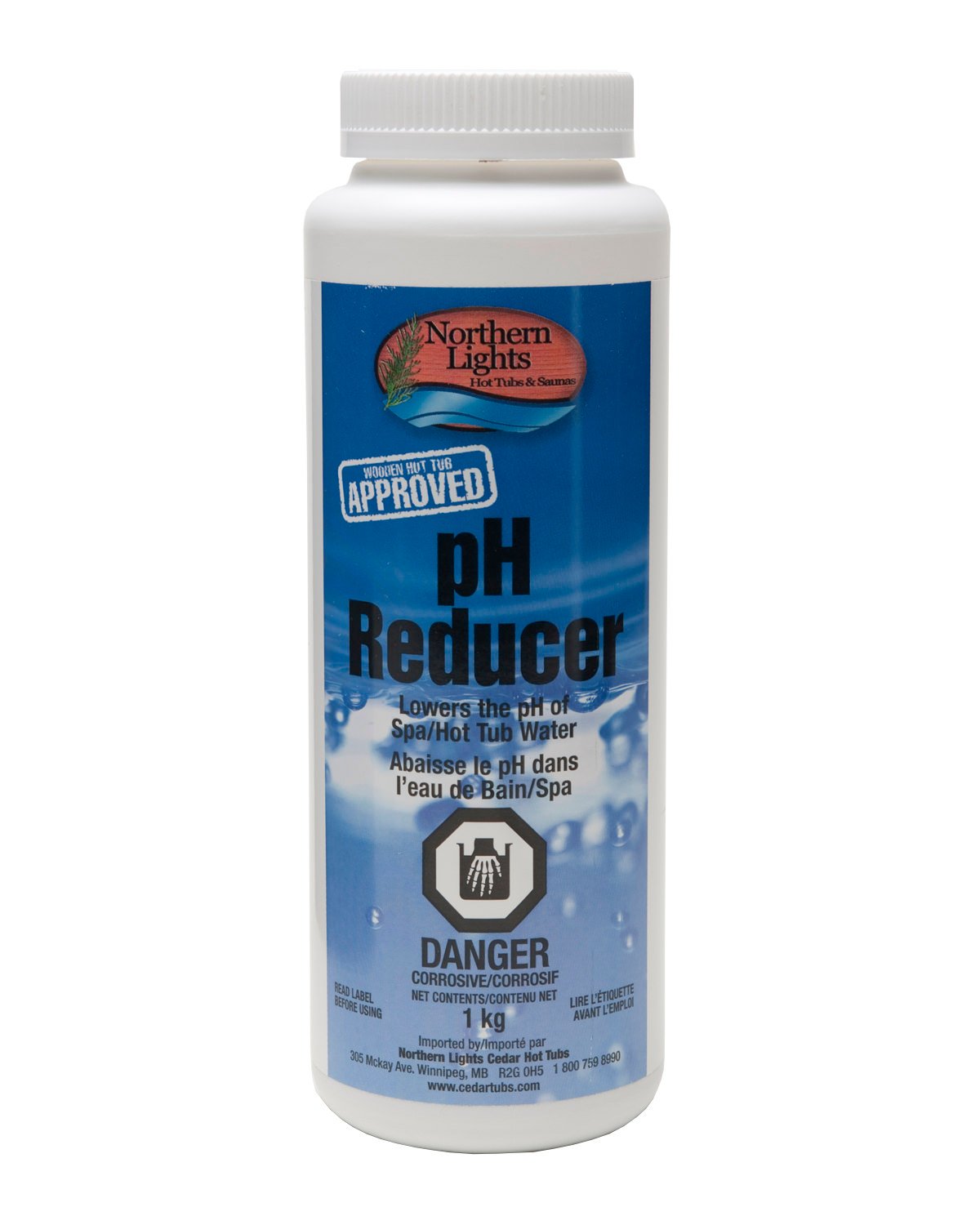
Credit: www.cedartubs.com
Real-world Examples
Let’s look at a few examples from different types of systems.
Pools
A homeowner in Arizona found their pool pH always crept up, even after adding acid. The cause? Their fill water had high alkalinity, and the desert heat caused lots of evaporation. The solution was to partially drain and refill the pool with RO water, lower alkalinity gradually, and use a pool cover to reduce evaporation.
Aquariums
A fish keeper noticed her pH was always above 8. 0, even after water changes. Testing showed her tap water had a pH of 8. 2 and high alkalinity. She switched to mixing in distilled water and added driftwood, which slowly brought pH down to 7.
2—perfect for her tetras.
Hydroponics
A grower saw pH rising every day in his lettuce system. He was using strong aeration and adding baking soda to “stabilize” pH, but it made things worse. By reducing aeration, switching to pH Down, and doing weekly water changes, he kept pH stable at 6.
0.
Comparing Different Approaches
Here’s a quick look at some methods for controlling rising pH, with their pros and cons.
| Method | Pros | Cons | Best For |
|---|---|---|---|
| Adding Acid | Quick, effective | Needs careful dosing, can swing pH | Pools, hydroponics |
| Lowering Aeration | Stops pH drift, simple | May reduce oxygen for fish/plants | All systems |
| Reverse Osmosis Water | Removes minerals, lowers pH/alkalinity | Expensive, slow for large systems | Aquariums, hydroponics |
| Partial Water Changes | Removes build-up, easy | Needs regular attention | All systems |
| Algaecides or Treatments | Targets algae, quick results | Can harm fish/plants if overdosed | Pools, aquariums |
Signs Your High Ph Problem Is Fixed
It’s important to track progress, not just guess. Here’s how to know you’re on the right track:
- PH stays in the target range (6.5–8.0) for a week or more
- Water stays clear, with no new scaling or debris
- Fish, plants, or swimmers are healthy and active
- No more sudden pH jumps after adding water or chemicals
If you see these signs, your system is stable.
Advanced Tips And Insights
Here are a few non-obvious insights most beginners miss:
- Day/Night pH Swings: If you measure pH in the morning and evening, you might see big swings—especially in planted tanks or systems with algae. Always test at the same time each day for a real trend.
- Buffers vs. pH Up: Products labeled as “buffers” often raise alkalinity and pH, not just stabilize it. Use them with care, and only if you know your system needs it.
- Filter Media: Some filter materials (like crushed coral or limestone) can slowly raise pH. If you use these, check if they are part of the problem.

Credit: www.tcmnutrients.com
Key Data: Ph Targets For Different Systems
Different water systems have different ideal pH ranges. Here’s a quick reference:
| System Type | Ideal pH Range | What Happens If Too High? |
|---|---|---|
| Swimming Pool | 7.2 – 7.8 | Scaling, cloudy water, itchy skin |
| Freshwater Aquarium | 6.5 – 7.5 | Fish stress, poor plant growth |
| Saltwater Aquarium | 8.0 – 8.4 | Coral stress, algae blooms |
| Hydroponics (most plants) | 5.5 – 6.5 | Nutrient lockout, poor growth |
| Drinking Water | 6.5 – 8.5 | Bad taste, scaling in pipes |
What Happens If You Ignore High Ph?
Some people ignore high pH because they don’t see immediate problems. This can be risky. Here’s what can happen:
- Scaling: Calcium and other minerals form hard deposits on surfaces, heaters, and pipes. This can damage equipment and reduce efficiency.
- Poor Health: Fish, plants, and even humans can suffer. Fish may get sick or die; plants can’t absorb nutrients properly; swimmers get itchy skin and eyes.
- Cloudy Water: High pH can cause minerals to come out of solution, making water look milky or dirty.
- Shorter Equipment Life: Pumps, heaters, and filters wear out faster due to scaling and clogs.
- Legal and Safety Issues: Drinking water with high pH can break safety guidelines in some regions.
When To Call A Professional
If you’ve tried all the basic steps and your pH is still rising, it may be time to call in an expert. This is especially true for:
- Large pools or public systems
- Commercial hydroponics or aquaculture
- Drinking water systems with health concerns
A professional can test for hidden problems, recommend advanced treatments, and make sure your water is safe.
Frequently Asked Questions
Why Does My Pool Ph Rise Even After Adding Acid?
Adding acid lowers pH temporarily, but if your alkalinity is high, pH will bounce back up. You need to lower alkalinity by adding acid slowly, with aeration, until both pH and alkalinity are in range.
Can High Ph Hurt My Fish Or Plants?
Yes. High pH can stress fish, making them sick or killing sensitive species. For plants, high pH causes nutrient lockout, so they can’t absorb what they need, leading to poor growth.
Is It Safe To Swim In A Pool With High Ph?
It’s not ideal. High pH can cause itchy skin, burning eyes, and reduce the effectiveness of chlorine. It’s better to keep pH within the recommended range for comfort and safety.
How Often Should I Test My Ph?
Test at least once a week, or more often if you see problems. For new systems, test daily until things stabilize. Always test at the same time of day for best results.
What’s The Best Way To Lower Ph Safely?
Add acid in small amounts, mix well, and retest after 1–2 hours. Never add too much at once. For aquariums, natural acids like driftwood or peat can help. For pools, use muriatic acid with care.
If you want to learn more about pH and water chemistry, you can read this Wikipedia article on pH.
Keeping your pH stable can feel complicated, but with the right knowledge and a few careful steps, you can solve rising pH for good. Healthy water means healthier fish, plants, and people—and less stress for you.