
If you own a pool, you have probably heard about “shocking” as a way to keep your water clear and safe. But there’s one question many pool owners ask: Will shocking a pool raise pH? Understanding this is important for anyone who wants to keep their pool water balanced and enjoyable. The answer is not always simple. It depends on the type of shock you use, how often you shock, and the current state of your water.
Pool chemistry can feel confusing, especially if you are new to it. PH levels, chlorine, alkalinity—all these terms can mix together. But if you want your pool to be sparkling, safe, and comfortable, you need to know what happens when you add shock.
In this article, you’ll learn exactly how shocking affects pH, why it matters, and how to avoid common mistakes that can cost you money or create unsafe swimming conditions.
Let’s dive deep into what pool shocking does to pH, the science behind it, and how you can manage your pool confidently.
What Does Shocking A Pool Mean?
Shocking a pool means adding a strong dose of chlorine or another chemical to kill bacteria, algae, and other contaminants. It’s also called “superchlorination. ” Over time, things like sweat, dirt, sunscreen, and leaves get into your pool. Even with regular chlorine, some germs and organic waste can survive.
Shock treatments break these down quickly.
There are different types of pool shock:
- Calcium Hypochlorite – The most common. It’s a dry, granular chlorine.
- Sodium Hypochlorite – This is liquid chlorine.
- Lithium Hypochlorite – A less common, fast-dissolving shock.
- Potassium Monopersulfate – Known as “non-chlorine shock.”
People shock their pools for several reasons:
- After heavy use (like a pool party)
- When water looks cloudy
- After storms or high winds
- To remove algae blooms
- To get rid of strong chlorine smells
A shocking treatment can bring chlorine up to 10 parts per million (ppm) or more for a short time. This is much higher than normal levels, which sit between 1-3 ppm.
The Science Of Pool Ph
Before understanding how shocking affects pH, it’s important to know what pH means. The pH scale measures how acidic or basic (alkaline) your pool water is. The scale goes from 0 to 14:
- PH below 7.0: Acidic (can cause eye/skin irritation and corrode pool parts)
- PH of 7.4–7.6: Ideal for pools (safe, comfortable, protects equipment)
- PH above 7.8: Basic (can cause cloudy water and reduce chlorine’s power)
Why does this matter? If your pH is off, swimmers can feel uncomfortable, chlorine won’t work well, and your pool equipment can be damaged.
Does Shocking A Pool Raise Ph? The Direct Answer
The short answer: It depends on the type of shock you use. Most common shocks do raise pH, but not all of them. Let’s explore why.
How Different Shocks Affect Ph
Here’s a quick comparison of how major pool shocks influence pH:
| Shock Type | Main Ingredient | Effect on pH |
|---|---|---|
| Calcium Hypochlorite | Ca(ClO)2 | Raises pH |
| Sodium Hypochlorite | NaOCl | Raises pH |
| Lithium Hypochlorite | LiOCl | Raises pH (slightly) |
| Potassium Monopersulfate | KHSO5 | No effect or slightly lowers pH |
Calcium hypochlorite and sodium hypochlorite both make pool water more alkaline (raise pH). This happens because they create hydroxide ions (OH-) when they dissolve. These ions are basic, so they push pH up.
Potassium monopersulfate is different. It’s a non-chlorine shock and usually does not raise pH. In fact, it may slightly lower it.
Real-world Example
Suppose you shock your pool with calcium hypochlorite. If your pool has 10,000 gallons of water and you add the recommended 1 pound, your pH may increase by 0. 2 to 0. 3 points. If your starting pH was 7.
2, it could jump to 7. 5. This might not sound like much, but repeated treatments or starting with high pH can push it above 7. 8, which is not ideal.
Why Does Ph Rise When You Shock A Pool?
When you add chlorine-based shock (especially calcium or sodium hypochlorite), a chemical reaction occurs:
- The shock dissolves and forms hypochlorous acid (the active sanitizer).
- It also forms hydroxide ions, which are basic.
- These ions increase the pool’s pH.
This is a normal side effect of using high-pH chemicals. It’s not “dangerous,” but it does mean you need to check your pool’s balance after shocking.
Factors That Influence How Much Ph Rises
Not every pool will see the same pH increase. Here’s why:
- Starting pH and alkalinity: If your pH is already high, the increase will be more noticeable.
- Pool size: Smaller pools see a bigger pH change from the same amount of shock.
- Frequency: Shocking often without adjusting pH can cause a steady rise.
- Water temperature: Warm water can change how chemicals react.
How Long Does The Ph Stay High After Shocking?
The pH spike after shocking is usually temporary. After 24 to 48 hours, the chlorine level drops, and the pool pH may drift back toward normal—especially if your alkalinity is balanced.
However, sometimes the pH stays high. This can happen if:
- You use shock products often
- Your pool water has high alkalinity
- You don’t adjust pH with acid or other balancing chemicals
Testing your water 24 hours after shocking is the best way to know if you need to adjust pH.
How To Test Ph And Chlorine After Shocking
Testing your pool water is the only reliable way to know the pH. Guessing can be costly or even unsafe.
How to test:
- Wait at least 12–24 hours after shocking before testing.
- Use a liquid test kit or high-quality test strips.
- Take a sample from elbow-depth, away from the return jets.
- Compare your results to these targets:
- PH: 7.4–7.6
- Free chlorine: 1–3 ppm
Test kits are more accurate than strips. Strips give a quick idea, but colors can be hard to read.
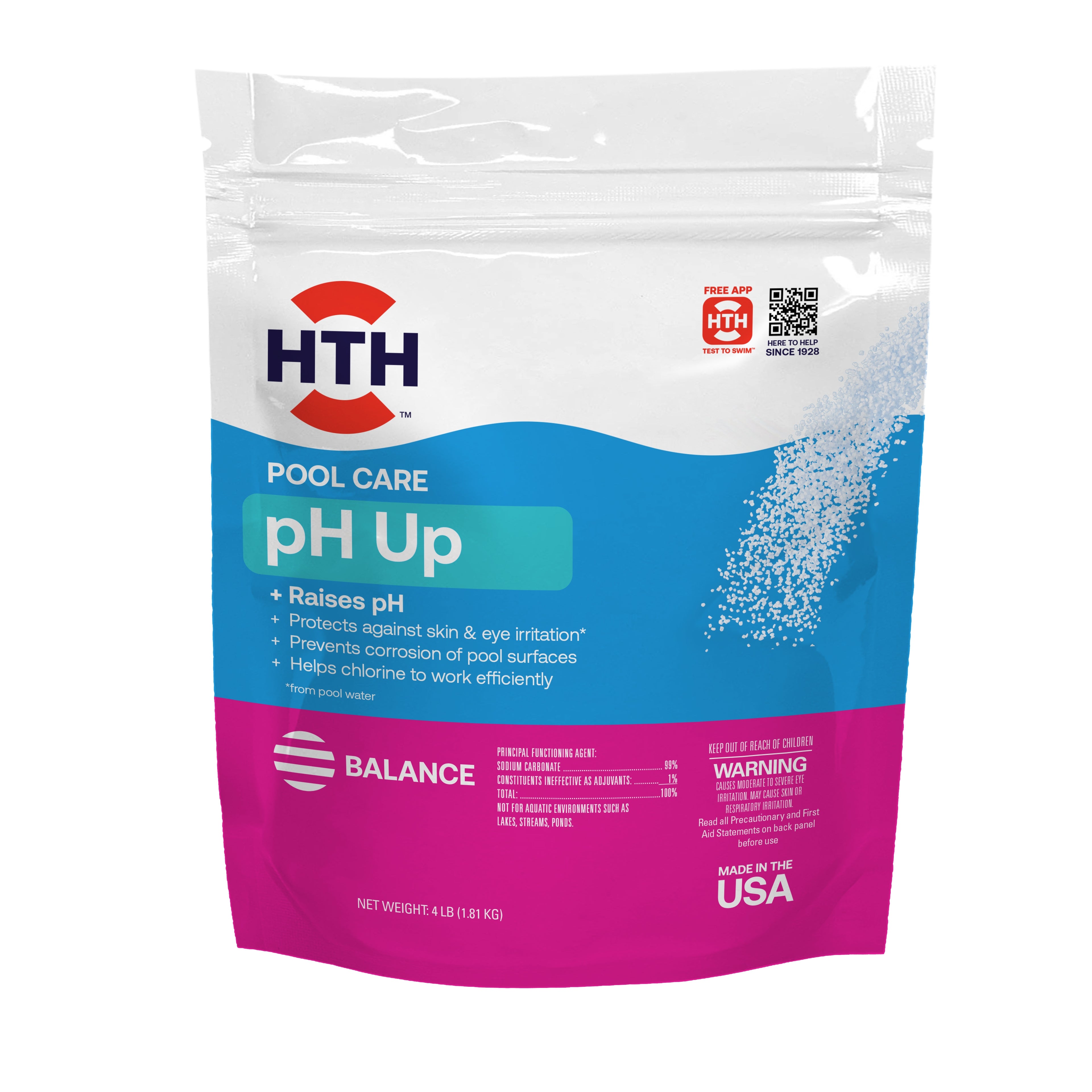
Credit: hthpools.com
What Should You Do If Ph Is Too High After Shocking?
High pH (above 7.8) can make water cloudy, cause scaling, and reduce chlorine’s power. If your pH is too high after shocking, here’s how to bring it down:
- Add muriatic acid or dry acid (sodium bisulfate). Both are pool-safe acids.
- Follow label instructions carefully. Too much acid can make water unsafe.
- Retest after 4–6 hours of circulation.
- Repeat small doses until pH is back to 7.4–7.6.
Pro tip: Add acid slowly, with the pump running, and always pour acid into water—not the other way around.
Non-obvious Insights: What Most Pool Owners Miss
Even experienced pool owners sometimes overlook these important points:
1. High Ph Lowers Chlorine’s Effectiveness
When your pool’s pH climbs above 7.8, chlorine can be only 20% as effective as it is at 7.5. This means you may have enough chlorine, but it won’t kill germs well. So, shocking your pool and letting the pH stay high can actually leave your pool less safe.
2. Shocking Can Raise Calcium Hardness
If you use calcium hypochlorite regularly, you’re not just raising pH—you’re also adding calcium. Over time, this can cause scaling on pool walls and equipment. If your water is already hard, switch to a different shock or rotate with non-chlorine shock.
3. Shocking Is Not A Substitute For Regular Ph Adjustment
Some people think shocking will “fix” their pool water by itself. In reality, shocking is for sanitizing, not for balancing. You still need to check and adjust pH and alkalinity regularly.
Types Of Pool Shock: A Deeper Look
Here’s a closer comparison of the most common shock products:
| Shock Type | Chlorine Content (%) | Dissolves Fast? | Raises pH? | Main Use |
|---|---|---|---|---|
| Calcium Hypochlorite | 65–75% | No | Yes | General sanitizing |
| Sodium Hypochlorite | 10–12% | Yes | Yes | Quick shock, pools with hard water |
| Lithium Hypochlorite | 35% | Yes | Slightly | Vinyl pools, quick dissolving |
| Potassium Monopersulfate | 0% | Yes | No | Routine, non-chlorine shock |
Non-chlorine shock is the best choice if you want to avoid raising your pool’s pH. However, it doesn’t kill algae—it only breaks down waste.
When Should You Shock Your Pool?
Shocking is not a weekly rule. You should shock your pool when:
- After heavy use: More swimmers = more contaminants.
- After rain or storms: Debris and rain can introduce germs.
- If you see algae: Shocking can help clear it.
- When chlorine is low: If your free chlorine is below 1 ppm.
- If water is cloudy or smells: These are signs of contamination.
Regular shocking is part of good pool care, but more is not always better. Over-shocking can lead to high pH, high chlorine, and wasted money.
How To Shock Your Pool Without Ruining Ph Balance
If you want to keep your pH in the right range, follow these tips:
- Test water before and after shocking.
- Choose the right shock for your pool (consider hardness, liner type, and local water).
- Add shock in the evening (sunlight breaks down chlorine).
- Pre-dissolve shock in a bucket (for granular types) to avoid bleaching liners.
- Run the pool pump for at least 8 hours to mix chemicals fully.
- Adjust pH after shocking if needed.
How To Choose The Right Shock For Your Pool
Not all shocks are the same. Here’s how to decide:
- High calcium water: Avoid calcium hypochlorite to prevent scaling.
- Vinyl liner pools: Use lithium hypochlorite or pre-dissolve calcium hypochlorite.
- Routine maintenance: Potassium monopersulfate is gentle and won’t affect pH.
- Algae outbreak: Use a strong chlorine shock.
Think about your pool’s needs. If you only shock a few times a year, pH changes are less of a worry. If you shock every week, the impact on pH can add up.
What Happens If You Ignore High Ph After Shocking?
High pH is not just a number—it creates problems:
- Cloudy water: Calcium and other minerals can come out of solution.
- Itchy eyes and skin: Swimmers feel uncomfortable.
- Chlorine lock: Even with enough chlorine, your pool can get algae or smell bad.
- Scaling: White, chalky buildup on tiles and equipment.
Over time, high pH can even shorten the life of your pool heater and pump.
How To Lower Ph Safely
If your pH is above 7.8 after shocking, here’s what to do:
- Calculate how much acid you need (follow product directions or use a pool calculator).
- Wear gloves and goggles for safety.
- Turn on the pool pump.
- Add acid slowly around the pool edge, not all in one spot.
- Wait at least 4 hours, then retest.
Never add acid and shock at the same time. Wait until chlorine drops to safe levels (below 5 ppm).

Credit: www.amazon.com
The Role Of Total Alkalinity In Shocking
Total alkalinity helps buffer pH, making your pool less likely to swing up or down wildly. Ideal alkalinity is 80–120 ppm.
If your alkalinity is too high, pH will rise more after shocking. If it’s too low, pH can crash. Adjust alkalinity first, then focus on pH and chlorine.
Understanding Ph, Chlorine, And Shocking: How They Work Together
Pool chemistry is a balancing act. Here’s how the main factors connect:
- Chlorine: Kills germs, but works best at the right pH.
- PH: Keeps water safe and comfortable.
- Alkalinity: Prevents wild swings in pH.
Shocking your pool with chlorine boosts sanitizer levels, but can raise pH. If you ignore pH, chlorine won’t work as well, and you may get cloudy or green water.
Common Mistakes When Shocking And Managing Ph
Many pool owners make these errors:
- Not testing water after shocking. Guessing leads to mistakes.
- Adding shock and acid together. This can cause dangerous chemical reactions.
- Using the wrong shock for your pool. Hard water and calcium hypochlorite don’t mix.
- Ignoring alkalinity. If alkalinity is off, pH will be hard to control.
- Shocking too often. More is not always better—stick to what your pool needs.
Expert Tips For Perfect Pool Chemistry
- Test at least twice a week in hot weather or with heavy use.
- Use liquid shock if you want a fast, high-dose treatment with less residue.
- Rotate types of shock if you have high calcium or want to avoid pH swings.
- Shock at night for best results (sunlight destroys chlorine).
- Brush pool walls after shocking to prevent algae from hiding.
Real Data: The Impact Of Shocking On Pool Ph
A 2020 study by the National Swimming Pool Foundation found:
- Pools shocked with calcium hypochlorite showed an average pH rise of 0.2–0.4 points per treatment.
- Pools using non-chlorine shock had no measurable change in pH.
- Pools with high alkalinity (>150 ppm) saw bigger pH jumps.
This shows the importance of choosing the right product and watching your water’s balance.
When To Call A Professional
If your pool water won’t clear, or pH stays high no matter what you do, it may be time to call a pro. Some problems need expert testing or special treatments.
- Persistent cloudy water
- Recurring algae blooms
- Scaling that won’t scrub off
A certified pool technician can test for hidden issues and recommend the right fix.
Resources For Pool Owners
To dive deeper into pool chemistry and safety, visit the CDC’s Residential Pool Guidelines. You’ll find trusted advice from health and safety experts.
Frequently Asked Questions
Will Shocking My Pool Always Raise The Ph?
Not always. Chlorine-based shocks like calcium hypochlorite usually raise pH, but non-chlorine shock (potassium monopersulfate) does not. Always check the label and test your water after shocking.
How Soon Can I Swim After Shocking The Pool?
Wait until the chlorine level drops below 5 ppm and the pH is back to 7. 4–7. 6. This usually takes 24 hours, but always test the water before swimming.
Can I Use Household Bleach To Shock My Pool?
Yes, but it’s less concentrated than pool shock and will also raise pH. You’ll need to use more of it. Always check the label to make sure it’s plain, unscented bleach.
What Happens If I Don’t Adjust Ph After Shocking?
High pH can make chlorine less effective, leading to cloudy water, algae growth, and swimmer discomfort. Adjust pH to keep your pool safe and clear.
How Often Should I Shock My Pool?
Shock your pool when needed: after heavy use, storms, algae, or strong smells. For most pools, every 1–2 weeks is enough. Over-shocking can cause pH problems.
Keeping your pool water balanced is not just about adding chlorine. It’s about understanding how chemicals interact. Shocking can raise pH, but with the right knowledge and habits, you can keep your pool clean, safe, and inviting all season long.

Credit: www.amazon.com