
Yellow Ring Around Pool Waterline
Pools are a joy in summer, but they also bring their own set of challenges. One problem that frustrates many pool owners is the yellow ring around the pool waterline. This yellow stain often appears suddenly and can be difficult to remove. It is not just about looks; if ignored, this ring can lead to more serious issues with water quality and pool surfaces. Understanding why it happens, how to remove it, and how to prevent it can save you time, money, and stress.
In this article, you’ll learn everything you need to know about the yellow ring around your pool waterline. We’ll explore what causes it, step-by-step removal methods, prevention strategies, and even answer common questions. Whether you’re a new pool owner or someone who’s battled stains for years, you’ll find practical advice and expert insights to keep your pool sparkling.
What Is The Yellow Ring Around The Pool Waterline?
The yellow ring is a visible line or stain that forms where the pool water meets the tile or liner. Sometimes it is faint, other times it is bright and unsightly. It can spread if left untreated and may become harder to clean over time.
This ring is not only a cosmetic issue. It can indicate deeper problems with water balance or cleanliness. Often, the yellow color means organic or chemical buildup is sticking to your pool walls. Ignoring it can lead to rougher surfaces, unhealthy water, or even damage to your pool’s finish.
The yellow ring is different from other stains. For example, black rings usually mean mold or algae, while white rings are usually calcium deposits. Yellow rings have their own causes and need specific solutions.
Main Causes Of A Yellow Ring Around The Pool Waterline
Understanding what causes the yellow ring helps you remove it more effectively. In most cases, the stains are a result of one or a combination of the following:
- Body Oils and Lotions: Swimmers bring sunscreen, tanning oils, and body lotions into the water. These products float on the surface and stick to the pool’s edge, especially where the waterline meets the wall. Over time, they form a sticky yellow line.
- Pollen and Environmental Debris: During certain seasons, especially spring and early summer, pollen falls into the pool. This yellow dust floats and collects at the waterline. Nearby trees, grass, and wind can worsen the problem.
- Iron and Other Metals: Iron can enter the pool from well water, old pipes, or nearby construction. When it oxidizes, it creates a yellow or brownish ring. Other metals like manganese or copper can also stain, but they usually show as green or black.
- Algae: Mustard algae (also called yellow algae) can cling to the waterline and create a yellow stain. This is more common in warm, still water and in pools with poor circulation.
- Improper Water Chemistry: If your pool’s pH, alkalinity, or sanitizer levels are off, oils, metals, and debris don’t break down as they should. This allows them to stick to the pool wall and create stains.
- Swimmer Contamination: Sweat, urine, cosmetics, and hair products all add to the buildup at the water’s surface. Over time, these add up and form stains.
- Inefficient Filtration: If your pool filter is dirty or not running long enough, small particles stay in the water and collect at the waterline.
Non-obvious Insights About The Causes
- Some pool owners are surprised to learn that rainwater can carry metals and pollutants into the pool, especially after storms. This can create yellow stains even if you use city water.
- Yellow stains can sometimes appear worse after shocking the pool. This happens because shock can oxidize metals, making them more visible as stains.
How To Identify The Type Of Yellow Ring
Not all yellow stains are the same. Pinpointing the cause helps you choose the right removal method.
Simple Tests To Identify The Stain
- Rub Test: Use a white cloth and gently rub the stained area. If some of the yellow transfers to the cloth, it’s likely organic (oils, lotions, or pollen).
- Vitamin C Test: Place a vitamin C tablet on the stain for a few minutes. If the stain lightens, it is probably caused by metals like iron.
- Chlorine Test: Rub a chlorine tablet on the stain. If it fades, the problem may be algae.
Color And Texture Clues
- Bright yellow, powdery: Likely pollen or mustard algae.
- Greasy or sticky: Probably oils, lotions, or swimmer debris.
- Rusty yellow to brown: Usually iron or other metals.
Step-by-step Removal Methods
Getting rid of a yellow ring around your pool waterline takes patience and the right approach. Here’s how you can tackle it:
1. Manual Scrubbing
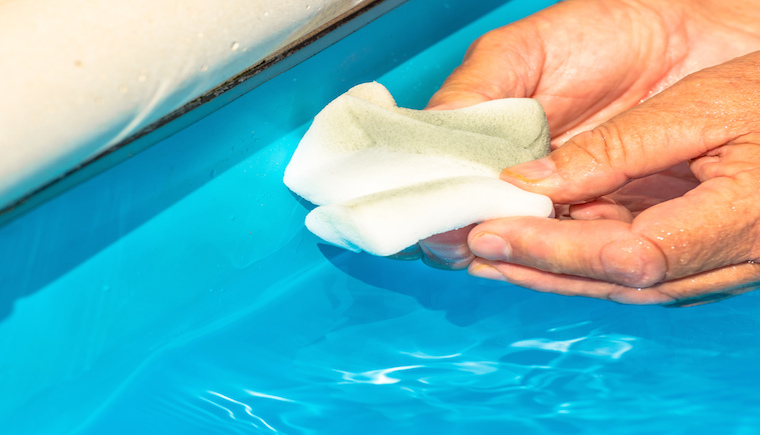
Start with the least aggressive method. Use a nylon pool brush or a non-abrasive sponge. Scrub the stained area gently. Avoid hard bristles or steel wool, which can damage tiles or liners.
- For organic stains, use a pool-approved tile cleaner.
- For greasy stains, a mix of baking soda and water can help.
- Always test a small area first.
2. Enzyme Cleaners
Special enzyme-based cleaners break down oils and lotions at the waterline. These are safe for most pool surfaces and help prevent future buildup.
- Follow the instructions on the bottle.
- Use weekly if your pool gets heavy use.
3. Metal Stain Removers
If you suspect iron or other metals, use a pool metal stain remover. These products often contain ascorbic acid or citric acid.
- Lower the chlorine level before using (high chlorine can make stains worse).
- Follow with a metal sequestrant to prevent stains from returning.
4. Algaecide And Shock
For yellow algae, use a mustard algaecide and shock the pool with chlorine.
- Brush the waterline before and after treatment.
- Keep your filter running for at least 24 hours.
5. Pumice Stone (for Tiles Only)
For stubborn stains on ceramic or porcelain tile, a pool-safe pumice stone can gently grind away stains. Never use this on vinyl or fiberglass.
6. Professional Cleaning
If stains persist, consider hiring a pool professional. They can acid wash or use commercial-grade cleaners that are not available to the public.
Example: Removing A Greasy Yellow Ring
Imagine you’ve noticed a sticky, yellow ring after a pool party. Here’s a practical approach:
- Test the stain using the rub and vitamin C methods.
- Skim out any floating debris.
- Brush the stain with a nylon brush.
- Apply a mixture of baking soda and water using a soft cloth.
- Rinse and check progress. If the stain remains, try an enzyme cleaner.
- Run the filter for several hours.
- Rebalance water chemistry.
Common Mistakes In Removing Yellow Pool Stains
- Using Harsh Tools: Steel wool or rough brushes can scratch the pool surface.
- Ignoring Water Chemistry: Cleaning without balancing water can make stains return quickly.
- Not Running the Filter: Particles released during scrubbing can settle back if not filtered out.
- Mixing Too Many Chemicals: Combining cleaners can create dangerous fumes or reduce effectiveness.
- Not Testing the Stain: Using the wrong cleaner can waste time and money.
Preventing The Yellow Ring: Best Practices
Prevention is easier than removal. Here’s how to keep the yellow ring away:
1. Shower Before Swimming
Encourage swimmers to shower before getting in the pool. This removes oils, lotions, and sweat.
2. Use Pool Enzyme Additives
Add an enzyme product weekly. Enzymes break down oils before they reach the waterline.
3. Maintain Water Chemistry
Test your pool water at least twice a week. Keep these levels in check:
- PH: 7.4 – 7.6
- Chlorine: 1 – 3 ppm
- Alkalinity: 80 – 120 ppm
If you use well water, regularly check for metals.
4. Use A Pool Cover
A pool cover keeps out pollen, dust, and debris when the pool is not in use.
5. Clean The Tile Regularly
Wipe down the waterline with a soft cloth and a gentle cleaner every week.
6. Backwash Or Clean The Filter
A clean filter catches small particles before they stick to the pool wall. Clean or backwash as recommended.
7. Add A Metal Sequestrant
If your water source is high in metals, use a metal sequestrant. This keeps metals dissolved in the water so they don’t stain.
8. Control Pool Water Level
Keep the water level steady. If the waterline is too low, stains can dry and harden; if too high, the ring can spread.
Non-obvious Insight
Many pool owners overlook the importance of balancing calcium hardness. Low calcium can make surfaces rough, leading to more places for stains to stick.
Comparing Removal And Prevention Methods
Here’s a quick overview comparing common methods:
| Method | Best For | Surface Safety | Effort |
|---|---|---|---|
| Manual Scrubbing | Light/Organic stains | Safe for all | Medium |
| Enzyme Cleaners | Oily stains | Safe for all | Low |
| Metal Stain Remover | Iron stains | Check label | Medium |
| Pumice Stone | Tiles only | Not for vinyl | High |
| Professional Cleaning | Stubborn stains | All surfaces | Low (outsourced) |
Troubleshooting: Special Cases
Yellow Ring In Vinyl-lined Pools
Vinyl liners are more delicate. Avoid abrasive cleaners and always test in a hidden spot first. Use enzyme cleaners or a soft cloth with diluted vinegar.
Yellow Ring In Saltwater Pools
Saltwater pools still face yellow rings, but salt can sometimes cause more rapid buildup, especially with metals. Use a metal sequestrant and clean the cell regularly.
Stains After Heavy Rain
If you notice a yellow ring after a storm, check for increased metals or pollen. Run your filter longer and test water chemistry.

Credit: www.reddit.com
Products And Tools To Remove Yellow Pool Stains
Here are some popular products and tools you might find helpful:
- Nylon Pool Brushes: Safe for all surfaces. Choose a brush with a curved edge for corners.
- Enzyme Cleaners: Brands like Pool Perfect or Natural Chemistry are effective.
- Metal Removers: Look for ascorbic or citric acid-based products.
- Pumice Stones: For tile or concrete only.
- Tile and Vinyl Cleaners: Make sure they are labeled as pool-safe.
- Test Kits: For pH, chlorine, alkalinity, and metals.
- Pool Covers: To keep out debris and pollen.
Product Comparison
| Product | Best Use | Safe For | Frequency |
|---|---|---|---|
| Enzyme Cleaner | Oily stains | All surfaces | Weekly |
| Metal Remover | Iron stains | All surfaces | As needed |
| Pumice Stone | Stubborn tile stains | Tile/concrete | As needed |
| Vinyl Cleaner | Vinyl liners | Vinyl | Monthly |
The Role Of Water Chemistry In Preventing Yellow Stains
Maintaining proper water chemistry is the most powerful way to avoid yellow rings. Here’s why each factor matters:
- PH: If too high or low, it can make oils and metals stick to the surface.
- Chlorine: Low chlorine lets algae and bacteria grow, which can lead to yellow stains.
- Alkalinity: Controls pH swings, keeping water stable.
- Calcium Hardness: Prevents surface roughness where stains can take hold.
- Metals: Iron and manganese should be kept as low as possible.
Real-world Example
A pool owner in Florida noticed a yellow ring every spring. Testing showed high iron after heavy rains. By adding a metal sequestrant and adjusting pH, the stains stopped appearing.
How To Test And Balance Pool Water
- Use a liquid test kit or reliable test strips.
- Test pH, chlorine, alkalinity, and metals.
- Adjust chemicals slowly—never add all at once.
- Retest after each adjustment.
If you’re unsure, most pool stores offer free water testing.
Impact Of Yellow Pool Stains On Health And Pool Surfaces
While a yellow ring is mainly a cosmetic issue, it can signal poor water quality. Organic stains can harbor bacteria. Metal stains can mean water is harsh on eyes, skin, and swimsuits. Long-term stains can erode tile grout or make vinyl brittle.
When To Call A Professional
If you’ve tried all home remedies and the yellow ring remains, or if the stain is spreading, it’s time to call a pool pro. They can test for hidden problems, do an acid wash (for concrete pools), or recommend a liner replacement (for vinyl).
Costs Involved In Removing And Preventing Yellow Rings
Here’s a rough breakdown of common costs:
| Item/Service | Estimated Cost (USD) | How Often |
|---|---|---|
| Enzyme Cleaner (1 qt) | $15–$25 | Monthly |
| Metal Remover (1 qt) | $20–$35 | As needed |
| Nylon Brush | $10–$20 | Yearly |
| Professional Cleaning | $100–$500 | As needed |
Most pool owners can keep stains away with under $100 per season. Professional help is only needed for severe or stubborn cases.
Credit: lo-chlor.com
Tips For Keeping Your Pool Waterline Clean All Season
- Ask guests to rinse off before swimming.
- Keep a small brush near the pool for quick touch-ups.
- Test your water after storms or heavy pool use.
- Run your filter longer during pollen season.
- Use a pool skimmer to remove floating debris.
Extra Advice: What Beginners Often Miss
- Not all “yellow rings” are the same: Always test the stain before cleaning.
- Filtered water can still have metals: Even city water sometimes contains enough iron to stain.
- Sunlight matters: UV rays can break down some stains but also encourage algae growth. Keeping a good chlorine level is key.
Where To Find More Information
For a deeper look at pool chemistry and stain prevention, you can visit the CDC’s Healthy Swimming page.
Frequently Asked Questions
What Causes A Yellow Ring Around My Pool Waterline?
The most common causes are body oils, lotions, pollen, metals (like iron), and mustard algae. These substances float on the water and stick where the water meets the pool wall, especially if water chemistry is not balanced.
How Do I Remove The Yellow Ring From My Pool?
Start with manual scrubbing using a nylon brush and a pool-safe cleaner. If the stain is stubborn, try an enzyme cleaner or a metal stain remover, depending on the cause. Always identify the stain before treatment.
Can The Yellow Ring Damage My Pool?
If ignored, the yellow ring can damage tile grout, erode vinyl liners, and harm the pool’s appearance. It can also signal poor water quality, which may affect swimmer health over time.
How Do I Prevent The Yellow Ring From Coming Back?
Prevention includes regular cleaning, balanced water chemistry, using enzyme products, and encouraging swimmers to rinse off before entering the pool. Check for metals if you use well water or notice stains after rain.
Is The Yellow Ring Harmful To Swimmers?
The yellow ring itself is not usually dangerous, but it can harbor bacteria if it is organic. It also points to water issues that might be unsafe. Always keep your water balanced and remove stains quickly.
A clean pool not only looks better but also creates a safer and more enjoyable experience for everyone. By understanding the causes and cures for the yellow ring around your pool waterline, you can keep your summer stress-free and your water crystal clear.
Credit: www.reddit.com