
Zep Root Killer How To Use
Dealing with clogged drains is never fun, especially when the cause is underground tree roots. These roots can invade your pipes, slowing water flow, blocking drains, and even causing expensive plumbing repairs. Homeowners often look for safe and effective ways to solve this problem without digging up their yard. This is where Zep Root Killer steps in as a popular solution. If you want to use Zep Root Killer correctly, safely, and efficiently, this guide will cover everything you need to know.
You will learn exactly how Zep Root Killer works, the right way to apply it, how long it takes, and what to expect. We’ll also discuss safety measures, common mistakes, and how to keep your plumbing clear in the future.
Whether you’re a new homeowner or just curious about root control, understanding Zep Root Killer can save you time, money, and stress.
What Is Zep Root Killer?
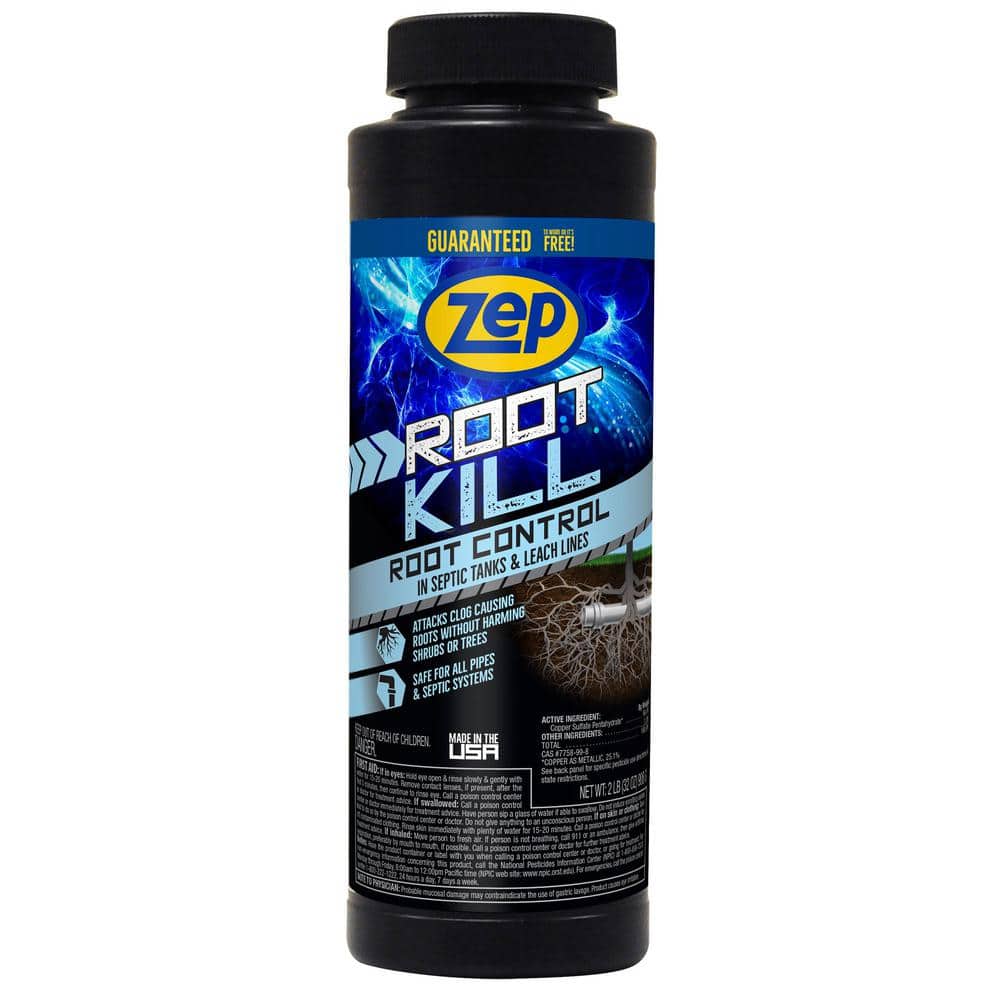
Zep Root Killer is a chemical product designed to kill roots that grow into sewer lines, septic tanks, and other drainage pipes. Its main ingredient is copper sulfate, which is toxic to roots but safe for most plumbing when used as directed. The product comes as blue crystals that dissolve in water, making it easy to flush through pipes.
Unlike mechanical methods like snaking or jetting, Zep Root Killer works by attacking the roots over time. It does not damage pipes made of metal or plastic, but it is not recommended for use in toilets with septic tanks unless the label says it’s safe.
Always check your plumbing type before using any root killer.
One thing that sets Zep Root Killer apart is its balance of effectiveness and user safety. It is widely available, affordable, and designed for homeowner use. However, improper use can harm plants, pets, or the environment. Always follow instructions carefully.
How Does Zep Root Killer Work?
Zep Root Killer works by delivering copper sulfate crystals into your plumbing system. When you flush the crystals down your toilet or drain, they dissolve and travel along the bottom of the pipes. As roots inside the pipes absorb water, they also absorb the copper, which kills them over several days.
Here’s what happens step by step:
- The crystals dissolve in water as you flush them down.
- The solution moves through the pipes, contacting any invading roots.
- Roots absorb copper sulfate, which disrupts their growth and kills them gradually.
- Dead roots eventually decay and wash away, restoring water flow.
This process is not instant. Most people see results in 2 to 7 days, but heavy blockages may take longer. Zep Root Killer does not clear physical debris right away; it targets the root problem so water can move freely again.

Credit: www.amazon.com
When Should You Use Zep Root Killer?
Knowing when to use Zep Root Killer is important for safety and best results. It is intended for situations where:
- Slow drains are likely caused by root intrusion, not grease or hair.
- You have confirmed root growth in pipes using a plumber’s camera or professional inspection.
- You want to prevent future root problems in older homes with clay, iron, or tile pipes.
It is not for every clog. Avoid using Zep Root Killer if:
- You have a completely blocked pipe (no water drains at all). In this case, call a plumber first.
- The clog is caused by grease, wipes, or other debris not related to roots.
- Your pipes are damaged or leaking.
- You use a septic system and the product is not labeled as septic-safe.
If you are unsure about the cause of your drain issue, consult a professional before using any chemical root killer.
Step-by-step Guide: How To Use Zep Root Killer
Using Zep Root Killer is simple if you follow these clear steps. Always read the label first, as instructions may vary by product batch or packaging.
Step 1: Gather Supplies
Before you start, you’ll need:
- One bottle of Zep Root Killer (usually 2 pounds for a standard treatment)
- Gloves and eye protection
- A measuring cup (if needed)
- Access to a toilet or drain that leads directly to your main sewer line
Do not use Zep Root Killer in sinks, showers, or drains connected to sump pumps or septic tanks unless the label says it’s safe.
Step 2: Choose The Right Time
For best results, use Zep Root Killer at a time when water will not be used for 6-8 hours. Nighttime is usually best. This lets the product sit in the pipes and work on the roots instead of being washed away.
Step 3: Application Process
- Wear gloves and eye protection to avoid skin or eye irritation.
- Flush the toilet to wet the inside of the pipes.
- Measure the correct amount of Zep Root Killer as stated on the label (usually 1/2 pound per treatment).
- Pour the crystals slowly into the toilet bowl.
- Flush the toilet immediately to move the crystals into the pipes.
- Do not use the toilet or run water for at least 6-8 hours after treatment.
If you need to treat multiple toilets or drains, repeat the process for each one that connects to the main sewer line.
Step 4: Wait And Monitor
After treatment, wait at least 24 hours before checking for improvement. Most root problems start to clear in 2 to 7 days. Check water flow and repeat treatment in one week if needed, but do not exceed label instructions.
Step 5: Clean Up Safely
Wash your hands and any equipment used. Store the remaining Zep Root Killer in a safe, dry place away from children and pets.
Example Timeline
Here’s a typical schedule for using Zep Root Killer:
| Day | Action |
|---|---|
| Day 1 | Apply Zep Root Killer at night, flush once. |
| Day 2 | Avoid heavy water use, check water flow. |
| Day 3-7 | Monitor for improvement, repeat if necessary. |
| Day 8+ | If still blocked, consult a plumber. |
Safety Precautions When Using Zep Root Killer
Although Zep Root Killer is safe when used properly, it’s important to protect yourself, your plumbing, and the environment.
Key Safety Tips
- Wear gloves and eye protection to avoid contact with skin or eyes.
- Keep the product out of reach of children and pets.
- Never use more than recommended. Overuse can damage pipes or harm the environment.
- Do not use in drinking water lines, sump pumps, or storm drains.
- Store in a cool, dry place with the lid tightly closed.
Environmental Concerns
Copper sulfate is toxic to fish and aquatic life. Never pour Zep Root Killer into storm drains, streams, or ponds. Dispose of empty containers properly according to local regulations.
First Aid
If product contacts skin, wash with plenty of water. If it gets in eyes, rinse for several minutes and seek medical help. If swallowed, do not induce vomiting and call poison control immediately.
How Zep Root Killer Compares To Other Root Killers
Many homeowners wonder how Zep Root Killer stacks up against other chemical or natural solutions. Here’s a quick comparison of common root killer types:
| Product Type | Main Ingredient | Speed | Typical Use | Safety |
|---|---|---|---|---|
| Zep Root Killer | Copper Sulfate | 2-7 days | Home drains & sewers | Safe if label followed |
| Foaming Root Killer | Dichlobenil | 1-2 weeks | Septic & sewer | May be safer for septic |
| Salt or Vinegar | Sodium/Acetic Acid | Slow/Variable | DIY, weak effect | Lower risk, less effective |
| Mechanical Removal | N/A | Instant | Professional only | Physical risk, expensive |
Zep Root Killer is often chosen for its balance of speed, effectiveness, and cost. Foaming root killers can coat pipe walls more thoroughly but may cost more and take longer. DIY solutions like salt and vinegar are safer but rarely fix serious root problems.
Common Mistakes When Using Zep Root Killer
Many users waste time and money by using Zep Root Killer incorrectly. Here are the most common mistakes and how to avoid them:
- Overusing the product: Using more than recommended does not speed up results and can damage pipes or harm the environment.
- Treating the wrong problem: If your pipes are clogged by grease, wipes, or other debris, root killer won’t help.
- Not allowing enough time: Root killers take days to work. Flushing water too soon washes away the product.
- Using on septic tanks: Not all versions of Zep Root Killer are safe for septic systems. Always check the label.
- Ignoring safety gear: Failing to wear gloves or goggles can lead to burns or irritation.
A less obvious mistake is not confirming pipe material. Copper sulfate is usually safe for most pipes but can corrode old, unlined metal pipes over many years. If your home has very old plumbing, ask a plumber before using any root killer.
How Often Should You Use Zep Root Killer?
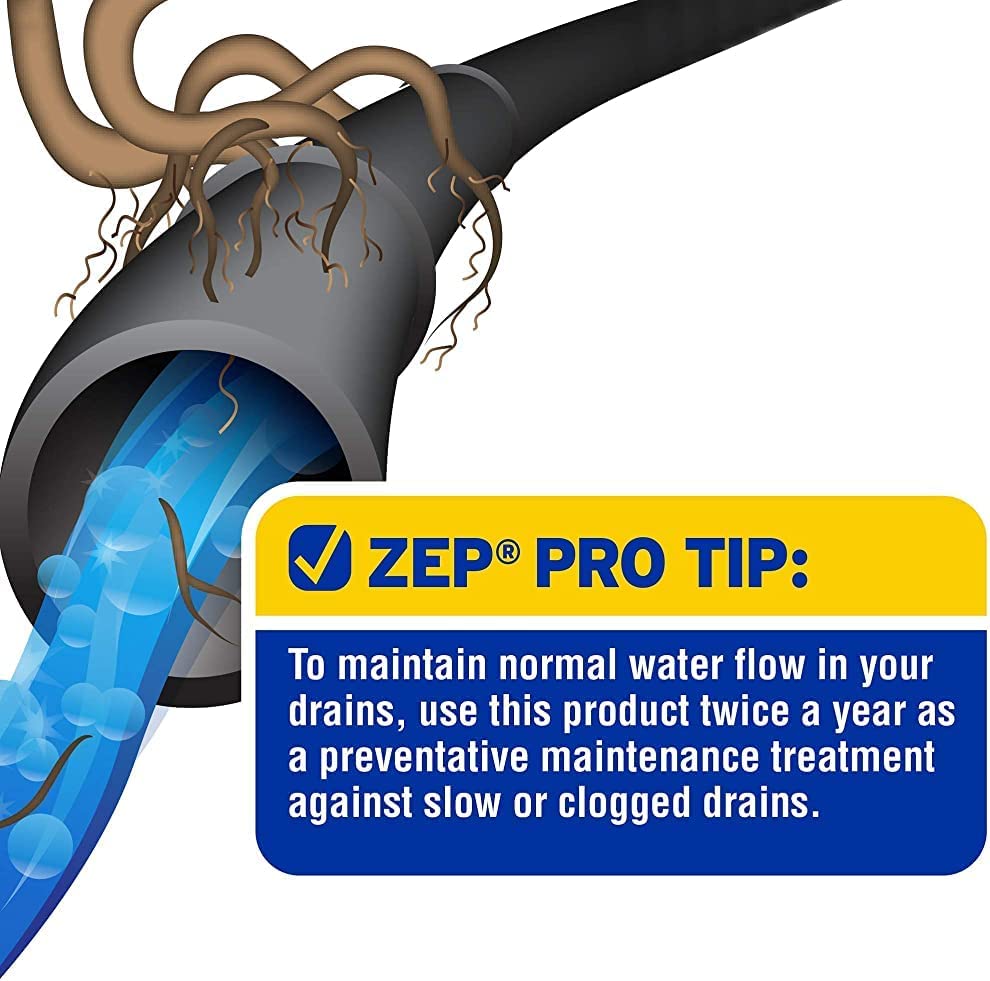
Most homeowners use Zep Root Killer once or twice a year as a preventive measure. If roots are a recurring problem, treat your pipes every six months before heavy root growth begins—typically in early spring and late fall.
For maintenance:
- Use a half-dose every six months if you have mature trees near your sewer line.
- Do not exceed the recommended amount per year, as listed on the packaging.
If your pipes block more often than this, you may need a permanent solution, such as pipe replacement or professional root cutting.
Credit: www.homedepot.com
Signs Zep Root Killer Is Working
After using Zep Root Killer, you should see:
- Water drains faster from sinks, tubs, and toilets.
- Gurgling sounds or slow draining disappear.
- Toilets flush completely without backing up.
In some cases, you may notice small bits of decayed roots in the water. This is normal as dead roots break away and wash through the system.
If there is no improvement after a week, the blockage may be too large or not caused by roots. In these cases, contact a professional plumber.
Real-world Example: Zep Root Killer Success Story
Mary, a homeowner from Ohio, faced slow drains every spring. After a camera inspection, she found tree roots in her old clay pipes. She used Zep Root Killer as directed—pouring half a bottle into her toilet at night and waiting a week.
After two treatments, her pipes cleared, and she has kept them root-free for three years by treating them every fall.
This example shows the importance of timing, correct application, and regular maintenance.
Credit: zep.com
Cost And Value: Is Zep Root Killer Worth It?
A standard 2-pound container of Zep Root Killer costs $10 to $20 depending on the store and location. One container is enough for 2-4 treatments. Compared to a professional root cutting (which can cost $150–$500), Zep Root Killer is a cost-effective first step.
Consider the following cost comparison:
| Solution | Cost Per Use | Effectiveness | Long-Term Value |
|---|---|---|---|
| Zep Root Killer | $5–$10 | High for small roots | Good if used regularly |
| Plumber (snaking) | $150–$300 | Immediate, but roots return | Lower if recurring |
| Pipe replacement | $2,000–$10,000 | Permanently solves root entry | Best for severe cases |
Zep Root Killer is best for minor to moderate root problems and regular maintenance. For major blockages, professional help is still necessary.
Preventing Future Root Problems
While Zep Root Killer works well for killing current roots, prevention is the best long-term strategy. Here’s what you can do:
- Plant trees away from sewer lines. Roots grow toward moisture, and mature trees can send roots far from their trunks.
- Repair cracks and leaks quickly. Roots seek out even tiny leaks in pipes.
- Use root barriers when planting new landscaping near sewer lines.
- Schedule regular pipe inspections every few years, especially in older homes.
- Treat pipes preventively with Zep Root Killer or foaming root killer as recommended.
A surprising insight: Many root problems start because of very small leaks or loose pipe joints. Fixing these early can stop roots from getting in at all.
Environmental And Legal Considerations
Not all cities allow the use of copper sulfate-based root killers. Check local rules before using Zep Root Killer, as some areas restrict its use to protect water supplies and the environment.
If you live near water sources, lakes, or streams, be extra careful to avoid contamination. Always store and dispose of chemicals responsibly.
For more information, you can check the Environmental Protection Agency’s guidelines on copper sulfate use at EPA Copper Compounds.
Frequently Asked Questions
What Pipes Can I Use Zep Root Killer In?
Zep Root Killer is safe for use in most main sewer lines made of clay, iron, or plastic. Do not use it in drinking water pipes, sump pumps, or drains that do not connect to the main sewer. Always check your plumbing material before use.
How Long Does It Take For Zep Root Killer To Work?
Most users see results in 2 to 7 days. If the blockage is severe, it may take longer or require more than one treatment. If there is no improvement after 7 days, call a professional plumber.
Can Zep Root Killer Harm My Trees Or Garden?
When used properly, Zep Root Killer affects only the roots inside your pipes. However, overuse or spills can harm grass, plants, or trees above ground. Always apply it indoors and avoid using more than recommended.
Is Zep Root Killer Safe For Septic Systems?
Not all Zep Root Killer products are septic-safe. Check the label carefully. If your home uses a septic system, use only products marked for septic use to avoid harming beneficial bacteria.
What Should I Do If Zep Root Killer Gets On My Skin Or In My Eyes?
If you have contact with Zep Root Killer, rinse your skin or eyes with plenty of water for several minutes. Seek medical help if irritation continues or if swallowed. Always wear protective gear when handling chemicals.
Keeping your pipes clear does not have to be a mystery. With the right knowledge and careful use, Zep Root Killer can help keep your drains working and your home free from root-related plumbing problems. Remember, prevention and proper use are the keys to long-lasting results.
If in doubt, always ask a professional for help.