
When people look up at their ceilings, most never imagine a hidden risk above their heads. For decades, 12×12 ceiling tiles were a popular choice in homes, schools, and offices. They were affordable, easy to install, and gave a clean, modern look. But for many buildings constructed or renovated before the 1980s, these tiles may contain asbestos—a mineral once prized for its fire resistance, now known for its serious health dangers.
Understanding asbestos in 12×12 ceiling tiles is not just about safety; it’s about protecting your family, your property value, and your peace of mind. This article explores the history, identification, risks, and handling of asbestos in these tiles. You’ll learn what makes these ceiling tiles different, how to spot them, and what steps to take if you find them in your building.
Let’s uncover the facts behind 12×12 ceiling tiles asbestos, so you can make the safest choices for your home or workplace.
Why Were 12×12 Ceiling Tiles Made With Asbestos?
During the mid-1900s, asbestos was called a “miracle mineral.” It was strong, flexible, and didn’t burn easily. Manufacturers mixed it into many building products, including 12×12 ceiling tiles, to improve fire safety and durability.
In the 1950s through the 1970s, ceiling tiles became a standard in schools, offices, and homes. The 12×12 inch size was easy to handle and install. Asbestos fibers gave the tiles extra strength, and also helped block sound. For building owners, this meant lower costs and safer construction—at least, that’s what people thought at the time.
By the late 1970s and early 1980s, scientists found that inhaling asbestos fibers could cause serious diseases. This discovery changed the way people viewed these common tiles, turning a once-popular material into a hidden danger.
What Makes 12×12 Ceiling Tiles Unique?
12×12 ceiling tiles are square panels, each one foot by one foot (about 30 by 30 centimeters). They often have a smooth or lightly textured surface, and are usually white or off-white. These tiles fit into a metal grid system or can be glued directly to the ceiling.
Some unique features of these tiles:
- Uniform size: The 12×12 inch dimension was standard in North America.
- Versatile installation: They could be dropped into grids or fixed to flat ceilings.
- Sound absorption: Asbestos improved their ability to reduce noise.
- Fire resistance: The mineral made tiles slow to catch fire.
Their popularity means millions of buildings still have these tiles today—sometimes hidden under newer ceilings.
Where Were Asbestos 12×12 Ceiling Tiles Used?
These tiles are found in a wide range of buildings built before 1985, especially:
- Schools: Classrooms, hallways, and cafeterias
- Offices: Reception areas, meeting rooms, and corridors
- Homes: Basements, kitchens, and finished attics
- Hospitals and clinics
- Government buildings
- Retail stores
Because they were affordable and easy to install, builders used them almost everywhere. Some buildings still have original tiles, and renovations often cover them with newer materials—leaving the old tiles in place.
12 Signs Your Ceiling Tiles May Contain Asbestos
Spotting asbestos in ceiling tiles is not always easy, but there are 12 key signs that can help you decide if your 12×12 tiles may contain this hazardous material. Each sign is important to consider before doing any work on your ceiling.
1. Size: 12×12 Inches
Tiles that measure 12 inches by 12 inches are a classic indicator. While other sizes exist, asbestos was most commonly used in these square tiles. If your ceiling tiles are this size, especially in an older building, it’s a warning sign.
2. Age Of The Building
If your building was constructed or renovated between the 1940s and 1980s, there’s a higher chance the tiles contain asbestos. Tiles installed after 1985 are less likely to have asbestos, but it’s not impossible—leftover stock was sometimes used after bans.
3. Manufacturer Labels
Some old tiles still have manufacturer codes or brand names on the back. Brands like Armstrong, Celotex, and USG made asbestos-containing tiles. If you see these names, research their product history.
4. Off-white Or Gray Color
Most asbestos tiles are off-white, gray, or creamy in color. Bright white tiles are usually newer and less likely to contain asbestos, but color alone is not a guarantee.
5. Brittle Or Chalky Texture
Asbestos-containing tiles often feel more brittle or chalky than modern ceiling tiles. If a tile breaks easily and leaves a powdery edge, it may contain asbestos fibers.
6. Pinholes Or Light Speckles
Many 12×12 asbestos tiles have a pattern of tiny pinholes or light speckles across the surface. These are not always present, but if you see this texture, it’s worth checking further.
7. Drop Ceiling Or Glue-up Installation
Older tiles were installed in drop ceilings (suspended grids) or glued directly to the ceiling. If your tiles are in these arrangements, and are 12×12 inches, this increases the risk.
8. No Up-to-date Safety Certifications
Modern ceiling tiles usually have safety labels, such as “asbestos-free.” If your tiles have no markings or old-style codes, this is a sign they may pre-date safety regulations.
9. Water Staining Or Discoloration
Asbestos tiles often show brown stains or uneven coloring over time, especially in basements or bathrooms. Water-damaged tiles are more likely to release asbestos fibers if disturbed.
10. Deterioration Or Crumbling
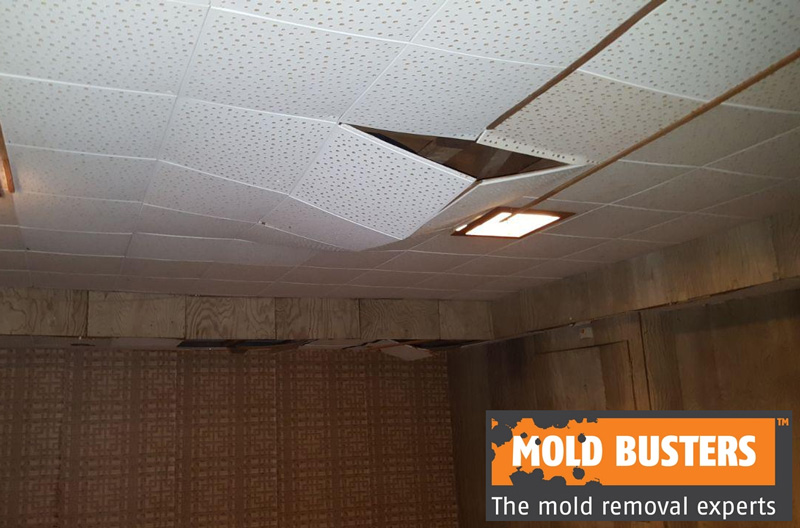
If the tiles are crumbling, cracked, or breaking apart, there is a higher risk of asbestos dust. Asbestos is most dangerous when airborne, so damaged tiles are a serious red flag.
11. Acoustic Or Fire-resistant Claims
Tiles marketed as acoustic (sound absorbing) or fire-resistant in the mid-20th century often used asbestos. Look for old brochures or renovation records mentioning these features.
12. Building Or Renovation Records
If you can find old building permits, renovation plans, or invoices, check for mentions of “asbestos” or known asbestos tile brands. Even if the records don’t say “asbestos,” tiles installed before 1985 should always be checked.

Credit: www.reddit.com
Health Risks Of Asbestos In Ceiling Tiles
When asbestos fibers are trapped inside tiles, they are usually not dangerous. The real risk comes when the tiles are disturbed—for example, during renovation, removal, or even drilling to install light fixtures.
Breathing in asbestos fibers can cause serious diseases, including:
- Asbestosis: Scarring of the lungs, leading to breathing problems
- Lung cancer
- Mesothelioma: A rare, aggressive cancer that forms in the lining of the lungs or abdomen
These diseases may not appear for 20–40 years after exposure. Even a small amount of airborne asbestos can be dangerous, especially for children, older adults, or anyone with lung problems.
Here’s a quick comparison of asbestos exposure risk:
| Tile Condition | Risk Level | Common Activities |
|---|---|---|
| Intact, undisturbed | Low | Everyday use, no damage |
| Broken or crumbling | High | Renovation, cleaning, moving tiles |
| Cut, drilled, sanded | Very High | DIY projects, repairs |
Many people don’t realize that even cleaning or painting over damaged tiles can release asbestos dust. Always treat old ceiling tiles with caution.
How To Identify Asbestos In 12×12 Ceiling Tiles
Visual clues can help, but the only way to be sure is lab testing. Here’s how to approach identification:
- Do not disturb the tiles. Leave them alone until you know for sure.
- Hire a licensed asbestos inspector. They can take a small sample safely.
- Send the sample to a certified lab. The lab uses a microscope to look for asbestos fibers.
- Wait for the written report. Do not remove or repair tiles until you have results.
Never try to collect a sample yourself unless you are trained and have the right equipment. Breathing in just a few fibers during sampling can be enough to cause harm.
What To Do If Your Tiles Contain Asbestos
If you find out that your 12×12 ceiling tiles contain asbestos, don’t panic. In most cases, leaving the tiles alone is safest unless they are damaged or you plan to renovate. Here are your main options:
Leave Them In Place (encapsulation)
If the tiles are in good condition and not likely to be disturbed, you can cover them with new ceiling panels or paint a special encapsulant over them. This seals in the fibers and lowers the risk.
Professional Removal
If the tiles are broken, or you plan to remodel, professional asbestos removal is the safest choice. Licensed contractors use special equipment and follow strict safety rules to remove and dispose of the tiles.
Avoid Diy Removal
Never try to remove asbestos ceiling tiles yourself. Even a small mistake can release dangerous fibers throughout your home. The cost of professional removal is much less than the risk to your health.
Legal Rules And Regulations
Laws about asbestos ceiling tiles vary by country and region, but in North America:
- It is illegal to install new asbestos tiles.
- Disposal rules: Asbestos waste must go to special landfills.
- Disclosure laws: Sellers must tell buyers if a home contains asbestos materials.
- Workplace safety: Employers must protect workers from asbestos exposure.
Penalties for breaking these rules can be serious—fines, lawsuits, or even criminal charges. Always check your local laws before doing any work.
Common Mistakes People Make
Even well-meaning homeowners and contractors make mistakes with asbestos ceiling tiles. Here are some pitfalls to avoid:
- Assuming tiles are safe because they look clean: Asbestos can be present even in tiles that appear new.
- Trying DIY removal: This is illegal in many places and puts your health at risk.
- Failing to check under new ceilings: Sometimes old asbestos tiles are hidden above drop ceilings or newer panels.
- Improper disposal: Throwing asbestos tiles in the regular trash can lead to fines and environmental hazards.
- Not hiring certified professionals: Only licensed experts have the tools and training for safe removal.
How To Find Out If Your Tiles Have Asbestos: Step-by-step
If you suspect your 12×12 ceiling tiles contain asbestos, follow these steps:
- Do not touch or disturb the tiles.
- Check building records: Look for documentation on tile installation, renovation dates, and materials used.
- Inspect visually: Note tile size, color, and texture, but remember these are not enough for confirmation.
- Contact a certified asbestos inspector: Schedule an inspection and sampling.
- Review the lab report: This will tell you if asbestos is present and in what amount.
- Decide on next steps: Use the results to plan removal, encapsulation, or other actions.
Here’s a comparison of testing methods:
| Method | Accuracy | Cost Estimate | Who Should Do It |
|---|---|---|---|
| Visual inspection | Low | Free | Anyone |
| Professional sampling & lab test | High | $50–$150 per sample | Certified inspector |
| DIY test kit | Medium | $30–$70 per kit | Owner (not recommended) |
The Cost Of Asbestos Removal
Removing asbestos ceiling tiles is not cheap, but it’s a one-time investment in your safety. Costs depend on:
- Area size: Larger rooms cost more.
- Location: Hard-to-reach ceilings cost extra.
- Disposal fees: Special landfills charge more for asbestos waste.
Average prices in the US:
- Inspection and testing: $250–$600 per visit
- Removal: $5–$15 per square foot
- Disposal: $500–$2,000 depending on amount
If you’re planning to sell your property, safe removal can also increase its value and reduce future liability.
Renovating Around Asbestos Tiles
If you want to update a room but don’t want to remove the tiles, you have a few safe options:
- Install a drop ceiling: New panels can be hung below the old tiles, sealing them in.
- Encapsulate with paint: Use special asbestos-encapsulating paint to lock in fibers.
- Avoid drilling or cutting: Do not make holes in the ceiling for new lights or fans.
If you must access the space above the ceiling, hire a professional to do the work safely.

Credit: www.reddit.com
How To Choose An Asbestos Removal Contractor
Not all contractors are qualified to handle asbestos ceiling tile removal. Here’s what to look for:
- Proper licensing and insurance: Ask to see proof.
- Experience with ceiling tile removal: Not all asbestos work is the same.
- Written work plan: Contractors should explain how they will seal the area, remove tiles, and clean up.
- References and reviews: Check previous jobs.
- Clear pricing: Avoid contractors who give only verbal estimates.
A good contractor will also answer your questions and follow all legal requirements for disposal.
Asbestos Alternatives In Modern Ceiling Tiles
After asbestos was banned, manufacturers switched to safer materials such as:
- Fiberglass
- Mineral fiber (asbestos-free)
- Gypsum
- PVC and plastic panels
Modern tiles are tested for fire safety and indoor air quality. If you replace old tiles, look for products with certified safety labels and warranties.
Here’s a comparison of ceiling tile materials:
| Material | Fire Resistance | Sound Absorption | Asbestos Risk |
|---|---|---|---|
| Asbestos | Excellent | Good | High |
| Fiberglass | Good | Excellent | None |
| Mineral fiber (modern) | Very Good | Very Good | None |
| Gypsum | Good | Fair | None |
Non-obvious Insights For Homeowners
Many people think that asbestos dangers only come from old, crumbling tiles. But here’s a key insight: even intact tiles can be risky if you do any work nearby that shakes or vibrates the ceiling. For example, installing a new light fixture, or even heavy footsteps above, can release fibers if the tiles are loosely installed.
Another fact most people miss: asbestos fibers can cling to clothing and shoes. If you walk through a room with broken tiles, you could carry fibers to other parts of the house. Always change clothes and shower after any suspected exposure.
Resources For More Information
For the most up-to-date and trusted information, see the U.S. Environmental Protection Agency.
Credit: www.bustmold.com
Frequently Asked Questions
What Is The Main Risk Of Asbestos In Ceiling Tiles?
The main risk comes from breathing in airborne asbestos fibers. This can happen when tiles are damaged, drilled, or removed. Over time, these fibers can cause lung diseases, including cancer.
How Do I Know If My 12×12 Tiles Have Asbestos?
The only way to know for sure is laboratory testing. Visual clues can help, but professional sampling is the safest way to confirm asbestos presence.
Can I Paint Over Asbestos Ceiling Tiles?
Yes, you can use encapsulating paint to seal asbestos fibers inside the tiles. However, do not sand or clean the tiles before painting, as this may release fibers.
Is It Legal To Remove Asbestos Tiles Myself?
In many areas, it is illegal for homeowners to remove asbestos tiles themselves. Licensed contractors are required by law to handle hazardous materials safely.
How Much Does Asbestos Removal Cost?
Asbestos removal usually costs between $5 and $15 per square foot for ceiling tiles, plus fees for inspection and disposal. The price depends on room size, tile condition, and location.
—
Taking action about 12×12 ceiling tiles asbestos is about more than following rules—it’s about protecting your health and those around you. Always use professional help, make informed decisions, and never take risks with asbestos-containing materials. When in doubt, prioritize safety over cost or convenience. Your ceiling may look harmless, but knowledge and caution are your best tools for peace of mind.