
Making meatballs on the stove is a classic skill that brings delicious, comforting food to your table with simple ingredients and basic kitchen tools. Whether you’re new to cooking or want to master a family favorite, stovetop meatballs are easy to prepare, customizable, and perfect for busy weeknights or special occasions.
This guide will walk you through every detail — from choosing your meat to serving your finished dish — so you can confidently make juicy, flavorful meatballs on your stovetop.
Why Make Meatballs On The Stove?
Cooking meatballs on the stove gives you more control over texture, browning, and flavor. Unlike baking, stovetop cooking lets you adjust heat quickly, create a crisp outer layer, and build a rich sauce in the same pan. This method is great for home cooks who may not have an oven or want to avoid heating up the kitchen.
Plus, you can easily double the recipe or adjust the flavor to suit any taste.
Essential Ingredients For Stovetop Meatballs
The foundation of any good meatball is a balance of meat, binder, moisture, and seasoning. Here are the basics:
- Ground meat: Beef, pork, chicken, turkey, or lamb
- Binder: Eggs and breadcrumbs
- Moisture: Milk or water
- Aromatics: Onion, garlic, herbs
- Seasonings: Salt, pepper, spices
- Fat: Olive oil or vegetable oil for frying
Let’s look at the ideal quantities for a classic batch (serves 4–6):
- 500g (about 1 lb) ground beef (or mix beef and pork for richer flavor)
- 1 large egg
- 1/2 cup breadcrumbs (fresh or dry)
- 1/3 cup milk (or water)
- 2 tablespoons grated onion
- 2 cloves garlic, minced
- 1/4 cup chopped parsley (optional)
- 1 teaspoon salt
- 1/2 teaspoon black pepper
- 1 teaspoon dried oregano or Italian seasoning
- 2–3 tablespoons grated parmesan (optional)
- 2–3 tablespoons olive oil for frying
Meat Choices: What Works Best?
You can use almost any ground meat for meatballs, but some combinations give better results:
- Beef + pork: Juiciest, most classic texture
- All beef: Firmer, less fatty
- Chicken or turkey: Leaner, softer, may need more binder
- Lamb: Strong, distinct flavor
Mixing meats (like half beef, half pork) creates the best balance of flavor and moisture.
Ingredient Comparison Table
Here’s a quick look at how different ground meats affect your meatballs:
| Meat Type | Flavor | Fat Content | Texture |
|---|---|---|---|
| Beef | Rich, classic | Medium | Firm |
| Pork | Savory, slightly sweet | High | Soft, juicy |
| Chicken | Mild | Low | Soft |
| Lamb | Gamey, rich | Medium-High | Tender |
Tools You’ll Need
To cook meatballs on the stove, you don’t need complicated equipment:
- Large mixing bowl for combining ingredients
- Fork or your hands for mixing
- Spoon or scoop for portioning
- Nonstick or stainless pan (10–12 inch)
- Tongs or spatula for turning meatballs
- Paper towels for draining excess oil
Nonstick pans reduce sticking, but stainless pans can give a better crust.
Step-by-step: How To Make Meatballs On The Stove
Let’s break down the process into simple, clear steps:
1. Soak Breadcrumbs
Start by soaking breadcrumbs in milk (or water) for 5 minutes in your mixing bowl. This keeps your meatballs moist and tender. Don’t skip this — dry breadcrumbs make tough meatballs.
2. Mix The Meatball Base
Add ground meat to the bowl with soaked breadcrumbs. Add egg, onion, garlic, parsley, parmesan, salt, pepper, and herbs. Mix gently with your hands or a fork until just combined. Avoid overmixing — too much mixing makes meatballs dense.
3. Shape The Meatballs
Wet your hands with a little water or oil. Scoop out portions (about 1–1. 5 inches wide, 30g each). Roll gently into balls. Try to make them the same size for even cooking.
4. Heat The Pan
Pour olive oil into your pan and heat over medium. You want the oil hot but not smoking.
5. Brown The Meatballs
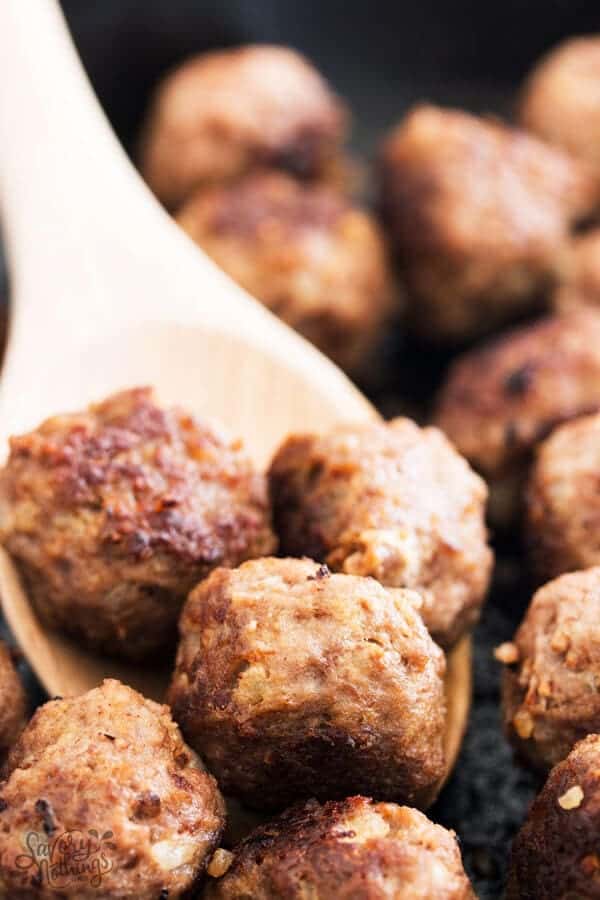
Place meatballs in a single layer, leaving space between each. Cook for 2–3 minutes until the bottom is golden brown. Turn gently with tongs to brown all sides (about 7–8 minutes total).
Tip: Don’t overcrowd the pan. Cook in batches if needed.
6. Simmer In Sauce (optional But Recommended)
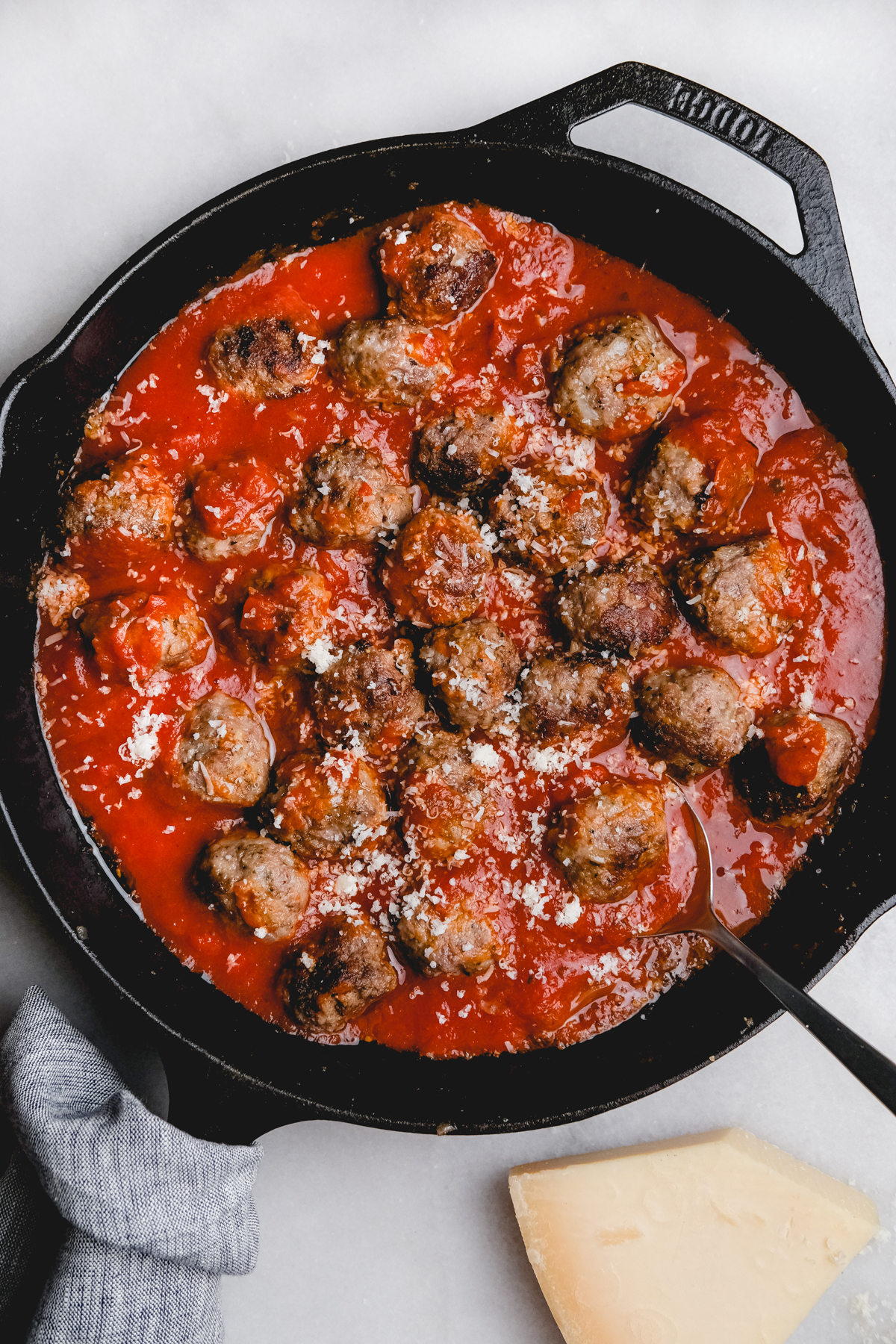
Once browned, you can remove extra oil and add your favorite tomato sauce to the pan. Bring to a gentle simmer. Cover and cook for 15–20 minutes, turning meatballs once. This step infuses flavor and cooks the meatballs through.
7. Check For Doneness
Cut one meatball in half. The inside should be no longer pink and juices should run clear. Internal temperature should reach 74°C (165°F) for poultry, 71°C (160°F) for beef/pork.
8. Serve
Serve hot, topped with extra sauce and herbs. Meatballs go well with pasta, rice, or bread.
Choosing And Using Sauce
Simmering your meatballs in sauce gives them classic flavor and keeps them moist. There are many sauce options:
- Classic tomato sauce: Most popular, easy to make with canned tomatoes, garlic, and herbs.
- Creamy sauces: Such as Swedish-style with sour cream or cream.
- Asian-inspired sauces: Soy, ginger, and garlic-based.
If you want a shortcut, you can use a good-quality store-bought sauce. But homemade sauce is worth trying if you have time.
Simple Tomato Sauce Recipe
- 1 can (400g) crushed tomatoes
- 2 cloves garlic, minced
- 1 tablespoon olive oil
- 1 teaspoon dried oregano
- Salt and pepper to taste
Sauté garlic in olive oil, add tomatoes, oregano, salt, and pepper. Simmer for 15 minutes. Pour over browned meatballs and cook together.
Common Mistakes And How To Avoid Them
Even experienced cooks can run into trouble with stovetop meatballs. Here are problems to watch for:
- Meatballs fall apart
- Not enough binder (breadcrumbs/egg)
- Mixed too roughly
- Solution: Use enough egg and breadcrumbs, mix gently.
- Dry meatballs
- Lean meat, no soaking of breadcrumbs
- Overcooked at high heat
- Solution: Use a mix of meats, soak breadcrumbs, simmer in sauce.
- Uneven browning
- Overcrowding the pan
- Skipping preheating the oil
- Solution: Brown in batches, heat oil first.
- Rubbery texture
- Overmixed meat
- Solution: Mix until just combined, don’t squeeze the mixture.
- Sauce too watery
- Too much liquid, not simmered enough
- Solution: Simmer uncovered to thicken.
Variations: Change Up Your Meatballs
Stovetop meatballs are easy to customize. Try these ideas:
Different Herbs And Spices
- Basil, thyme, rosemary for Italian
- Cumin, coriander, cinnamon for Middle Eastern
- Paprika, chili flakes for spicy flavor
Cheese-stuffed Meatballs
Press a small cube of mozzarella inside each meatball before cooking for a melty center.
Gluten-free Meatballs
Use gluten-free breadcrumbs or rolled oats instead of wheat breadcrumbs.
Vegetarian Meatballs
Replace meat with mashed chickpeas, lentils, or tofu and bind with egg and breadcrumbs. Cook gently in a nonstick pan.
Swedish-style Meatballs
Use a mix of beef and pork, add allspice and nutmeg, and simmer in a creamy sauce made with broth and cream.
How To Store And Reheat Meatballs
Stovetop meatballs are excellent for meal prep. Here’s how to store them safely:
- Refrigerate: Cool meatballs, store in an airtight container with sauce for up to 4 days.
- Freeze: Lay cooked meatballs on a tray, freeze until solid, then transfer to a bag. Freeze for up to 3 months.
- Reheat: Warm gently in sauce on the stove or microwave until hot.
Tip: Adding a splash of water to the sauce before reheating prevents drying out.
Credit: www.kierstenhickman.com
Nutrition Facts: Are Meatballs Healthy?
Stovetop meatballs can be part of a healthy diet, especially if you use lean meats and add vegetables to the mix. Here’s a rough estimate per serving (4–5 meatballs in sauce):
- Calories: 300–400
- Protein: 20–25g
- Fat: 18–25g (less if you use lean meat)
- Carbs: 15–20g (mostly from breadcrumbs and sauce)
For lower calories, use turkey or chicken, reduce breadcrumbs, and skip cheese.
Serving Ideas: What Goes With Meatballs?
Meatballs are very versatile. Here are some serving ideas:
- With spaghetti: The Italian-American classic
- With rice: Soaks up sauce and easy to prepare
- In a sub roll: For a meatball sandwich
- With mashed potatoes: Swedish style
- On their own: As party appetizers with toothpicks
Add a fresh salad or steamed vegetables to balance the meal.
Comparison: Stovetop Vs. Oven-baked Meatballs
Which method is better? It depends on your needs. Here’s a quick comparison:
| Feature | Stovetop | Oven-Baked |
|---|---|---|
| Browning/Crust | Excellent, crispy | Less pronounced |
| Moisture Control | Easy to adjust with sauce | Can dry out if overbaked |
| Batch Size | Smaller, best for 4–6 | Large batches possible |
| Ease of Use | More hands-on | Less active time |
| Cleaning | One pan | Sheet pan, sometimes extra pot for sauce |
Insight: Stovetop meatballs are perfect when you want juicy, flavorful results with a crispy crust and don’t mind a little extra hands-on time.
Pro Tips For Perfect Meatballs
- Keep your mixture cold. Warm meat mixes fall apart and stick more.
- Don’t skip resting. Let the shaped meatballs sit for 5 minutes before cooking to hold their shape.
- Use a light hand. Overmixing or squeezing makes tough meatballs.
- Test a small piece. Fry a tiny patty and taste for seasoning before shaping all the meatballs.
- Deglaze the pan. After browning, add a splash of water or wine to loosen flavorful bits before adding sauce.
How To Scale The Recipe
For a large group, simply double or triple the ingredients. Brown meatballs in batches, then combine in a large pot to simmer in sauce.
If you want mini meatballs for appetizers, roll smaller balls (about 1 inch). Reduce browning and simmering times by a few minutes.
Meatball Troubleshooting
Let’s address some less obvious problems:
- Greasy meatballs: Use leaner meat or drain on paper towels after browning.
- Meatballs sticking to pan: Wait until a crust forms before turning; use enough oil.
- Sauce splitting: Simmer gently, not at a boil, and avoid adding cold ingredients to hot sauce.

Credit: www.youtube.com
Adding Vegetables For Nutrition
Meatballs are a great way to add hidden vegetables. Try adding:
- Grated carrot or zucchini (squeeze out extra water)
- Finely chopped spinach
- Minced mushrooms for extra umami
Vegetables add moisture and nutrients without changing the flavor too much.
Making Ahead For Busy Days
You can shape meatballs up to 24 hours ahead and store, covered, in the refrigerator. When ready, brown and simmer as usual. This is a time-saving trick for parties or meal prep.
International Meatball Styles
Every culture has its own twist on meatballs:
- Italian polpette: Often served in tomato sauce, sometimes with cheese.
- Swedish köttbullar: Small, seasoned with allspice, served with cream sauce.
- Middle Eastern kofta: Spiced with cumin, coriander, sometimes grilled on skewers.
- Chinese lion’s head: Large, tender pork meatballs simmered in broth.
Trying different spices and sauces is a fun way to explore world cuisines.
When To Use Fresh Vs. Dried Herbs
Fresh herbs like parsley or basil give a bright flavor and are best added at the end. Dried herbs like oregano or thyme can be mixed in at the beginning. Use about 1/3 as much dried as fresh.
Credit: www.savorynothings.com
Meatball Size Comparison Table
How big should you make your meatballs? Here’s a reference:
| Meatball Size | Weight (approx.) | Cooking Time (Browning + Simmering) | Best For |
|---|---|---|---|
| Mini (1 inch) | 15g | 4 min + 8 min | Appetizers, soups |
| Standard (1.5 inch) | 30g | 7 min + 15 min | Main dishes |
| Large (2 inch+) | 60g | 10 min + 20 min | Hearty meals |
Kid-friendly Stovetop Meatballs
For kids, keep flavors simple and sizes small. Skip spicy ingredients. You can add a little grated carrot or cheese for extra nutrition and taste. Serve with their favorite dipping sauces or pasta.
Safety Tips When Cooking Meatballs
- Wash hands well after handling raw meat.
- Use separate cutting boards for raw and cooked foods.
- Cook meatballs to safe internal temperature.
- Store leftovers quickly to prevent bacterial growth.
Cleaning Up After Cooking
Once you’re done, let the pan cool. If there’s stuck-on sauce, add a splash of water and reheat gently to loosen. Wash with warm, soapy water. Nonstick pans are easier to clean but avoid metal utensils.
Stovetop Meatballs For Special Diets
- Keto: Use almond flour instead of breadcrumbs.
- Dairy-free: Use water instead of milk and skip cheese.
- Egg-free: Use mashed potato or a “flax egg” (1 tbsp ground flax + 3 tbsp water).
- Low-sodium: Reduce salt, use fresh tomatoes for sauce.
Where To Find More Meatball Inspiration
For a wide range of meatball recipes from different cultures, check out Bon Appétit’s meatball collection. You’ll find new flavors and techniques to try at home.
Frequently Asked Questions
How Do I Prevent My Meatballs From Falling Apart?
Make sure you use enough binder (egg and breadcrumbs). Mix the ingredients gently and don’t make the balls too big. Resting the shaped meatballs for a few minutes before cooking also helps them hold together.
Can I Make Meatballs Without Eggs?
Yes, you can use substitutes like mashed potatoes, soaked bread, or a “flax egg” (1 tablespoon ground flaxseed mixed with 3 tablespoons water) to help bind the mixture.
What Oil Is Best For Frying Meatballs?
Olive oil is classic for Italian-style meatballs, but vegetable oil or canola oil work well and have higher smoke points. Use enough oil to coat the bottom of the pan.
Can I Freeze Uncooked Meatballs?
Yes, shape the meatballs, place them on a tray, and freeze until solid. Transfer to a bag and freeze for up to 3 months. You can cook them straight from frozen — just add a few minutes to the cooking time.
How Do I Make Meatballs More Flavorful?
Season generously with salt, herbs, and spices. Try adding grated parmesan, fresh herbs, or a little mustard for depth. Browning the meatballs well before simmering in sauce also adds flavor.
Making meatballs on the stove is an easy, rewarding way to enjoy a classic dish. With the right ingredients, good technique, and a few helpful tips, you can create meatballs that are juicy, flavorful, and perfect for any occasion. Whether you serve them with pasta, in a sandwich, or as appetizers, stovetop meatballs are sure to become a favorite in your kitchen.