
When you’re choosing cookware for your kitchen, it’s easy to feel overwhelmed. So many brands promise professional results, but how many truly deliver? Tramontina is one brand that has stood out, especially for home cooks searching for quality at a fair price. You might have seen Tramontina pans in big stores, online, or maybe heard a chef mention them. Still, you might wonder: how good is Tramontina cookware, really? Can you trust it for daily meals, special occasions, or even for a busy family kitchen?
If you’re considering Tramontina, you’re not alone. Many people want reliable, affordable cookware, but they don’t want to sacrifice performance or safety. In this article, you’ll get a clear, honest look at Tramontina cookware: what makes it unique, how it performs in real kitchens, and whether it’s the right choice for you. We’ll cover the main types of Tramontina cookware, dig into real-world experiences, compare to other brands, and address common questions. By the end, you’ll have all the details you need to decide if Tramontina belongs in your kitchen.
Tramontina At A Glance
Tramontina is a Brazilian company with over 100 years of history. Founded in 1911, it started as a small blacksmith shop and has grown into an international cookware giant. Today, Tramontina products are available in more than 120 countries. The brand is known for its wide range of cookware, from stainless steel and nonstick pans to cast iron and ceramic cookware.
What sets Tramontina apart is its focus on both quality and value. The company offers products for every budget, from basic starter sets to premium pieces that rival luxury brands. While Tramontina’s high-end lines are often made in Brazil or the USA, some budget-friendly options are produced in China. This variety helps Tramontina reach both new cooks and experienced chefs.
Types Of Tramontina Cookware
Understanding the different types of Tramontina cookware helps you find what fits your cooking style. Here’s a closer look at their most popular lines:
Stainless Steel
Tramontina’s stainless steel cookware is a favorite for its durability and classic look. The most popular series is the Tri-Ply Clad line, made in the USA. This cookware uses three layers: stainless steel on the outside and inside, with aluminum in the middle. This design gives even heating and prevents hot spots.
Many home cooks choose stainless steel because it’s safe, non-reactive, and works on all cooktops, including induction. Tramontina’s stainless steel pans are dishwasher-safe and oven-safe up to high temperatures (often 500°F/260°C).
Nonstick
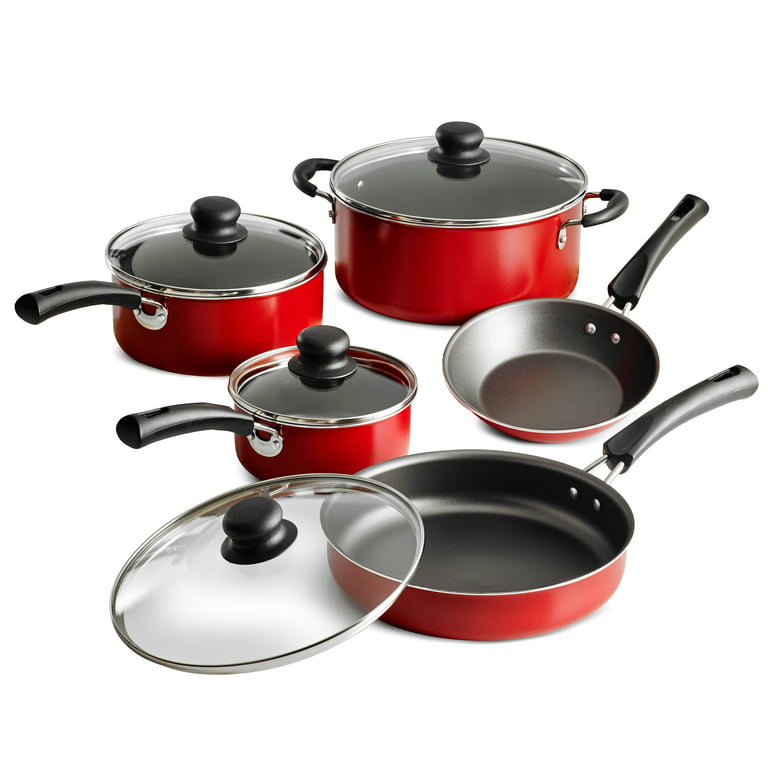
Tramontina offers several nonstick cookware lines, using materials like reinforced PTFE (Teflon) and newer ceramic coatings. Nonstick pans are popular because they make cooking and cleaning easy. Tramontina’s nonstick pans are PFOA-free, which means they don’t use certain harmful chemicals.
Some lines are made in the USA, while others are imported. Tramontina nonstick pans are usually lightweight, with comfortable handles and glass lids. They’re ideal for eggs, pancakes, and foods that stick easily.
Cast Iron
If you want cookware that lasts for generations, Tramontina cast iron is worth considering. The brand makes both classic seasoned and enameled cast iron. Enameled versions are colorful, easy to clean, and don’t need seasoning. These heavy pans are perfect for slow-cooking, stews, and baking bread.
Tramontina’s enameled cast iron Dutch ovens are often compared to luxury brands, but at a much lower price. They’re oven-safe and suitable for all stovetops.
Ceramic
Tramontina’s ceramic cookware is a newer addition. These pans use a nonstick ceramic coating that’s free from PTFE and PFOA. Ceramic pans heat quickly and are easy to clean, but they’re a bit more delicate—high heat and metal utensils can damage the surface.
Specialty Cookware
Beyond the main lines, Tramontina offers specialty items like roasting pans, grill pans, and stock pots. These pieces are designed for specific tasks, with the same focus on value and quality.
Key Features And Technologies
When you’re deciding how good Tramontina cookware is, look closely at the features and technologies behind each product.
Tri-ply Clad Construction
The tri-ply clad design is Tramontina’s signature for many stainless steel pieces. This means three layers: stainless steel on the outside and inside, with aluminum sandwiched in the middle. Aluminum is an excellent heat conductor, so food cooks evenly without burning spots.
Nonstick Coatings
Tramontina uses PFOA-free nonstick coatings, including reinforced PTFE and ceramic. The reinforced PTFE coatings are designed for longer life, but like all nonstick, they wear out with time and need gentle handling.
Ergonomic Handles
Many Tramontina pans come with riveted, stay-cool handles. These handles are comfortable to hold and don’t get too hot, making cooking safer.
Oven And Dishwasher Safety
Most stainless steel and cast iron pieces are oven-safe, while many nonstick pans can handle temperatures up to 350°F–400°F (176°C–204°C). Stainless steel and some nonstick pieces are dishwasher-safe, though hand washing extends their life.
Compatibility
Tramontina cookware is often compatible with all cooktops, including induction, gas, and electric. Just check for a flat, magnetic base if you plan to use induction.
Performance In The Kitchen
How does Tramontina perform when you actually cook? Here’s what you can expect from each main type:
Stainless Steel
Tramontina’s Tri-Ply Clad pans heat up quickly and evenly. They’re responsive to temperature changes, so you can control cooking easily. Searing meat, sautéing vegetables, or simmering sauces feels smooth and consistent.
One insight many beginners miss: stainless steel pans work best when preheated. Add oil after heating, then add food. This helps prevent sticking—a common frustration for new cooks.
Nonstick
Tramontina’s nonstick pans excel at low-fat cooking and are great for delicate foods. Eggs, fish, and pancakes slide out smoothly. The pans are lightweight, which is helpful for quick meals or for cooks with wrist pain.
A common mistake is using high heat on nonstick pans. This damages the coating and shortens the pan’s life. Tramontina’s instructions usually recommend medium or low heat.
Cast Iron
Tramontina’s enameled cast iron is heavy but holds heat for a long time. This is perfect for browning, braising, or baking. The enamel coating resists rust, so you don’t need to season it, unlike traditional cast iron.
One thing new users forget: let cast iron heat slowly. Sudden temperature changes (like adding cold water to a hot pan) can crack the enamel.
Ceramic
Ceramic pans from Tramontina heat up quickly and are easy to clean. However, they’re not as durable as stainless steel or cast iron—avoid metal utensils and always let the pan cool before washing.
Durability And Longevity
Many buyers wonder, “Will this cookware last?” Tramontina’s answer depends on the material:
- Stainless steel pans can last for decades with proper care. They resist rust, corrosion, and warping.
- Nonstick pans usually last 2–5 years. The coating will eventually wear out, especially with heavy use or metal utensils.
- Cast iron pieces often last a lifetime, especially enameled versions that don’t rust easily.
- Ceramic pans have a shorter life—often 1–3 years—since the coating can chip or degrade with high heat.
Tramontina offers limited lifetime warranties on many lines, especially the USA-made and premium items. Always check the warranty details for your specific product.
Safety And Health
You want cookware that’s safe for your family. Tramontina stands out for:
- PFOA-free nonstick coatings: No toxic chemicals used in the nonstick process.
- High-quality stainless steel: Does not react with acidic foods.
- Enameled cast iron: No exposure to raw iron or rust.
However, even safe coatings can release fumes if overheated (above 500°F/260°C). Always follow care instructions.
A detail beginners miss: if a nonstick pan gets scratched or the coating flakes, it’s time to replace it. Don’t risk ingesting nonstick particles.

Credit: www.tramontina.com
How Tramontina Compares To Other Brands
It’s natural to wonder how Tramontina stacks up against popular names like All-Clad, Cuisinart, and Lodge. Here’s a comparison focusing on key factors:
| Brand | Main Material | Country | Price Range | Warranty |
|---|---|---|---|---|
| Tramontina | Stainless, Nonstick, Cast Iron | Brazil, USA, China | Low to Mid | Limited Lifetime |
| All-Clad | Stainless, Nonstick | USA | High | Lifetime |
| Cuisinart | Stainless, Nonstick | China | Low to Mid | Lifetime |
| Lodge | Cast Iron | USA | Mid | Lifetime |
Tramontina often matches or exceeds the performance of more expensive brands, especially in the Tri-Ply Clad line. The main trade-off is sometimes lighter construction or less polished finishes compared to luxury brands.
Price And Value
One reason Tramontina is popular: it delivers strong value for money. You can buy a full set of Tri-Ply Clad stainless steel (8–10 pieces) for the cost of just one high-end pan from All-Clad. Nonstick and ceramic sets are even more affordable.
Here’s a look at average prices in the US market:
| Tramontina Line | Typical Set Size | Average Price (USD) |
|---|---|---|
| Tri-Ply Clad Stainless | 8–10 pieces | $150–$250 |
| Nonstick | 10–12 pieces | $70–$120 |
| Enameled Cast Iron Dutch Oven | 1 piece (5.5 qt) | $45–$70 |
| Ceramic Nonstick | 8–10 pieces | $70–$100 |
This makes Tramontina a smart choice for new cooks, families, or anyone who wants good cookware without the luxury price tag.
Pros And Cons Of Tramontina Cookware
Every cookware has strengths and weaknesses. Here’s a summary to help you decide:
Pros:
- Affordable pricing across all product lines
- Wide variety for every cooking style and budget
- Good performance—especially in stainless steel and cast iron
- Safe, PFOA-free nonstick options
- Attractive designs for modern kitchens
- Limited lifetime warranties on many products
Cons:
- Nonstick pans have average durability (not unique to Tramontina)
- Some lines are made in China, which may matter for those who prefer USA/Brazil-made items
- Handles on some pans can get warm on the stovetop
- Ceramic coatings are less durable than stainless or cast iron
Real-world User Experiences
Looking at online reviews and forums gives extra insight. On retail sites like Amazon and Walmart, Tramontina cookware often earns 4.5 stars or higher. Here’s what users like and dislike:
What users love:
- Tri-Ply Clad pans are often compared to All-Clad, but much cheaper.
- Nonstick pans are easy for kids and teens to use.
- Enameled cast iron Dutch ovens are a hit for baking sourdough bread.
Complaints:
- Some nonstick pans lose their coating after 2–3 years.
- Occasional reports of glass lids breaking.
- Ceramic pans may stain or discolor over time if not cared for.
A practical tip: If you want your pans to last, always use wooden or silicone utensils, and let pans cool before washing.
Credit: www.walmart.com
Common Mistakes When Using Tramontina Cookware
To get the best from Tramontina, avoid these beginner mistakes:
- Using high heat on nonstick or ceramic pans—this ruins the coating fast.
- Stacking pans without protection—this can scratch the surface.
- Using metal utensils on nonstick or ceramic—always choose wood or silicone.
- Washing hot pans with cold water—sudden temperature change can warp stainless steel or crack enamel.
- Not reading care instructions—each Tramontina line has specific care tips.
These habits help your cookware last longer, saving money and frustration.
Tips For Choosing The Right Tramontina Cookware
With so many options, how do you pick what’s right for you? Here’s what to consider:
Cooking Style
- Everyday meals: Nonstick or ceramic is easy for fast, low-fat cooking.
- Serious cooking: Stainless steel for searing, browning, and deglazing.
- Slow cooking, baking: Cast iron for stews, roasts, and bread.
Cooktop Compatibility
If you use an induction cooktop, make sure your Tramontina pan is labeled as induction-compatible.
Budget
Tramontina offers good options from $50 to $250+. Decide what you need, and remember a single high-quality pan is sometimes better than a full set of lower-quality pieces.
Country Of Origin
Some buyers prefer USA-made pans for quality and support. Tramontina’s USA-made lines are usually clearly marked.
Warranty And Support
Check the warranty for your specific line. Register your product if required, and keep receipts for support.
How To Care For Tramontina Cookware
Proper care helps your pans last. Here are the main tips:
Stainless Steel
- Preheat before adding food or oil.
- Hand wash to keep the shine, though dishwasher is usually safe.
- Use baking soda or vinegar for tough stains.
Nonstick
- Use low or medium heat only.
- Hand wash gently—avoid abrasive pads.
- Replace when the coating wears out.
Cast Iron
- Let cool before washing.
- Avoid soaking enameled cast iron.
- Dry thoroughly to prevent rust (for non-enameled).
Ceramic
- Avoid metal utensils.
- Do not use on high heat.
- Clean with soft sponges only.
Environmental And Ethical Considerations
Tramontina has made some efforts in sustainability. The company uses recycled materials for some products and packaging. Many lines are certified for food safety in the US, Europe, and Brazil.
However, not all manufacturing is in Brazil or the USA—some low-cost lines are made in China to keep prices down. If you value local production, check the packaging for details.

Credit: www.goodhousekeeping.com
Where To Buy Tramontina Cookware
Tramontina is widely available in the US, Brazil, and Europe. You’ll find it at:
- Major retailers: Walmart, Target, Costco
- Online stores: Amazon, Tramontina’s official website
- Specialty kitchen stores
For the best price, look for seasonal sales or bundle deals. Tramontina’s own site often lists which products are made in the USA.
Is Tramontina Good For Beginners Or Professionals?
Tramontina’s range means there’s something for everyone:
- Beginners: Nonstick sets are easy to use, light, and affordable.
- Intermediate cooks: Tri-Ply Clad stainless steel offers pro performance without a luxury price.
- Professional chefs: Some pros use Tramontina for backup or specialty pans, but most rely on more expensive brands for heavy, daily use.
A smart approach: Start with a basic set, then add special pieces (like a Dutch oven) as your skills grow.
Expert Opinions And Awards
Tramontina often appears in kitchen product reviews. For example, America’s Test Kitchen has recommended the Tramontina 12-inch Tri-Ply Clad skillet as the best budget option for several years. Food magazines and chefs praise the enameled cast iron Dutch ovens as a Le Creuset alternative for less money.
According to Wirecutter by The New York Times, Tramontina’s Tri-Ply Clad set is the “best cookware set for most people” due to its combination of quality, price, and durability.
Frequently Asked Questions
Is Tramontina Cookware Oven-safe?
Most Tramontina stainless steel and enameled cast iron pieces are oven-safe, usually up to 500°F (260°C). Nonstick and ceramic pans often have lower limits (350°F–400°F), so always check the instructions for your specific product.
How Does Tramontina’s Nonstick Coating Compare To Other Brands?
Tramontina’s nonstick coatings are PFOA-free and perform well for the price. They’re similar in quality to other mid-range brands, but premium brands may offer longer life. For best results, use low/medium heat and avoid metal utensils.
Are Tramontina Pans Made In The Usa?
Many premium Tri-Ply Clad stainless steel pans and some enameled cast iron items are made in the USA or Brazil. Lower-priced lines are often made in China. Check product packaging or the Tramontina website for details.
Can I Use Tramontina Cookware On An Induction Cooktop?
Yes, most stainless steel and enameled cast iron Tramontina cookware works with induction stoves. Nonstick and ceramic pans need a flat, magnetic base—always check for induction compatibility before buying.
How Long Does Tramontina Nonstick Cookware Last?
With proper care, Tramontina nonstick pans last about 2–5 years. Avoid high heat, don’t use metal utensils, and hand wash to extend life. When the coating shows signs of wear or scratches, it’s time to replace.
Whether you’re a first-time cook or looking to upgrade your kitchen, Tramontina offers a balance of quality, safety, and value that’s hard to beat. With the right care and attention, these pans can help you enjoy cooking for years to come.