
Grilling is a favorite way for many people to cook, especially during warm weather or family gatherings. The smoky flavor, the crisp marks on meat or vegetables, and the fun of cooking outdoors all make grilling special. But what if you don’t have charcoal?
Maybe you ran out, or you want to avoid the mess, or you simply want to try something new. The good news is that you can still enjoy delicious grilled food without charcoal. In fact, there are many safe, effective, and even creative ways to grill without it.
This guide will show you all the best options, with clear steps and expert tips, so you never have to miss out on grilling just because you don’t have charcoal.
Why Grill Without Charcoal?
Many people think grilling means using a bag of charcoal, lighting it up, and waiting for those glowing coals. But there are good reasons to look for other ways:
- Health concerns: Charcoal can create more smoke and certain chemicals, which some people want to avoid.
- Convenience: Charcoal takes time to light and cool down. Alternatives can be faster and easier.
- Environment: Some people want to reduce their carbon footprint, and charcoal production can have environmental impacts.
- Cost: Charcoal adds up over time. Other methods might be cheaper in the long run.
- Availability: Sometimes you simply don’t have charcoal on hand.
By learning how to grill without charcoal, you open up new options for taste, convenience, and safety.
Common Alternatives To Charcoal For Grilling
There are many good options besides charcoal. Here are the most popular and effective ones:
- Gas Grills (Propane or Natural Gas)
- Electric Grills
- Wood (Logs, Chips, or Pellets)
- Infrared Grills
- Solar Grills
- Stovetop Grill Pans
- Oven Broiling
- Fire Pits or Campfires
- Ceramic Grills (Kamado-style with wood)
- DIY Grilling with Bricks or Stones
Each has its own pros, cons, and best uses. Let’s look at them in detail and see which might be right for you.
Using A Gas Grill
Gas grills are perhaps the most popular alternative to charcoal. They use either propane tanks or a connection to natural gas.
How Gas Grills Work
Gas grills have burners under metal grates. When you turn the knob and ignite the burners, flames heat the cooking surface. You control the heat level easily, making it simple to grill many types of food.
Setting Up A Gas Grill
- Check the gas supply: Make sure your propane tank is full or your natural gas line is connected.
- Open the lid: Always open the lid before lighting to prevent gas buildup.
- Turn on the gas: Slowly open the valve on your propane tank.
- Ignite the burners: Use the ignition button or a grill lighter.
- Preheat: Let the grill heat up for 10-15 minutes before cooking.
Benefits Of Gas Grills
- Easy temperature control: Turn knobs to adjust heat.
- Quick to start: Ready in minutes.
- Cleaner: Less smoke and ash.
- Consistent heat: Good for both slow and fast grilling.
Downsides
- Less smoky flavor: Some people miss the taste charcoal gives.
- Safety: Always check for leaks and follow safety instructions.
Pro Tips
- Use wood chips in a smoker box to add smoky flavor.
- Keep a spray bottle of water nearby for flare-ups.
- Clean the grates after each use for best results.
Gas grills are perfect for people who want speed and control, and are willing to trade a bit of smoky taste for convenience.
Grilling With An Electric Grill
Electric grills are another strong option, especially for people living in apartments or places where open flames are not allowed.
How Electric Grills Work
Electric grills use a heating element below the cooking surface. You plug it in, set the temperature, and grill just like with gas or charcoal.
Steps For Electric Grilling
- Plug in the grill: Use a grounded outlet.
- Preheat: Most electric grills heat up in 5-10 minutes.
- Oil the grates: Helps prevent sticking.
- Add food: Cook as you would on a regular grill.
Advantages
- Safe for indoors: No flames or gas.
- Simple cleanup: Removable plates on many models.
- No fuel needed: Just electricity.
Disadvantages
- Limited smoky flavor: Food tastes less “grilled.”
- Less heat: Some models don’t get as hot as gas or charcoal.
Useful Advice
- For grill marks, let the grill heat fully before adding food.
- Use a meat thermometer to check for doneness, as electric grills can cook unevenly.
- Try marinating meats or veggies for more flavor.
Electric grills are best for quick, safe, indoor grilling with easy cleanup.
Grilling With Wood
Wood is the oldest grilling fuel and can give food a wonderful flavor. You can use logs, chunks, chips, or pellets.
How To Grill With Wood
- Choose your wood: Hardwoods like hickory, oak, mesquite, or fruit woods work best. Avoid softwoods (pine, cedar) as they create bad smoke.
- Build a fire: Stack logs or chunks in your grill or fire pit. Light with paper or a starter, not chemicals.
- Let the fire burn down: Wait for the wood to form hot embers—this can take 30-45 minutes.
- Spread the coals: Move embers under the cooking grate.
- Add food: Grill as usual.
Pros
- Rich flavor: Many people love the taste of wood-grilled food.
- Natural: No chemicals or fillers.
Cons
- Takes time: Building a wood fire is slower than gas or electric.
- Requires skill: Managing temperature is harder.
Extra Tips
- Soak wood chips in water for 30 minutes before adding to slow the burn and increase smoke.
- Mix wood types for different flavor profiles.
- For pellet grills, follow the manufacturer’s instructions for loading and ignition.
Grilling with wood is ideal for those who want the most authentic flavor and don’t mind spending extra time.
Infrared Grills
Infrared grills use a special technology to cook food quickly and evenly.
How Infrared Grills Work
Instead of direct flames, these grills use a ceramic or metal plate that gets very hot. It emits infrared radiation, which cooks the food.
How To Use
- Turn on the grill: Usually gas-powered.
- Let the plate heat up: Can reach over 700°F (370°C) in minutes.
- Add food: Sear steaks, burgers, or vegetables.
Benefits
- Very fast: Perfect for quick meals.
- Even heat: Fewer hot or cold spots.
- Juicier food: Infrared heat locks in moisture.
Drawbacks
- Learning curve: Food can burn quickly.
- Expensive: Many models cost more than standard grills.
Advice
- Start with thicker cuts to avoid overcooking.
- Watch food closely—infrared is powerful.
Infrared grills are great for those who love steakhouse-quality searing and want speed.
Solar Grills
Solar grilling uses the power of the sun to cook food, with no fuel needed.
How Solar Grills Work
They use mirrors or special panels to focus sunlight onto a cooking area. Temperatures can reach 400°F (204°C) or more on a sunny day.
Using A Solar Grill
- Set up in direct sun: Make sure there are no shadows.
- Position the reflectors: Focus sunlight on the cooking area.
- Place food inside: Some solar grills use covered tubes or pans.
- Cook time: Usually slower than gas or electric, but can handle most foods.
Advantages
- Eco-friendly: No smoke, no fuel.
- Safe: No open flame.
- Unique experience: Fun for kids and science lovers.
Disadvantages
- Weather-dependent: Doesn’t work well on cloudy days.
- Slow for large meals: Best for small groups.
Tips
- Use thin cuts of meat or pre-cooked foods for best results.
- Start early in the day to finish before sunset.
Solar grills are a smart choice for those who want a green, novel way to grill.
Stovetop Grill Pans
If you don’t want to go outside or deal with any flames, a grill pan is a great solution.
What Is A Grill Pan?
A grill pan is a heavy, ridged pan (often cast iron) that sits on your stove. The ridges give food classic grill marks and let fat drain away.
How To Use A Grill Pan
- Preheat the pan: Use medium-high heat for 5 minutes.
- Oil the pan or food: Prevents sticking.
- Add food: Press lightly for grill marks.
- Flip as needed: Use tongs for easy turning.
Benefits
- Works indoors: Great for bad weather.
- Easy to clean: Most are dishwasher-safe.
- Good for small meals: Perfect for 1-4 people.
Drawbacks
- No smoky flavor: Lacks the taste of real grilling.
- Can get smoky: Use a range hood or open windows.
Tips For Success
- Don’t overcrowd the pan—work in batches.
- Let meat rest after cooking for juicier results.
Grill pans are perfect for indoor grilling with little mess and maximum control.
Oven Broiling As A Grilling Substitute
The oven broiler is a built-in way to mimic the high heat of grilling.
How Broiling Works
The broiler is a heating element at the top of your oven. It cooks food with intense, direct heat, similar to an upside-down grill.
How To Broil
- Position the rack: Place it close to the broiler (top 4-6 inches).
- Preheat broiler: Set to high.
- Use a broiler pan: Allows fat to drain.
- Add food: Monitor closely to avoid burning.
Benefits
- Year-round grilling: Great for winter or apartment living.
- Good for steaks, fish, veggies: Many foods broil well.
Disadvantages
- No smoky taste: Still lacks outdoor flavor.
- Small space: Can’t broil large batches at once.
Tips
- Flip food halfway for even browning.
- Watch carefully—broilers cook fast.
Broiling is a handy way to get grilled-like results without leaving your kitchen.
Fire Pits And Campfires
For a rustic, outdoor experience, you can grill over a fire pit or campfire.
How To Grill Over A Campfire
- Build a fire: Use dry hardwood for best heat.
- Let it burn down: Wait for glowing embers, not big flames.
- Set a grill grate over the fire: Use a strong, clean grate.
- Cook your food: Use long-handled tongs for safety.
Advantages
- Rich flavor: Wood smoke adds taste.
- Fun: Great for family and friends.
Disadvantages
- Harder to control heat: Takes practice.
- Weather issues: Not ideal in rain or wind.
Safety Tips
- Keep water or sand nearby to put out fire.
- Never leave fire unattended.
- Use heavy-duty tools to protect your hands.
Campfire grilling is best for those who enjoy outdoor adventure and don’t mind a challenge.

Credit: www.youtube.com
Ceramic Grills (kamado-style)
Kamado grills are special ceramic cookers, famous for their heat retention and versatility.
How Kamado Grills Work
These grills use lump wood charcoal or wood chunks, but you can also use them with just wood. The thick ceramic walls keep heat stable.
How To Use
- Fill with wood chunks: Use hardwood for best results.
- Light the fire: Let it burn to embers.
- Adjust vents: Control airflow and temperature.
- Add food: Grill, smoke, or even bake.
Benefits
- Excellent heat control: Cooks at low or high temps.
- Versatile: Grill, smoke, bake, or roast.
Drawbacks
- Heavy and expensive: Not easy to move.
- Takes practice: Learning to manage airflow is key.
Expert Tips
- Use a digital thermometer for exact temperatures.
- Clean ash regularly for better airflow.
Kamado grills are ideal for serious grillers who want top performance.
Diy Grilling With Bricks Or Stones
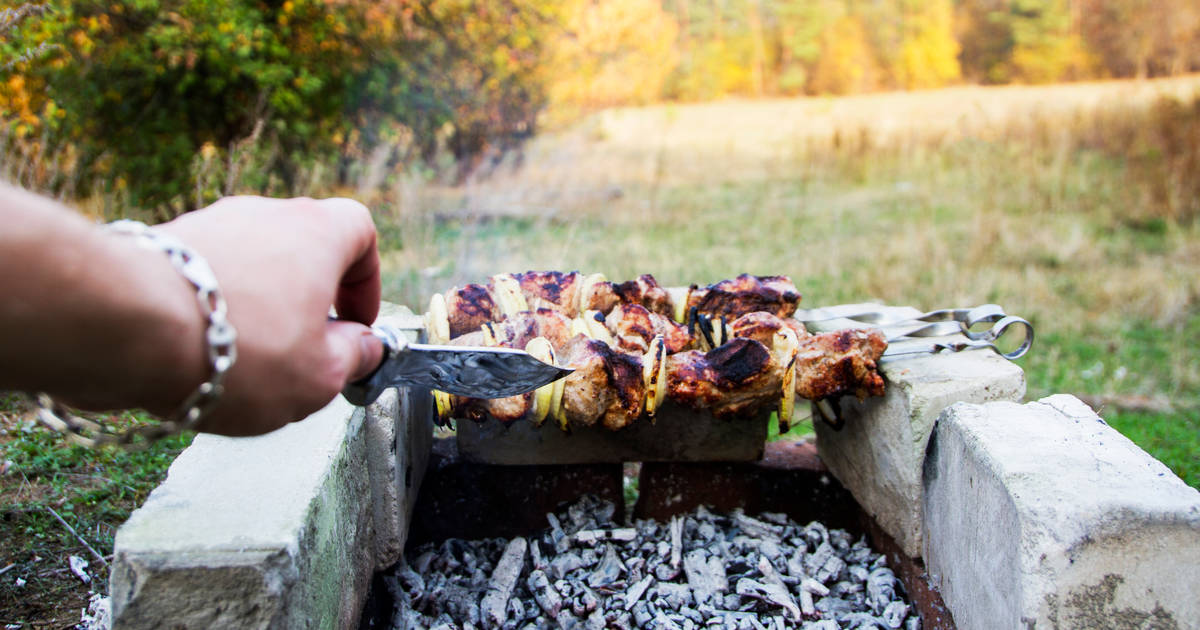
If you’re feeling creative, you can build your own grill with bricks, stones, or cinder blocks.
How To Make A Diy Grill
- Find a safe spot: Flat ground, away from trees or buildings.
- Stack bricks or stones: Create a square or rectangle, two layers high.
- Add a grill grate: Place over the top.
- Build a wood fire: Let it burn to embers.
- Grill your food: Use long utensils for safety.
Advantages
- Budget-friendly: Use materials you have.
- Custom size: Build as big or small as needed.
Disadvantages
- Takes time to set up: Not for quick meals.
- No heat control: All manual.
Extra Advice
- Don’t use painted or treated bricks—they can release toxins.
- Let the fire settle before cooking to avoid burning food.
DIY grills are perfect for improvising when you have no standard grill available.
Comparing Charcoal Alternatives
To help you choose, here’s a quick comparison of the most common grilling alternatives:
| Method | Setup Time | Flavor | Ease of Use | Cost |
|---|---|---|---|---|
| Gas Grill | 5-10 min | Mild | Easy | $$ |
| Electric Grill | 5-10 min | Low | Very Easy | $$ |
| Wood Fire | 30-45 min | Strong | Medium | $ |
| Infrared Grill | 5 min | Mild | Medium | $$$ |
| Solar Grill | 10 min | Mild | Medium | $$ |
| Stovetop Grill Pan | 5 min | Low | Very Easy | $ |
| Oven Broiler | 10 min | Low | Easy | $ |
| Campfire | 30-45 min | Strong | Hard | $ |
| Ceramic Grill | 20-30 min | Strong | Medium | $$$ |
| DIY Brick Grill | 30 min | Strong | Hard | $ |
How To Choose The Best Method For You
Picking the right grilling method depends on your needs, space, and personal preferences. Here are some things to consider:
1. Where Will You Grill?
- Apartment or condo: Electric grill or stovetop pan is best.
- Backyard: Gas, infrared, or ceramic grills are great.
- Camping: Campfire or wood fire is classic.
- Eco-conscious: Solar grill or wood (from sustainable sources).
2. What Kind Of Flavor Do You Want?
- Smoky: Use wood, ceramic, or campfire methods.
- Clean: Gas or electric grills.
- Classic grill marks: Stovetop pan or broiler.
3. How Much Time Do You Have?
- Quick meals: Gas, electric, or infrared.
- Slow cooking: Wood, ceramic, or campfire.
4. Budget
- Low cost: DIY, stovetop, or broiler.
- Investing in quality: Infrared or ceramic.
5. Safety
- Kids or pets around: Electric or solar is safest.
- Outdoors only: Gas, wood, campfire, or brick setups.
Here’s a summary to help you decide:
| Situation | Best Method |
|---|---|
| Apartment living | Electric grill, grill pan, or oven broiler |
| Quick weeknight meals | Gas or infrared grill |
| Outdoor parties | Gas, ceramic, or wood grill |
| Camping | Campfire or wood fire |
| Eco-friendly grilling | Solar grill or sustainably sourced wood |
Tips For Better Grilling Without Charcoal
Even if you’re not using charcoal, you can still get great results. Here are some expert ideas:
- Marinate your food: Adds flavor, moisture, and can mimic smoky taste.
- Use wood chips or chunks: On gas or electric grills, add a smoker box with chips for more aroma.
- Try spice rubs: Paprika, cumin, and smoked salt add depth.
- Preheat your grill: Always let your grill get hot before adding food.
- Don’t overcrowd: Leave space for even cooking.
- Rest your meat: Let it sit for 5-10 minutes after grilling for juicier results.
- Experiment with different woods: Each type (apple, cherry, hickory) gives a unique flavor.
A non-obvious tip: Use a cast iron skillet on your grill (gas or wood) for foods that might fall through the grate or need extra searing. This gives great crust and can be used for veggies or even desserts.
Another insight: Grill fruits like peaches or pineapple for a simple, tasty dessert. The high heat caramelizes the sugars for a sweet, smoky treat.
Common Mistakes To Avoid
Many beginners struggle when switching from charcoal. Watch out for these mistakes:
- Not preheating: Food will stick and cook unevenly.
- Using wrong wood: Never use softwoods, which can make food taste bad and be unsafe.
- Ignoring safety: Always check for leaks on gas grills and keep a fire extinguisher nearby.
- Crowding the grill: This drops the temperature and steams the food instead of grilling it.
- Skipping cleanup: Grease buildup can cause flare-ups.

Credit: bbqhouse.shop
Cleaning And Maintenance For Non-charcoal Grills
Whatever method you use, proper cleaning is key for great results and long-lasting equipment.
Gas Or Electric Grills
- Brush grates after each use.
- Wipe down surfaces with a damp cloth.
- Empty grease trays regularly.
Wood Or Campfire Grills
- Remove ashes after cooling.
- Scrub grates with a wire brush.
Grill Pans
- Soak in warm water, then scrub gently.
- Avoid harsh chemicals on cast iron—just use salt and water.
Broilers
- Clean broiler pans after each use.
- Wipe inside of oven to remove splatters.
Keeping your grill clean not only improves flavor but also prevents dangerous flare-ups.
Health And Safety Tips
- Use a meat thermometer to check for safe internal temperatures (e.g., 165°F/74°C for chicken).
- Grill in a well-ventilated area to avoid smoke buildup.
- Keep children and pets away from hot grills.
- Always follow manufacturer guidelines for your grill.
For more on food safety, check the official guidance from the USDA Food Safety.
Credit: www.thrillist.com
Frequently Asked Questions
What Can I Use Instead Of Charcoal For Grilling?
You can use gas, electric, wood, infrared, or even solar grills. Indoors, grill pans or broilers work well. Each method has its own strengths and best uses.
Does Grilling Without Charcoal Taste The Same?
No, the flavor is slightly different. Charcoal gives a unique smoky taste, but wood can provide strong flavor, and you can add wood chips to gas or electric grills for more aroma.
Is It Safe To Grill Indoors?
Yes, with electric grills, grill pans, or broilers. Never use charcoal or open flames indoors, as they can release dangerous gases and cause fires.
What Is The Healthiest Way To Grill Without Charcoal?
Electric or solar grills are cleanest, as they produce less smoke and fewer harmful chemicals. Using lean meats and lots of vegetables also makes grilling healthier.
Can I Grill Over A Campfire Without Charcoal?
Absolutely! Use dry hardwood for the fire, wait for embers, and cook over a sturdy grill grate. Always follow safety rules and never leave the fire unattended.
Grilling without charcoal opens up a whole world of tasty, fun, and safe cooking possibilities. Whether you want convenience, eco-friendliness, or great flavor, there’s a method that fits your needs. Try different ways to see which you like best, and enjoy delicious grilled food all year round.