
Removing the door from your Wolf oven might seem like a complicated task. But with the right information and a calm approach, it can be done safely and efficiently. Many homeowners need to remove their Wolf oven door for deep cleaning, repair, or easier kitchen remodeling. This process is important because the oven door can collect a lot of dirt and grease over time, and sometimes repairs or maintenance require removing the door completely.
Knowing how to do this yourself can save time and money. But, as with any appliance, it’s crucial to follow the correct steps. Wolf ovens are built with quality and precise engineering, so it’s important to avoid mistakes that could cause damage.
In this guide, you’ll learn the detailed steps to remove a Wolf oven door, discover tips from experienced technicians, and understand common challenges you might face.
If you’ve never removed an oven door before, don’t worry. This guide is written to help beginners, using clear explanations and real examples. By the end, you’ll feel confident about handling your Wolf oven door safely. Let’s dive in.
Why Would You Need To Remove A Wolf Oven Door?
There are several reasons why someone might need to remove their Wolf oven door. Understanding these situations can help you decide if it’s the right time for you.
- Deep Cleaning: Over time, oven doors collect grease, crumbs, and spills. Some spots are impossible to clean without removing the door. Taking off the door allows you to reach all corners, including between the glass panels.
- Repair or Replacement: If the door is damaged, or the hinges are faulty, removal is often the first step. Many repairs, like replacing the gasket or fixing the hinges, require the door to be taken off.
- Kitchen Remodeling: During renovations, removing the oven door can make it easier to move the oven or work around it.
- Glass Panel Issues: If the glass is foggy or has moisture inside, it might need to be cleaned or replaced. This is only possible when the door is removed.
- Transporting the Oven: If you need to move your oven to a new location, taking off the door makes the appliance lighter and less likely to be damaged.
Safety Precautions Before You Start
Safety should always come first when working with kitchen appliances. Removing a Wolf oven door involves handling heavy parts and sometimes sharp edges. Here’s what you need to do before starting:
- Unplug the Oven: If your Wolf oven is electric, unplug it from the power source. For gas ovens, turn off the gas supply. This prevents accidental activation.
- Let the Oven Cool: Never work on a hot oven. Make sure it’s completely cool to avoid burns.
- Clear the Area: Make sure there’s enough space to lay the door down. Remove any items from around the oven.
- Wear Gloves: Oven doors can be heavy and sometimes have sharp edges. Wearing work gloves protects your hands.
- Have a Helper: If you’re not confident about the weight, ask someone to help. Wolf oven doors are heavy, and dropping one can cause injury or damage.
- Check the Manual: Each Wolf oven model can be slightly different. If you have the user manual, read the door removal section. If you don’t, this guide will cover standard steps, but checking your model helps avoid surprises.
Tools And Materials You’ll Need
Removing a Wolf oven door doesn’t require many tools, but having the right items ready will make the job smoother.
- Work gloves (for grip and protection)
- Flathead screwdriver
- Soft towel or blanket (to lay the door on)
- Flashlight (for better visibility)
- Plastic putty knife (optional, for stubborn hinge locks)
- User manual (if available)
Having these tools ready before you begin saves time and keeps the process safe.
Understanding Wolf Oven Door Mechanisms
Wolf ovens are known for their solid build and smart engineering. However, not all models have the same door design. Most residential Wolf ovens use a hinge locking system. Some older or professional models may have different types of locks or even screws.
Here’s a quick overview:
| Oven Model | Door Removal Mechanism | Extra Tools Needed |
|---|---|---|
| Wolf E Series | Hinge locks with levers | None |
| Wolf M Series | Hinge locks with levers | None |
| Wolf L Series | Hinge locks, may need screwdriver | Flathead screwdriver |
| Wolf Dual Fuel Ranges | Hinge locks, heavier door | Helper recommended |
Most newer Wolf ovens use hinge locks with levers. These are designed to make removal easier without tools. Some older or professional models have screws or pins. Always check your oven’s hinge area before starting.

Credit: www.youtube.com
Step-by-step Guide To Removing A Wolf Oven Door
1. Prepare The Oven And Work Area
Before you touch the oven door, make sure the oven is off, unplugged, and cold. Lay a soft towel or blanket on the floor in front of the oven. This is where you’ll place the door once it’s off. The towel prevents scratches or damage to both the door and your floor.
Double-check the area is clear. Move chairs, mats, or anything else that might get in the way.
2. Open The Oven Door Fully
Gently grip the oven door handle and open it all the way. The door should rest in a horizontal position, parallel to the floor. Most Wolf oven doors are designed to stay open at this angle. This full-open position gives you access to the hinges.
3. Locate The Hinge Locks
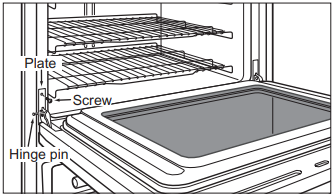
Look at the bottom left and right corners where the oven door connects to the oven body. You’ll see metal hinges, and on most Wolf models, there are hinge locks—small levers or tabs on each hinge.
These locks keep the door securely attached during normal use. For removal, you need to flip the hinge locks forward (toward you). Use your finger or a flathead screwdriver if the levers are stiff.
Key Insight: Some Wolf Ovens Have Hinge Locks That Blend In With The Hinge. They Might Look Like Part Of The Metal. If You’re Unsure, Shine A Flashlight And Look For A Movable Tab Or Lever.
4. Engage The Hinge Locks
Push both hinge locks all the way forward. You should feel or hear a click. This means the locks are now in the unlocked position. If one lock is stuck, gently work it back and forth—don’t force it.
If your model doesn’t have hinge locks, check for retaining screws. Some older Wolf ovens use screws to hold the hinges. Remove these with a flathead screwdriver.
5. Begin Closing The Door To The Removal Position
With the locks in the unlocked position, slowly start to close the oven door. After about 20 degrees (not fully closed), you’ll feel resistance. This is the removal position.
Here’s a comparison to help visualize:
| Door Position | Description | What to Do |
|---|---|---|
| Fully open (90°) | Flat, parallel to floor | Access hinge locks |
| Partially closed (~20°) | Partway between open and closed | Ready for removal |
| Fully closed | Seals oven | Do not remove |
Do not try to remove the door from the fully open or fully closed position. The door must be at the removal angle (about 20°), or you risk damaging the hinges.
6. Lift The Oven Door
Stand close to the oven, one hand on each side of the door. Grip the sides firmly, not the handle. The handle can slip or bend under the weight.
With your hands on the sides, pull the door gently upward and outward. The hinges should slide out of the slots in the oven frame.
If you feel resistance, double-check the locks are fully open and the door is at the correct angle. Do not force it.
7. Place The Door On A Soft Surface
As soon as the door is free, carry it to the towel or blanket you prepared earlier. Place it face down (handle side down, glass facing up). This keeps the glass safe and avoids scratching the handle.
If the door is too heavy or awkward, ask a helper to steady one side. Wolf oven doors can weigh between 18 and 25 pounds (8-11 kg), depending on the model.
8. Inspect The Hinges And Frame
With the door removed, take a moment to look at the hinges and the oven frame. Check for dirt, grease, or wear. Cleaning these now makes reinstallation easier.
If the hinges look bent or damaged, you may need to replace them before putting the door back.
9. Cleaning Or Repairs
Now that the door is off, clean it thoroughly. Use a non-abrasive cleaner for the glass and a soft cloth for the frame. If you’re repairing a gasket or hinge, follow the steps in your Wolf oven manual or consult a professional.
For deep cleaning between glass panels, you may need to carefully unscrew the inner glass frame. Be gentle—these parts are fragile.
10. Reattaching The Oven Door
Reinstallation is the reverse of removal:
- Hold the door at the removal angle
- Insert the hinge arms into the hinge slots on the oven body
- Lower the door toward the fully open position
- Flip the hinge locks back to the locked position
- Close the door gently
Test the door by opening and closing it a few times. It should move smoothly and seal tightly.
Practical Tips From Appliance Experts
Removing a Wolf oven door is usually straightforward, but a few practical insights can make the job easier and safer.
- Photograph the hinges before you start. This helps you remember the exact position for reinstallation.
- Don’t force stuck parts. If the door doesn’t lift out, recheck the locks and angle. Forcing the door can bend the hinges, which are expensive to replace.
- Label screws if you remove any. Place them in a small cup or plastic bag. Losing a screw can delay your project.
- Clean the hinge area before reinstalling. Built-up grease can make reattachment difficult.
- If the door feels too heavy, get help. Many Wolf oven doors are double-paned and can be heavier than expected.
- Check the gasket for wear. The gasket (rubber seal) around the oven door is vital for keeping heat inside. If it’s cracked or loose, now is the best time to replace it.
- Avoid using harsh chemicals. Stick to oven-safe cleaners, as strong chemicals can damage glass and metal parts.
- Don’t let the door swing freely during removal or reinstallation. Always support its weight.
Common Challenges And How To Solve Them
Even with good instructions, you might face challenges when removing your Wolf oven door. Here’s how to handle the most common ones:
The Hinge Locks Won’t Move
Hinge locks can be stiff if the oven is old or has a lot of grease. Try these steps:
- Spray a small amount of WD-40 or similar lubricant on the lock, but avoid spraying inside the oven.
- Use a flathead screwdriver to gently move the lock.
- Do not force it. If it’s stuck, it might need professional attention.
The Door Will Not Release
If the door won’t lift off:
- Check that the door is at the removal angle. This is slightly closed, not wide open.
- Double-check that both locks are fully open.
- Sometimes, gently wiggling the door up and down helps release the hinge from the slot.
- If it still won’t budge, the hinge might be bent. In this case, call a Wolf service technician.
Reinstalling Is Difficult
If the door won’t go back in:
- Make sure the hinges are aligned with the slots.
- Do not force the door. Forcing can bend the hinges.
- Use a flashlight to see inside the slots.
- If the locks don’t close, the hinges might not be inserted far enough.
Lost Screws Or Broken Locks
If you lose a screw or break a lock:
- Check your user manual for the part number.
- Contact Wolf customer support or an authorized parts dealer.
- Do not use makeshift parts. Proper oven door function is important for safety.
Comparing Wolf Oven Door Removal To Other Brands
It’s useful to know how Wolf compares to other common oven brands. This can help if you’ve owned other ovens or plan to in the future.
| Brand | Door Removal Mechanism | Ease of Removal |
|---|---|---|
| Wolf | Hinge locks (levers) | Easy, tool-free for most models |
| GE | Hinge locks, screws on older models | Easy to moderate |
| KitchenAid | Hinge latches, pin system | Moderate, sometimes tricky |
| Samsung | Hinge locks, some with pins | Moderate |
| Bosch | Hinge locks | Easy |
Wolf’s system is considered user-friendly, especially in newer models. The hinge lock design means most people can remove the door without special tools or experience.

Credit: www.youtube.com
What To Avoid When Removing A Wolf Oven Door
It’s easy to make mistakes if you’re in a hurry or have never removed an oven door before. Here are some common errors to avoid:
- Forcing the Door: Never pull hard if the door doesn’t move. Check the hinge locks and position instead.
- Using the Handle as a Lever: Always lift the door from the sides, not the handle.
- Skipping the Towel or Blanket: Placing the door on a hard surface can crack the glass or scratch the finish.
- Losing Small Parts: If your model uses screws or pins, keep them in a safe place.
- Not Wearing Gloves: Edges can be sharp, especially on older or damaged doors.
- Ignoring the User Manual: Each Wolf oven model is slightly different. If you have the manual, use it alongside this guide.
- Trying to Remove When Hot: Always wait until the oven is cool. Heat can cause burns and make metal parts expand, making removal harder.
When To Call A Professional
While removing a Wolf oven door is a do-it-yourself job for most, there are situations where calling a professional is best:
- The hinge is bent or broken
- The door doesn’t realign after reinstallation
- You see loose wiring or insulation
- The glass is cracked or needs replacement
- You’re not comfortable lifting heavy items
Professional appliance technicians have the tools and experience to remove and reinstall doors safely. They can also diagnose deeper issues if something is wrong with the hinges or frame.
How To Clean Between Wolf Oven Glass Panels
One of the main reasons homeowners remove their oven door is to clean between the glass panels. Over time, grease and crumbs can slip between the glass layers, making the oven look dirty.
Steps to Clean Between the Glass:
- Remove the oven door as described above.
- Place the door on a soft surface, glass side up.
- Locate the screws holding the inner glass frame (usually at the top or sides).
- Remove the screws carefully. Keep them in a safe place.
- Gently lift the inner glass panel. Do not force it.
- Use a soft cloth and a mild glass cleaner to wipe both sides of the glass. Avoid getting cleaner on insulation or gasket material.
- Once clean, replace the inner panel and screws.
- Reinstall the door following the steps above.
Important: Never use abrasive pads or strong chemicals on oven glass. They can scratch or weaken the glass.
Real-world Example: Removing A Wolf E Series Oven Door
Sarah, a homeowner in Chicago, needed to clean between the glass of her Wolf E Series oven. She followed these steps:
- She unplugged the oven and let it cool overnight.
- She laid a large towel on her kitchen floor.
- With gloves on, she opened the door fully and located the hinge locks.
- Using a flathead screwdriver, she flipped the locks forward.
- She moved the door to the removal angle and lifted it free with her husband’s help.
- After placing the door on the towel, she unscrewed the inner panel and cleaned both sides of the glass.
- Sarah reassembled the door and reinstalled it without any trouble.
This shows that, with patience and care, removing a Wolf oven door is manageable—even for beginners.
Maintenance Tips For Your Wolf Oven Door
Regular care keeps your oven door working smoothly and looking new. Here’s how to maintain it:
- Clean spills immediately: Wipe away grease and food as soon as the oven cools.
- Inspect the gasket: Check for cracks or loose spots every few months.
- Lubricate the hinges: Once a year, add a drop of food-safe lubricant to the hinges if they squeak.
- Avoid slamming: Close the door gently to prevent bending the hinges.
- Check alignment: The door should sit evenly and seal tightly. If not, check the hinges for wear.
Where To Find Wolf Oven Manuals And Support
If you need more details for your specific model, you can download user manuals and guides from the official Wolf Appliances website. This is also the place to find authorized parts and service if you run into problems.
For further support, you can visit Sub-Zero, Wolf, and Cove Official Manuals.
Credit: www.subzero-wolf.com
Frequently Asked Questions
How Heavy Is A Wolf Oven Door?
Most Wolf oven doors weigh between 18 and 25 pounds (8-11 kg). Double-paned doors and professional models may be heavier. If you’re unsure, ask for help to avoid injury.
Can I Remove The Oven Door By Myself?
Yes, you can, especially on standard residential models. However, if the door feels too heavy or you’re not comfortable, have someone help. Always use gloves and support the door’s weight from the sides.
How Often Should I Remove My Wolf Oven Door For Cleaning?
Most people remove the door for deep cleaning once or twice a year. More frequent cleaning is needed if you cook often or notice spills between the glass. Regular cleaning keeps your oven looking and working its best.
What Should I Do If The Hinge Is Bent Or Damaged?
Do not try to force the door back on. Bent hinges can cause the door to hang unevenly or not close properly, which affects oven performance. Contact Wolf customer service or a professional appliance repair technician to replace the hinge.
Is It Safe To Use Any Cleaner On The Oven Door Glass?
No, always use non-abrasive, oven-safe cleaners. Avoid strong chemicals like ammonia or abrasive pads, as they can scratch or weaken the glass. A microfiber cloth with mild cleaner works best.
Removing a Wolf oven door is a valuable skill for deep cleaning, maintenance, and repairs. With careful steps and attention to detail, you can complete this job safely at home. If you face challenges, don’t hesitate to contact Wolf support or a professional technician. Your oven will look and function better, making your kitchen a safer and more enjoyable place to cook.