
Simmering is a basic cooking technique that brings out flavors, softens ingredients, and creates rich, comforting dishes. For many home cooks, the Instant Pot has changed the way we prepare meals. This modern pressure cooker saves time, offers flexibility, and adds convenience. But, learning how to simmer on Instant Pot can be confusing, especially if you are used to stovetop cooking. In this guide, you will discover exactly how to achieve the perfect simmer using your Instant Pot, step-by-step. You’ll also get practical advice, common mistakes to avoid, and expert insights to help you master this technique.
What Does Simmer Mean?
Simmering is when you cook food in liquid just below the boiling point, usually between 185°F and 205°F (85°C to 96°C). You know you are simmering when small bubbles slowly rise to the surface but do not break into a rolling boil. This gentle heat helps food cook evenly and keeps delicate ingredients from breaking apart.
Some classic simmered dishes are soups, stews, chili, and sauces. Simmering helps flavors blend and makes tougher cuts of meat tender. It’s a must-have skill for any home cook.
How Instant Pot Differs From Stovetop Simmering
Traditional simmering happens on the stovetop, but the Instant Pot works differently. On the stove, you can adjust the heat with a dial. You see the liquid as it simmers. With the Instant Pot, you have preset buttons and a sealed lid for pressure cooking. This changes how simmering works.
Here’s a comparison that highlights the main differences:
| Simmering Method | Control Over Heat | Visual Monitoring | Evaporation Rate | Flavor Concentration |
|---|---|---|---|---|
| Stovetop | High (direct flame/coil) | Constant | High | Faster (liquid reduces) |
| Instant Pot (Lid Off) | Medium (preset settings) | Direct, but less precise | Moderate | Slower (less evaporation) |
| Instant Pot (Lid On, Not Sealed) | Low (limited control) | Indirect (must open lid) | Low | Slowest (minimal reduction) |
One non-obvious detail: the Instant Pot heats from the bottom, and the heat is spread by the metal pot. This means food can burn if you leave it unattended on “Sauté” for a long time. Also, less water evaporates than on the stovetop, which affects flavor and thickness.
Instant Pot Functions Used For Simmering
The Instant Pot has several functions, but not all are meant for simmering. Here’s what you need to know:
- Sauté Mode: This is the best setting for simmering. It heats the bottom of the pot and lets you cook with the lid off. You can choose between “Less,” “Normal,” and “More” heat levels.
- Slow Cook Mode: This is useful for gentle simmering over a longer time, but it is not as hot as a stovetop simmer. It’s ideal for soups and stews that need hours to develop flavor.
- Manual/Pressure Cook: This is not for simmering. Pressure cooking is much hotter and seals in all moisture. Use only when you need to cook something quickly, then switch to Sauté or Slow Cook for simmering.
Here is a quick guide to choosing the right function:
| Function | Best Use | Simmering Ability |
|---|---|---|
| Sauté | Quick simmer, browning, reducing liquid | Excellent |
| Slow Cook | Gentle, long simmer (e.g. chili, stews) | Good |
| Manual/Pressure Cook | Fast cooking, not for simmering | Poor |
Two things beginners often miss:
- On Sauté, the “Less” setting is closest to a true simmer. “Normal” is hotter, and “More” is like a gentle boil.
- On Slow Cook, the “Normal” or “More” setting may be needed for a proper simmer. The “Less” setting keeps the temperature too low.
How To Simmer On Instant Pot: Step-by-step Guide
Follow these steps for perfect simmering on your Instant Pot:
1. Prepare Ingredients
Gather all your ingredients before you start. Cut vegetables, measure spices, and have your liquids ready. This prevents burning, which can happen quickly in an Instant Pot on Sauté.
2. Select The Right Mode
For most simmering, use the Sauté function. Press “Sauté,” then adjust to “Less” for a gentle simmer, or “Normal” for a slightly stronger simmer. If you want a long, gentle simmer (like for chili), use “Slow Cook” on “Normal” or “More.”
3. Add Oil Or Liquid
Pour a small amount of oil or the cooking liquid into the inner pot. Never heat an empty pot—this can damage the nonstick coating.
4. Add Ingredients
Place your ingredients in the pot. Stir to distribute them evenly. If you’re simmering a sauce, add everything except delicate items (like fresh herbs or dairy) until the last few minutes.
5. Watch The Simmer
Leave the lid off, or use a glass lid. You should see small bubbles rising but not a full boil. If using “Sauté,” stir every few minutes to prevent sticking. On “Slow Cook,” check every 20-30 minutes.
6. Adjust As Needed
If the simmer is too strong, switch from “Normal” to “Less” on Sauté. If it’s too weak, try “Normal” or “More. ” For “Slow Cook,” use “More” if you want a stronger simmer. You can also tilt the lid to let out steam and thicken sauces.
7. Finish And Serve
When your dish is done, turn off the Instant Pot. Add any final ingredients (like cream or fresh herbs). Serve immediately or keep warm using the “Keep Warm” function.
Example: To simmer tomato sauce, use “Sauté” on “Less.” Add oil, garlic, and tomatoes. Stir often. Simmer uncovered for 20-30 minutes, until thickened.
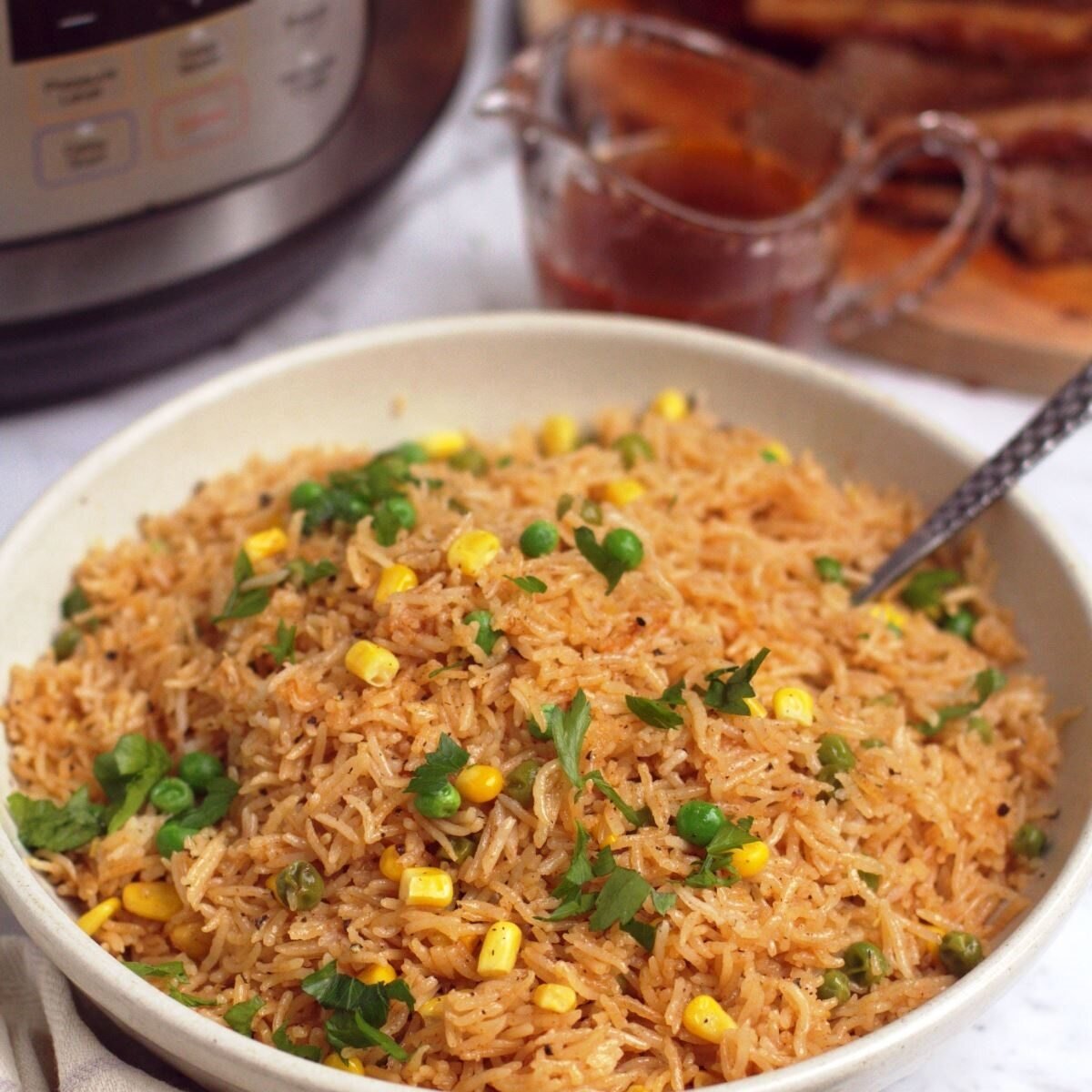
Credit: instantpoteats.com
Simmering Common Recipes On Instant Pot
Some dishes are perfect for simmering. Here are a few classic examples and how to do them in your Instant Pot:
Simmering Soup
- Use “Sauté” to sweat onions, garlic, and vegetables.
- Add broth and remaining ingredients.
- Switch to “Slow Cook” for 2-4 hours, or keep on “Sauté” for a faster simmer (30-60 minutes).
- Stir occasionally.
Making Stew
- Brown meat on “Sauté.”
- Add vegetables, spices, and liquid.
- Use “Slow Cook” on “More” for 4-6 hours.
- Check liquid level every hour; add water if needed.
Reducing Sauces
- After pressure cooking, open the lid.
- Switch to “Sauté” on “Normal” or “More.”
- Simmer uncovered, stirring often, until the sauce thickens.
Cooking Beans
- Pressure cook beans for 20-30 minutes with water and aromatics.
- Quick release pressure.
- Simmer on “Sauté” until desired tenderness, adding water as needed.
Making Jam
- Add fruit and sugar.
- Pressure cook for 1 minute, natural release.
- Simmer on “Sauté” on “Less” until thickened, stirring often.
These examples show the flexibility of the Instant Pot for different simmering needs.
Simmering Time And Temperature: What To Expect
Simmering on Instant Pot can take a different amount of time than on the stove. Here’s why:
- Less evaporation: Your sauce or soup might be thinner, since less water escapes.
- Even heating: Food can cook more evenly, but you must stir often to avoid sticking.
- Temperature range: “Sauté” on “Less” is about 180°F–190°F; “Normal” is about 200°F–210°F; “More” is near boiling.
Here’s a quick reference:
| Dish | Recommended Mode | Simmer Time | Notes |
|---|---|---|---|
| Soup | Slow Cook (Normal) | 2–4 hours | Stir every 30 min |
| Stew | Slow Cook (More) | 4–6 hours | Add liquid if needed |
| Sauce | Sauté (Less/Normal) | 20–40 min | Uncovered |
| Chili | Slow Cook (More) | 4–8 hours | Beans may need longer |
| Beans | Sauté after Pressure | 10–30 min | Check tenderness |
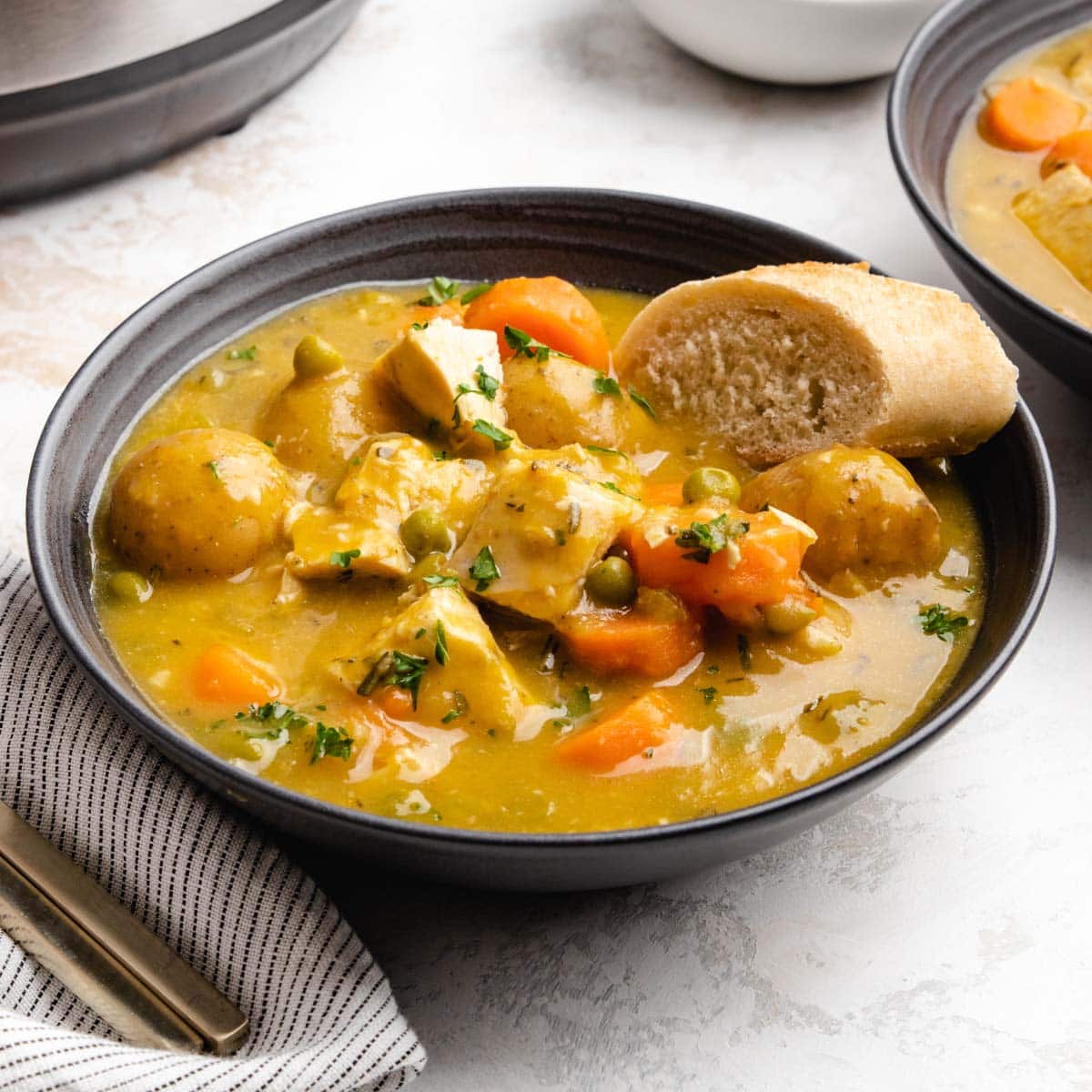
Credit: stogagirlssoccer.com
Practical Tips For Simmering On Instant Pot
Simmering on the Instant Pot is simple, but these tips will help you avoid problems and get better results:
- Use a glass lid: The Instant Pot’s pressure lid is not designed for simmering. A clear glass lid lets you see inside and control evaporation.
- Stir often: Food can stick to the bottom, especially on “Sauté.” Stir every few minutes.
- Leave the lid off for thickening: Simmering with the lid off lets more liquid evaporate, thickening your sauce or stew.
- Cut ingredients evenly: This helps everything cook at the same rate.
- Watch for scorching: If you smell burning, lower the heat or add more liquid.
- Add delicate ingredients late: Herbs, greens, or dairy can break down if simmered too long.
- Don’t overcrowd: If the pot is too full, food won’t simmer evenly.
A hidden insight: The “Keep Warm” mode can act like a very low simmer for keeping food hot without overcooking. This is helpful for buffets or dinner parties.
Troubleshooting Common Simmering Problems
Even with practice, you may run into issues. Here’s how to fix them:
Food Sticking Or Burning
- Use more liquid.
- Stir more often.
- Lower to “Less” setting.
Sauce Too Thin
- Simmer with the lid off to let water evaporate.
- Add a tablespoon of cornstarch mixed with water.
Sauce Too Thick
- Add a bit of water or broth.
- Stir well to combine.
Not Enough Flavor
- Simmer longer to concentrate flavors.
- Add a pinch of salt or a splash of acid (like lemon juice).
Not Simmering At All
- Check that you are not on “Keep Warm” or “Off.”
- Try a higher setting (“Normal” or “More”).
Credit: nilds.gov.ng
How To Simmer Without Overcooking
The Instant Pot is powerful, and it’s easy to overcook food if you’re not careful. Here’s how to prevent that:
- Use “Less” on Sauté for delicate foods.
- Don’t walk away for long periods—check every 5–10 minutes.
- For meat, simmer until just tender, then turn off heat.
- For vegetables, add them near the end so they stay crisp.
A practical tip: If you need to leave food on the simmer for a while, try “Slow Cook” mode. It’s gentler and less likely to overcook.
How To Adjust Simmering For Different Instant Pot Models
Different Instant Pot models have slight variations in heat output and features. Here’s what to know:
- Duo and Lux models: Basic “Sauté” settings—just watch closely.
- Ultra and Pro models: More precise temperature controls, making simmering easier.
- Mini models: Smaller pot means food cooks faster and can burn more easily.
Always check your model’s manual for specifics. If you’re unsure, start with a lower setting and adjust as needed.
Simmering Versus Pressure Cooking: When To Use Each
Many new users think the Instant Pot is only for pressure cooking. But simmering and pressure cooking serve different purposes:
- Simmering: Good for reducing, blending flavors, and gentle cooking.
- Pressure cooking: Good for speeding up tough meats, beans, or grains.
For example, you might pressure cook stew meat for 20 minutes, then switch to Sauté and simmer with vegetables for 30 minutes. This gives you both tenderness and rich flavor.
Simmering is best for:
- Sauces
- Soup finishing
- Reducing liquids
- Cooking delicate foods
Pressure cooking is best for:
- Beans
- Tough meat
- Whole grains
Simmering For Special Diets
Simmering is a great way to make healthy food. Here’s how you can adjust for different diets:
- Low-sodium: Use unsalted broth and add salt at the end.
- Vegetarian: Use vegetable broth and avoid animal fats.
- Gluten-free: Thicken with cornstarch or potato starch instead of flour.
- Dairy-free: Use plant-based milks or coconut milk for creamy sauces.
Simmering helps bring out natural flavors, so you don’t need as much salt or fat for taste.
Cleaning After Simmering
Simmering can leave sticky or burned bits on the bottom. To clean:
- Fill the pot with warm water and a drop of soap.
- Let it soak for 20–30 minutes.
- Use a non-scratch sponge to wipe clean.
- For stuck-on food, use a little baking soda and water paste.
Never use metal tools, which can scratch the pot.
Advanced Simmering Tricks
Experienced cooks use these techniques for even better results:
- Deglaze the pot: After browning meat, pour in a splash of wine or broth and scrape up brown bits. This adds extra flavor.
- Layer flavors: Add spices at the start for depth, and fresh herbs at the end for brightness.
- Use the trivet: For delicate foods, place a trivet in the pot and simmer above water.
- Steam, then simmer: Steam hard vegetables (like carrots) under pressure, then simmer in sauce for best texture.
A pro tip: Save time by prepping ingredients while something is already simmering. Multitasking is easier with the Instant Pot.
Safety Tips For Simmering On Instant Pot
Safety matters, especially when cooking hot liquids.
- Never use the pressure lid with the vent closed while simmering—steam can build up and cause burns.
- Always use oven mitts when handling the pot or lid.
- Keep children away from the steam vent.
- Clean the steam vent regularly to prevent clogging.
When Simmering Doesn’t Work Well
Some recipes don’t adapt well to Instant Pot simmering:
- Delicate fish can break apart.
- Dairy-heavy sauces can scorch or curdle.
- Very small quantities can burn.
For these, use the stovetop or a separate pan.
Non-obvious Insights For Better Simmering
- The Instant Pot’s thick, insulated walls keep heat steady, so simmering is more consistent than on a thin-walled pan.
- If you want a smoky flavor, add smoked paprika or a bit of liquid smoke during simmering—this mimics slow stovetop cooking.
How To Use Simmering For Meal Prep
Simmering in the Instant Pot is ideal for meal prep:
- Make large batches of soup or stew and freeze portions.
- Simmer beans or grains for salads and side dishes.
- Reduce tomato sauce for pasta night.
This saves time and makes healthy eating easier.
Simmering For Entertaining
The Instant Pot keeps food warm and ready to serve. Simmer sauces, dips, or curries for guests, then switch to “Keep Warm.” This is perfect for parties or family gatherings.
For more details about Instant Pot technology and recipes, you can check the Instant Pot Wikipedia page.
Frequently Asked Questions
How Do I Know When My Instant Pot Is Simmering?
You’ll see small bubbles gently rising to the surface, but not a rolling boil. On “Sauté (Less),” this happens after a few minutes. You may need to adjust the setting based on your model and recipe.
Can I Simmer With The Instant Pot Lid On?
Yes, but use the glass lid or place the pressure lid with the vent open. Never seal the vent when simmering, as pressure will build up. For thickening, it’s best to simmer with the lid off.
How Do I Prevent Food From Sticking When Simmering On The Instant Pot?
Always start with enough liquid and stir often. Use “Less” or “Normal” heat for delicate foods, and avoid leaving the pot unattended. If food begins to stick, add more liquid and lower the heat.
Is Simmering On The Instant Pot Faster Than On The Stove?
Simmering time is similar, but the Instant Pot loses less water, so you may need to simmer a bit longer to thicken sauces. The heat is steadier, which can make cooking more predictable.
What Is The Best Instant Pot Setting For Simmering Sauces?
Use the “Sauté” function on “Less” for a gentle simmer. For faster thickening, use “Normal. ” Stir often and leave the lid off for best results.
Simmering on the Instant Pot opens up a world of possibilities for cooks of all skill levels. With the right settings and a few simple tricks, you can create delicious, slow-cooked flavors in less time and with less effort. Whether you’re making soup, stew, or sauce, mastering simmering will help you get the most from your Instant Pot and enjoy tastier meals every day.