
Mold in kitchen cabinets is a common problem that many homeowners face. It can damage your cabinets, cause bad smells, and even affect your health. Mold grows fast in moist, dark places—exactly like the inside of your kitchen cabinets. If you have ever opened your cabinet and noticed a musty smell or dark spots, you might already have mold starting to form.
The good news is, you can prevent mold before it becomes a big issue. With the right steps and some regular attention, your cabinets can stay clean, dry, and healthy for years.
This guide will show you how to keep mold out of your kitchen cabinets. You will learn why mold grows, what attracts it, and which habits can stop it from appearing. We’ll cover cleaning methods, smart storage tips, and even how to pick mold-resistant materials.
Whether you live in a dry or humid place, this article gives you practical advice you can use right away. Let’s get started.
Why Mold Grows In Kitchen Cabinets
Mold needs three things to survive: moisture, warmth, and organic material. Kitchen cabinets often provide all three. Steam from cooking, leaking pipes, and wet dishes can add moisture to your cabinets. The wood, particleboard, or even paper inside the cabinet offers food for mold. Kitchens are usually warm, which helps mold grow faster.
Many people don’t realize that even a small leak or a damp sponge can create the perfect spot for mold. Sometimes, mold starts behind the cabinet where you can’t see it. That’s why it often surprises people when they finally notice it.
Main Causes Of Mold In Cabinets
- Leaky Plumbing: Pipes under the sink or behind the walls can drip water into cabinets.
- High Humidity: Steam from cooking, boiling water, or dishwashers raises moisture in the air.
- Poor Ventilation: Cabinets that are closed all the time trap air and moisture inside.
- Spills and Wet Items: Placing wet dishes, towels, or food in cabinets introduces water.
- Condensation: Temperature changes can cause water to collect on surfaces.
Understanding these causes is the first step to stopping mold from growing. Once you know what to look for, you can take simple actions to keep your cabinets dry and safe.
How To Spot Mold Early
Catching mold early is important. It’s much easier to stop a small problem than a big one. Here’s what to watch for:
- Musty Smell: Mold has a strong, earthy odor. If your cabinets smell musty, check for mold.
- Dark Spots or Discoloration: Black, green, or brown spots are common signs.
- Warped or Soft Wood: Mold can weaken wood, making it soft or bumpy.
- Condensation: Water droplets inside your cabinets may lead to mold.
Make it a habit to check your cabinets every month, especially under the sink or near any appliances with water lines.
Smart Cleaning Habits That Stop Mold
Keeping your cabinets clean is one of the best ways to prevent mold. But not all cleaning methods work the same. Here’s how to clean in a way that keeps mold away:
1. Clean Regularly With The Right Products
Use a gentle cleaner and a damp (not wet) cloth. Avoid soaking the surfaces. For deeper cleaning, mix one part white vinegar with one part water. Vinegar kills most mold spores and is safe for most cabinet materials.
- Do this once a month for best results.
- Dry the surface completely after cleaning.
2. Disinfect After Leaks Or Spills
If you have a leak or spill inside your cabinet, act fast.
- Wipe up all standing water.
- Spray the area with a vinegar or hydrogen peroxide solution.
- Let it sit for 10 minutes, then dry with a towel.
3. Don’t Forget Hidden Areas
Mold loves corners and hidden spots. Clean behind items, in the back corners, and under shelves.
4. Skip Strong Chemicals
Bleach is not always the best solution for cabinets. It can damage wood and may not kill all mold roots. Stick with vinegar, baking soda, or hydrogen peroxide for regular cleaning.
How To Control Moisture Inside Cabinets
Moisture is the biggest reason for mold. If you keep cabinets dry, mold has no chance. Here are proven ways to control moisture:
1. Fix Leaks Immediately
Check the pipes under your sink every month. If you see water drops or stains, repair the leak right away. Even a slow drip can cause mold over time.
2. Use Dehumidifiers Or Moisture Absorbers
In very humid kitchens, small dehumidifiers can help. You can also buy moisture absorbers made from silica gel, baking soda, or charcoal. Place them in the back of cabinets, especially under the sink.
3. Allow Airflow
Don’t pack your cabinets too tightly. Leave space between items so air can move around. You can also leave cabinet doors open for a few hours each week to let in fresh air.
4. Wipe Dry Before Storing
Make sure dishes, pots, and food containers are completely dry before putting them away. Even a little water can raise moisture levels.
5. Insulate Pipes
If you live in a place with big temperature changes, pipes can sweat and drip inside cabinets. Wrapping pipes with insulation can stop condensation and keep the area dry.
Choosing Mold-resistant Materials
Some cabinet materials resist mold better than others. If you are remodeling or replacing cabinets, choose smart materials:
1. Solid Wood Vs. Particleboard
Solid wood is stronger and resists water better than particleboard or MDF (medium-density fiberboard). Particleboard soaks up water fast and can break down if mold grows.
2. Laminate And Melamine
Laminate and melamine surfaces are smooth and non-porous, making it harder for mold to stick and grow. These are good options for inside shelves.
3. Mold-resistant Paints
You can paint the inside of cabinets with special mold-resistant paints. These create a barrier that makes it harder for mold to grow, even if the area gets damp.
4. Stainless Steel
Though not common for home cabinets, stainless steel is naturally mold-resistant. It does not absorb water or food particles.
Here’s a quick comparison of common cabinet materials:
| Material | Mold Resistance | Water Absorption | Durability |
|---|---|---|---|
| Solid Wood | Good | Medium | High |
| Particleboard/MDF | Poor | High | Low |
| Laminate/Melamine | Very Good | Low | Medium |
| Stainless Steel | Excellent | None | High |
Even if you are not planning a remodel, you can line shelves with mold-resistant liners or paint the inside with a mold-preventing primer.
Improving Kitchen Ventilation
Good air movement is key to a dry, mold-free kitchen. Many people forget that closed cabinets can trap steam and moisture inside.
1. Use An Exhaust Fan
Always use the kitchen exhaust fan when cooking, especially when boiling or steaming. This helps remove humid air before it can settle in your cabinets.
2. Open Windows And Doors
Whenever possible, open a window or door to let in fresh air. Even a few minutes can lower humidity.
3. Install Cabinet Vents
For cabinets under the sink or near water sources, you can install small vents in the doors. These let air move in and out, making it harder for mold to grow.
4. Avoid Blocking Airflow
Don’t put large items in front of cabinet vents or fans. Make sure air can move freely around your kitchen.
Smart Storage Tips To Prevent Mold
What you store in your cabinets—and how you store it—matters a lot. Here’s how to store items wisely:
1. Store Only Dry Goods
Never put wet items in your cabinets. Dry food, dishes, and containers before storing.
2. Use Airtight Containers
For food items, use airtight containers. This keeps moisture out and prevents spills that can attract mold.
3. Avoid Overcrowding
Too many items block airflow and make cleaning harder. Give your cabinets room to breathe.
4. Rotate Items
Use older items first. This prevents forgotten food or dishes from becoming moldy.
5. Check For Expired Food
Old food can go bad and grow mold, especially in warm, humid cabinets. Check and clear out expired items regularly.
How To Respond To Early Mold Signs
If you notice early signs of mold, act quickly. Here’s what to do:
1. Remove All Items
Take everything out of the affected cabinet. This lets you see the problem and stops mold from spreading.
2. Clean With Vinegar Or Hydrogen Peroxide
Spray the moldy area with a vinegar or hydrogen peroxide solution. Let it sit for at least 10 minutes.
3. Scrub And Dry
Use a brush or sponge to scrub away mold. Dry the area completely with a towel.
4. Check For Leaks
Look for leaks or moisture sources that may have caused the mold.
5. Throw Away Moldy Items
If food, towels, or sponges have mold, throw them out. Don’t risk spreading spores.
6. Monitor For Regrowth
Check the area every few days for new mold. If it returns, you may need stronger cleaning or repairs.

Credit: www.wikihow.life
Professional Help For Serious Mold Problems
Sometimes, mold gets out of control. If you see mold covering a large area, or if it keeps coming back, it’s time to call a professional. Mold can hide behind cabinet walls or under floors.
Professional mold removal teams have special tools and cleaners to remove all mold and stop it from returning. They can also fix leaks or water damage that cause mold. This is important if you or someone in your home has allergies, asthma, or a weak immune system.
Don’t try to clean large areas of black or toxic mold yourself. You could spread the spores or breathe in dangerous air. Professionals know how to remove it safely.
Common Mistakes That Help Mold Grow
Even careful people make mistakes that let mold grow. Here are some common ones to avoid:
- Ignoring Small Leaks: Even a tiny drip can add up to a lot of moisture.
- Storing Damp Items: Wet dishcloths, sponges, or food containers can start mold growth.
- Skipping Regular Cleaning: Dust and crumbs can feed mold.
- Using Too Much Water to Clean: Soaking cabinets during cleaning leaves them wet.
- Not Checking Hidden Spaces: Mold often starts where you can’t see.
- Blocking Airflow: Overpacked cabinets and blocked vents trap moisture.
- Forgetting to Check Expiry Dates: Old food can start mold that spreads to the cabinet.
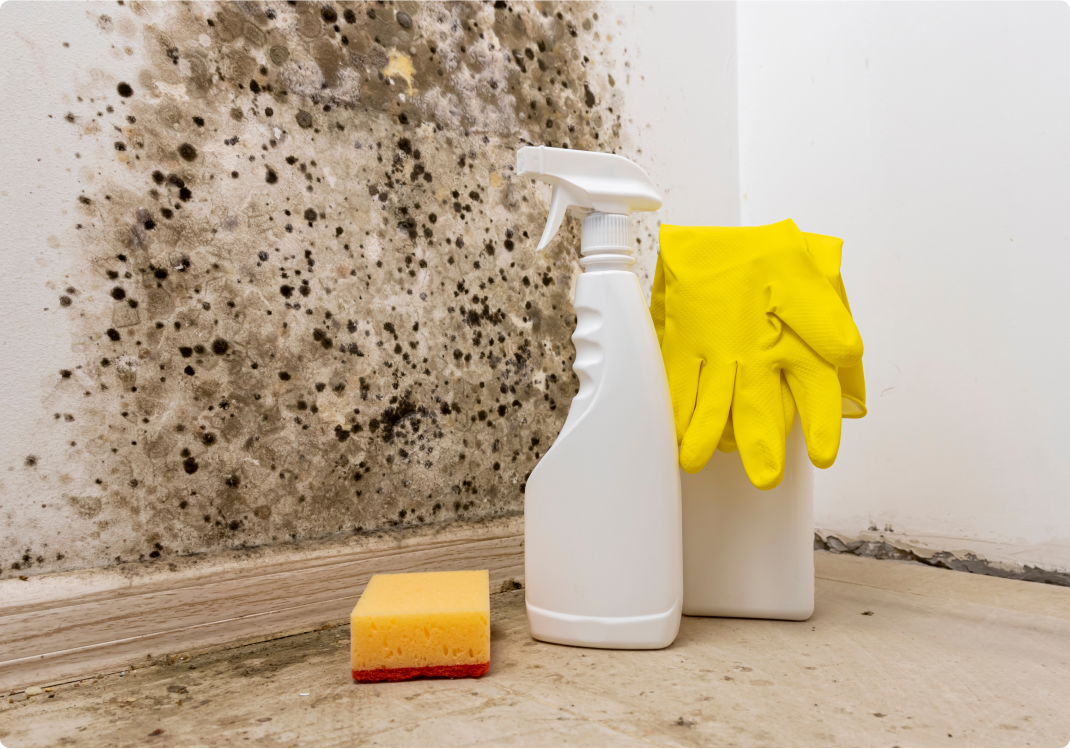
Credit: www.ahs.com
Seasonal Tips For Mold Prevention
Mold risk changes with the seasons. Here’s how to adjust your prevention habits:
Spring And Summer
- Humidity is usually higher.
- Use dehumidifiers and fans more often.
- Open windows when it’s dry outside.
Fall And Winter
- Watch for condensation from hot cooking and cold weather.
- Insulate pipes to prevent sweating.
- Keep cabinets dry after heavy cooking or baking.
How Often To Check And Clean Cabinets
Regular checks and cleaning are the best defense against mold. Here’s a timeline to follow:
| Task | Frequency |
|---|---|
| Wipe down shelves | Every month |
| Check for leaks | Every month |
| Inspect for mold | Every month |
| Deep clean | Every 6 months |
| Replace moisture absorbers | Every 3 months |
Set reminders on your phone or calendar. Consistency is more important than perfection.
Extra Tips Most People Miss
Even people who clean often can miss these important details:
- Use a thermometer and hygrometer inside your cabinets to check temperature and humidity. Keeping humidity below 60% stops most mold.
- Line shelves with removable, washable liners. If mold starts, you can replace the liner instead of the whole shelf.
- Store baking soda or charcoal in the back of cabinets. Both absorb moisture and help stop mold smells.
- Check seals and caulking around sinks and pipes. Cracked caulking lets water leak in.
- Don’t forget appliance cabinets. If you keep a coffee maker or rice cooker in a cabinet, wipe it dry before storing.
Mold Prevention For Special Kitchen Situations
Some kitchens have unique risks. Here’s what to do in these cases:
Small Kitchens
- Use wall-mounted racks and open shelves to reduce crowded cabinets.
- Choose compact, airtight containers.
Rental Apartments
- Use non-permanent moisture absorbers and liners.
- Report leaks to your landlord immediately.
- Avoid drilling or making big changes without permission.
Homes In Humid Climates
- Use electric dehumidifiers.
- Open cabinets daily for airflow.
- Choose mold-resistant paints and liners.
Vacation Homes
- Empty cabinets when leaving for long periods.
- Leave doors open for airflow.
- Use moisture absorbers while away.
When To Replace Cabinets
Sometimes, cabinets are too damaged by mold to save. If you see any of these signs, replacement may be the safest option:
- Soft, crumbling wood: The structure is weak and unsafe.
- Mold covers over 10 square feet: Hard to clean completely.
- Mold keeps returning: Even after deep cleaning and repairs.
- Strong, lasting smell: Mold is likely deep inside.
Replacing cabinets can be expensive, but sometimes it’s the only way to protect your health and your kitchen.
Comparing Mold Prevention Methods
Different methods work better in different situations. Here’s a simple comparison:
| Prevention Method | Best For | Cost | Effort Needed |
|---|---|---|---|
| Regular cleaning | All kitchens | Low | Low |
| Dehumidifiers | Humid climates | Medium | Medium |
| Moisture absorbers | Under-sink cabinets | Low | Low |
| Mold-resistant paint | Remodeling projects | Medium | Medium |
| Professional help | Severe mold | High | Low (for you) |
Health Risks Of Mold In Kitchen Cabinets
Mold is not just ugly. It can cause real health problems, especially for children, the elderly, or anyone with breathing issues. Mold spores can trigger allergies, asthma attacks, coughing, sore throat, and even skin rashes. Some types of mold, like black mold, are especially dangerous.
If you notice health changes in your home, such as more sneezing, coughing, or headaches, check for mold in hidden places—including your cabinets. Removing mold can improve air quality and help your family stay healthy.
For more about health risks, see this CDC mold guide.
Frequently Asked Questions
What Is The Best Way To Clean Mold From Kitchen Cabinets?
Spray a mix of white vinegar and water (or hydrogen peroxide) on the moldy area. Let it sit for 10 minutes, then scrub with a brush or sponge. Dry the area completely. Avoid bleach, as it can damage cabinet surfaces and may not kill all mold spores.
Can Mold In Kitchen Cabinets Make You Sick?
Yes, mold can cause allergies, asthma attacks, and other health issues. Mold releases spores into the air, which can be harmful if breathed in—especially for children, older adults, or those with breathing problems.
How Do I Keep Cabinets Dry In A Humid Kitchen?
Use dehumidifiers or moisture absorbers inside cabinets. Always use the kitchen exhaust fan when cooking. Open cabinet doors sometimes to allow air to move. Fix leaks right away and never store damp items in your cabinets.
Is It Safe To Paint Over Mold In Cabinets?
No, painting over mold only hides the problem. The mold can grow under the paint and come back. Always clean and remove all mold before painting. Use a mold-resistant primer and paint for better protection.
When Should I Call A Professional For Mold In Cabinets?
Call a professional if mold covers a large area (over 10 square feet), if it keeps coming back, or if you have health symptoms. Professionals can remove mold safely and repair water damage that causes mold.
Keeping mold out of your kitchen cabinets is possible with the right habits and a little attention. By controlling moisture, cleaning regularly, and acting fast when you spot problems, you can enjoy a fresh, healthy kitchen for years to come.

Credit: www.reddit.com