
A strange smell coming from the cupboard under the bathroom sink is a problem many people face. Sometimes, it starts as a mild odor. Other times, it gets strong and unpleasant. You might wonder what causes it, how to fix it, and how to keep your bathroom fresh. This guide explains everything about smelly bathroom sink cupboards, from reasons and solutions to prevention and useful tips. If you’re tired of guessing and want clear answers, you’re in the right place.
Why Does The Cupboard Under Bathroom Sink Smell?
The cupboard under the bathroom sink is a hidden space. It’s often dark, humid, and cramped. These conditions help odors build up. There are several common reasons this area smells:
- Leaks and Moisture: Pipes under the sink can leak. Even small drips create damp areas. Dampness leads to mold, mildew, and musty smells.
- Standing Water: Sometimes, water pools under the pipes or in the cupboard itself. This can come from spills, leaks, or condensation.
- Poor Ventilation: The cupboard usually gets little airflow. Without ventilation, humidity and odors stay trapped.
- Mold and Mildew: Dark, moist places are perfect for mold and mildew. These grow quickly and produce strong smells.
- Old Plumbing: Older pipes and fittings can corrode or break down. This releases odors, especially from drain pipes.
- Trapped Food or Debris: Sometimes, food, hair, or other debris gets stuck in the pipes. Bacteria feed on this, causing smells.
- Cleaning Products: Some cleaning products have strong scents or chemicals. These can mix with moisture and create odd odors.
- Rodents or Insects: Small animals or bugs sometimes hide under the sink. Their droppings and nests smell bad.
- Sewer Gas: If there’s a gap or issue with the plumbing trap, sewer gas can escape into your cupboard.
Let’s look at each cause in detail and see how to identify which one is affecting your bathroom.
Identifying The Source Of The Smell
Finding the real cause of the smell is important. You should not just mask it with air fresheners. Here’s how to check what’s going on:
Visual Inspection
Open the cupboard and look for:
- Water stains or damp patches
- Mold or mildew on surfaces
- Rusty pipes
- Debris or trash
- Signs of rodents (droppings, chewed items)
Smell Test
Try to identify the type of odor:
- Musty smell: Usually mold or mildew
- Rotten eggs: Could be sewer gas
- Chemical smell: Cleaning products or pipe sealants
- Rotten food: Trapped debris
Touch And Listen
Feel around the pipes and cupboard floor. Is it damp? Do you hear dripping water? These signs point to leaks.
Check Under The Sink
Look at the pipes and fittings closely:
- Is there water inside the cupboard?
- Are pipes loose or leaking?
- Is the trap dry? (If yes, sewer gas may be escaping.)
Use A Moisture Meter
If you want to be sure, use a moisture meter. This tool tells you if the cupboard is damp, which could mean mold or leaks.
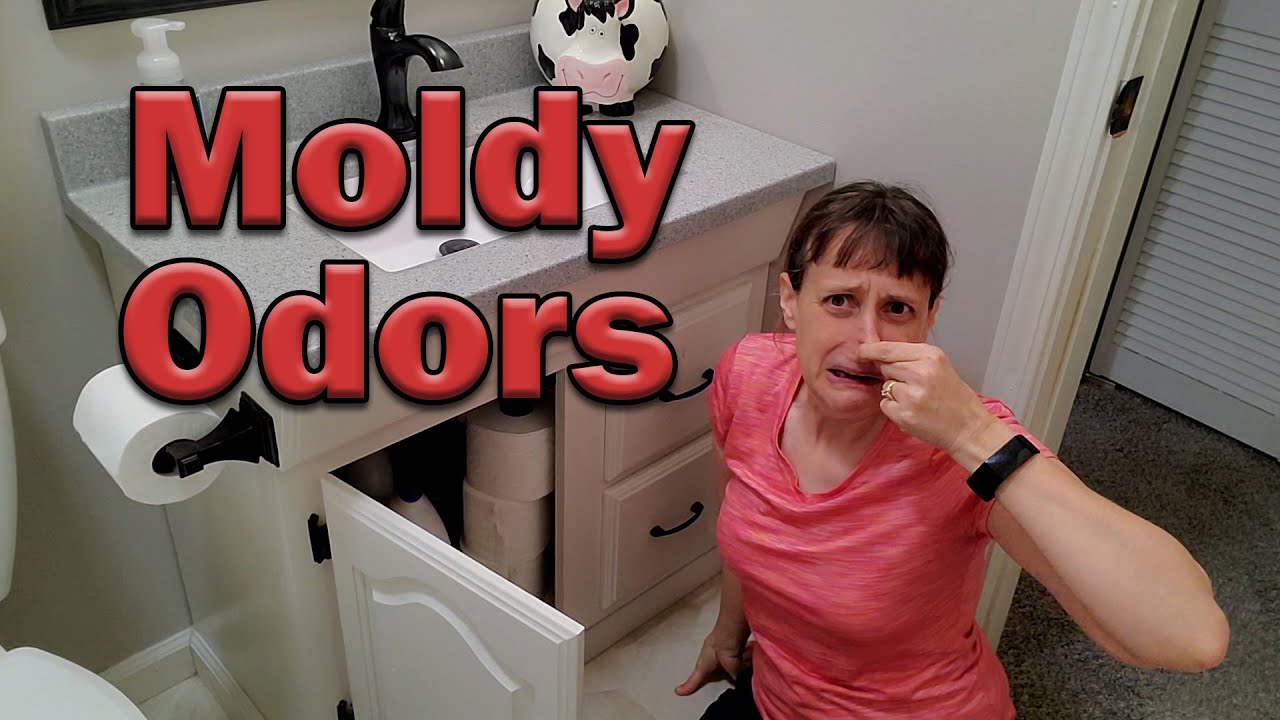
Credit: www.youtube.com
Common Causes And How To Fix Them
Let’s look at each cause and what you can do about it.
1. Leaks And Moisture
Leaks are the most common reason for smells. Even slow leaks make the area damp and smelly.
How to fix:
- Turn off the water.
- Inspect pipes and fittings for cracks or loose joints.
- Tighten or replace faulty parts.
- Dry the area with towels or a hairdryer.
- If mold is present, clean with bleach or vinegar.
Tip: After fixing the leak, leave the cupboard open to air out for several hours.
2. Standing Water
Water that pools under the sink causes odors and attracts insects.
How to fix:
- Mop up any water.
- Check for leaks above.
- Make sure the cupboard floor is dry.
- Place a moisture absorber (like silica gel) inside.
3. Poor Ventilation
Lack of airflow keeps smells trapped.
How to fix:
- Keep the cupboard doors open for a few hours each day.
- Install a small vent or air hole at the back.
- Use a battery-powered fan if needed.
Non-obvious insight: Cupboards with solid backs trap more air. If possible, remove the back panel or add holes to improve ventilation.
4. Mold And Mildew
Mold is a health risk and creates strong odors.
How to fix:
- Wear gloves and a mask.
- Scrub mold with bleach or a mold remover.
- Rinse and dry the area.
- Fix any leaks to prevent future growth.
Tip: Mold often grows behind boards or panels. Check hidden areas too.
5. Old Plumbing
Old pipes corrode and break down, releasing smells.
How to fix:
- Inspect pipes for rust or corrosion.
- Replace old pipes with new ones.
- Use plumber’s tape to seal joints.
Data: According to the EPA, old pipes are a leading cause of leaks in homes. Replacing them reduces odors and water waste.
6. Trapped Food Or Debris
Debris in pipes creates smells as bacteria feed on it.
How to fix:
- Remove the trap (U-shaped pipe) and clean it.
- Use a pipe brush to scrub inside.
- Flush with hot water and baking soda.
Non-obvious insight: Even if you only wash hands in the bathroom, small bits of soap, hair, and skin cells can build up and cause odors.
7. Cleaning Products
Some products leave strong chemical odors, especially in closed spaces.
How to fix:
- Remove any strong-smelling products.
- Clean spilled chemicals.
- Rinse the cupboard with water and mild soap.
8. Rodents Or Insects
Rodents and insects leave behind droppings and nests that smell.
How to fix:
- Remove any droppings or nests.
- Seal holes and gaps where pests might enter.
- Use safe pest control methods.
9. Sewer Gas
Sewer gas smells like rotten eggs. It’s dangerous and must be fixed quickly.
How to fix:
- Make sure the plumbing trap is full of water.
- If the trap is dry, run the tap for a few minutes.
- Check for cracks in pipes or fittings.
- Seal gaps with plumber’s putty.
Safety note: If the smell is strong and constant, call a plumber immediately.
Cleaning And Deodorizing The Cupboard
Once you fix the cause, you need to clean and deodorize the cupboard. Here’s a step-by-step process:
- Remove everything from the cupboard.
- Clean surfaces with mild soap and water.
- Disinfect with a mix of bleach and water (1: 10 ratio).
- Dry completely. Use towels, a hairdryer, or leave the cupboard open.
- Deodorize using one of these:
- Baking soda (leave a box inside)
- Charcoal (absorbs odors)
- Vinegar bowl (neutralizes smells)
- Check items before returning them. Clean or replace anything that smells.
Data: Studies show that baking soda reduces odors by absorbing moisture and neutralizing acids.

Credit: www.amazon.com
Preventing Smells Under The Bathroom Sink
Prevention is better than cure. Here’s how to keep your bathroom cupboard smelling fresh:
Routine Checks
Check under the sink once a month for leaks, mold, or standing water.
Keep It Dry
- Wipe spills immediately.
- Store items in plastic bins, not directly on the cupboard floor.
Improve Ventilation
- Leave the cupboard doors open sometimes.
- Install a small vent if possible.
Store Smart
- Avoid keeping strong-smelling products in the cupboard.
- Use airtight containers for cleaning products.
Use Moisture Absorbers
- Place silica gel, baking soda, or charcoal inside.
- Change them every 2–3 months.
Fix Leaks Quickly
- Even minor leaks can cause smells. Fix them as soon as you notice.
Clean Regularly
- Wipe the cupboard every few weeks.
- Clean the plumbing trap every 3–6 months.
Comparing Different Odor Sources
To help you understand the differences, here is a comparison of common odor sources and their signs.
| Odor Source | Main Signs | Health Risk | Easy to Fix? |
|---|---|---|---|
| Mold/Mildew | Musty smell, visible spots | High (allergies, asthma) | Yes |
| Sewer Gas | Rotten egg smell | Very High (toxic) | No (needs plumber) |
| Leaks | Damp area, water stains | Medium (mold risk) | Yes |
| Rodents/Insects | Odd smell, droppings | Medium (disease) | Yes |
| Cleaning Products | Chemical smell | Low | Yes |

Credit: www.reddit.com
How To Remove Mold Under The Bathroom Sink
Removing mold is important for health and smell. Follow these steps:
- Wear safety gear: Gloves, mask, goggles.
- Mix cleaner: Use bleach (1 cup) in 10 cups of water.
- Scrub mold: Use a brush and wipe surfaces.
- Rinse and dry: Use clean water and towels.
- Dispose of materials: Throw away any items with mold.
- Check for leaks: Fix any water sources.
Tip: If mold returns, you have a moisture problem. Check pipes and ventilation.
Dealing With Sewer Gas
Sewer gas is dangerous and smells very bad. Here’s what to do:
- Run the tap for several minutes to fill the trap.
- Check for dry or broken traps.
- Seal cracks with plumber’s putty.
- If smell stays, call a plumber.
Data: Sewer gas contains hydrogen sulfide, which is toxic. Even low amounts can cause headaches or nausea.
What If The Smell Returns?
Sometimes, smells come back after cleaning. Here’s why:
- Hidden leaks: Leak is not fully fixed.
- Mold behind panels: Mold grows out of sight.
- Ventilation still poor: Air is not moving.
- Plumbing problem: Trap or pipes need repair.
If the smell returns, repeat your inspection. Look in hidden areas. Sometimes, you need professional help.
Diy Solutions And Products
You can use several DIY solutions to fight odors:
- Baking soda: Leave a bowl under the sink.
- Charcoal: Place charcoal pieces to absorb smells.
- Vinegar: Set out a cup to neutralize odors.
- Essential oils: Add a few drops to cotton balls.
Some products help too:
- Moisture absorbers (like DampRid)
- Mold removers
- Pipe cleaners
Non-obvious insight: Avoid using strong air fresheners. These only cover the smell, not solve the problem.
Professional Help: When To Call A Plumber
Some issues need an expert. Call a plumber if:
- The smell is strong and constant
- Sewer gas is present
- Pipes are damaged or old
- You can’t find the cause
A plumber can inspect pipes, replace damaged parts, and find hidden leaks.
Safety And Health Risks
Bad smells are not just unpleasant. They can be dangerous:
- Mold: Causes allergies, asthma, lung problems.
- Sewer gas: Toxic and flammable.
- Rodents/Insects: Spread disease.
- Chemicals: Can cause headaches or sickness.
Always wear gloves and a mask when cleaning. If you feel sick, leave the area and get help.
Bathroom Cupboard Odor Statistics
Recent studies show:
- 30% of homes report bathroom cupboard smells each year
- 70% of cases are caused by leaks and mold
- 15% are due to old pipes
- 10% are caused by sewer gas
- 5% are from pests or cleaning products
These numbers show leaks and mold are the biggest problems. Fixing leaks quickly reduces smell and health risks.
Comparing Bathroom Cupboard Materials And Their Odor Risk
Different cupboard materials react to moisture and odors in different ways. Here’s a comparison:
| Material | Moisture Resistance | Mold Risk | Odor Absorption |
|---|---|---|---|
| Wood | Low | High | High |
| Laminate | Medium | Medium | Medium |
| Plastic | High | Low | Low |
| Metal | High | Low | Low |
Non-obvious insight: Wooden cupboards are most likely to absorb odors and grow mold. If you renovate, consider plastic or metal for bathroom areas.
Example: Real-life Smelly Bathroom Cupboard Fix
Let’s look at a real example.
A family noticed a musty smell from their bathroom cupboard. They checked and found a small leak under the sink. Mold was growing in the corner. Here’s what they did:
- Turned off the water and fixed the leak.
- Removed all items and scrubbed mold with bleach.
- Left cupboard doors open for 24 hours.
- Placed baking soda and silica gel inside.
- Checked pipes and replaced old, rusty parts.
The smell was gone in two days. They now check monthly and have not had problems since.
How To Improve Bathroom Cupboard Ventilation
Ventilation helps prevent smells. Here’s how to improve it:
- Add a small vent or air hole at the back or side.
- Use a battery-powered fan for airflow.
- Leave doors open after cleaning.
- Remove the back panel if possible.
Tip: Even a few small holes can make a big difference.
Signs You Need To Replace The Cupboard
Sometimes, the cupboard is too damaged. Signs you should replace it:
- Wood is soft, swollen, or rotten.
- Mold keeps coming back.
- Cupboard smells even after cleaning.
Replacing the cupboard stops future odors and makes cleaning easier.
Eco-friendly Ways To Stop Smells
You can use green methods:
- Baking soda: Cheap and safe.
- Charcoal: Absorbs smells naturally.
- Vinegar: Cleans and deodorizes.
- Essential oils: Freshen air without chemicals.
Avoid strong chemical cleaners if possible. Natural methods are safer for you and the environment.
Bathroom Cupboard Odor Myths
Some myths about bathroom cupboard smells:
- “Air fresheners solve the problem.” Actually, they only cover the smell.
- “It’s normal for cupboards to smell.” No, it means something is wrong.
- “Cleaning once is enough.” Odors return if leaks or mold are not fixed.
- “Plastic cupboards never smell.” They can, but are less likely.
Understanding the truth helps you fix and prevent smells.
How To Make Your Bathroom Cupboard Last Longer
Keeping your cupboard in good shape reduces odors:
- Fix leaks fast.
- Clean regularly.
- Store items in bins.
- Improve ventilation.
- Use moisture absorbers.
These steps make your cupboard last longer and stay fresh.
Comparing Diy Vs Professional Odor Removal
You might wonder if you should fix the smell yourself or call an expert. Here’s a comparison:
| Method | Cost | Time Needed | Success Rate | When to Use |
|---|---|---|---|---|
| DIY | Low | 1–3 hours | High (for leaks, mold) | Small issues |
| Professional | High | 1–2 days | Very High (plumbing, sewer gas) | Major problems |
Tip: Start with DIY steps. If smell stays or if you find sewer gas, call a plumber.
Useful Products For Bathroom Cupboard Odor Control
Some products help keep smells away:
- DampRid: Absorbs moisture.
- Arm & Hammer Baking Soda: Neutralizes odors.
- Activated charcoal: Traps smells.
- Mold removers: Kill mold and mildew.
- Pipe brushes: Clean inside pipes.
Using these keeps your cupboard fresh.
How Cupboard Under Bathroom Sink Smells Affect Your Home
Smelly bathroom cupboards are more than a nuisance. They can:
- Lower home value (bad smells discourage buyers)
- Cause health issues (mold, sewer gas)
- Damage cupboards and floors (leaks, rot)
- Attract pests (rodents, insects)
Fixing smells quickly protects your home and health.
When To Renovate Or Upgrade
If your bathroom cupboard is old, damaged, or keeps smelling, consider upgrading:
- Replace with moisture-resistant materials (plastic, metal)
- Install new pipes and fittings
- Add ventilation
Renovation stops future problems and makes cleaning easier.
External Resource For More Information
If you want more detailed information about bathroom odors and plumbing, check this EPA guide to fixing leaks. It explains how leaks cause odors and how to fix them safely.
Frequently Asked Questions
Why Does My Bathroom Cupboard Smell Musty?
A musty smell usually means mold or mildew is growing. This happens when there’s moisture from leaks, spills, or poor ventilation. Clean the area, fix leaks, and improve airflow to remove the smell.
Is It Dangerous If The Smell Is Like Rotten Eggs?
Yes. A rotten egg smell often means sewer gas is escaping. This gas is toxic and flammable. Fill the plumbing trap with water, seal cracks, and call a plumber if the smell continues.
How Can I Prevent Smells Under My Bathroom Sink?
Keep the area dry, fix leaks fast, improve ventilation, and use moisture absorbers like baking soda or silica gel. Clean the cupboard and pipes every few months.
What Is The Best Material For Bathroom Cupboards To Avoid Smells?
Plastic and metal cupboards resist moisture and mold better than wood. If you renovate, choose these materials for bathroom areas.
When Should I Call A Plumber For Bathroom Cupboard Smells?
Call a plumber if the smell is strong, constant, or like sewer gas. Also call if pipes are damaged, leaks keep coming back, or you cannot find the cause yourself.
No one likes a smelly bathroom cupboard. Fixing the cause, cleaning well, and preventing future smells keeps your bathroom fresh and safe. Whether you do it yourself or call a pro, these steps solve the problem and make your home healthier.