
When you invest in an Intex pool, you expect clean, sparkling water all summer. But what happens when your Intex pool vacuum stops moving? Suddenly, debris sits at the bottom, water turns cloudy, and pool fun turns into frustration. Many pool owners face this issue, and it can feel confusing if you don’t know where to start. The good news: most causes are easy to fix at home, with a bit of guidance and patience.
Understanding why your Intex pool vacuum isn’t moving saves you time, money, and hassle. This article will help you troubleshoot, repair, and prevent the problem. We’ll look at common reasons, step-by-step solutions, and mistakes beginners often make. You’ll also see practical examples and tips for ongoing care. By the end, you’ll feel confident diagnosing and fixing your pool vacuum—so you can get back to enjoying your pool.
How Intex Pool Vacuums Work
Before fixing a problem, it helps to know how Intex pool vacuums operate. Most Intex pool vacuums are either suction-side or pressure-side models.
- Suction-side vacuums use the pool’s filter pump to create suction. Water is drawn through the vacuum, picking up dirt and debris.
- Pressure-side vacuums use the return water flow. The water pushes the vacuum along, and debris is collected in a filter bag.
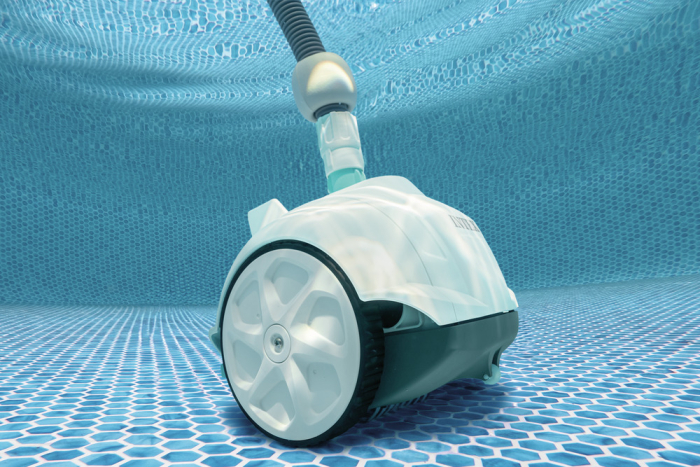
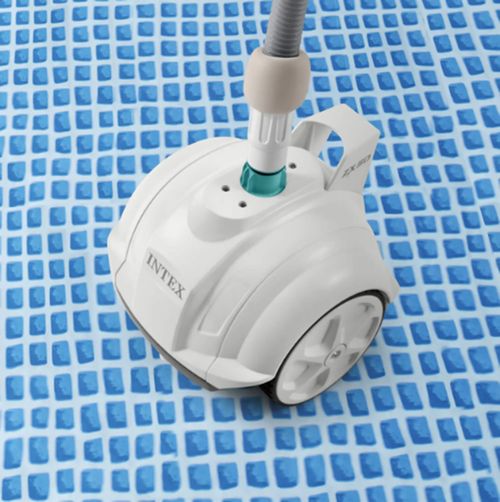
Some Intex vacuums are manual, where you move the head around with a pole, and others are automatic, which move themselves across the pool floor.
Why does this matter? Because each type has different problems and fixes. Knowing your model helps you find the right solution faster.
Key Parts Of Intex Pool Vacuums
- Vacuum head – Sits on the pool floor and collects dirt.
- Hose – Connects the vacuum to the filter system.
- Wheels or brushes – Allow movement and scrubbing.
- Inlet adapters – Attach the vacuum to your pool’s return or suction port.
If any part fails, your vacuum may stop moving.
Common Reasons Your Intex Pool Vacuum Is Not Moving
When your Intex pool vacuum stops moving, several things could be wrong. Let’s look at the most frequent causes:
- Low water flow – Not enough power from the pump.
- Clogged hoses or vacuum head – Debris blocks movement.
- Air leaks in the system – Breaks suction or pressure.
- Pump not powerful enough – Can’t drive the vacuum.
- Worn or broken wheels/parts – Prevents rolling.
- Improper hose connection – Vacuum doesn’t get enough force.
- Filter is dirty or clogged – Limits water flow.
- Wrong vacuum for pool size – Some models can’t handle larger pools.
- Pool chemistry issues – Algae or debris can clog systems.
- Obstructions in the pool – Toys, leaves, or other items block the vacuum.
Let’s break down each issue and how to identify it.
1. Low Water Flow
The most common reason is low water flow. If your pump isn’t moving enough water, the vacuum can’t operate.
- Check if the pump is running at full speed.
- Listen for unusual noises (gurgling, grinding).
- Look at the water returning to the pool: Is it strong or weak?
If you notice weak water flow, move to the “How to Fix” section for solutions.
2. Clogged Hoses Or Vacuum Head
Debris often gets stuck in the vacuum head or hose. Even small leaves or pebbles can block movement.
- Detach the hose and look through it.
- Remove the vacuum head and check for obstructions.
- For automatic vacuums, check the wheels for wrapped hair or string.
Clogs reduce suction and stop the vacuum from moving.
3. Air Leaks In The System
Air entering the system disrupts suction or pressure. Signs include:
- Bubbles coming out of the return jets.
- The vacuum floats instead of staying on the pool floor.
- The pump loses prime (stops moving water).
Air leaks usually come from loose connections or cracked hoses.
4. Pump Not Powerful Enough
Every Intex pool vacuum needs a minimum pump size, usually measured in gallons per hour (GPH).
- Check your vacuum’s manual for the recommended pump size.
- If your pump is too small, the vacuum will not move.
Some users buy a vacuum without upgrading their pump, leading to this issue.
5. Worn Or Broken Wheels/parts
If the wheels, brushes, or gears are worn out, the vacuum won’t move.
- Inspect for missing or broken wheels.
- Try spinning the wheels by hand.
- Check for cracks or damage.
A damaged part can stop all movement, even if suction is strong.
6. Improper Hose Connection
If the hose isn’t connected tightly or is the wrong length, the vacuum may not get enough force.
- Make sure all connections are snug.
- Too long hoses reduce suction; too short hoses can strain the system.
Beginners sometimes mix up hose order or forget to use the right adapters.
7. Filter Is Dirty Or Clogged
A dirty filter can choke off water flow.
- Check your cartridge or sand filter.
- If it’s been weeks since cleaning, it’s likely clogged.
A clean filter is essential for vacuum performance.
8. Wrong Vacuum For Pool Size
Some Intex pool vacuums are made for small pools. If you use them in a large pool, they may move slowly or not at all.
- Compare your pool size with the vacuum’s specifications.
9. Pool Chemistry Issues
High algae, sand, or dirt loads can clog the system.
- Green or cloudy water is a sign of algae.
- Heavy debris (after storms) can overwhelm the vacuum.
10. Obstructions In The Pool
Toys, large leaves, or pool floats can physically block the vacuum.
- Check the pool floor for anything in the vacuum’s path.
Credit: www.steinbach-group.com
Step-by-step Troubleshooting Guide
Now, let’s walk through solving the problem. Start with the easiest checks, then move to more advanced fixes.
Step 1: Turn Off And Inspect
Always turn off the pump before working on the vacuum. This keeps you safe and prevents damage.
- Remove the vacuum from the pool.
- Lay out all parts on a clean surface.
- Check for visible damage, broken pieces, or missing parts.
Step 2: Check For Obvious Clogs
- Detach the hose from both ends.
- Look through the hose; shine a flashlight to see blockages.
- Run water from a garden hose through it to clear debris.
- Inspect the vacuum head for stuck leaves, hair, or dirt.
If you find a clog, remove it and test the vacuum again.
Step 3: Examine Hoses And Connections
- Inspect each hose section for cracks or holes.
- Replace any damaged hoses.
- Tighten all connections—hand tight, but not over-tightened.
- Make sure the vacuum is connected to the correct port (inlet or outlet, as per the manual).
Step 4: Check The Pump And Filter
- Clean or replace the filter cartridge.
- If you use a sand filter, backwash it.
- Check the pump basket for debris.
- Start the pump and observe water flow.
If the water flow is weak, the problem is likely in the pump or filter.
Step 5: Test For Air Leaks
- With the system running, watch for bubbles in the pool.
- Spray soapy water on hose connections; bubbles will grow if there’s a leak.
- Listen for hissing sounds near connections.
Replace or tighten any leaking parts.
Step 6: Inspect Vacuum Parts
- Turn the vacuum upside down.
- Spin the wheels or brushes by hand.
- Look for missing or worn parts.
Order replacements if needed.
Step 7: Confirm Pump Size And Compatibility
- Look at the vacuum’s manual for minimum pump size (GPH or LPH).
- Compare it to your pump’s label.
- If your pump is too small, consider upgrading.
Step 8: Test In The Pool
- Reassemble everything.
- Place the vacuum in the pool, making sure hoses are full of water (prime the hose).
- Turn on the pump and watch the vacuum.
- If it starts moving, you’ve found the problem.
Repeat the steps if it still doesn’t move.
Common Mistakes Pool Owners Make
Even experienced pool owners miss these details:
- Not priming the hose – Air in the hose stops suction. Always fill the hose with water before connecting.
- Using old hoses – Older hoses can have tiny leaks you can’t see. Replace hoses every few seasons.
- Ignoring small debris – Fine sand or silt can clog the system. Backwash or rinse your filter often.
- Forgetting to check the pump basket – Leaves and hair in the basket reduce flow.
- Mixing up inlet/outlet ports – Always check the manual for the correct port.
How To Fix Intex Pool Vacuum Not Moving: Solutions For Every Issue
Let’s match each cause to a solution. Use this as a quick reference if you already know the cause.
Low Water Flow
- Clean the filter.
- Remove debris from the pump basket.
- Check for hose kinks.
- Upgrade pump if it’s underpowered.
Clogged Hoses Or Vacuum Head
- Remove and clear all blockages.
- Rinse hoses with a garden hose.
- Replace if clogs can’t be removed.
Air Leaks
- Tighten all connections.
- Replace cracked hoses or seals.
- Prime the hose before connecting.
Pump Not Powerful Enough
- Upgrade to a pump with higher GPH (Gallons Per Hour).
- Match the vacuum’s minimum requirements.
Worn Or Broken Parts
- Order replacement wheels, brushes, or gears.
- Follow the manual for installation.
Improper Hose Connection
- Double-check the hose order.
- Use the correct adapters.
- Adjust hose length if needed.
Dirty Filter
- Clean or replace the filter cartridge.
- Backwash sand filters.
Wrong Vacuum For Pool Size
- Use a vacuum rated for your pool size.
- Consult the manual before buying a new vacuum.
Pool Chemistry Issues
- Shock the pool if algae is present.
- Use a pool skimmer to remove debris before vacuuming.
Obstructions In The Pool
- Remove all toys, floats, and large leaves before vacuuming.
Preventing Future Problems
Prevention saves time and money. Here’s how to avoid future issues:
- Regular cleaning – Clean the pool, filter, and basket every week.
- Check for leaks – Inspect hoses and connections monthly.
- Store equipment properly – Keep hoses and vacuums out of the sun when not in use; UV rays damage plastic.
- Replace worn parts – Order parts at the first sign of wear.
- Balance pool chemistry – Proper chlorine and pH levels prevent algae and clogging.
When To Repair Vs. Replace Your Intex Pool Vacuum
Sometimes, fixing isn’t worth it. Here’s how to decide:
Repair
- Small clogs or leaks.
- Replaceable parts (wheels, brushes, hoses).
- Minor cracks in hoses or connections.
Replace
- Large cracks in vacuum body.
- Pump cannot be upgraded.
- Vacuum is several years old and worn out.
A new vacuum saves time if your old one is beyond repair.
Manual Vs. Automatic Intex Pool Vacuums
Choosing the right type can prevent problems.
| Feature | Manual Vacuum | Automatic Vacuum |
|---|---|---|
| Control | Direct (user pushes/pulls) | Moves on its own |
| Power Needed | Lower | Higher |
| Common Issues | Hose leaks, suction loss | Gear wear, wheel jams |
| Maintenance | Simple | Moderate |
If your pump is small, a manual vacuum is often more reliable.
Credit: intexsupport.com
Comparing Common Intex Pool Vacuum Problems
To help you diagnose quickly, here’s a summary of symptoms and likely causes:
| Symptom | Likely Cause | Quick Fix |
|---|---|---|
| Vacuum doesn’t move at all | Pump too weak or not running | Check/upgrade pump |
| Vacuum floats up | Air in hose | Prime hose, check for leaks |
| Moves slowly | Dirty filter, small clogs | Clean filter, check hoses |
| Wheels don’t spin | Broken gears or wheels | Replace parts |
| Suction is weak | Clog or leak | Clear clog, tighten connections |
Case Study: A Real-world Example
Let’s look at a real problem and how it was solved.
Maria has a 15-foot Intex pool and uses an automatic vacuum. One day, she notices the vacuum isn’t moving, though the pump sounds normal. She checks the hose and finds a small crack near the connector. After replacing the hose, the vacuum still floats.
She realizes she forgot to fill (prime) the hose with water before starting the pump. After priming, the vacuum works perfectly.
This example shows two beginner mistakes:
- Not checking for hose cracks.
- Not priming the hose before use.
Small details can make a big difference.
When To Call A Professional
If you’ve tried every step and the vacuum still doesn’t move, it may be time for help. Call a pool professional if:
- You hear loud noises from the pump.
- Water leaks appear at the pump or filter.
- The pool turns green despite cleaning.
Professionals have tools to test pressure and flow rates accurately.
Where To Buy Replacement Parts
Genuine Intex replacement parts are available online or at pool stores. Always match the model number. For older models, check the Intex website or call customer support.
Avoid generic parts from unknown brands. They may not fit well or last as long.
Maintenance Schedule For Intex Pool Vacuums
A simple schedule reduces breakdowns:
- Weekly: Clean the filter, check the basket, inspect hoses.
- Monthly: Inspect for cracks, tighten all connections.
- Seasonally: Replace worn parts, deep clean vacuum, and store indoors when not in use.
Following this routine keeps your pool vacuum running smoothly.
Pool Chemistry And Vacuum Performance
Many owners ignore pool water chemistry, but it affects vacuum function:
- High calcium or algae can clog parts.
- Low chlorine allows algae to grow, which blocks suction.
Test water weekly and adjust chemicals as needed.
Upgrading Your Intex Pool Vacuum System
If your pool grows (larger size) or you want less maintenance, consider upgrading:
- Buy a higher GPH pump.
- Switch to a more powerful automatic vacuum.
- Add a pool skimmer to remove surface debris.
Upgrades improve cleaning and save time.
Safety Tips When Handling Pool Vacuums
- Always turn off the pump before disconnecting hoses or vacuum.
- Store equipment away from children and pets.
- Use gloves when handling dirty filters or hoses.
Safety keeps your pool experience positive.

Credit: www.youtube.com
Frequently Asked Questions
Why Does My Intex Pool Vacuum Keep Floating To The Surface?
Air trapped in the hose is the main reason. Make sure to fill the hose with water (prime it) before attaching to the system. Check for any cracks or leaks in the hose, which can also cause floating.
How Often Should I Clean My Pool Filter When Using A Vacuum?
During heavy use, clean the filter every week. If your pool has a lot of debris or after storms, clean it more often. A dirty filter reduces vacuum performance.
Can I Use A Larger Pump To Improve Vacuum Movement?
Yes, a larger pump can provide more water flow, which helps the vacuum move better. Always check the manufacturer’s recommendations before upgrading.
What Should I Do If My Vacuum Moves Slowly, Even After Cleaning?
Check for small clogs, air leaks, or worn parts. Also, confirm the pump is running at full strength. Sometimes, replacing old hoses or upgrading the pump solves the problem.
Where Can I Find Official Intex Pool Vacuum Parts?
You can buy genuine parts from the Intex official website or local pool supply stores. Always match the part number to your vacuum model.
A working Intex pool vacuum keeps your pool clean, safe, and fun. Most movement problems are easy to fix with careful checks and regular maintenance. If you follow the tips above, you’ll spend less time troubleshooting and more time swimming. With a bit of practice, you’ll become your own pool expert—no more summer headaches, just cool, clear water when you want it.