
Many pool owners choose an Intex pool pump for its simple setup and reliable performance. But what if one day you notice your pump is running, but there’s little or no suction at all? Suddenly, your sparkling pool starts to look cloudy, and debris floats everywhere. It’s a frustrating situation, especially if you don’t know where to begin. The good news is, most suction problems with Intex pool pumps are solvable, often without calling a professional. With the right steps and some practical advice, you can restore strong suction and enjoy clean water again.
This guide will walk you through everything you need to know about an Intex pool pump not suctioning. You’ll learn how the system works, what causes suction loss, and how to troubleshoot effectively. We’ll cover cleaning techniques, maintenance routines, and even some uncommon fixes you won’t find in most manuals. By the end, you’ll have the confidence to fix your pump and keep your pool crystal clear.
How An Intex Pool Pump Works
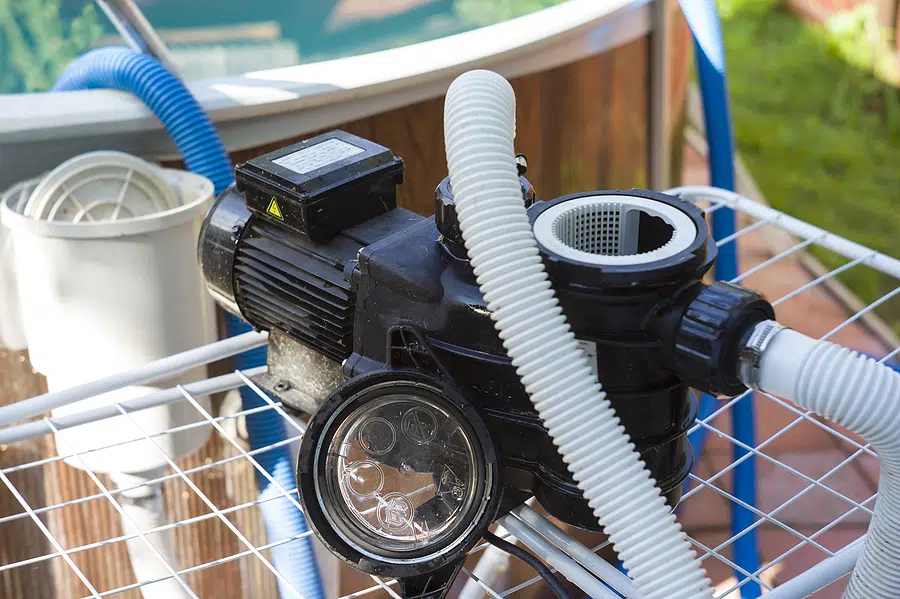
Understanding the basics of your Intex pool pump system helps you spot problems quickly. The pump pulls water from the pool through a hose, passes it through a filter to remove dirt, then returns clean water. Suction is created when the motor spins the impeller, drawing water in. If something blocks this process, suction drops or stops.
Most Intex pumps are above-ground models, using hoses connected to the pool’s intake and return ports. The filter (cartridge or sand) sits inside the pump housing. When the pump runs, it should create a strong pull at the skimmer or suction hose.
Key Components
- Intake hose: Draws water from the pool into the pump.
- Pump housing: Contains the impeller and motor.
- Filter cartridge or sand filter: Traps debris before water returns to the pool.
- Return hose: Sends clean water back into the pool.
If any part gets blocked, leaks, or fails, suction problems appear.
Common Causes Of No Suction
Finding the source of the problem is the first step. Below are the main reasons an Intex pool pump loses suction:
- Clogged filter
- Air leaks in the suction line
- Blocked or kinked hoses
- Debris in the pump impeller
- Low water level
- Faulty valves or connections
- Worn or damaged O-rings/gaskets
- Pump not primed
- Electrical or motor issues
Let’s explore each cause in detail.
1. Clogged Filter
A dirty or clogged filter is the most common reason for suction loss. When the filter fills with debris, water can’t pass through easily.
- Cartridge filters need frequent rinsing with a hose. If very dirty, soak overnight in a filter cleaner.
- Sand filters require backwashing to flush out trapped dirt. If the sand is old (over 3 years), it may need replacing.
If you notice higher pressure on the filter gauge or water flow slows after a few minutes, the filter is likely clogged.
2. Air Leaks In The Suction Line
Air entering the suction line reduces water flow. This can happen if:
- The hose connections are loose or cracked.
- The pump lid O-ring is dirty, dry, or not seated correctly.
- The intake hose is above water level or has pinholes.
Check for bubbles in the pump strainer or return jet. Continuous bubbles usually mean an air leak.
3. Blocked Or Kinked Hoses
Above-ground pools use flexible hoses that can bend or collapse, especially if old or exposed to sunlight. Debris or small toys may also block the hose.
Inspect hoses for:
- Visible kinks or sharp bends
- Clogged sections (run water through to check)
- Loose or broken clamps
Replace any damaged hose to restore suction.
4. Debris In The Pump Impeller
Small objects can slip through the skimmer and lodge inside the impeller, reducing or stopping suction.
Signs include:
- A sudden drop in flow, even with a clean filter
- Rattling noises from the pump
Shut off the pump, remove the housing, and clear the impeller with a screwdriver or tweezers.
5. Low Water Level
If the pool water drops below the intake port, air gets sucked into the system, and the pump loses prime.
- Water should always cover the intake by at least 2 inches.
- Refill the pool if needed before running the pump.
6. Faulty Valves Or Connections
Some Intex pools have shut-off valves or multi-port valves. If these are partially closed or broken, water flow drops.
- Check that all valves are fully open.
- Inspect gaskets and seals for cracks.
7. Worn Or Damaged O-rings/gaskets
O-rings create a tight seal at hose and lid connections. Over time, they can dry out, flatten, or crack.
- Remove, inspect, and lubricate O-rings with silicone grease.
- Replace any damaged O-rings for a proper seal.
8. Pump Not Primed
The pump must be filled with water to work. If it runs dry, it can’t create suction.
- Fill the pump housing with water before starting.
- Make sure all valves are open.
9. Electrical Or Motor Issues
If the motor hums but doesn’t spin, or shuts off quickly, it may be overheated or have an electrical fault.
- Check the power supply, extension cords, and breakers.
- If needed, consult a qualified electrician.
Step-by-step Troubleshooting Guide
Diagnosing a pool pump not suctioning can feel overwhelming, but breaking it down into steps makes it easier. Follow this order for best results.
Step 1: Check Water Level
Look at the pool’s waterline. If it’s below the intake, refill the pool first. Low water is a quick fix and often missed.
Step 2: Inspect Hoses And Connections
Walk around your pool and touch each hose. Feel for soft spots, kinks, or leaks. Re-seat all connections tightly. If you see air bubbles in the pump, focus on the suction side (from pool to pump).
Step 3: Clean The Filter
Turn off the pump. Remove the filter cartridge and rinse with a garden hose. For sand filters, perform a backwash as per the manual. A clogged filter is responsible for over half of suction issues.
Step 4: Prime The Pump
Open the pump lid, fill the chamber with water until full, then reseal. Make sure all valves are open. Start the pump and watch for a strong surge of water.
Step 5: Check For Debris In Impeller
Unplug the pump. Open the pump housing and look inside with a flashlight. Remove any leaves, twigs, or small toys. Rotate the impeller by hand to confirm it spins freely.
Step 6: Examine O-rings And Gaskets
Remove the lid and hoses. Inspect O-rings for cracks or flat spots. Apply silicone lubricant or replace if needed. This step is often skipped but is critical for air-tight operation.
Step 7: Test Electrical Supply
If the pump still doesn’t work, check the outlet and extension cord. Try plugging another device into the same outlet. Look for tripped circuit breakers or blown fuses.
Step 8: Run The Pump And Observe
Turn the system back on. Watch for bubbles, listen for unusual noises, and feel for strong suction at the skimmer or intake hose.
If you follow these steps and still have issues, move on to more advanced fixes.
Advanced Fixes For Persistent Suction Problems
Sometimes, the problem isn’t obvious. Here are deeper troubleshooting tips for stubborn cases.
Inspect Inside The Suction Line
Use a garden hose to flush out the intake hose and skimmer. Sometimes, a rock or chunk of dirt can sit just out of sight. Push the hose through and look for water flow on the other end.
Test With A Different Hose
Swap the intake and return hoses. If suction improves, the original hose may be collapsing inside or blocked with algae.
Try Running Without The Filter
Briefly run the pump with no filter cartridge installed. If suction returns, the filter is clogged beyond cleaning and should be replaced.
Check Skimmer And Pool Drains
If you use a skimmer basket, remove and clean it. For pools with main drains, inspect for blockages or stuck valves.
Inspect Pump Impeller Assembly
Some debris can get stuck behind the impeller or in small side channels. Take photos as you disassemble the pump to ensure correct reassembly.
Consider Environmental Factors
Very hot weather can soften hoses, making them collapse under suction. Shade hoses or replace with higher-quality ones if this keeps happening.
Preventive Maintenance For Reliable Suction
Prevention is always better than repair. Here’s how to keep your Intex pool pump working smoothly all season.
- Clean the filter weekly during heavy use. Rinse with a hose and soak monthly.
- Inspect hoses and clamps every two weeks for kinks or leaks.
- Lubricate O-rings at the start and middle of each season.
- Keep water level consistent, topping up after rain or splash-out.
- Backwash sand filters as directed in the manual.
- Remove large debris from the pool daily with a skimmer net.
- Check pump for noise or vibration—these can signal loose parts or blockages.
Regular maintenance saves time and money. It also helps you spot small problems before they stop your pump.
Comparing Intex Pump Models And Suction Issues
Different Intex pump models vary in power, filter type, and common problems. Here’s a quick comparison:
| Model | Type | Flow Rate (GPH) | Common Suction Issue |
|---|---|---|---|
| Intex Krystal Clear 637R | Cartridge | 1000 | Clogged cartridge, air leaks |
| Intex Krystal Clear 26643EG | Sand | 2100 | Dirty sand, faulty valve |
| Intex Krystal Clear 28633EG | Cartridge | 2500 | Kinked hose, impeller debris |
If you know your model’s weak points, you can check those areas first.
Credit: inspect360.com
When To Replace Parts
Sometimes, cleaning and tightening aren’t enough. Here are signs you need a new part:
- Hose: Feels soft, flattens easily, or leaks after tightening
- Filter cartridge: Turns gray, doesn’t clean up, or collapses inside the housing
- O-ring/gasket: Won’t hold shape or is visibly cracked
- Pump impeller: Missing blades or won’t spin by hand
- Valve: Stuck, broken, or won’t seal
Replacement parts are easy to find online or at pool supply stores. Always match the part to your pump’s model number.
Uncommon Causes And Hidden Issues
Some problems are less obvious but can stop suction.
Algae Growth Inside Hoses
Algae can build up inside hoses, especially if the pool was left uncovered or untreated. This slime can block water flow even if the hose looks clean outside.
- Remove hoses and soak in a bleach solution for 30 minutes.
- Rinse thoroughly before reconnecting.
Incorrect Hose Placement
If hoses are swapped (intake to return), the pump won’t prime or circulate correctly. Always check hose labels or the manual if you disconnect them.
Undersized Pump For Pool Size
If the pump is too small for your pool, it may struggle to maintain suction as the filter loads with dirt. Upgrading to a larger model can improve flow and filtration.
Voltage Drop Or Inconsistent Power
If the pump is far from your house or uses a long extension cord, voltage drop can make the motor slow down. Use the shortest, thickest cord possible, and plug directly into a grounded outlet.
Real-world Example: Diagnosing A Tricky Case
Sarah had an Intex Krystal Clear 28633EG. After a storm, her pump barely moved water. She checked the filter and hoses—both looked clean. Still, suction stayed weak.
Here’s how she solved it:
- She noticed a faint hissing sound at the pump lid. Upon inspection, the O-ring was dry and flattened.
- After applying silicone lubricant and reseating the O-ring, the pump regained full suction.
- Later, she found a small rock in the impeller, which explained the rattling noise.
Sarah learned that both air leaks and impeller debris can happen together, and fixing one may not solve the full problem.
Quick Reference: Intex Pump Troubleshooting Table
For fast checks, refer to this summary:
| Symptom | Possible Cause | Action |
|---|---|---|
| No suction at all | Pump not primed, low water, major air leak | Prime pump, refill pool, check O-rings |
| Weak suction | Clogged filter, kinked hose, dirty impeller | Clean/replace filter, inspect hoses and impeller |
| Pump shuts off quickly | Electrical issue, overheated motor | Check power supply, allow to cool |
| Bubbles in return | Air leak on suction side | Tighten hoses, replace O-rings |
| Pump noisy | Debris in impeller, loose parts | Clean impeller, tighten screws |
Keep this table handy for your next troubleshooting session.

Credit: www.ebay.com
Tips For First-time Intex Pool Owners
If you’re new to pool care, here are two insights most beginners miss:
- Always keep spare O-rings and a backup filter. These small parts fail suddenly and cause surprise downtime.
- Document your hose setup with photos before disassembly. Reconnecting hoses in the wrong order is a common mistake, especially after winter storage.
Taking photos and having spares saves frustration when you need a quick fix.
When To Call A Professional
Most Intex pool pump suction problems are DIY-friendly. However, call a pro if:
- The motor smells burnt or trips breakers repeatedly
- Water is leaking from the pump housing, not just hoses
- You hear grinding or metal noises inside the pump
- You cannot identify or fix the issue after following all steps
A pool technician has tools to test the motor and pressure, and can spot rare failures.
Credit: www.youtube.com
Keeping Your Pool Clean While Repairing The Pump
If the pump will be down for a day or more, don’t let your pool turn green:
- Use a manual pool net to remove leaves and debris daily.
- Add a dose of chlorine or shock to prevent algae growth.
- Stir the water with a paddle or broom to prevent stagnation.
These steps keep water safe until your pump is running again.
Useful Resources For Further Help
For deeper guides and troubleshooting videos, visit the official Intex support page or reputable pool forums. For more on pool pump maintenance and repair, check out this Swim University troubleshooting guide.
Frequently Asked Questions
Why Does My Intex Pool Pump Lose Suction After A Few Minutes?
This usually means the filter is clogged. As water flows, dirt blocks the filter, and suction drops. Clean or replace the filter and check for debris in the hoses.
How Can I Tell If My Pool Pump Has An Air Leak?
Look for bubbles in the pump strainer or return jet. If you see constant bubbles, air is entering somewhere on the suction side. Check all hose connections, O-rings, and the pump lid for leaks.
Is It Safe To Run The Intex Pump Without Water?
No. Running the pump dry can damage the motor and impeller. Always fill the pump housing with water before starting, and never let the water level fall below the intake.
How Often Should I Clean Or Replace My Filter?
Clean cartridge filters weekly during heavy use. Replace every 2-4 weeks, or sooner if water stays dirty. Sand filter media usually lasts 3-5 years but needs backwashing every 1-2 weeks.
What Do I Do If My Pump Still Has No Suction After All These Steps?
Double-check for hidden blockages, swap hoses, and inspect all O-rings. If the pump still won’t work, it may have a motor or electrical fault that requires professional repair.
Solving an Intex pool pump not suctioning issue doesn’t have to be stressful. With careful checks, routine maintenance, and the right fixes, you’ll keep your pool clean and safe all summer. Remember, patience and attention to detail are your best tools for a reliable pool system.