
The bathroom is often one of the most important spaces in any home, and a well-designed shower area can make a big difference in comfort and value. When installing a new shower, every detail matters. One part that many homeowners and even some installers overlook is the shower base felt pad—especially when it comes to Sterling shower bases. This small but crucial accessory can make the difference between a long-lasting, quiet, and comfortable shower or one that develops issues far too soon. If you’re considering a Sterling shower base, or you’re about to install one, understanding the role, benefits, and best practices for using a Sterling shower base felt pad is essential.
What Is A Sterling Shower Base Felt Pad?
A Sterling shower base felt pad is a specially designed underlayment made of felt material. Its main purpose is to sit between the bottom of your Sterling shower base and the subfloor. Unlike simple foam or plastic sheets, these felt pads are engineered to support the weight of the shower and the person using it. The felt pad acts as a cushion, providing a balance between firmness and flexibility.
Sterling, a popular brand under Kohler, manufactures shower bases from materials like Vikrell—a strong, lightweight composite. These materials benefit from a pad underneath to prevent creaking, minimize movement, and ensure the base sits perfectly flat. The felt pad is not just a luxury; in many cases, it’s recommended by the manufacturer to maintain your warranty and ensure the base’s durability.
Why You Need A Shower Base Felt Pad
Some might question why a shower base needs an extra pad beneath it. Isn’t the subfloor enough? Here’s why the felt pad is so important:
1. Reduces Noise
Sterling bases, especially those made from Vikrell, can sometimes transmit sound. Stepping onto a shower floor without a felt pad can create creaking or squeaking noises. The pad absorbs vibration and sound, making your shower experience quieter.
2. Adds Comfort
The slight give of the felt pad adds a subtle softness underfoot. This is especially noticeable with thinner bases. It makes showers more comfortable, especially for those who stand for longer periods.
3. Prevents Cracking And Flexing
Over time, a shower base installed directly onto a hard or uneven subfloor may flex or crack. The felt pad spreads weight more evenly, reducing stress on the base and helping to prevent damage.
4. Compensates For Subfloor Imperfections
Most subfloors are not perfectly level or smooth. The felt pad fills small gaps and imperfections, ensuring the base doesn’t rock or shift after installation.
5. Protects Your Warranty
Many Sterling bases require a felt pad for the warranty to remain valid. Skipping this step could mean costly repairs later that aren’t covered.
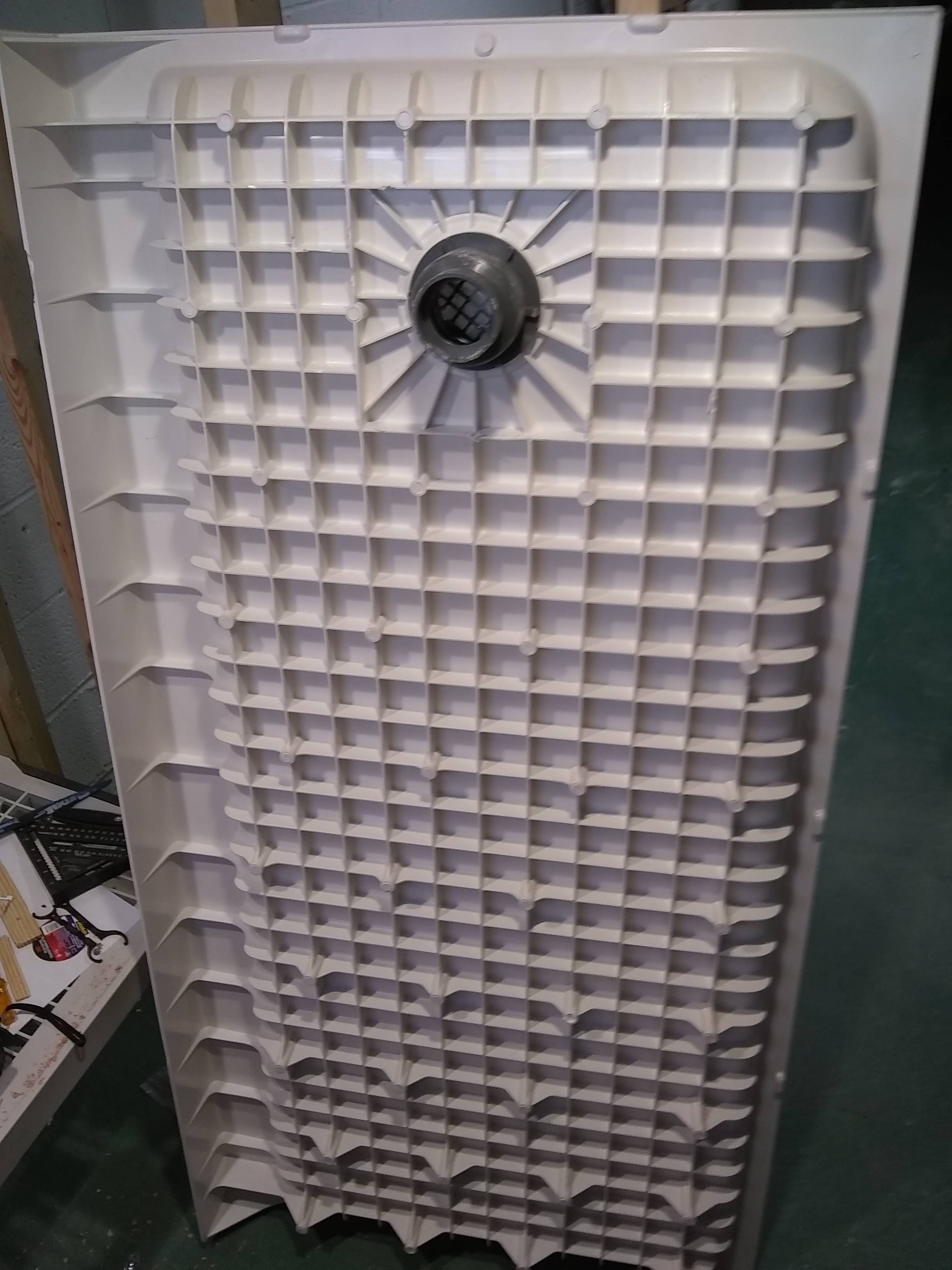
Credit: diy.stackexchange.com
How A Felt Pad Works Under Your Sterling Shower Base
The felt pad serves as a buffer layer. When you step into the shower, your weight is spread out more evenly across the base. Instead of all the pressure going to just a few points, the felt helps distribute it over a larger area. This reduces the risk of stress cracks, especially in lighter-weight Vikrell bases.
The pad also acts as a sound barrier. As water hits the base or as you shift your weight, vibrations are dampened before they reach the subfloor and echo through your home. You’ll notice your shower feels more “solid” and less hollow.
One less obvious benefit is thermal insulation. While not its main purpose, the felt pad can add a slight buffer against cold subfloors, making the shower floor feel less chilly when you first step in.
Choosing The Right Sterling Shower Base Felt Pad
Not all felt pads are created equal. For the best results, you’ll want a pad that fits both your specific Sterling shower base and your installation needs.
Key Factors When Choosing A Felt Pad
- Size and Shape: Make sure the pad matches the footprint of your Sterling shower base. Some are pre-cut, while others can be trimmed to fit.
- Thickness: Most felt pads for shower bases are around 1/2 inch thick. Thicker isn’t always better—it needs to fit the design tolerances of the base.
- Density: A dense, heavy felt is better at distributing weight and lasting over time. Avoid soft, spongy pads not rated for this purpose.
- Moisture Resistance: While the pad won’t be directly exposed to water, it should resist mold and mildew in case of leaks.
- Manufacturer Recommendation: Always check Sterling’s guidelines. Using a non-recommended pad could void your warranty.
Comparing Popular Sterling Shower Base Felt Pads
Here’s a look at three common choices for Sterling shower base pads:
| Brand/Type | Material | Thickness | Warranty Approved | Price Range |
|---|---|---|---|---|
| Sterling Official | High-density felt | 1/2″ | Yes | $$ |
| Generic Shower Base Pad | Mixed felt/polyester | 1/2″ | Check specs | $ |
| Contractor Grade | Premium wool felt | 5/8″ | Yes (if specs match) | $$$ |
It’s usually best to go with the official Sterling pad or one their documentation approves. Cheaper alternatives may not offer the same support or long-term reliability.
How To Install A Sterling Shower Base Felt Pad
Installing your shower base pad correctly is as important as choosing the right one. Here’s a step-by-step process:
1. Prepare The Subfloor
Make sure the area is clean, dry, and as level as possible. Remove debris, nails, or old adhesive.
2. Check Dry Fit
Place the Sterling shower base where it will go, then mark the outline on the floor. Remove the base.
3. Trim The Pad (if Needed)
Lay the felt pad inside your outline. Trim with a sharp utility knife for a snug fit. Avoid gaps or overlaps.
4. Adhesive Application (if Required)
Some installations call for adhesive between the pad and the subfloor, or between the pad and the base. Use only adhesives recommended by Sterling.
5. Set The Pad
Lay the felt pad in place. Press down to remove air pockets.
6. Install The Shower Base
Carefully set the base on top of the pad, aligning drain openings. Press down firmly to seat the base.
7. Check For Level
Use a spirit level to check that the base is even. Adjust as needed before final plumbing connections.
8. Secure The Base
Follow Sterling’s instructions for fastening the base to the studs or floor, if required.
9. Seal And Finish
Complete the installation with recommended sealants around the edges to prevent water infiltration.
Practical Tips For A Trouble-free Installation
- Always double-check measurements before trimming the pad.
- Don’t use carpet padding or other non-approved materials as a substitute.
- Avoid getting the pad wet during installation.
- Allow adhesive (if used) to cure fully before using the shower.
Common Mistakes To Avoid
Even experienced DIYers and contractors sometimes make errors with felt pads. Here are some pitfalls to watch for:
- Skipping the Pad: Some try to save money or time by omitting the felt pad, but this often leads to noise, flexing, and warranty issues.
- Using the Wrong Thickness: Too thick, and the base may not sit properly. Too thin, and you lose support.
- Improper Trimming: Gaps or overlaps can create uneven spots, leading to stress cracks.
- Wrong Adhesive: Some glues can damage the pad or base, or release harmful fumes.
- Not Leveling the Subfloor: The pad can only make up for minor unevenness. Major dips or bumps in the subfloor should be fixed first.

Credit: manuals.plus
Sterling Shower Base Felt Pad Vs. Other Underlayment Options
You might wonder if a felt pad is really necessary compared to other underlayment options. Let’s compare:
| Underlayment Type | Support | Noise Reduction | Warranty Safe | Moisture Resistance |
|---|---|---|---|---|
| Felt Pad | Excellent | Excellent | Yes | Good |
| Foam Sheet | Fair | Moderate | No | Poor |
| Mortar Bed | Excellent | Excellent | Varies | Excellent |
| Carpet Padding | Poor | Poor | No | Poor |
While a mortar bed offers great support and noise reduction, it’s more time-consuming and messy. Most Sterling shower bases are designed for easy, direct installation with a felt pad, making it the preferred choice for DIYers and pros alike.
Cost Of Sterling Shower Base Felt Pads
The cost of a felt pad is relatively modest compared to the total price of a new shower installation. You can expect to pay between $30 to $80 for an official or high-quality pad, depending on the size and thickness. Contractor-grade pads can cost more but may be worth it for high-traffic homes or rental properties.
When budgeting for your shower project, skipping the pad to save a few dollars is a false economy. The pad protects your investment, extends the life of your base, and reduces future repair costs.
Real-world Examples And Case Studies
Let’s look at how felt pads make a difference in actual homes.
Example 1: Squeaky Shower In A New Home
A homeowner had a Sterling Vikrell shower base installed as part of a bathroom remodel. The contractor skipped the felt pad, thinking the subfloor was “good enough. ” Within weeks, the family noticed squeaks and slight flexing when stepping into the shower.
The solution? The base had to be removed and reinstalled with the proper felt pad. Once installed, the noise disappeared and the base felt more solid.
Example 2: Rental Property Durability
A landlord managing several rental units chose to install Sterling shower bases with felt pads in all units. Over five years, the units with felt pads had zero complaints about noise or base flex, while another unit (installed by a different contractor without a pad) required costly repairs due to cracking.
This reinforced the value of always using the correct underlayment.
Example 3: Diy Homeowner Success
A first-time DIYer followed Sterling’s instructions to the letter, including the felt pad. The installation took a bit more time, but the result was a quiet, comfortable shower that has lasted for years without issue. The homeowner credits the felt pad for the “professional feel” of the finished shower.
Maintenance And Longevity Of Felt Pads
One advantage of the felt pad is that, once installed, it requires no regular maintenance. It’s sealed between the base and subfloor, protected from moisture and wear. However, its performance depends on proper installation.
Felt pads can last as long as your shower base—often 10–20 years or more. If you ever replace the base, always install a new pad, as the old one may have compressed and lost its shape.
If you notice any creaking, movement, or cold spots under your shower floor after installation, it could be a sign the pad was installed incorrectly or has shifted. In such cases, it’s best to consult a professional.
Environmental Benefits And Concerns
Many felt pads are made from recycled materials, making them an eco-friendly choice. Wool or recycled polyester felts are common. These materials are naturally resistant to mold and mildew, and their production uses less energy compared to synthetic foam alternatives.
Disposing of old pads is simple. Most can be recycled, though it’s best to check with your local waste management guidelines.
Where To Buy A Sterling Shower Base Felt Pad
You can find official and compatible felt pads at several locations:
- Sterling/Kohler dealers: Check the official website or local plumbing supply stores.
- Home improvement stores: Many big-box retailers carry generic and brand-approved shower base pads.
- Online retailers: Websites like Amazon, Home Depot, and Lowe’s offer a variety of options. Always check that the pad meets Sterling’s specifications.
If in doubt, consult Sterling’s customer support or your contractor before purchasing.
Non-obvious Insights Most People Miss
- The Felt Pad Is Not a Substitute for Mortar in All Cases
Some installers believe the felt pad can replace a mortar bed in every situation. While the pad is usually enough for Sterling Vikrell bases, always check the base’s installation guide. Some larger or custom models may still require a mortar bed for full support.
2. Felt Pad Also Protects Against Minor Leaks
While not a waterproof barrier, the dense felt can slow minor leaks or condensation from reaching your subfloor, giving you more time to spot and fix issues before they cause damage.
When To Use A Mortar Bed Instead
While the felt pad is the recommended choice for most Sterling shower bases, there are scenarios where a mortar bed is preferred:
- Heavily sloped or uneven subfloors
- Extra-large bases
- Commercial installations with very high traffic
Always consult the base’s instruction manual. Some Sterling models give you the option between a felt pad and a mortar bed, while others specify only one method.
Upgrading An Existing Shower Base
If you already have a Sterling shower base and want to add a felt pad, you’ll need to remove the base first. This is a more advanced project and may require a professional. Adding a pad after the fact is rarely possible without significant work, so it’s best to get it right during the initial installation.
The Role Of Building Codes And Inspections
Some local building codes or inspectors may require an approved underlayment for shower bases. Always check with your local authorities before starting your project. Using the recommended felt pad helps you pass inspection and avoid delays.
You can find more about shower base installation standards at the International Code Council.

Credit: www.youtube.com
Frequently Asked Questions
What Is The Main Purpose Of A Sterling Shower Base Felt Pad?
The main purpose is to provide support, reduce noise, and protect the shower base from flexing or cracking. It also helps ensure a comfortable, solid feel underfoot and can help meet warranty requirements.
Can I Use Carpet Padding Or Foam Instead Of A Felt Pad?
No. Carpet padding and most foams are not designed to support the weight and moisture conditions of a shower base. They can compress, shift, or promote mold growth, and often void your warranty.
How Thick Should My Felt Pad Be For A Sterling Shower Base?
Most installations require a 1/2-inch thick felt pad. Always check your Sterling base’s installation guide, as requirements can vary by model.
Do I Need To Glue The Felt Pad To The Floor?
Not always. Some installations require adhesive (usually between pad and subfloor), while others rely on the weight of the base to hold it in place. Only use adhesives recommended by the manufacturer.
Will A Felt Pad Stop All Noise From My Shower Base?
A felt pad will greatly reduce most creaks and squeaks, but extreme subfloor problems or installation errors can still cause noise. Proper leveling and installation are key.
A Sterling shower base felt pad might seem like a small detail, but it has a big impact on the quality and life of your shower. By choosing the right pad, installing it correctly, and following Sterling’s guidelines, you ensure a quiet, comfortable, and long-lasting shower experience.
Take the time to do it right—your future self will thank you every time you step into your bathroom.