
If you step into your shower, try to turn the knob, and it doesn’t move all the way, you’re not alone. This is a common problem in many homes, both old and new. A shower knob that doesn’t turn all the way can be frustrating, especially if it stops you from getting the right water temperature or turning the water off completely. This can waste water, create leaks, or even lead to bigger plumbing problems. Let’s explore why this happens, what you can do about it, and when it’s time to call a professional.
Why Your Shower Knob Won’t Turn All The Way
Before you fix anything, you need to understand the root cause. Shower knobs (or handles) control the flow and mix of hot and cold water. When something goes wrong, it can feel stiff, get stuck halfway, or stop turning before it should. Here are the most common reasons:
- Mineral buildup inside the valve or cartridge (especially in areas with hard water).
- Worn-out or broken shower cartridges that no longer move smoothly.
- Damaged valve stems or internal parts.
- Loose or stripped knob screws making the handle slip.
- Obstructions inside the plumbing, like debris or broken parts.
- Incorrect installation of the knob or cartridge.
- Temperature limit stops set too low or too high.
- Corroded parts due to age or moisture.
Most people think replacing the knob will solve the problem, but the real issue is usually deeper. For example, a stuck cartridge or mineral buildup inside the valve is not visible from outside.
Example: Hard Water Problems
In cities with hard water (high mineral content), limescale can build up inside shower valves. Over time, this makes the knob harder to turn and can even stop it halfway. If you notice white or green crusty deposits around your shower fixtures, hard water is likely to blame.
Types Of Shower Knobs And How They Work
Understanding your shower’s design can help you solve the problem faster. There are three main types of shower knobs:
- Single-handle: Controls both temperature and flow.
- Double-handle: One for hot, one for cold.
- Triple-handle: Separate controls for hot, cold, and diverter (switches water from tub to shower).
Most modern homes use a single-handle shower valve. It mixes hot and cold water with a cartridge inside the wall. When you turn the knob, the cartridge moves to adjust the mix and flow.
Older homes often use double handles with rubber washers or ceramic discs inside. Knowing your type will help you find the right fix.
| Knob Type | Common Issues | Typical Fix |
|---|---|---|
| Single-handle | Stuck cartridge, mineral buildup | Cartridge replacement, cleaning |
| Double-handle | Worn washers, stripped stems | Washer or stem replacement |
| Triple-handle | Diverter jams, leaks | Diverter repair, washer replacement |
Diagnosing The Problem
You don’t always need a plumber to figure out what’s wrong. Here’s how you can diagnose a shower knob that doesn’t turn all the way:
1. Check For Obvious Blockages
Remove the knob and see if there’s dirt, hair, or debris stuck inside. Sometimes, soap scum or grime can block the movement.
2. Feel For Resistance
Try turning the knob gently. If it feels gritty or makes noise, it’s likely mineral buildup or a damaged cartridge.
3. Look For Leaks Or Drips
If water drips from the spout when the knob is “off,” the valve isn’t closing fully. This points to a worn-out cartridge or stem.
4. Inspect The Knob And Screws
Loose or stripped screws can make the knob slip without turning the valve inside. Tighten or replace as needed.
5. Test Hot And Cold Functions
If the knob turns more one way than the other, or stops before reaching “hot” or “cold,” the limit stop might be set wrong, or the cartridge could be jammed.
6. Check For Stuck Cartridge
If the knob won’t move at all, the cartridge may be seized. This is common if the shower hasn’t been used for a long time.
Tip: If you’re unsure, record a short video of the problem and show it to a local plumber or hardware store worker. They can often spot the issue quickly.
How To Fix A Shower Knob That Doesn’t Turn All The Way
Most fixes are safe for DIY, but some require plumbing skills. Always turn off your home’s water supply before working on shower valves. Here’s a step-by-step guide for common problems.
1. Tighten Or Replace The Shower Knob
Sometimes, the knob is just loose or stripped.
- Remove the screw (often under a plastic cap).
- Pull off the knob.
- Inspect for cracks or wear.
- Replace with a new knob if needed.
- Tighten the screw firmly.
This simple fix solves many “slipping” knob problems.
2. Remove Mineral Buildup
If you see white crust or the knob feels gritty:
- Take off the knob and escutcheon (decorative plate).
- Soak parts in vinegar for 30–60 minutes.
- Scrub with a brush to remove limescale.
- Rinse and dry before reassembling.
For stubborn buildup inside the valve, you may need to remove the cartridge.
3. Adjust The Temperature Limit Stop
Many single-handle showers have a limit stop to prevent scalding. If set wrong, the knob may not turn fully.
- Remove the knob to access the limit stop (usually a small plastic piece).
- Adjust according to the manufacturer’s instructions.
- Replace the knob and test.
Warning: Always check water temperature after adjusting. Don’t set it too high.
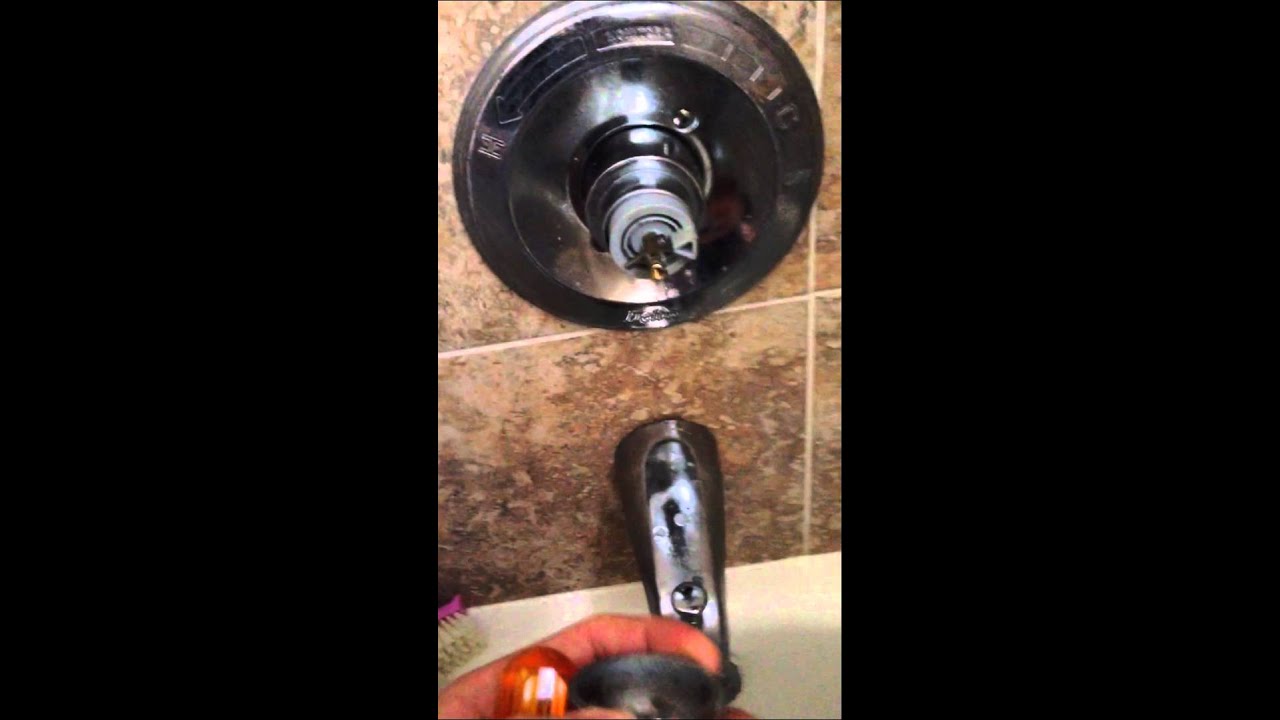
4. Replace A Stuck Or Worn Cartridge
This is the most common cause of a knob that won’t turn all the way.
Tools needed: Flathead screwdriver, Phillips screwdriver, adjustable wrench, pliers, cartridge puller (optional).
Steps:
- Turn off water supply.
- Remove knob and escutcheon.
- Use pliers or cartridge puller to gently remove the cartridge.
- Inspect for cracks, wear, or mineral buildup.
- Take the old cartridge to a hardware store to find an exact match.
- Insert the new cartridge, making sure it lines up properly.
- Reassemble and turn water back on.
A new cartridge usually restores full movement.
5. Lubricate Stuck Internal Parts
If parts are sticking (but not broken):
- Spray a small amount of plumber’s silicone lubricant on the cartridge or valve stem.
- Do not use WD-40; it’s not safe for plumbing.
Turn the knob back and forth to spread the lubricant. This can help in hard water areas.
6. Replace Worn Washers Or Stems (double Handle)
For older double-handle showers:
- Remove the knob and stem.
- Replace the rubber washer at the end.
- If the stem is worn or stripped, replace it.
- Reassemble and test.
Washers are cheap and can fix leaks or stiffness.
7. Remove Obstructions From Plumbing
If debris or broken parts are inside the valve:
- Remove the cartridge or stem.
- Shine a flashlight inside the valve.
- Use tweezers or needle-nose pliers to carefully remove obstructions.
- Clean with a damp cloth.
Never force objects out with metal tools; you could damage the valve.
8. Call A Plumber For Deep Issues
If you try these steps and the knob still doesn’t turn all the way, the problem may be deeper:
- Corroded valve body inside the wall.
- Broken pipes or fittings.
- Rare shower valve types that need special tools.
Professional plumbers have pullers, specialty tools, and experience to avoid further damage.

Credit: www.youtube.com
How To Identify Which Part Needs Replacement
Many people replace the wrong part and waste money. Here’s how to tell what’s actually broken:
- If the knob slips but the valve doesn’t move: The knob or screw is stripped.
- If the knob is tight, squeaky, or hard to turn: The cartridge, stem, or mineral buildup is the issue.
- If the knob turns only partway and stops suddenly: The limit stop or an internal blockage is likely.
- If hot or cold doesn’t work at all: The cartridge is probably jammed.
Bring the old part to the store for an exact match. Many brands look similar but have different fittings. Take a photo of the valve or handle if you can’t remove it.
Preventing Future Problems
Once your shower knob works smoothly again, a few simple steps can prevent future issues:
- Clean fixtures regularly: Wipe down the handle and plate to avoid soap and mineral buildup.
- Use a water softener if you live in a hard water area. This reduces limescale.
- Don’t force the knob: If it’s stiff, don’t use extra strength—fix the cause.
- Check for leaks: A slow drip means the valve isn’t closing fully.
- Operate the shower regularly: If you have guest bathrooms, run the shower every few weeks to keep parts moving.
- Schedule yearly maintenance: Have a plumber check your valves every year, especially in older homes.
Common Mistakes And What To Avoid
Even experienced DIYers can make mistakes with shower knobs. Here are some you should avoid:
- Using the wrong parts: Cartridges and stems are brand-specific. A “close enough” part can cause leaks or stiffness.
- Skipping the water shutoff: Always turn off water before removing the knob or valve. Otherwise, you could flood your bathroom.
- Over-tightening screws: This can strip the knob or damage the threads.
- Forcing stuck parts: Use gentle pressure and the right tools. Forcing can break pipes inside the wall.
- Applying household lubricants: Only use plumber’s silicone grease, not oils or sprays like WD-40.
- Ignoring leaks: Even a small drip wastes water and can signal a bigger problem.
When To Repair Vs. Replace
You may wonder if it’s better to repair or replace your shower valve. Here’s a quick comparison to help you decide:
| Situation | Repair | Replace |
|---|---|---|
| Mineral buildup | Clean parts, replace washers | Not needed |
| Worn cartridge | Replace cartridge | Only if valve is very old |
| Old, corroded valve body | Temporary fix possible | Full valve replacement |
| Recurring leaks | Replace washers/cartridge | If leaks return quickly, replace valve |
| Broken handle or knob | Replace knob | Not needed |
Tip: If your shower is over 20 years old or the internal parts are badly corroded, replacement is often cheaper and more reliable in the long run.
Credit: www.youtube.com
Costs And Time Estimates
Many people worry about the cost of fixing a shower knob. Here’s what you can expect:
- Replacing a knob: $10–$30, 10–20 minutes
- Replacing a cartridge: $20–$80, 30–60 minutes
- Hiring a plumber: $100–$250, depending on location and complexity
- Full valve replacement: $150–$500 (parts and labor)
DIY fixes are usually safe if you’re comfortable with basic tools. For complex valves or if you can’t turn off the water, call a plumber.
Insight: Many shower cartridges have a lifetime warranty from the manufacturer. Check your brand’s website or call customer service—you might get a free replacement.
Shower Valve Brands And Compatibility
Not all shower valves are the same. Major brands include Moen, Delta, Kohler, Pfister, and American Standard. Cartridges and handles are often not interchangeable. Here’s what to look for:
- Brand name: Usually on the knob, escutcheon, or faucet.
- Model number: Sometimes on the inside of the escutcheon or in your home’s manual.
- Part shape: Take your old cartridge or stem to the store for a match.
- Online guides: Most brands have installation and repair guides on their websites.
Pro tip: If you can’t find your brand or model, take clear photos and measurements to your local plumbing store. Staff can usually identify the right part.
Advanced Troubleshooting: When The Problem Is Hidden
Sometimes, the problem is behind the wall. Here are a few less common, but serious, issues:
1. Broken Valve Body
If the internal valve is cracked or corroded, the knob won’t turn smoothly, or water may leak inside the wall. This requires full replacement and possible wall repair.
2. Shower Arm Blockage
Rarely, debris in the pipe leading to the shower head can cause the knob to stop turning. Remove the shower head, flush the line, and see if the problem clears.
3. Faulty Diverter
In triple-handle showers, the diverter can jam and stop the knob from moving. Replace the diverter if it’s worn or stuck.
4. Poor Installation
If your shower was recently remodeled, the knob or valve may have been installed incorrectly. Check for misaligned parts or backward cartridges.
If you notice water stains on the wall or ceiling below the shower, call a plumber immediately—this could be a hidden leak.
How To Find Help And Replacement Parts
If you get stuck, don’t worry. There are many resources:
- Manufacturer websites: Offer step-by-step guides and diagrams.
- YouTube: Many plumbers post repair videos for all major brands.
- Local hardware stores: Staff can help match parts if you bring your old cartridge or knob.
- Home improvement forums: Share a photo and ask for help.
For official information, you can check the Family Handyman website, which provides excellent guides.

Credit: www.reddit.com
Real-world Examples
Example 1: Single-handle Shower, Stuck Halfway
Jane noticed her single-handle shower only turned halfway to “hot. ” After removing the knob, she found the cartridge was covered in white mineral deposits. She replaced the cartridge with a new one from the hardware store, and now the knob moves smoothly.
Example 2: Double-handle Shower, Hard To Turn
John’s old double-handle shower was stiff. He removed the handles and found the rubber washers were worn out. Replacing the washers made both knobs easy to turn again.
Example 3: Knob Won’t Turn At All
Maria’s knob wouldn’t move. She tried to force it, but nothing happened. She called a plumber, who found the valve body was corroded inside the wall. They replaced the valve, and now the shower works perfectly.
Insight: Sometimes, what looks like a simple fix can be a sign of a bigger problem—don’t ignore warning signs like leaks, grinding noises, or stains on walls.
Diy Vs. Professional Help
How do you know when to call a pro? Here’s a quick comparison:
| DIY Fix | When to Call a Plumber |
|---|---|
| Knob replacement | Valve body replacement |
| Cartridge or washer swap | Hidden leaks or wall damage |
| Cleaning mineral buildup | Stuck or broken parts inside wall |
| Adjusting limit stop | Complex or unknown valve types |
If you’re not comfortable with tools, or if the problem is inside the wall, always call a licensed plumber.
Frequently Asked Questions
Why Does My Shower Knob Only Turn Partway?
This usually means the cartridge is stuck, there’s mineral buildup, or the limit stop is set incorrectly. Remove the knob and check for buildup or misaligned parts.
Can I Fix A Stuck Shower Knob Myself?
Yes, many problems can be fixed at home. Start by removing the knob, cleaning off any debris or limescale, and replacing worn parts. Always turn off the water first.
How Do I Know If My Shower Cartridge Is Bad?
A bad cartridge will make the knob hard to turn, cause leaks, or stop the handle from moving all the way. If cleaning doesn’t help, replace the cartridge.
What Tools Do I Need To Fix A Shower Knob?
You’ll need a screwdriver, adjustable wrench, pliers, and possibly a cartridge puller. Plumber’s silicone grease and a flashlight can also help.
When Should I Call A Plumber For A Shower Knob Problem?
Call a plumber if the knob still won’t turn after cleaning and replacing parts, or if you see leaks, hear strange noises, or suspect a problem inside the wall.
A working shower knob makes daily life easier and helps prevent bigger plumbing problems. With a little time and the right approach, you can fix most issues yourself and enjoy a smooth, reliable shower for years to come.