
Granite stone pans have become a popular choice in kitchens worldwide. You might have seen these pans in TV commercials or in stores, promising non-stick magic and long life. But are these claims real? Are granite stone pans worth your money, or are they just another cookware trend?
Whether you are new to cooking or looking to upgrade your kitchen, understanding the real value of granite stone pans can help you make smarter choices.
This guide takes a clear look at granite stone pans. We’ll explore what makes them different, how they compare to other pans, and their benefits and drawbacks. You’ll learn about their non-stick ability, how they handle heat, how safe they are, and what it’s really like to cook with them every day.
Along the way, you’ll find tips, real user experiences, and answers to common questions. By the end, you’ll have all the knowledge you need to decide if granite stone pans are right for you.
What Are Granite Stone Pans?
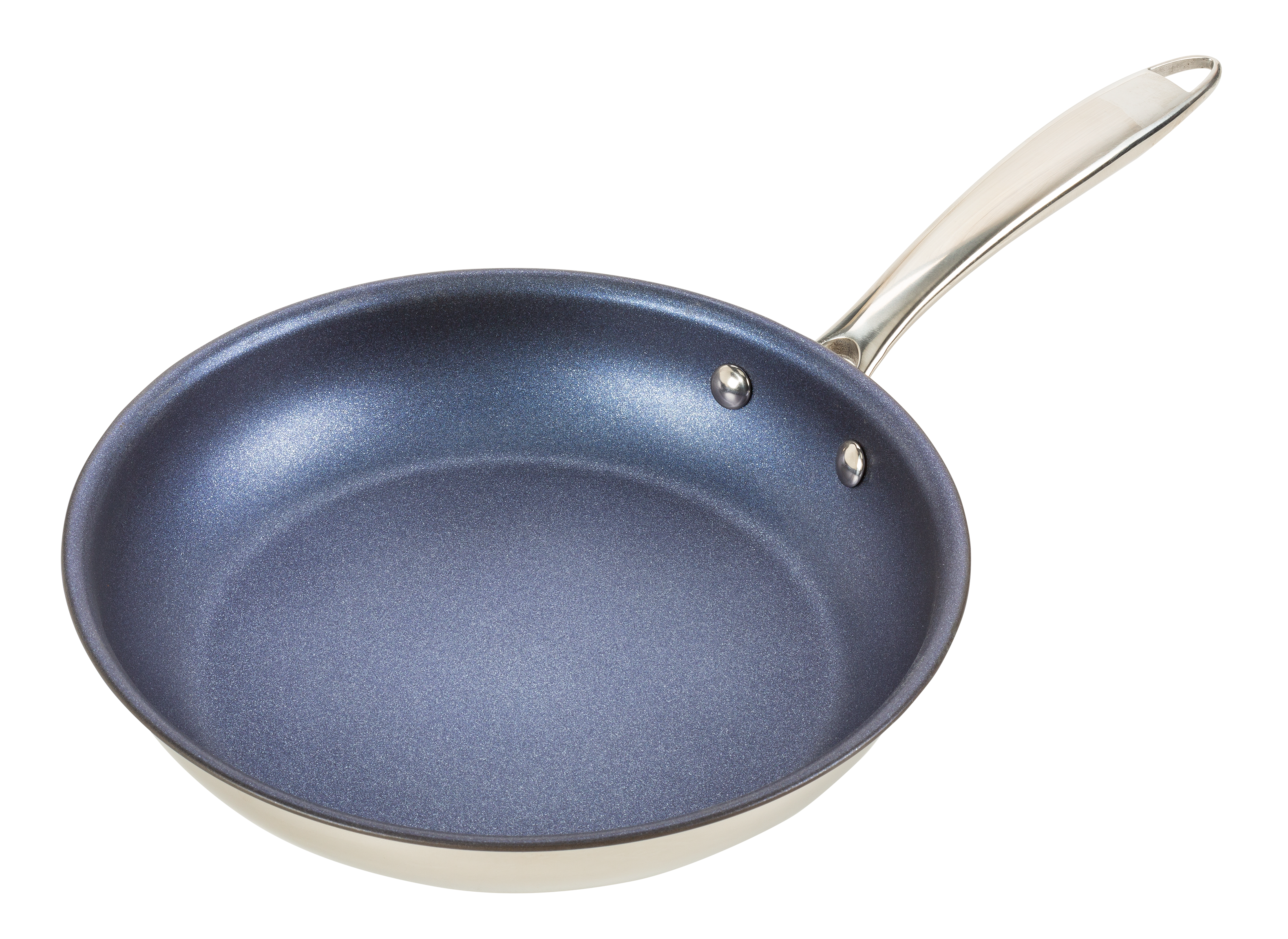
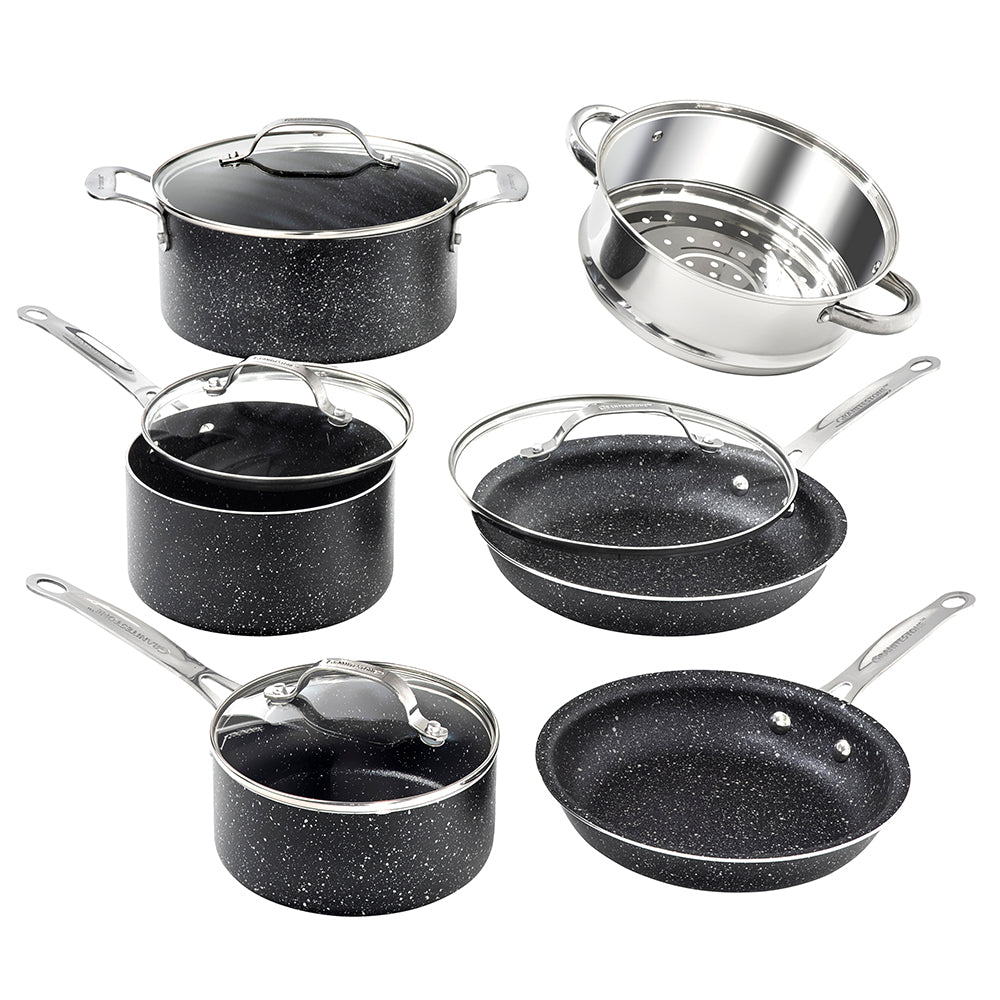
Granite stone pans are a type of non-stick cookware. Despite the name, these pans are not made from solid granite. Instead, they usually have a core of aluminum or stainless steel for strength and fast heating. The surface is coated with a layer that looks like stone, often mixed with small granite particles or a stone-like finish.
This stone coating is sometimes called granite coating or stone-derived coating. It is designed to offer a non-stick surface that is tough and scratch-resistant. Some brands use ceramic or a blend of non-stick materials to create a granite-like look and feel. The main selling point is that these pans are supposed to give you the benefits of traditional non-stick pans but with extra durability and less risk of harmful chemicals.
Many people choose granite stone pans because they want something safer and longer-lasting than old Teflon pans. Others like the stylish look. But to know if they are right for you, it helps to understand how they are made and what they can (and can’t) do.
How Granite Stone Pans Are Made
To see why granite stone pans are popular, let’s break down how they’re built:
- Base Layer: Most pans use an aluminum or stainless steel base. Aluminum is common because it’s light and spreads heat evenly.
- Core Structure: Some pans have a multi-layer core for extra strength. This can help the pan resist warping at high temperatures.
- Granite or Stone-Look Coating: The top layer is a non-stick coating that often contains stone particles or a ceramic blend. It is sprayed or baked onto the pan at high heat.
- Protective Layer: Some pans add a final layer to make the pan more scratch-resistant and sometimes to make it dishwasher-safe.
This process gives the pan a stone-like appearance and a tough finish. However, the actual non-stick ability depends on the quality of the coating, not just the look.
Credit: www.consumerreports.org
Key Benefits Of Granite Stone Pans
Granite stone pans are popular for several reasons. Here are the main benefits:
1. Non-stick Performance
One of the biggest selling points is the non-stick surface. Food usually releases easily, so you need less oil or butter. This can help you cook healthier meals and clean up faster. For example, eggs and pancakes often slide off with little effort.
2. Durability
The granite or stone-derived coating is made to resist scratches and chips. Some brands claim their pans last much longer than regular non-stick pans. Users often report that these pans can handle metal utensils, although it’s still safer to use wood or silicone to protect the surface.
3. Safety
Many people worry about chemicals in cookware. Granite stone pans are often advertised as PFOA-free and PTFE-free. These are chemicals sometimes found in older non-stick pans, which can release harmful fumes at high temperatures. With granite stone pans, the risk is lower, making them a safer choice for families.
4. Even Heating
Because most pans have an aluminum base, they heat up quickly and spread the heat evenly. This means fewer hot spots and less chance of burning your food.
5. Easy Maintenance
Thanks to the non-stick surface, granite stone pans are simple to clean. Most food residue wipes off with a sponge. Some pans are even dishwasher-safe, though hand washing is usually recommended to keep the coating in top shape.
6. Stylish Appearance
The stone-like coating gives these pans a modern, elegant look. They can brighten up your kitchen, and many people enjoy the unique style compared to classic black or silver pans.
Are Granite Stone Pans Really Non-stick?
The non-stick promise is a big reason people buy granite stone pans. But how well do they really perform?
Most granite stone pans offer very good non-stick ability, especially when new. You can fry eggs, cook pancakes, and prepare delicate fish with little or no oil. Food usually does not stick, and cleanup is quick.
However, the non-stick layer can wear down over time. If you use metal utensils, cook at very high heat, or put the pan in the dishwasher often, the coating may break down faster. After several months or a year, you might notice food sticking more.
Non-stick ability also depends on the brand and how the pan is made. Some cheaper pans use a thin coating that doesn’t last long. High-quality granite stone pans, on the other hand, can keep their non-stick qualities for years if you care for them.
A non-obvious insight: Always “season” your granite stone pan before the first use. This means spreading a thin layer of oil and heating it gently. This step helps protect the coating and boosts non-stick performance.
Comparing Granite Stone Pans To Other Cookware
When choosing cookware, it helps to compare granite stone pans with other popular options. Here’s a simple look at how they stack up:
| Type | Main Material | Non-Stick | Durability | Ease of Cleaning | Price Range |
|---|---|---|---|---|---|
| Granite Stone | Aluminum/Stone Coating | Excellent | High | Very Easy | Medium |
| Ceramic | Aluminum/Ceramic | Good | Medium | Easy | Low-Medium |
| Cast Iron | Cast Iron | Good (if seasoned) | Very High | Medium/Hard | Medium |
| Stainless Steel | Stainless Steel | Low | Very High | Medium | Medium-High |
| Teflon (PTFE) | Aluminum/PTFE | Excellent | Medium | Very Easy | Low-Medium |
As you can see, granite stone pans offer a balance between non-stick ability, durability, and easy cleaning. They are usually priced in the medium range, making them affordable for most people.
Cooking Performance: What To Expect
Cooking with granite stone pans feels smooth and easy, especially for foods that tend to stick. Here’s what you can expect in daily use:
- Quick Heating: The pan heats up in just a few minutes, so you can start cooking right away.
- Even Cooking: Because the heat spreads well, your food cooks evenly. Pancakes, eggs, and fish are less likely to burn or be undercooked in spots.
- Low-Oil Cooking: You can use less oil or butter, which is great for healthy meals. Some users cook without any added fat for dishes like scrambled eggs or stir-fried vegetables.
- No Sticking (At First): Foods release easily, but remember that over time, the coating may wear, and you might need to add a little oil again.
A practical tip: Always preheat the pan on medium heat before adding food. This step helps the non-stick coating work better and prevents sticking.

Credit: www.amazon.com
Health And Safety: Are Granite Stone Pans Safe?
Safety is a common concern with any cookware. Granite stone pans are often marketed as a safer choice, but let’s look at the facts:
- No PFOA or PFOS: Most granite stone pans are free of these chemicals, which have been linked to health risks in older non-stick pans.
- No Lead or Cadmium: Reputable brands test their coatings to make sure they are free from these toxic metals.
- No Teflon Fumes: Unlike old PTFE-coated pans, granite stone pans do not release harmful fumes at normal cooking temperatures.
However, no non-stick pan is perfect. If you overheat any non-stick pan (above 260°C or 500°F), the coating can break down and possibly release fumes or particles. Always use your pans at medium or low heat for safety and longer life.
A common mistake is using aerosol cooking sprays. These sprays can leave a sticky film that damages the coating. Instead, use a few drops of oil or a piece of butter.
Durability And Longevity
Granite stone pans are made to last longer than classic non-stick pans. But how long can you really expect them to last?
Most users report that a good granite stone pan can last 2 to 5 years with proper care. Some people have pans that last even longer. The main reasons for coating damage are:
- Using metal utensils that scratch the surface
- Washing in the dishwasher often
- Cooking at very high heat
- Using harsh scouring pads
If you avoid these mistakes and use your pan with care, you can extend its life. Always let the pan cool before washing, and use soft sponges or cloths.
Non-obvious insight: Even if the pan looks fine, if you see the coating peeling or flaking, stop using it. Small pieces can mix with your food, which is not safe.
How To Care For Granite Stone Pans
Taking care of your pan is simple, but a few habits can make a big difference:
- Wash by Hand: Use warm water, mild soap, and a soft sponge. Avoid steel wool or harsh scrubbers.
- Dry After Washing: Water drops can cause stains. Wipe the pan with a towel before putting it away.
- Avoid High Heat: Medium or low heat is best. High heat can damage the coating and reduce non-stick ability.
- Store Carefully: Do not stack heavy pots on top of the pan, or use a soft liner between pans.
- Use Correct Utensils: Wood, silicone, or plastic utensils are safest. They prevent scratches and help the pan last longer.
A good habit is to add a few drops of oil after washing and drying. This step keeps the surface smooth and helps with non-stick cooking next time.
Common Problems And How To Fix Them
Even the best cookware can have issues. Here are common problems with granite stone pans and how to solve them:
Food Sticking
If you notice food sticking after a few months, try “re-seasoning” your pan. Heat a small amount of oil in the pan for a few minutes, then wipe out the excess. This helps restore the non-stick layer.
Scratches Or Chips
Small scratches are normal over time, but deep chips mean the pan is near the end of its life. Avoid metal tools and always store the pan with care.
Stains Or Discoloration
Some foods, like tomato sauce or curry, can leave stains. Soak the pan in warm, soapy water and use a soft cloth to remove stains. Never use bleach or oven cleaners.
Warping
If the pan warps, it may not sit flat on your stove. This happens if you put a hot pan into cold water. Always let the pan cool naturally before washing.
Credit: granitestone.com
Granite Stone Pans Vs. Ceramic Pans
Many people wonder if granite stone pans are better than ceramic pans. Both have non-stick coatings and look modern. Here’s a direct comparison to help you decide:
| Feature | Granite Stone Pan | Ceramic Pan |
|---|---|---|
| Non-Stick Ability | Excellent (when new) | Good |
| Durability | High | Medium |
| Heat Resistance | Up to 260°C/500°F | Up to 230°C/450°F |
| Scratch Resistance | Better with care | Scratches easily |
| Style | Stone-look, modern | Bright colors, glossy |
| Price | Medium | Low-Medium |
Granite stone pans win for durability and scratch resistance, but ceramic pans can be a good budget option. Both are good for low-fat cooking and easy cleaning.
When Granite Stone Pans Are The Best Choice
Granite stone pans are not perfect for every cooking job. Here’s when they shine:
- Eggs, Pancakes, and Delicate Foods: The non-stick surface is ideal for foods that often stick.
- Quick Meals: Fast heating and easy cleaning make them great for busy cooks.
- Health-Conscious Cooks: Less oil is needed, which is good for low-fat diets.
- Families and Beginners: The pans are safe, easy to use, and simple to clean.
But, if you like browning meat at very high heat, or if you want a pan that lasts a lifetime, a cast iron or stainless steel pan might be better.
Granite Stone Pans: Popular Brands
Several brands offer granite stone pans. Here are some of the most recognized:
- GraniteStone: One of the best-known brands, often seen in TV ads. Their pans are PFOA-free and known for strong non-stick ability.
- Carote: Famous for stylish designs and a thick, strong coating.
- Tefal Stone Collection: Offers a granite-look pan with a well-tested non-stick layer.
- Ballarini: An Italian brand with stone-coated pans praised for even heating.
- Michelangelo: Known for multi-layer coatings and strong, ergonomic handles.
When choosing a brand, check for customer reviews, warranty information, and what materials are used in the coating.
How To Choose The Right Granite Stone Pan
Not all granite stone pans are the same. Here’s what to look for:
- Material Quality: Look for aluminum or stainless steel bases for even heat.
- Coating Thickness: Thicker coatings last longer. If the brand mentions “multi-layer,” that’s a good sign.
- Safety Labels: Check for “PFOA-free” and “lead-free” markings.
- Oven-Safe Rating: Some pans can go in the oven, but check the temperature limit.
- Handle Comfort: A good handle should stay cool and feel solid in your hand.
- Warranty: Longer warranties can show better build quality.
A hidden tip: Some pans claim to be “dishwasher-safe,” but hand washing always keeps them in better shape.
Price And Value For Money
Granite stone pans are usually priced between $20 and $60, depending on size and brand. Sets with multiple pans and lids can cost more. While they are more expensive than the cheapest non-stick pans, they offer better durability and safety.
If you cook often, investing in a good granite stone pan can save you money in the long run. You won’t have to replace your pan as often, and you’ll enjoy easier cooking and cleaning.
What Real Users Say
User feedback is mixed but generally positive. Here are some real-world experiences:
- Many users enjoy how easy it is to cook eggs and pancakes with no sticking.
- Some people mention that the non-stick ability fades after 1-2 years, especially with heavy use.
- Users who follow care instructions (hand wash, avoid high heat) report better results.
- Families like the safety of a PFOA-free pan.
- A few users complain about handles getting loose or pans warping with extreme heat.
The main lesson: With proper care, granite stone pans live up to their promises. If you treat them like any non-stick pan, you’ll get good value.
Environmental Impact
Granite stone pans are often seen as more eco-friendly than older non-stick pans. They avoid harmful chemicals, and some brands use recycled materials. However, they are not as “green” as cast iron or stainless steel, which last a lifetime and can be fully recycled.
If you want to reduce kitchen waste, choose a high-quality pan and care for it well. Avoid cheap pans that you need to replace every year.
Common Myths About Granite Stone Pans
Let’s clear up some misunderstandings:
- Myth 1: They are made from solid granite.
- Reality: They use a stone-like coating, not real granite slabs.
- Myth 2: You can use any utensil.
- Reality: Metal tools can damage the coating. Use wood or silicone.
- Myth 3: They last forever.
- Reality: All non-stick pans wear out, but granite stone pans can last longer with care.
- Myth 4: They are always chemical-free.
- Reality: Check the label. Some cheaper pans may still use unwanted chemicals.
Are Granite Stone Pans Worth It?
If you want an easy-to-use pan that cooks without sticking, a granite stone pan is a smart choice. They work well for eggs, pancakes, vegetables, and fish. They’re safer than old Teflon pans and easier to clean than cast iron.
But, they are not for every kitchen task. If you often cook at high heat or need something that lasts for decades, cast iron or stainless steel is better. Granite stone pans are best for quick, everyday cooking and for people who want safe, healthy non-stick options.
For more details on non-stick coatings and safety, you can visit the Wikipedia Non-stick Cookware page.
Granite stone pans give you a good balance of performance, safety, and value. With smart care and realistic expectations, they’re a great addition to most kitchens.
Frequently Asked Questions
What Is The Main Difference Between Granite Stone Pans And Regular Non-stick Pans?
Granite stone pans use a stone-derived or ceramic-based non-stick coating, often mixed with granite particles. Regular non-stick pans usually use PTFE (like Teflon). Granite stone pans are usually safer and more scratch-resistant, but all non-stick pans require careful use.
Can I Use Granite Stone Pans On Induction Cooktops?
Some granite stone pans work on induction cooktops, but not all. Check if the pan has a magnetic base (usually stainless steel). If a magnet sticks to the bottom, it will work on induction.
Are Granite Stone Pans Dishwasher-safe?
Many brands say their pans are dishwasher-safe, but hand washing is always better. Dishwashers use strong detergents and high heat, which can damage the coating over time.
How Long Do Granite Stone Pans Usually Last?
With careful use, a quality granite stone pan can last 2 to 5 years. Avoid metal utensils, high heat, and dishwashers to help your pan last longer.
Is It Safe To Use Granite Stone Pans If The Coating Is Scratched?
If the coating is scratched or peeling, stop using the pan. Small pieces can end up in your food, and the pan’s non-stick ability will decrease. Always use safe utensils and replace pans when the coating wears out.
Granite stone pans offer a blend of style, safety, and non-stick cooking that works for many kitchens. By knowing their strengths and limits, you can enjoy easier, healthier cooking every day.