
A Pentair pool heater is a popular choice for keeping your pool water warm and extending your swimming season. But when your Pentair pool heater is not igniting, it can be frustrating and confusing. You expect a relaxing swim, but instead, you’re stuck with cold water and a heater that refuses to start. Understanding why this happens, and knowing how to fix it, is essential for any pool owner.
Many pool owners feel overwhelmed when their heater fails. The good news is that most ignition problems can be solved with a systematic approach. Whether you’re a beginner or have some technical know-how, this guide will help you get your Pentair pool heater working again. We’ll explore the common reasons for ignition failure, step-by-step troubleshooting, and how to prevent these issues in the future. Let’s dive deep so you can enjoy your pool without interruption.
How A Pentair Pool Heater Ignition System Works
Before troubleshooting, it helps to know how your Pentair pool heater starts up. The basic process involves several key steps:
- Water flow: The pool pump pushes water through the heater.
- Pressure switch: This sensor checks that water flow is strong enough. If not, the heater won’t start.
- Ignition sequence: The control board tells the igniter to spark.
- Gas valve opens: If all safety checks pass, the valve opens, and gas flows to the burner.
- Burner ignites: The igniter lights the gas, heating the water.
If any part of this sequence fails, the heater won’t ignite. Understanding these steps helps you find where things are going wrong.
Common Reasons Why A Pentair Pool Heater Won’t Ignite
When your Pentair pool heater is not igniting, one or more components are failing. Here are the most frequent causes:
1. Low Water Flow
The heater needs strong water flow to work. If the pool pump is off, the filter is dirty, or the valves are closed, the pressure switch won’t let the heater start.
2. Dirty Or Clogged Filter
A clogged pool filter restricts water flow. This triggers the pressure switch to keep the heater off to avoid damage.
3. Air In The Gas Line
Gas heaters need a steady supply of fuel. Air trapped in the line can stop the burner from lighting.
4. Faulty Igniter
If the igniter is broken or dirty, it can’t produce a spark. No spark means no ignition.
5. Gas Supply Issues
Closed or partially open gas valves, low gas pressure, or empty propane tanks will prevent ignition.
6. Blocked Burner Orifice
Dust, spiders, or debris can clog the small openings where gas exits. This stops the burner from lighting.
7. Defective Pressure Switch
A broken pressure switch sends the wrong signal to the control board, stopping ignition.
8. Bad Control Board
The control board coordinates the ignition process. If it fails, the whole system can shut down.
9. Problems With Limit Switches
Limit switches protect the heater from overheating. If they fail or sense a problem, they stop ignition.
10. Faulty Flame Sensor
The flame sensor must detect the burner flame. If dirty or damaged, it will signal the heater to shut off.
11. Inadequate Power Supply
Loose wires, blown fuses, or power surges can stop the heater from starting.
12. Tripped High-limit Switch
If the heater gets too hot, a high-limit switch will trip and block ignition until the problem is fixed.
Step-by-step Troubleshooting For Pentair Pool Heater Not Igniting
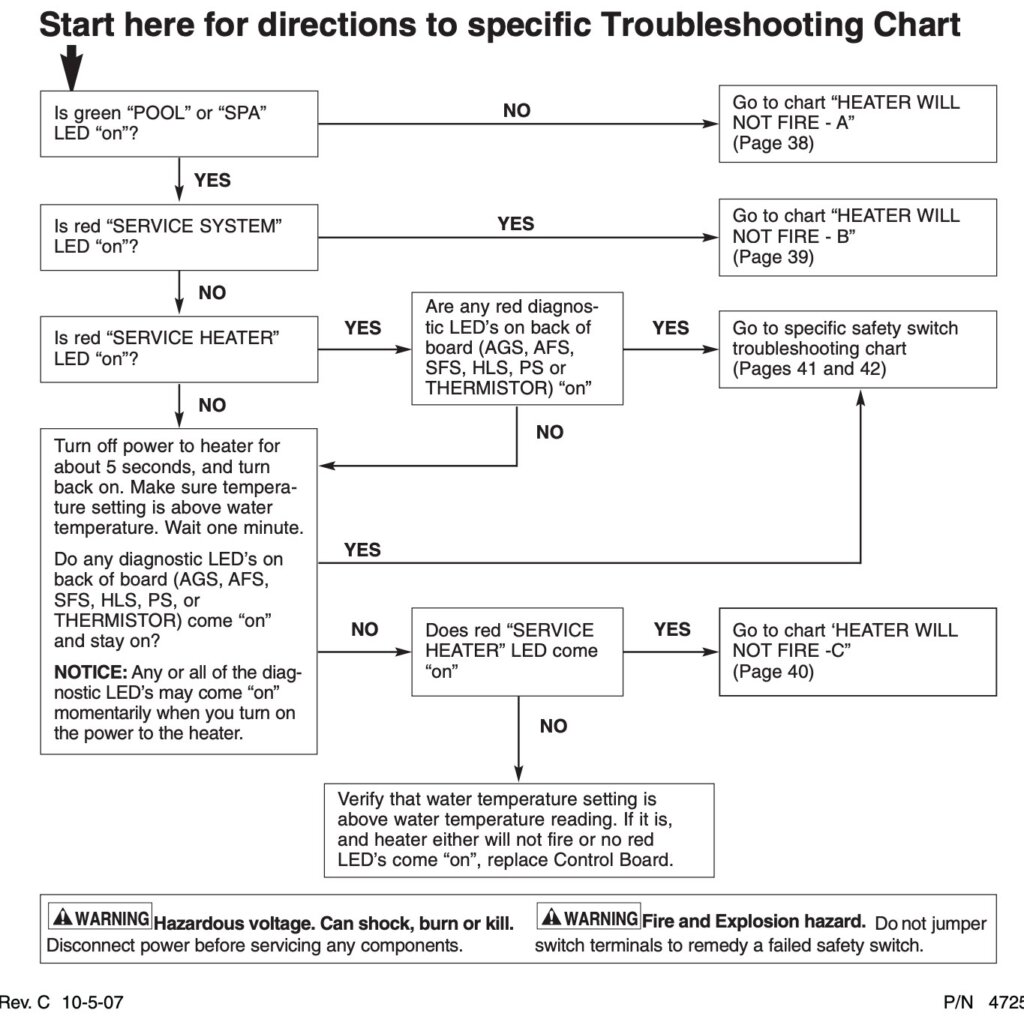
When your pool heater won’t start, follow these steps. Each step helps you find and fix the problem.
1. Check The Basics First
- Make sure the pool pump is running.
- Confirm all valves are open.
- Look at the heater’s display for error codes.
2. Inspect Water Flow
- Clean the skimmer and pump baskets.
- Backwash or clean the pool filter.
- Check for closed or partially closed valves.
- Make sure the water level is normal.
3. Review Gas Supply
- Ensure the gas valve is fully open.
- For propane heaters, check the tank level.
- Listen for gas flow or smell for leaks (if safe to do so).
4. Examine The Igniter
- Remove the igniter (see your heater’s manual).
- Look for cracks, soot, or damage.
- Clean with a soft brush if dirty.
- Replace if it looks worn out.
5. Test The Pressure Switch
- With the heater off, disconnect wires from the pressure switch.
- Use a multimeter to check for continuity.
- If the switch fails the test, replace it.
6. Clear The Burner Orifice
- Turn off all power and gas to the heater.
- Remove the burner tray.
- Use compressed air to clear debris from the orifices.
- Watch for insects or webs.
7. Inspect The Flame Sensor
- Gently remove the flame sensor.
- Clean with a fine abrasive pad (not sandpaper).
- Reinstall and try to ignite.
8. Check Electrical Connections
- Look for loose wires, burnt connectors, or blown fuses.
- Tighten or replace as needed.
- Make sure the heater is grounded.
9. Examine The Control Board
- Look for burnt spots or corrosion.
- If you see damage, the board may need replacing.
10. Reset High-limit And Other Safety Switches
- Allow the heater to cool.
- Press any reset buttons (see your manual).
- If the switch keeps tripping, find and fix the cause before restarting.
Error Codes And What They Mean
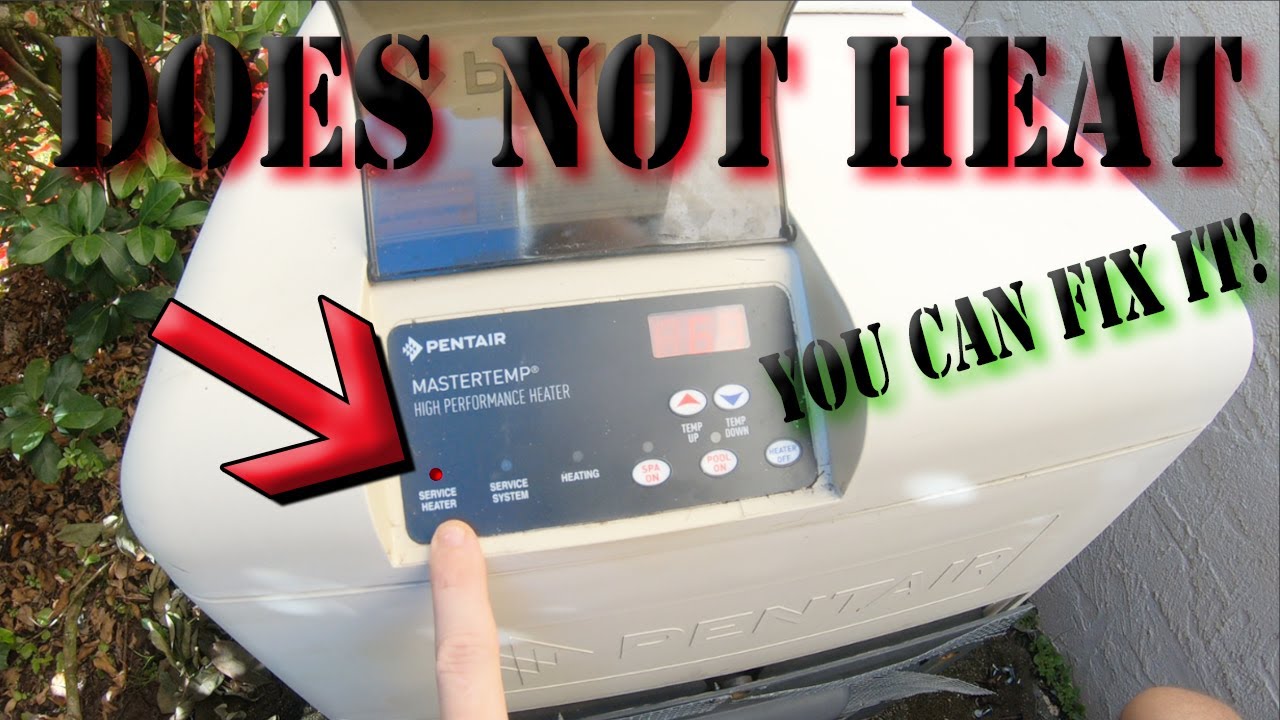
Pentair pool heaters display error codes to help diagnose problems. Here are some common codes and what they mean:
| Error Code | Meaning | What to Check |
|---|---|---|
| ERR PS | Pressure Switch Error | Water flow, pressure switch wiring |
| ERR HLS | High Limit Switch Error | Heater temperature, switch reset |
| ERR AFS | Air Flow Switch Error | Fan, air vents, switch wiring |
| ERR IGN | Ignition Failure | Igniter, flame sensor, gas supply |
| ERR SNS | Sensor Failure | Temperature sensors, wiring |
Not all heaters show the same codes. Always check your model’s manual for exact meanings.
Detailed Solutions To Specific Pentair Pool Heater Ignition Problems
Let’s look closer at how to fix the most common ignition failures.
Low Water Flow Problems
If the pressure switch error appears or you suspect low water flow, try these steps:
- Make sure the pump basket is clean.
- Backwash or clean the pool filter; a dirty filter is often the cause.
- Open all pool valves fully.
- Clean any debris from pool skimmers.
- Check for air leaks in the suction line (look for bubbles in the pump basket).
A beginner mistake: Only cleaning the skimmer basket and forgetting the pump basket or filter. All must be clean for good flow.
Igniter Or Flame Sensor Failure
A bad igniter or flame sensor is a very common cause. Here’s what to do:
- Turn off the power and gas.
- Remove the igniter or sensor carefully.
- If the igniter looks cracked or burned, replace it.
- If the flame sensor is dirty, gently clean it. A dirty sensor can’t “see” the flame, so the heater shuts off for safety.
Non-obvious tip: Even a thin film from pool chemicals can block the flame sensor. Clean it every season, not just when there’s a problem.
Gas Supply Troubles
If your heater tries to start but doesn’t ignite, check the gas line:
- Make sure the main gas valve is fully open.
- For propane, check the tank gauge.
- If you suspect air in the line (common after new installation), “purge” the line. This should be done by a qualified technician—never try to bleed gas lines if you’re not trained.
A common mistake: Homeowners forget to open the gas valve after winterizing the heater.
Control Board Or Wiring Problems
Heater not responding at all? It could be the control board or electrical connections.
- Open the heater’s panel and look for loose wires or signs of burning.
- Check fuses with a multimeter.
- If the control board smells burnt or has black marks, it likely needs replacement.
Non-obvious insight: Sometimes a chewed wire from rodents causes heater failure. Always check for animal damage, especially if the heater is outside.
Blocked Burner Orifice
If everything seems normal but the heater won’t ignite:
- Remove the burner tray.
- Use compressed air or a small wire to clear the orifices.
- Reassemble carefully.
Tip: Spiders often build webs in gas heaters. This can block gas flow completely.
Preventing Pentair Pool Heater Ignition Problems
It’s easier to prevent problems than fix them. Regular maintenance is key.
Regular Maintenance Checklist
- Clean the filter at least once a month during the season.
- Check water flow every time you use the pool heater.
- Inspect the igniter and flame sensor every spring and fall.
- Look for debris in the burner area before each season.
- Open and close gas valves slowly to avoid damaging seals.
- Check for animal nests around the heater, especially after winter.
Annual Professional Service
Once a year, have a licensed pool technician:
- Inspect all safety switches.
- Test gas pressure.
- Clean burners and orifices.
- Check the control board for updates or recalls.
Professional servicing prevents most surprise breakdowns.
Credit: www.youtube.com
When To Call A Professional
Not every problem should be fixed by a homeowner. Call a licensed technician if:
- You smell gas around the heater.
- The control board is damaged.
- The heater shows repeated error codes you can’t clear.
- You’re uncomfortable working with electricity or gas.
A professional has the right tools and training to safely repair your Pentair pool heater.
Comparing Common Pool Heater Ignition Issues
To help you understand the differences between causes, here’s a side-by-side comparison.
| Problem | How to Identify | DIY Fix? | When to Call a Pro |
|---|---|---|---|
| Low water flow | Pump runs, heater displays flow error | Yes | If problem persists after cleaning |
| Dirty flame sensor | Heater tries to start, shuts off quickly | Yes | If sensor is damaged |
| No gas supply | No ignition noise, no smell of gas | Check valves/tank | If you suspect leaks or complex gas issues |
| Control board failure | No lights, no response | No | Always call a pro |
Key Differences: Pentair Vs. Other Pool Heater Brands
Pentair heaters are similar to other brands like Hayward and Jandy, but have unique features:
| Feature | Pentair | Hayward | Jandy |
|---|---|---|---|
| Self-diagnostic codes | Yes, detailed | Yes, basic | Yes, detailed |
| Digital display | Yes | Some models | Yes |
| Ease of access to parts | Good | Average | Good |
| Common ignition issues | Igniter & flow | Flame sensor | Gas valve |
Knowing these differences helps when discussing repairs with a technician or when reading manuals.
Non-obvious Tips For Reliable Pool Heater Ignition
Most guides skip these, but they make a big difference:
- Run your heater at least once every two weeks, even in the off season. This keeps valves and switches moving and prevents sticking.
- Install a surge protector on your pool heater’s power supply. Power surges can damage the control board and electronics.
- Label all valves and switches around your heater. This makes troubleshooting faster and prevents mistakes.
Credit: intheswim.com
How Weather And Location Affect Ignition
Your climate and installation location can impact ignition:
- Cold climates: Ice and snow can block air vents or freeze water lines, causing ignition failure.
- High humidity: Moisture can corrode the igniter or burner, leading to problems.
- Outdoor installation: Animals and insects are more likely to enter the heater.
If your pool is in a harsh climate, inspect the heater more often and consider weather protection covers.
Understanding The Cost Of Repairs
Knowing what to expect helps you plan. Here’s a rough guide for typical repair costs:
- Igniter replacement: $75–$200 (parts and labor)
- Flame sensor cleaning/replacement: $50–$150
- Pressure switch replacement: $100–$250
- Control board replacement: $250–$600
DIY repairs save on labor, but some parts require a pro for safety.
Safety Warnings
Never ignore these safety points:
- Turn off all power and gas before opening your heater.
- Never bypass safety switches just to get the heater working.
- If you smell gas, shut off the main supply and call your utility company or a certified technician immediately.
Working with gas and electricity is risky without proper training.
Why Regular Ignition Failure Can Be A Sign Of Bigger Problems
If your Pentair pool heater keeps failing to ignite, it’s not just bad luck. Repeated ignition failure can mean:
- The control board is failing.
- Gas supply is unstable.
- The heater is oversized or undersized for your pool.
- There are hidden leaks or blockages.
Frequent problems mean it’s time for a full inspection by a pro.

Credit: www.youtube.com
Where To Find Reliable Information
Always use official sources for troubleshooting and repair. The Pentair user manual is the best place to start. For more complex issues, visit the official Pentair website or reputable pool service forums. Here’s a helpful resource: Pentair Pool Heater Support.
Frequently Asked Questions
Why Does My Pentair Pool Heater Click But Not Ignite?
The clicking sound is usually the igniter trying to spark. If the heater clicks but won’t ignite, the problem could be a dirty igniter, blocked burner, or no gas supply. Cleaning the igniter or checking the gas valve often solves the problem.
What Does The “err Ign” Code Mean On My Pentair Heater?
“ERR IGN” means the heater tried to ignite but failed. Common causes are a bad igniter, dirty flame sensor, or gas flow issue. Check these parts first, and if the problem continues, call a qualified technician.
Can I Use My Pool If The Heater Is Not Working?
Yes, you can still use your pool without the heater, but the water will be colder. There is no danger in swimming; however, do not run the heater if it’s showing error codes or leaking gas.
How Often Should I Service My Pentair Pool Heater?
Basic maintenance, like cleaning the filter and checking the water flow, should be done monthly during the swimming season. A full professional service is recommended once a year for safety and reliability.
Is It Safe To Repair A Gas Pool Heater Myself?
Simple tasks, like cleaning the igniter or checking water flow, are safe for most homeowners. But repairs involving gas lines, control boards, or high-voltage wiring should only be done by trained professionals to avoid serious injury or damage.
When your Pentair pool heater is not igniting, it’s more than just an inconvenience. It signals a problem that needs attention to keep your pool safe and enjoyable. With a careful, step-by-step approach, most ignition issues can be solved quickly. Regular maintenance and knowing when to call a professional will help you get the most from your heater for years to come. Stay attentive to small changes, follow safety practices, and your pool will always be ready when you are.