
If you are planning a new shower or updating an old one, you might wonder if you need a shower pan on a concrete floor. Many homeowners see concrete as strong and waterproof, so they question adding another layer. But there’s more to this topic than meets the eye. Understanding the real purpose of a shower pan, the risks of skipping it, and the best practices for installation can save you from headaches and expensive repairs later. Whether you are a DIY enthusiast or hiring a professional, knowing the facts will help you make smart decisions for your bathroom.
What Is A Shower Pan And Why Does It Matter?
A shower pan is the floor part of your shower that collects water and directs it to the drain. It’s usually made from materials like acrylic, fiberglass, or tile set over a waterproof membrane. The pan isn’t just a visible surface—it’s a system that keeps water from leaking into the floor and walls.
Without a proper shower pan, water can seep into concrete, wood, or other materials below. Even strong concrete can soak up water over time. This can lead to mold, mildew, cracks, and serious structural damage. The shower pan is your main defense against these problems.
How Concrete Floors And Showers Work Together
It’s easy to think concrete is totally waterproof. In reality, concrete is porous—it absorbs water slowly, especially if not sealed. In a busy shower, water collects and sits on the floor. Without a barrier, water can move through tiny pores and cracks in the concrete, reaching the subfloor or even other rooms.
Concrete also expands and contracts with temperature and moisture changes. If water gets below the surface and freezes or causes swelling, you might see cracks. Over time, these cracks let even more water pass through.
So, a shower pan is not just about the top surface. It’s a full system—waterproofing, sloping, and directing water to the drain—protecting both the concrete and the rooms below.
Do All Concrete Shower Floors Need A Shower Pan?
Let’s answer this clearly: In almost all cases, you do need a shower pan on a concrete floor. Even if your shower is built directly over concrete, a pan (or at least a waterproof membrane system) is essential for these reasons:
- Waterproofing: Concrete alone doesn’t stop water. You need a barrier to keep water out.
- Sloping: The pan system helps slope the floor toward the drain, so water doesn’t pool.
- Building Codes: Most local codes require a shower pan or membrane for safety and durability.
- Resale Value: Future buyers expect a proper system, and inspectors will check for one.
There are rare cases where a concrete shower might not have a traditional pan. For example, some high-end custom showers use a specially treated and sloped concrete floor with advanced sealants. But these are expensive and need expert installation. For most homes, a standard shower pan or membrane is the smart and safe choice.
How A Shower Pan Works
A shower pan is more than just a base. It’s a layered system:
- Subfloor: In your case, this is the concrete slab.
- Waterproof Membrane: A sheet or coating that stops water from reaching the subfloor.
- Slope: The pan or mud bed is sloped toward the drain so water flows off.
- Drain Assembly: Collects water and sends it safely into your plumbing.
- Tile or Surface Layer: The visible part you stand on.
When installed correctly, these layers work together. Water runs off the surface, any that gets through the tile hits the waterproof membrane, and the slope carries it to the drain.
Types Of Shower Pans For Concrete Floors
You have a few options when installing a shower pan on concrete:
Prefabricated Shower Pans
These are ready-made pans from fiberglass, acrylic, or composite materials. They’re easy to install and come in many sizes.
Pros:
- Fast installation
- Leak-proof when installed correctly
- Easy to clean
Cons:
- Limited sizes and shapes
- Higher cost for custom sizes
Tiled Shower Pans With Waterproof Membranes
This is the traditional method for custom showers. You build a mud bed (a mix of sand and cement) over the concrete, install a waterproof membrane, and then add tile.
Pros:
- Fully customizable shapes and sizes
- Classic look
Cons:
- More labor and skill needed
- Risk of leaks if not installed perfectly
Liquid Waterproofing Membranes
Some newer systems use a paint-on liquid membrane over the concrete and mud bed, then tile on top.
Pros:
- Fewer seams, so fewer leak points
- Works for custom shapes
Cons:
- Needs careful application
- Can be expensive
Sheet Membrane Systems
These are large waterproof sheets (like Schluter Kerdi) that cover the mud bed before tiling.
Pros:
- Reliable waterproofing
- Compatible with many tile types
Cons:
- Needs precise installation
- Cost varies
Here’s a quick comparison:
| Type | Customizable | DIY Friendly | Durability | Cost |
|---|---|---|---|---|
| Prefabricated Pan | No | Yes | High | Medium-High |
| Tiled Mud Bed & Membrane | Yes | No (Advanced DIY) | High | Medium |
| Liquid Membrane | Yes | Somewhat | High | Medium-High |
| Sheet Membrane | Yes | No (Advanced DIY) | Very High | High |
Building Codes And Regulations
Most building codes in the US and other countries require a waterproof shower pan or membrane, even if your shower is built over concrete. For example, the International Residential Code (IRC) states that all shower floors must be waterproofed and sloped toward the drain.
Home inspectors almost always check for a proper shower pan in homes. If you skip the pan, you risk failing an inspection, losing insurance coverage, or needing expensive repairs later.
Some local codes allow for special exceptions, but these require extra engineering and approval. The safest path is to install a proper pan or membrane system.
Risks Of Skipping A Shower Pan
Some people try to save time or money by tiling directly onto concrete. This is risky, and here’s why:
- Water Damage: Water can seep into concrete, leading to cracks or damage.
- Mold and Mildew: Moisture under the floor can grow mold, which is hard to remove and bad for health.
- Leaks to Other Rooms: Water can move through concrete and damage nearby rooms or the home’s foundation.
- Cold Floors: Concrete without a pan or insulation can feel very cold underfoot.
- Warranty Issues: Skipping the pan can void product warranties and insurance.
Even if you use waterproof grout or seal concrete, tiny cracks can form, and water will find its way through over time.
How To Install A Shower Pan On Concrete
If you decide to do this as a DIY project, here’s a general overview. (For complex jobs, professional help is strongly recommended. )
1. Clean And Prepare The Concrete
Remove old flooring, debris, and dust. Patch large cracks with concrete filler. Make sure the surface is level, or slope it slightly toward the drain.
2. Plan Drain Location
Your drain should be in the center or at the low point of the floor. If moving the drain, you may need to break and re-plumb the concrete—this is a job for experienced remodelers.
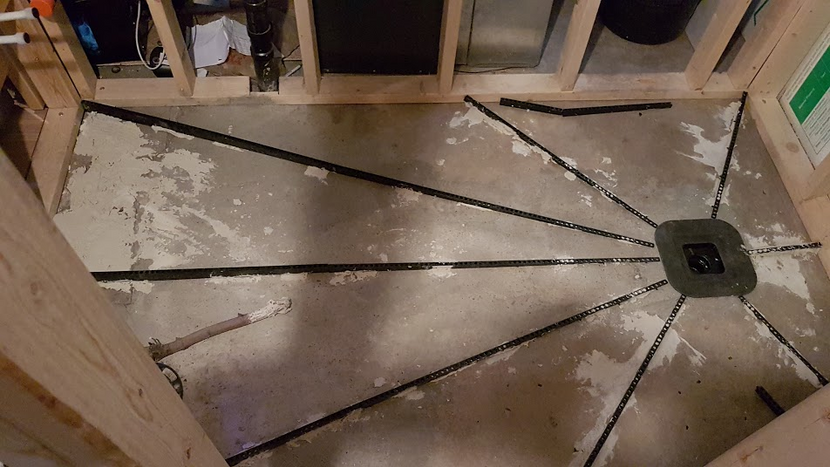
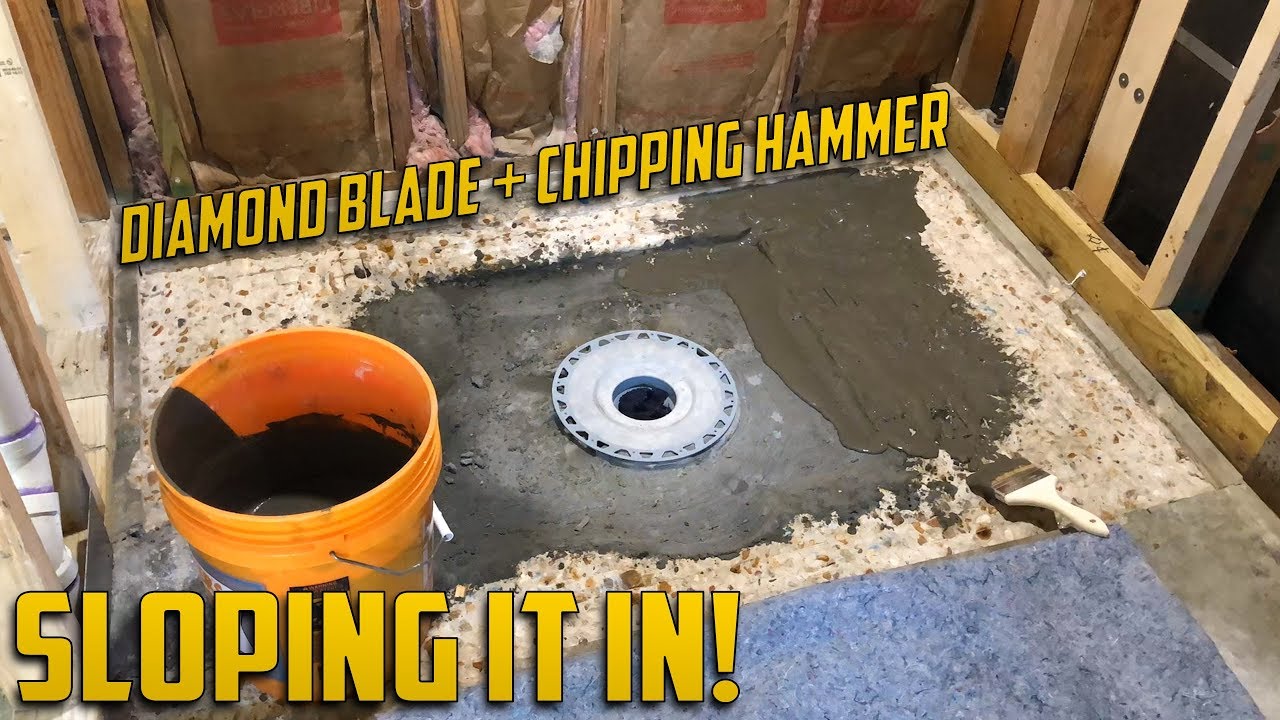
3. Install A Sloped Mud Bed
If you’re using tile, you’ll need a mud bed—a mix of sand and cement, sloped about 1/4 inch per foot toward the drain. This helps water flow off the surface.
4. Add The Waterproof Membrane
Install a waterproof membrane (sheet or liquid) over the mud bed. Overlap seams and seal around the drain. This is the most important step for leak prevention.
5. Test For Leaks
Before adding tile, plug the drain and fill the shower floor with water. Let it sit for 24 hours. Check for leaks around the edges and below. Only continue if there are no leaks.
6. Lay The Tile Or Install The Pan
If you’re using a prefabricated pan, set it in place and seal the edges. If you’re tiling, use thinset mortar and tile of your choice.
7. Seal Everything
Use quality grout and sealant at all edges, especially where the shower floor meets walls.
Here’s a simple breakdown:
| Step | Purpose | Key Tips |
|---|---|---|
| Clean & Prep Concrete | Ensures good bonding | Remove dust, level surface |
| Plan Drain Location | Prevents pooling | Center drain is easiest |
| Install Mud Bed | Creates slope | 1/4″ per foot slope |
| Add Membrane | Waterproofing | Overlap seams, seal edges |
| Test for Leaks | Check waterproofing | Wait 24 hours |
| Install Tile/Pan | Finish surface | Use quality materials |
| Seal Edges | Extra protection | Use silicone caulk |
Common Mistakes And How To Avoid Them
Many beginners make small errors that can lead to leaks and expensive repairs. Here are the most common mistakes:
- Skipping the Waterproof Membrane: Even if concrete looks solid, always use a membrane.
- Poor Slope: If the floor is too flat, water pools and leaks occur. Always slope toward the drain.
- Bad Drain Sealing: If the membrane isn’t sealed tightly to the drain, leaks happen.
- Using Wrong Adhesives: Use thinset mortar for tile, not mastic, which isn’t waterproof.
- Not Testing for Leaks: Always do a leak test before adding tile or finishing.
- Ignoring Expansion Joints: Concrete expands and contracts; leave small gaps filled with flexible sealant.
- Rushing the Job: Take your time. Let each layer dry and cure fully.
Pro tip: Many beginners forget to seal the corners and edges, which are the most likely places for leaks.
Real-world Examples
Example 1: Leaking Basement
A homeowner in Texas built a shower over a concrete basement floor with no pan. After a few months, water started leaking into the basement storage room. The concrete let water pass through small cracks, causing mold and damage to walls and stored items.
The repair required removing the whole shower and adding a proper pan and waterproofing system.
Example 2: Successful Custom Shower
In California, a builder installed a custom tile shower with a sloped mud bed and sheet membrane over concrete. After ten years, there were no leaks or mold. The key was careful installation, a strong membrane, and a proper slope.
Insight: Even a small mistake in waterproofing can take years to appear, but the damage is expensive and hard to fix.
Advanced Options: Concrete-only Showers
Some luxury homes use a polished, sealed concrete shower floor. These are very rare and expensive. To make them work, the installer uses:
- Special waterproof concrete mixes
- Multiple coats of penetrating sealers
- Careful sloping toward the drain
- Regular maintenance and resealing
Even then, most experts recommend a hidden membrane under the surface. For most homes, this is not practical or cost-effective.
Maintenance Tips For Long-lasting Shower Pans
To keep your shower pan working for years:
- Clean regularly to prevent soap and mineral buildup.
- Check grout and caulk for cracks every few months.
- Reseal tile grout once a year if recommended.
- Watch for leaks: If you see water outside the shower, act quickly.
- Avoid harsh cleaners that can damage membranes or sealants.
Beginner insight: Many people think the visible tile is waterproof. In reality, water can pass through grout and tiny cracks. The membrane below is what truly keeps your home safe.
Credit: dixsystems.com
How To Choose The Right Shower Pan System
When deciding which shower pan to use over concrete, consider:
- Size and shape: Is your shower standard or custom?
- Budget: Prefab pans are often cheaper up front, but tile systems last longer if installed well.
- Skill level: Tile and membrane systems are advanced DIY or pro jobs.
- Style: Do you want tile or a smooth surface?
- Maintenance: Some pans need more upkeep than others.
- Future access: If pipes need repair, prefab pans are easier to remove.
Talk to a licensed contractor if you’re unsure. Making the right choice now prevents big problems later.
Lifespan And Replacement
A well-installed shower pan can last 20 years or more. Most leaks and failures are due to poor installation, not product failure.
Signs you need a new pan:
- Cracked or loose tiles
- Water stains outside the shower
- A musty smell (often from hidden mold)
- Moving or spongy floor underfoot
If you see these signs, act fast. Replacing a pan is easier than repairing water damage to concrete, wood, or drywall.
Credit: www.youtube.com
Environmental Impact And Water Usage
Using a proper shower pan actually helps the environment by reducing water waste and mold problems. Leaks often mean more cleaning, repairs, and material waste. Modern pans and membranes are made with safer materials than in the past.
Insight: Skipping the pan to “save materials” often leads to bigger repairs, which use more resources in the long run.
Professional Vs. Diy Installation
Many handy homeowners try to install their own shower pans. This can save money, but mistakes are costly. Consider hiring a pro if:
- You’ve never worked with membranes or tile before
- The drain needs to move or plumbing needs changes
- Your shower is large or custom-shaped
- You want a warranty on the work
Even experienced DIYers often struggle with the waterproofing details. If in doubt, invest in professional installation.

Credit: www.youtube.com
Cost Breakdown
Let’s look at rough costs for each option (prices may vary by location):
- Prefabricated pan: $250–$900 (materials), $500–$1,500 (installed)
- Tiled mud bed & membrane: $400–$1,200 (materials), $1,000–$3,000 (installed)
- Sheet or liquid membrane system: $500–$1,500 (materials), $1,200–$3,500 (installed)
Extra costs: Moving the drain, fixing the concrete, or custom shapes add to the price.
Final Thoughts
Building or remodeling a shower on a concrete floor is a big investment. Skipping the shower pan might seem like a shortcut, but it leads to leaks, mold, and expensive repairs. Concrete is not waterproof on its own. A proper shower pan or membrane system is essential for a safe, long-lasting, and code-approved shower.
It’s worth the effort and cost to do it right the first time.
If you want to learn more about shower construction codes, you can check the International Code Council.
Frequently Asked Questions
Do I Need A Shower Pan If My Bathroom Floor Is Solid Concrete?
Yes, you still need a shower pan or membrane. Concrete absorbs water over time. The pan keeps water from seeping into and damaging the concrete or rooms below.
Can I Just Use Waterproof Grout Or Sealant Instead Of A Pan?
No. Grout and sealants alone can’t stop all water. Tiny cracks form over time. A waterproof membrane under the surface is the only reliable way to prevent leaks.
How Do I Know If My Shower Pan Is Leaking?
Signs include musty smells, water stains outside the shower, loose tiles, or a spongy floor. If you see these, check under the floor or call a pro immediately.
Is A Prefabricated Shower Pan Better Than A Tiled Pan?
Both have pros and cons. Prefab pans are quick and reliable for standard sizes. Tiled pans look better in custom showers but need careful installation. Choose what fits your skills, budget, and style.
Can I Install A Shower Pan Myself?
If you have good DIY skills, you can try. But waterproofing is tricky. Many people hire a pro for this step to avoid leaks and costly repairs.
With the right planning, materials, and attention to detail, your concrete floor shower can be beautiful, safe, and long-lasting.