
If you step into your shower and notice the controls stick out unusually far from the wall, you may have a shower valve too far out. This problem is more common than you might think, especially during bathroom renovations or when switching to a new style of trim. At first, it might look like just a cosmetic issue, but a shower valve that extends too much can affect both appearance and performance. In some cases, it can even cause leaks or make the shower harder to use.
A shower is one of the most used spots in any home, and small installation mistakes can lead to frustration every day. The good news is that understanding why a shower valve sits too far out, what problems it creates, and how to fix it will give you the power to restore both function and style to your bathroom.
This guide will take you step-by-step through the causes, effects, and best solutions—without the confusing jargon. If you want a shower that works and looks its best, keep reading.
What Is A Shower Valve And Why Its Position Matters
A shower valve is the control unit behind your shower wall. It’s what mixes hot and cold water and sends it to the showerhead. You control it using the handle or knob you see outside. But while the handle is visible, the actual valve is hidden inside the wall. The distance from the finished wall to the front of the valve is called the “rough-in depth.”
When a shower valve is installed too far out, the handle and trim plate stick out from the wall more than normal. This can make the shower look unfinished and sometimes even let water drip behind the wall. If the valve is too deep, the handle may be hard to reach or not fit at all.
The correct position is essential for:
- Waterproofing – A tight fit keeps water away from the wall cavity.
- Appearance – Proper depth means the trim sits flush, giving a clean look.
- Functionality – Handles work smoothly when the valve is at the right depth.
Why Does A Shower Valve End Up Too Far Out?
There are several reasons this problem happens. Some are due to construction mistakes, while others happen during repairs or upgrades.
1. Incorrect Rough-in Measurement
If the wall thickness is not measured right, the plumber may position the valve too far forward. This is common in remodels, where the final wall surface (like tile or cement board) isn’t there yet.
2. Changes In Wall Materials
Sometimes, the wall plan changes after plumbing is installed. For example, switching from a thin plastic surround to thick tile adds extra distance. If the valve position isn’t adjusted, it ends up too far out.
3. Using The Wrong Valve Or Trim Kit
Not all shower valves fit all trim kits. If you replace just the handle or plate, the new parts may require a different depth. This mismatch can push the valve out or pull it back.
4. Inaccurate Plumbing Work
Rushed or inexperienced installers may not follow the manufacturer’s instructions. Even small errors in mounting can lead to big problems when the wall is finished.
5. Repair Or Replacement Of Parts
If a valve or cartridge is replaced without considering the original rough-in, the new part might not match the previous depth, causing it to sit too far out.

Credit: www.youtube.com
Problems Caused By A Shower Valve That Sticks Out
It’s tempting to ignore a valve that’s a little off, but there are real downsides. Let’s look at what happens when the shower valve is too far out:
1. Leaks And Water Damage
A trim plate that doesn’t sit flush can let water drip behind the wall. Over time, this can lead to mold, rot, or even structural damage.
2. Unattractive Appearance
The handle and plate will look awkward or unfinished. This is especially obvious with modern, low-profile fixtures.
3. Hard To Use
The handle might wobble or feel unstable. You may notice more play in the controls, or they could be harder to turn.
4. Reduced Waterproofing
A shower’s waterproofing depends on tight seals. If the trim isn’t pressed firmly against the wall, water can get through.
5. Lower Home Value
Small details like this can affect buyers’ impressions if you ever sell your home. A “DIY look” can make a bathroom feel less valuable.
How To Check If Your Shower Valve Is Too Far Out
Not sure if this is your problem? Here’s how to check:
- Look at the Trim Plate – Is there a gap between the plate and the wall? A properly installed plate should sit flat and tight.
- Check the Handle Position – Does the handle stick out more than two inches? Most handles should be within 1–1.5 inches from the wall.
- Feel the Handle – Is it loose, wobbly, or do you see the stem behind it?
- Review Manufacturer Specs – Look up the model number (often on the trim or valve) and check the recommended rough-in depth.
- Use a Depth Gauge – If you’re comfortable, remove the handle and measure from the finished wall to the valve face.
A shower valve should usually sit about 2–3 inches behind the finished wall, but always check your specific manufacturer’s instructions.

Credit: diy.stackexchange.com
How To Fix A Shower Valve That’s Too Far Out
Fixing this issue depends on how far out the valve sits, what’s behind your wall, and your skill level. There are solutions for both small and large problems.
1. Use A Deeper Trim Kit
Many manufacturers offer “deep” or “thick wall” trim kits. These have longer sleeves and handles designed for valves that stick out too far.
- Pros: Simple and doesn’t require wall repair.
- Cons: Limited to compatible brands and styles.
2. Add An Extension Kit
Some companies make extension kits for their valves. These kits include a longer stem and screws, allowing the trim to fit securely even if the valve is too far out.
- Pros: Designed for this exact problem.
- Cons: Only works for certain brands/models.
3. Build Out The Wall
If the valve is much too far out, you can add a layer of cement board or tile backer to the wall, then retile or cover with a surround. This brings the wall out to meet the valve.
- Pros: Restores a flush look and better waterproofing.
- Cons: More costly and labor-intensive.
4. Reposition The Valve
This is the most complex fix. It involves opening the wall, cutting the pipes, and moving the valve back to the right depth.
- Pros: Permanent solution, best for major errors.
- Cons: Requires plumbing skills and wall repair.
5. Use A Larger Escutcheon Plate
A bigger plate can sometimes cover gaps, though it doesn’t move the valve itself. It’s a cosmetic solution for small issues.
- Pros: Quick and easy.
- Cons: Doesn’t fix underlying problem.
6. Replace The Valve
If your valve is very old or incompatible with new trim, replacing it with a modern, adjustable model may be the best solution.
- Pros: Future-proof and fits new trim.
- Cons: Expensive and requires cutting pipes.
Comparison: Popular Shower Valve Fixes
Let’s compare the most common solutions side-by-side.
| Solution | Skill Level | Cost | Durability | Works For |
|---|---|---|---|---|
| Deeper Trim Kit | Beginner | Low–Medium | Good | Minor issues |
| Extension Kit | Beginner–Intermediate | Low–Medium | Excellent | Most valves |
| Build Out Wall | Intermediate–Expert | High | Excellent | Major mistakes |
| Reposition Valve | Expert | Very High | Permanent | All |
| Larger Plate | Beginner | Low | Fair | Cosmetic only |
| Replace Valve | Expert | Very High | Permanent | Old/failed valves |
Step-by-step Guide: Fixing A Shower Valve That’s Too Far Out
The right method depends on your situation. Here’s a practical walk-through for the most common fixes.
Using An Extension Kit
- Find Your Valve Model: Look for a brand name or part number.
- Buy the Correct Extension Kit: Match the kit to your valve brand and model.
- Turn Off Water: Shut off the water supply to the shower.
- Remove Handle and Trim Plate: Use a screwdriver to take them off.
- Install Extension: Attach the longer stem and screws from the kit.
- Reinstall Trim and Handle: Test for tight fit against the wall.
- Turn Water On and Test: Check for leaks and smooth operation.
Building Out The Wall
- Plan the New Wall Thickness: Measure how much you need to add.
- Attach New Backer Board: Screw cement board or another backer to studs.
- Waterproof: Use a membrane or waterproofing product on the new surface.
- Retile or Add Surround: Finish with tile or an acrylic panel.
- Reinstall Trim Kit: Make sure the plate sits flush.
Repositioning The Valve
- Open the Wall: Cut drywall or tile behind the valve.
- Turn Off Water: Always do this before cutting pipes.
- Cut and Move the Valve: Use pipe cutters and fittings to shift the valve back.
- Secure the Valve: Mount it at the correct depth per manufacturer’s guide.
- Patch Wall and Retile: Repair the wall and finish with matching materials.
- Reinstall Trim and Handle: Test the system carefully.
Pro Tip: Before making any cuts or buying parts, double-check your valve’s brand and model. Bringing a photo or the old part to a plumbing supply store can help you get the right fix the first time.
How To Prevent Shower Valve Depth Errors
Fixing a valve that’s too far out can be a hassle. The best approach is to prevent the problem from the start.
- Always measure from the finished wall (tile, surround) to the valve face—not from the studs.
- Check manufacturer’s instructions for the correct rough-in depth (often 2–3 inches).
- Use a temporary board the same thickness as your final wall to simulate the surface during rough-in.
- Double-check before closing the wall.
- Consider future upgrades—choose adjustable valves if you plan to remodel again.
Common Mistakes When Fixing A Shower Valve Too Far Out
Many DIYers and even some pros make avoidable errors:
- Ignoring Manufacturer Specs – Each valve has different depth requirements. Don’t guess!
- Using Random Extension Kits – Kits are brand- and model-specific. The wrong one won’t fit.
- Skipping Waterproofing – Never leave gaps behind the trim. Seal with silicone if needed.
- Not Testing for Leaks – Always check for leaks before closing the wall.
- Overtightening Screws – This can crack trim plates or strip screw holes.
When To Call A Professional Plumber
Some fixes are simple, but others need expert help:
- If you’re unsure about cutting pipes or moving plumbing.
- If there’s evidence of leaks or water damage.
- If you have an older home with unknown pipe materials.
- If you need to cut tile or stone.
Professional plumbers can diagnose the problem, recommend the best fix, and ensure everything meets local code.
Real-world Example: Fixing A Valve After A Wall Upgrade
Maria wanted to upgrade her shower with new tile. She had a plumber rough in a new valve, but after the tile was installed, the handle stuck out over 2. 5 inches and wobbled. The trim plate left a big gap.
Instead of tearing out the tile, Maria found an extension kit made for her valve model. The kit included a longer stem and screws, and after a quick install, the handle sat flush. She sealed the plate with waterproof caulk for extra protection.
This example shows that even after a mistake, you can often find a fix without major demolition—if you know what to look for.
Cost Breakdown: Fixing A Shower Valve That’s Too Far Out
How much will it cost? Here’s a rough price range for each solution.
| Solution | DIY Cost | Pro Cost | Time Required |
|---|---|---|---|
| Deeper Trim Kit | $30–$80 | $100–$200 | 1 hour |
| Extension Kit | $20–$60 | $100–$180 | 1 hour |
| Build Out Wall | $100–$400 | $400–$1000+ | 4–8 hours |
| Reposition Valve | $50–$150 | $350–$700+ | 4–8 hours |
| Larger Plate | $10–$40 | $80–$150 | 30 min |
| Replace Valve | $60–$200 | $500–$1200+ | 6–10 hours |
Note: Prices vary by location and fixture quality.
Two Insights Most Homeowners Miss
Many people focus only on the visible handle and plate, but these tips can save you headaches:
- The finished wall thickness is the only measurement that matters. Always plan plumbing depth using the final wall material, not the bare studs.
- Extension kits are brand- and model-specific. Generic parts rarely fit right. Always bring your valve info to the store.
How To Choose The Right Fix For Your Situation
If you’re unsure which solution is best, consider these questions:
- How far out is the valve? Less than an inch? Try a deeper trim or extension kit. More than that? You may need to build out the wall or move the valve.
- What’s behind your wall? Drywall is easier to open than tile.
- Is the valve old? If it’s more than 20 years old, consider full replacement.
- Are you planning to remodel soon? If so, wait and do a full upgrade.
Resources For Further Information
For detailed plumbing codes and installation guides, the Plumbing Manufacturers International offers reliable, up-to-date resources. You can visit their website for technical details and best practices: Plumbing Manufacturers International.
Frequently Asked Questions
What Is The Ideal Rough-in Depth For A Shower Valve?
Most shower valves should be installed so the face is about 2 to 3 inches behind the finished wall. Always check your valve’s manual for the exact measurement. This ensures the trim plate and handle fit properly without sticking out or being too deep.
Can I Use Caulk To Seal A Gap If The Trim Plate Doesn’t Sit Flush?
Caulk can help seal small gaps between the trim plate and the wall, but it’s not a real fix for a valve that sticks out too far. It won’t provide support for the handle and may not prevent leaks. Use it only as a temporary solution until you can adjust the valve or trim.
Are Extension Kits Universal For All Shower Valves?
No, extension kits are not universal. Each brand and valve model requires a specific kit. Using the wrong kit can cause leaks or make the handle not fit. Always match the kit to your valve’s brand and model number.
What Are The Risks Of Leaving A Shower Valve Too Far Out?
If you leave a shower valve too far out, you risk leaks behind the wall, water damage, mold growth, and a loose or wobbly handle. It can also lower your home’s value due to the unfinished look and possible future repairs needed.
How Do I Know If I Should Replace The Valve Instead Of Fixing The Depth?
If your valve is older than 20 years, damaged, or incompatible with new trim kits, replacement is often smarter. Modern valves are more adjustable and meet current codes, saving trouble in future upgrades.
—
A shower valve that sticks out too far is more than just a cosmetic issue. With the right knowledge and a careful approach, you can restore both the look and function of your shower—sometimes with just a simple kit, and sometimes with a more involved repair.
Take the time to measure, match parts carefully, and don’t hesitate to call a pro if the job seems too big. Your daily shower will thank you!
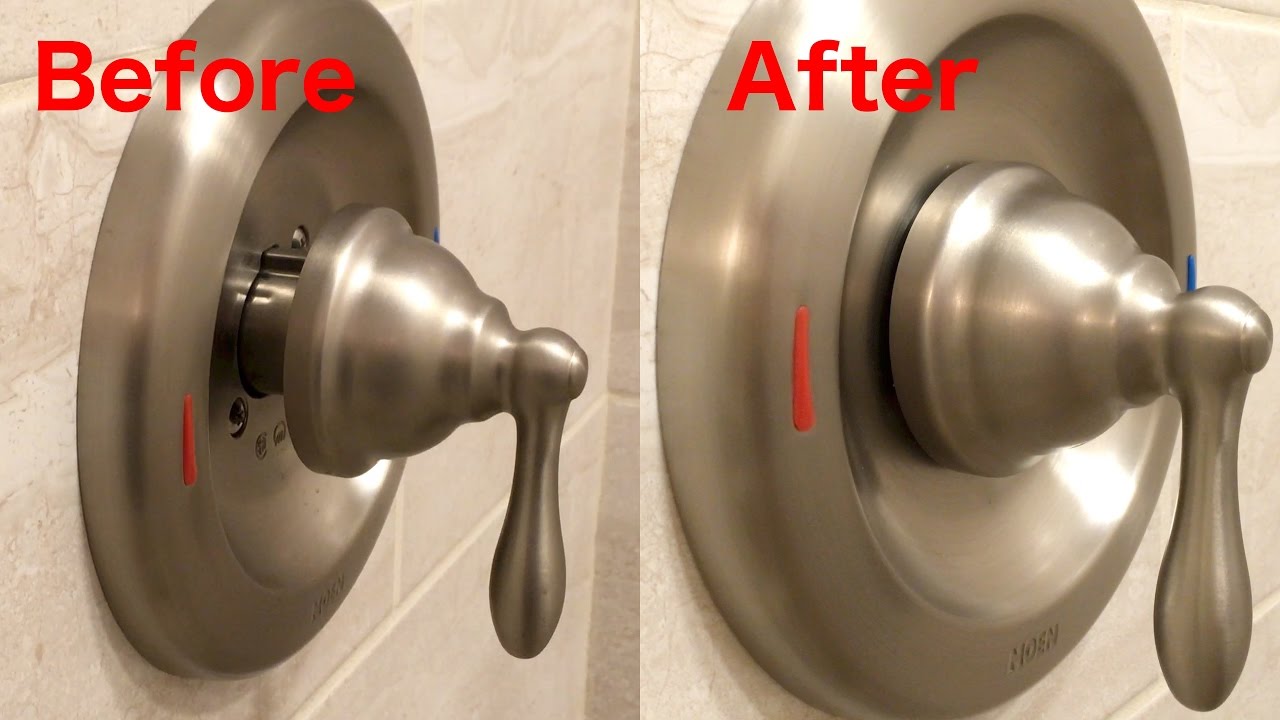
Credit: www.youtube.com