
Shark Bite fittings have changed how plumbers and homeowners connect pipes. These push-to-connect fittings are known for their speed and ease of installation. But many people ask, “How long do Shark Bite fittings last? ” This is a smart question, especially if you’re considering using them behind walls or in places where repairs are hard.
Understanding the real lifespan of Shark Bite fittings can help you make better choices for your plumbing projects and avoid costly mistakes later.
This article explains everything you need to know about Shark Bite fitting durability. We’ll cover what affects their lifespan, compare them to traditional fittings, share real-world experiences, and address common concerns. You’ll also learn how to avoid early leaks, when to use them confidently, and when you might want a different solution.
What Are Shark Bite Fittings?
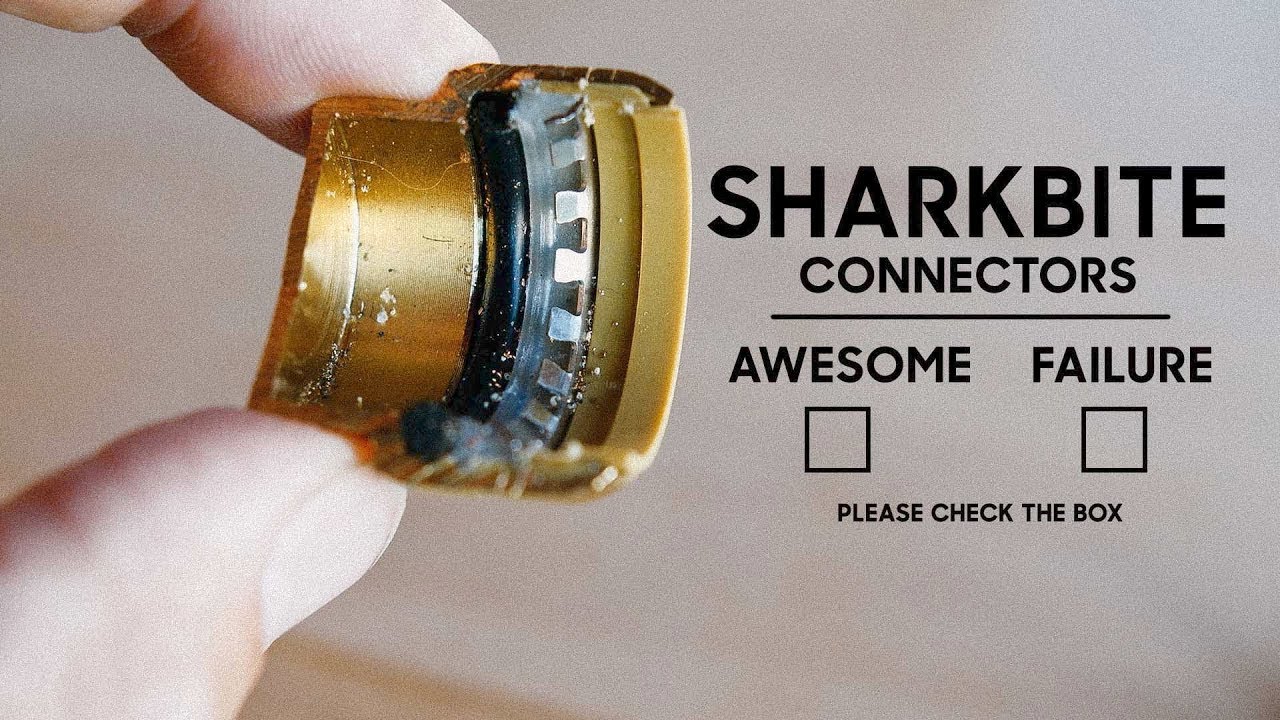
Shark Bite fittings are a type of push-to-connect plumbing fitting. They allow you to join pipes without soldering, gluing, or using special tools. You simply push the pipe into the fitting, and it locks in place with a stainless steel “teeth” ring and a rubber O-ring that forms a watertight seal.
These fittings work with different pipe types:
- Copper
- PEX
- CPVC
- PE-RT
Shark Bite fittings are popular for repairs, remodels, and even new installations. They’re used in homes, commercial buildings, and sometimes in industrial settings. The main reasons people choose them are speed, no need for open flames, and the ability to disconnect and reuse the fitting if needed.
Typical Lifespan: Manufacturer Claims Vs. Reality
The company that makes Shark Bite fittings claims they are certified for permanent installation. According to the manufacturer, they are rated for 25 years when used under normal, residential conditions. This rating is based on standard water pressure, temperature, and proper installation.
But what about real-world experience? Many plumbers have seen Shark Bite fittings last 10–15 years or more without leaks, especially when used in accessible places. However, some report issues if the fittings are installed incorrectly or used in harsh conditions.
Key Data
- Manufacturer rating: 25 years (with warranty)
- Plumber reports: 10–20+ years (well-installed, normal use)
- Failures: Rare if installed correctly, but not impossible
How Shark Bite Fittings Work
To understand why some fittings last longer than others, it helps to know how Shark Bite fittings seal the pipe.
- Pipe slides in. The pipe pushes past a metal ring with sharp “teeth.”
- Teeth grip the pipe. The teeth hold the pipe tightly so it can’t pull out.
- O-ring seals. The pipe pushes against a rubber O-ring inside the fitting, creating a watertight seal.
If the pipe is cut cleanly and pushed in fully, the O-ring stays protected from damage and movement. This is why installation skill matters so much.
Main Factors That Affect Shark Bite Fitting Lifespan
The life of a Shark Bite fitting is not just about the factory rating. Many things can affect how long it lasts in your wall or under your sink.
1. Water Quality
Hard water, with a lot of minerals, can wear out rubber O-rings faster. Water with chemicals like chlorine can also cause rubber to break down over time. If your home has softened or filtered water, fittings may last longer.
2. Water Pressure
Most Shark Bite fittings are rated for up to 200 PSI (pounds per square inch). Normal home pressure is 40–80 PSI. If your water pressure is too high, it can stress the O-ring and fitting. Using a pressure regulator can help prevent damage.
3. Temperature
Shark Bite fittings are designed for temperatures up to 200°F (93°C). In most homes, hot water is 120–140°F. But in some systems, especially with boilers or radiant heat, water can get hotter, which can shorten O-ring life.
4. Pipe Type And Condition
These fittings work best with clean, round, undamaged pipe ends. If the pipe is scratched, dirty, or not cut straight, it can damage the O-ring or allow leaks. Older copper pipes may have small dents or corrosion that cause problems.
5. Installation Skill
A common reason for failure is not pushing the pipe in all the way, or not using a pipe deburring tool to smooth the edge. If the O-ring is nicked, twisted, or not seated properly, the fitting will leak sooner.
6. Vibration And Movement
Shark Bite fittings are designed for stationary pipes. If your pipes move often, or vibrate (for example, near a pump), the O-ring can wear out faster.
7. Exposure To Sunlight And Chemicals
If installed outdoors or in a place with strong chemicals, the plastic and rubber parts may break down faster. Shark Bite fittings are meant for indoor plumbing.
Comparing Shark Bite Fittings To Other Plumbing Fittings
People often want to know if Shark Bite fittings are as reliable as soldered copper or crimped PEX fittings. Here’s a side-by-side comparison to help you decide.
| Fitting Type | Expected Lifespan | Main Weaknesses | Installation Skill Needed |
|---|---|---|---|
| Shark Bite (push-to-connect) | 10–25 years | O-ring can wear, sensitive to pipe prep | Low |
| Soldered Copper | 40–70+ years | Requires skill, can corrode if not dried | High |
| PEX Crimp/Clamp | 25–50 years | Needs special tool, clamp can fail | Medium |
| CPVC Glue | 30–50 years | Can fail if not glued perfectly | Medium |
From this, you can see Shark Bite fittings are easier but may not last as long as soldered or crimped connections. For hard-to-reach places, traditional fittings are often preferred for peace of mind.
Common Problems And Early Failures
Shark Bite fittings rarely fail if installed by the book, but when they do, these are the top reasons:
- Pipe not inserted fully.
- Pipe not cut squarely (leaves gaps for leaks).
- Pipe has scratches or debris (damages O-ring).
- Used on old or out-of-round pipe.
- High water pressure or temperature beyond rating.
- O-ring chemical attack from water treatments.
Early leaks usually happen within the first few days. If a fitting holds for months, it’s likely to last for years unless disturbed.
Where Shark Bite Fittings Are Best Used
Shark Bite fittings are a great choice for:
- Quick repairs (burst pipe, emergency fixes).
- Temporary setups (testing systems).
- Accessible locations (under a sink, in a basement).
- DIY projects (saving time and avoiding soldering).
They are not always best for:
- Buried connections (inside walls or underground).
- Places with high vibration.
- Critical, hard-to-reach pipes (behind tile, in ceilings).
Are Shark Bite Fittings Permanent Or Temporary?
Shark Bite fittings are code-approved for permanent use in many places, especially for residential potable water. However, some building inspectors and plumbers still prefer soldered or crimped connections for critical or hidden locations.
Many professionals use Shark Bite for repairs, but solder or crimp for new construction or inside walls. If you want the highest reliability, use Shark Bite only where you can check for leaks later.
Real-world Case Studies
Let’s look at some true examples from plumbers and homeowners.
- Case 1: A plumber installed Shark Bite fittings in a basement for a hot water line. After 12 years, the fittings still held, but the O-ring was slightly dry when removed. No leaks, but replacement was wise.
- Case 2: A homeowner used Shark Bite to fix a copper pipe under the sink. After 8 years, the fitting started to drip. The pipe end had small scratches, which likely damaged the O-ring.
- Case 3: In an apartment building, Shark Bite fittings were used for a quick repair behind a wall. After 6 months, the fitting failed due to very high water pressure (over 100 PSI).
These stories show that installation quality and water conditions matter as much as the brand or type of fitting.
How To Maximize Shark Bite Fitting Lifespan
If you want your Shark Bite fittings to last as long as possible, follow these tips:
- Cut pipes straight and clean. Use a pipe cutter, not a saw.
- Remove burrs and sharp edges. Use a deburring tool to avoid O-ring damage.
- Check for scratches or dents. Use only new, smooth pipe ends.
- Push in fully. Mark the pipe with a depth gauge to ensure full insertion.
- Test pressure. Turn on water and check for leaks right away.
- Use where accessible. If possible, install in places you can check later.
- Keep away from sunlight. UV light can damage plastic parts over time.
- Stay within ratings. Do not use for steam, high heat, or above 200 PSI.
Following these steps can help your Shark Bite fitting reach its full 20–25 year potential.
Credit: www.youtube.com
Can Shark Bite Fittings Be Used Behind Walls?
This is a common concern. Yes, Shark Bite fittings are approved for use behind walls in many places, but only if local plumbing code allows it. Always check with your city or county inspector.
Most professionals recommend only using Shark Bite behind walls if you have no other option, and only if the pipe prep is perfect. For peace of mind, use traditional fittings for long-term hidden work.
Cost Comparison: Shark Bite Vs. Other Fittings
Are Shark Bite fittings more expensive in the long run? Here’s a simple cost breakdown.
| Fitting Type | Average Cost per Fitting | Special Tools Needed? | Time to Install |
|---|---|---|---|
| Shark Bite | $6–$12 | No | 1–2 minutes |
| Soldered Copper | $2–$5 | Yes (torch, solder) | 10–20 minutes |
| PEX Crimp | $1–$4 | Yes (crimper) | 5–10 minutes |
Shark Bite fittings cost more for each joint, but you save on tools and labor time. For small jobs, the price is often worth it for the convenience.
Shark Bite Fittings And Building Codes
Shark Bite fittings are UPC, IPC, and CSA certified for use in drinking water and hydronic heating systems. Most U.S. states and Canadian provinces allow them, but some require traditional fittings in certain situations. Always check your local code before starting a project.
Maintenance And Inspection
One advantage of Shark Bite fittings is that you can remove and reuse them with a special tool. If you’re worried about a fitting, you can take it off, check the O-ring, and reinstall or replace it.
Best practice: After installation, check the fitting for leaks at least twice in the first 24 hours. Inspect it every year in accessible places, especially if your water has minerals or chemicals.
Environmental Factors: What Shortens Lifespan?
Some conditions can greatly reduce how long Shark Bite fittings last. Be aware of these risks:
- Direct sunlight: UV rays weaken plastic parts.
- Strong chemicals: Some cleaning agents or water treatments attack rubber O-rings.
- Extreme temperatures: Below freezing or above boiling.
- High vibration: Near pumps or machines that move pipes.
If your plumbing system faces these, consider traditional fittings or extra protection.
When To Replace A Shark Bite Fitting
If you see any of these signs, replace the fitting right away:
- Dripping or spraying leaks
- Corrosion or discoloration
- Loose pipe (moves in the fitting)
- O-ring visible or out of place
Never try to repair a worn O-ring—replace the whole fitting for safety.
Are Shark Bite Fittings Safe For Potable Water?
Yes, Shark Bite fittings are made from lead-free brass and have been approved for drinking water. The O-ring is made from a special rubber (EPDM) that is safe for potable water. They’re used in kitchens, bathrooms, and even some municipal water systems.
Mistakes Beginners Make With Shark Bite Fittings
Even though Shark Bite fittings are simple, beginners often make these errors:
- Not pushing the pipe in deep enough (leads to slow leaks)
- Cutting pipes with a saw (leaves jagged edges)
- Using on very old or corroded pipe (O-ring can’t seal well)
- Using for gas lines (Shark Bite is only for water, not gas)
- Not checking for leaks after installation
Taking a few extra minutes to prepare can save years of trouble.

Credit: www.sharkbite.com
Are There Alternatives To Shark Bite Fittings?
Yes, there are other push-to-connect brands (like John Guest, GatorBite), but Shark Bite is the most widely used in North America. For permanent, hidden work, soldered copper or PEX with crimp/clamp rings is still the gold standard.
Shark Bite Fittings In Commercial And Industrial Use
In commercial jobs, Shark Bite fittings are often used for quick repairs or in accessible places. Most codes allow them for permanent use, but many engineers prefer traditional methods for insurance and long-term reliability.
In industrial settings (factories, schools, hospitals), Shark Bite is almost never used for critical water lines behind walls. The stakes are higher if a fitting fails.
What Experts Say About Shark Bite Lifespan
Plumbers and building inspectors generally agree:
- Shark Bite fittings are safe and reliable when installed correctly.
- They last 10–25 years in good conditions.
- For “forever” jobs, use solder or crimp.
- For quick, clean, and accessible work, Shark Bite is hard to beat.
One non-obvious insight: Even professionals sometimes use Shark Bite as a “test” fitting during remodels, then switch to soldered or crimped joints for the final installation.
When Is It Worth Paying More For Shark Bite Fittings?
You might choose Shark Bite over cheaper options when:
- You need to fix a leak fast and can’t wait for a plumber.
- The repair is in a tight spot (between floor joists, under a cabinet).
- You want the option to disconnect later (for upgrades or repairs).
- You don’t own plumbing tools and want a one-time, easy fix.
For major projects or long-term, hidden plumbing, it’s usually smarter to invest in traditional fittings and professional installation.

Credit: www.reddit.com
The Future Of Push-to-connect Fittings
As technology improves, push-to-connect fittings like Shark Bite may become even more reliable. Stronger plastics, better O-rings, and improved manufacturing could help these fittings last even longer.
Some new Shark Bite models now use stainless steel bodies or double O-rings for extra durability. Always check the latest specs when buying.
Summary: How Long Do Shark Bite Fittings Last?
- Lifespan: 10–25 years is realistic, with proper installation and normal use.
- Best for: Quick fixes, accessible spots, DIY, and temporary setups.
- Not ideal for: Hidden, high-vibration, or extreme conditions.
- Key to long life: Careful pipe prep, proper installation, and regular checks.
If you need a fitting that is fast, simple, and safe, Shark Bite is a top choice. For the highest peace of mind, especially behind walls, traditional fittings still rule.
For more technical details, you can check the official Shark Bite FAQ page.
Frequently Asked Questions
How Can I Tell If A Shark Bite Fitting Is Leaking?
Look for dripping water around the fitting, or run your finger along the joint to feel for moisture. Sometimes leaks are slow and only show as a small wet spot. If you see corrosion or a white mineral buildup, water is seeping from the joint.
Can I Use Shark Bite Fittings On Hot Water Lines?
Yes, they are designed for both hot and cold water. The maximum temperature rating is 200°F (93°C). Most home hot water is well below this, so Shark Bite works well for water heaters, sinks, and showers.
Are Shark Bite Fittings Reusable?
Yes, you can remove and reuse Shark Bite fittings with a disconnect clip or tool. Check the O-ring for damage before reusing. If the O-ring is scratched, cracked, or dry, do not reuse the fitting.
Do Shark Bite Fittings Meet Plumbing Code?
In most areas, yes. Shark Bite fittings are certified for potable water and hydronic heating. Some local codes may have extra rules, especially for hidden or underground pipes. Always check with your local building department.
What Is The Biggest Risk With Shark Bite Fittings?
The main risk is leaks from poor installation—not pushing the pipe in all the way, or using scratched/dirty pipes. In rare cases, the O-ring can fail after many years, especially with hard water or high heat.
Shark Bite fittings make plumbing easier and faster. With the right care and installation, they offer a reliable solution for many homes and projects.