
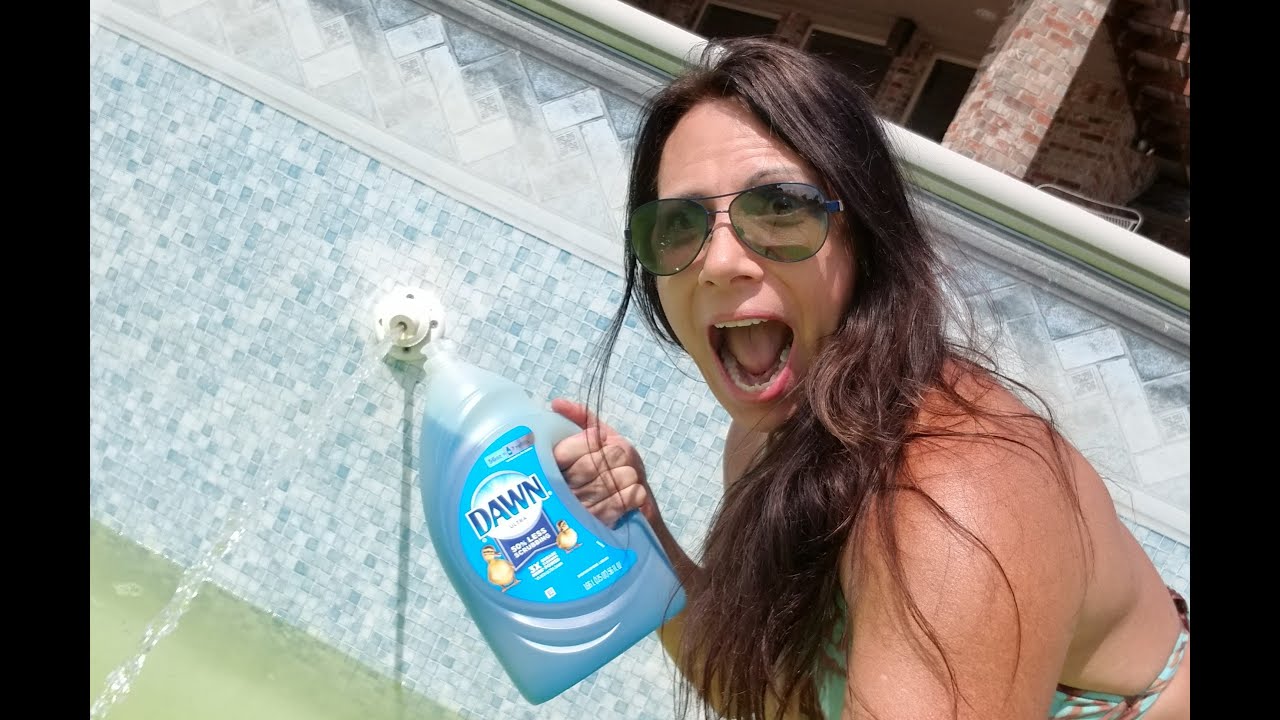
Many pool owners search for simple and affordable solutions to keep their pool water clean. One popular topic that often comes up is using Dawn dish soap in pool water. People hear stories or see social media videos showing how adding a bit of dish soap can clear up murky water or remove floating debris. It sounds quick and cheap, but is it really a good idea? Understanding what actually happens when you put Dawn dish soap in a pool can save you time, money, and possible headaches.
Let’s dive deep into how dish soap interacts with pool water, why some people try it, the possible risks, and better alternatives for pool maintenance. This guide will also answer common questions so you can make the best decision for your pool.
Why People Consider Using Dawn Dish Soap In Pools
Many pool owners want clear, sparkling water. When leaves, pollen, or oils float on the surface, it can look dirty or uninviting. Some turn to Dawn dish soap because:
- Viral Tips: Social media videos claim a few drops of Dawn will “magically” gather debris.
- Price: Dawn is much cheaper than pool chemicals.
- Availability: Most homes already have dish soap on hand.
- Mild Formula: Dawn is known for cleaning wildlife after oil spills, so people think it is gentle.
People are always looking for shortcuts, especially if they are faced with a sudden mess before a party or family swim. These reasons can seem convincing, but there is more to the story.
What Happens When You Add Dawn Dish Soap To Pool Water
The main job of dish soap is to break down oils and fats. When you pour even a small amount into your pool, this is what usually happens:
- Surface tension changes: The soap reduces the tension, causing oils and debris to clump together.
- Cloudy water: Instead of removing dirt, the soap suspends it in the water.
- Foam and bubbles: Suds may cover the pool, making it look like a giant bubble bath.
While it might seem like the soap is cleaning, it’s mostly moving the problem around. The water may look less oily at first, but now you have a new problem: soapy, foamy water.
A Closer Look At Soap Chemistry
Dawn and other dish soaps contain surfactants—chemicals that help water mix with grease and dirt. In a sink, this is great. In a pool, these surfactants upset the pool’s chemical balance. They react with chlorine and can even feed bacteria if left untreated.
The Real Effects Of Dawn Dish Soap On Pool Water Quality
Adding Dawn dish soap to your pool can have several unexpected effects:
- Foam Buildup: The most visible problem is foam. Even one tablespoon in a medium-sized pool can lead to a thick layer of suds.
- Chlorine Consumption: Soaps and detergents use up free chlorine, making your pool less safe by lowering its sanitizing power.
- Filter Clogging: Foam and soap residues can clog filters, reducing their efficiency.
- Algae Risk: Lower chlorine and organic soap residues can encourage algae growth.
- Unbalanced Water: PH and alkalinity levels can swing, making water uncomfortable and possibly unsafe for swimmers.
Here’s a comparison of what to expect when using Dawn dish soap versus traditional pool clarifiers:
| Effect | Dawn Dish Soap | Pool Clarifier |
|---|---|---|
| Removes Oils | Yes (but leaves residue) | Yes (no residue) |
| Foam Creation | High | Low |
| Chlorine Impact | Reduces chlorine | No effect |
| Filter Safety | Can clog filter | Safe for filters |
| Water Clarity | Cloudy/foamy | Clear |
Safety Concerns: Is Dawn Dish Soap Dangerous In Pools?
Dawn is famous for being gentle, but pools are not the same as bathtubs or sinks. Here’s why you should think twice:
- Irritation: Soap residues can cause eye and skin irritation, especially for children or people with sensitive skin.
- Slippery Surfaces: Soap makes surfaces slippery, increasing the risk of accidents.
- Chemical Reactions: When soap interacts with chlorine, it can create byproducts you do not want in your pool.
- Health Risks: Inhaling mist or bubbles with soap can lead to coughing or even mild respiratory distress in sensitive individuals.
Even though Dawn is less toxic than some cleaners, it is not approved or tested for swimming pool use. The Environmental Protection Agency (EPA) and pool industry experts recommend only using products made for pools.
Environmental Impact Of Dish Soap In Pools
Most people don’t realize what happens to pool water when it is drained. Soap residues can:
- Harm Plants and Lawns: Runoff with surfactants can damage grass and garden beds.
- Pollute Local Waterways: Small amounts may enter storm drains, affecting local streams or rivers.
- Affect Wildlife: Even “gentle” soaps can harm aquatic life in larger doses.
If you use Dawn in your pool, you must be extra careful about where and how you drain the water.
Common Scenarios: Why And When People Try Dish Soap
Let’s look at some typical cases where pool owners consider using Dawn dish soap:
- After a Pool Party: Sunscreen and body oils leave an oily film on the surface.
- Pollen Season: Floating pollen makes the pool look dirty.
- Debris on Water: Leaves, twigs, or dust gather in corners.
- Quick Fix Before Guests Arrive: Owners want fast results and don’t have time for a full cleaning cycle.
- Social Media Challenges: Viral “hacks” encourage trying unusual cleaning methods.
In all these cases, the goal is to clear the surface fast. But as you’ve seen, dish soap is not the best answer.
What To Do If You Accidentally Added Dawn Dish Soap
Accidents happen. Maybe someone thought they were helping, or a child poured some soap in the pool. Don’t panic—here’s what to do:
- Stop the Pool Pump: You want to avoid spreading the soap further.
- Skim the Surface: Use a skimmer or bucket to remove as much foam as possible.
- Dilute: Add fresh water if possible to reduce soap concentration.
- Run the Filter: After removing surface foam, let the filter catch small particles.
- Shock the Pool: Add extra chlorine to break down soap molecules.
- Monitor: Test pH and chlorine levels for the next few days.
If the problem is severe, you may need to partially drain and refill your pool.
Better Alternatives To Dawn Dish Soap For Pool Cleaning
There are safer, more effective ways to keep your pool clean without the risks of dish soap.
Pool Skimmers And Nets
A manual or automatic surface skimmer is designed to collect leaves, pollen, and oils. It’s the first tool you should use.
Pool Clarifiers
These are special chemicals that cause small particles to clump together, making it easier for your filter to catch them. They don’t create foam or harm water balance.
Enzyme-based Products
Enzymes break down oils, lotions, and organic debris. They are gentle on water chemistry and safe for swimmers.
Pool Shocks
A regular “shock” treatment with chlorine or non-chlorine oxidizers destroys organic contaminants that cause cloudy water.
Robotic Pool Cleaners
These devices scrub the floor and walls, removing debris without chemicals.
Regular Maintenance
The best way to avoid problems is a schedule of:
- Skimming daily
- Vacuuming weekly
- Checking and adjusting chemicals regularly
Here’s a quick comparison of cleaning methods:
| Method | Removes Debris | Affects Water Balance | Safe for Swimmers |
|---|---|---|---|
| Dawn Dish Soap | Partially | Yes (negative) | No |
| Pool Skimmer | Yes | No | Yes |
| Clarifier | Yes | No | Yes |
| Enzymes | Yes | No | Yes |
| Shock | Yes | Yes (positive) | Yes (after waiting period) |
Myths And Misunderstandings About Dawn Dish Soap In Pools
It’s easy to fall for online advice, but let’s clear up some common myths:
- “Dawn is safe because it’s gentle.” While it’s gentle for dishes and wildlife, that doesn’t mean it’s safe for pool chemistry or human eyes.
- “Soap disappears quickly.” In reality, soap can linger for days, especially in large bodies of water.
- “It’s a cheap clarifier.” Pool clarifiers are actually more effective and don’t create side effects.
- “A small amount won’t hurt.” Even a teaspoon can lower chlorine and cause foaming.
A surprising insight: pool water can sometimes look cleaner right after adding soap, but this effect is temporary and masks bigger problems.
How To Prevent Surface Debris And Oil Without Using Dish Soap
Instead of reaching for the kitchen sink, try these strategies:
- Encourage Showers Before Swimming: Rinsing off sunscreen and sweat reduces oils in the pool.
- Install a Solar Cover: When not in use, a cover keeps leaves and pollen out.
- Use Pool Socks: These mesh bags fit into skimmer baskets and catch fine debris.
- Check and Clean Filters Regularly: A clean filter keeps water moving and captures more particles.
- Trim Nearby Trees: Less plant material means less mess.
- Adjust Pool Circulation: Make sure your jets are moving water across the surface.
These proactive steps are long-term solutions that don’t risk water quality.
The Science Behind Pool Water Balance And Contamination
Pools are small ecosystems. Proper water balance is the key to a healthy, clear pool. Here’s why:
- Chlorine kills bacteria and algae.
- PH keeps water comfortable and prevents equipment damage.
- Alkalinity stabilizes pH swings.
- Cyanuric Acid protects chlorine from sunlight.
When you add dish soap, you disrupt this balance. The soap uses up chlorine and may lower pH, making it easier for algae and bacteria to grow.
Here’s a look at typical pool water chemistry and what happens after adding dish soap:
| Parameter | Ideal Range | After Dish Soap |
|---|---|---|
| Free Chlorine | 1-3 ppm | Often drops below 1 ppm |
| pH | 7.2-7.8 | Can drop or rise unpredictably |
| Foam/Bubbles | None | High |
| Water Clarity | Clear | Cloudy |
Real-life Examples: What Pool Owners Experienced
It’s helpful to see what happened to others who tried using Dawn dish soap in their pools:
Case 1: Suburban Family Pool
A parent added two tablespoons of Dawn to remove a slick surface. The water foamed for three days, and the filter stopped working. After two partial drains and several shocks, the pool was safe again, but it took a week.
Case 2: Community Center
A staff member followed a viral tip and added dish soap before a swim class. Many children developed itchy eyes. The pool had to be closed for cleaning.
Case 3: Small Above-Ground Pool
A homeowner used Dawn to clear pollen. The water turned cloudy, and the pool needed a full drain and refill, costing extra on the water bill.
The lesson: quick fixes can lead to longer, more expensive problems.
Credit: www.youtube.com
Expert Opinions: What Pool Professionals Say
Industry experts and organizations like the Pool & Hot Tub Alliance strongly advise against using dish soap in pools. Their reasons include:
- It is not designed for pool water.
- It interferes with filtration and sanitization.
- It creates extra work and expense to remove.
Instead, they recommend using products made for pools and following a regular maintenance schedule. For more detailed information, you can read guidelines from the Centers for Disease Control and Prevention (CDC).
What To Use Instead: Safe And Effective Pool Cleaners
Here are a few products designed for pool cleaning, and why they are better:
- Pool Enzyme Cleaners: Break down oils safely.
- Clarifiers: Group tiny particles so the filter can remove them.
- Flocculants: Sink debris to the bottom for easy vacuuming.
- Pool Brushes and Vacs: Remove algae and dirt from surfaces.
These products are tested for safety and effectiveness. They will not cause foaming or disrupt water balance if used as directed.

Credit: flocodeckingsystems.com
Cost Comparison: Dish Soap Vs. Proper Pool Chemicals
It might seem cheaper to use Dawn, but the long-term costs can be much higher. Here’s why:
- Filter damage: Replacing a clogged filter can cost $50–$200.
- Water replacement: Draining and refilling a pool is expensive, especially in areas with water restrictions.
- Extra chemicals: You may need more chlorine and pH balancers to fix problems.
- Time lost: You may lose days of swimming.
In the end, buying a $10 bottle of pool clarifier or enzyme is often less expensive and saves frustration.
Non-obvious Insights Most Beginners Miss
- Soap Residue Hides Deeper Problems: The foam may cover up but not solve issues like poor filtration or high organic load.
- Soaps Feed Bacteria: Some dish soap ingredients are organic and can become food for bacteria if chlorine is low.
- Filters Can Be Hard to Clean: Once soap clogs a filter, it may never work as efficiently, even after cleaning.
- Rain and Refill Multiply the Issue: If you top off a soapy pool with rainwater or a hose, foam can return or spread.
Credit: poolcoversbc.ca
Final Thoughts: Is Dawn Dish Soap In Pool Ever A Good Idea?
While the idea of using Dawn dish soap in pool water might sound clever, it’s rarely a smart move. The risks—including foam, cloudy water, chemical imbalance, and health hazards—far outweigh any short-term benefits. Pool chemistry is delicate, and even a small amount of dish soap can create big problems.
Stick with products designed for pools, practice good maintenance, and remember that shortcuts often lead to more work in the long run. Clear, healthy water is worth the right effort.
Frequently Asked Questions
Is Dawn Dish Soap Safe For Swimming Pools?
No, Dawn dish soap is not safe for swimming pools. It creates foam, lowers chlorine, can cause irritation, and may damage equipment. Always use cleaners made for pools.
What Should I Do If Someone Accidentally Puts Dish Soap In The Pool?
Stop the pump, skim off foam, dilute with fresh water, run the filter, and shock the pool. Check chemical levels and avoid swimming until water is clear and balanced.
Can A Small Amount Of Dish Soap Really Cause Problems?
Yes. Even a teaspoon of dish soap can create noticeable foam and disrupt pool chemistry. The effects are stronger in smaller pools or hot tubs.
What’s The Best Way To Remove Oily Films From Pool Water?
Use a pool skimmer, enzyme cleaner, or clarifier. Encourage swimmers to shower before entering and keep filters clean.
Are There Any Household Products Safe To Use In Pools?
No. Only use products specifically labeled for pool use. Household cleaners, including Dawn, are not tested or approved for pool water and can cause harm.
For more guidance, consult the CDC’s pool maintenance resources or speak with a pool professional. With the right tools and habits, you can enjoy a sparkling pool—no dish soap required.