
Can You Vent Plumbing Into Attic
If you’ve ever tried to update your home’s plumbing, you know vent pipes are a big part of the system. Sometimes, people wonder if they can just vent plumbing into the attic instead of running pipes all the way through the roof.
It sounds easier and cheaper, but is it actually safe or allowed? This is a common question for both DIYers and homeowners who want to avoid cutting holes in their roof.
The answer is not as simple as a yes or no. Plumbing vents play a key role in keeping your drains running smoothly and your home safe from sewer gas. The way you vent can affect your home’s air quality, your health, and even your property value.
Making the wrong choice can lead to expensive problems and code violations.
Let’s take a close look at what happens if you vent plumbing into the attic, what building codes say, possible risks, and smarter solutions. With clear examples and real-world advice, you’ll understand exactly what’s at stake—and how to do it right.
What Is A Plumbing Vent And Why Is It Important?
Plumbing vents, also called vent stacks or vent pipes, are vertical pipes that connect your plumbing fixtures to the outside air. Their main purpose is to allow air into the drainage system. This keeps water in the traps (the U-shaped pipes under your sinks and toilets), which blocks sewer gas from entering your home.
Without proper venting, water draining from one fixture could siphon water from another trap, breaking the seal and letting dangerous gases escape. Vents also help waste water flow smoothly by preventing air pressure problems in the pipes.
How Plumbing Vents Work
Imagine pouring water from a bottle with a narrow neck. If there’s no airflow, the water “glugs” out slowly. But poke a hole in the top, and it pours out smoothly. Plumbing works the same way. Vents let air in so water and waste can flow out.
Types Of Plumbing Vents
- Main vent stack: Runs vertically up through the house, usually through the roof.
- Auxiliary vents: Smaller pipes that connect to the main stack.
- Air admittance valves (AAVs): Mechanical devices that let air in but keep gases out.
Each type has its place, but all are designed to keep your drainage system balanced and safe.
Common Reasons People Want To Vent Into The Attic
Why do some homeowners consider venting plumbing into the attic? The main reasons are cost, convenience, and fear of leaks.
- Avoiding roof penetrations: Cutting a hole in the roof can cause leaks if not done correctly.
- Easier installation: It’s less work to end a pipe in the attic than run it outside.
- Aesthetics: Some people don’t like the look of vent pipes on their roof.
But just because it seems easier does not mean it’s safe or legal.
Building Codes And Legal Requirements
The rules for plumbing vents are strict for a reason. Most places in North America follow the International Residential Code (IRC) or Uniform Plumbing Code (UPC). These codes are enforced by local building inspectors.
What The Codes Say
Both the IRC and UPC require plumbing vents to terminate outdoors—usually at least 6 inches above the roof. Some key rules:
- Vents must not end in attics, crawl spaces, or walls.
- Vents must open to the outside air.
- Vents must be a set distance from windows, doors, or air intakes (often 10 feet).
The reason is simple: venting into the attic is not safe. It is a code violation in almost every city and state.
Example: Irc Section P3103.1
> “All open vent pipes that extend through a roof shall be terminated at least 6 inches above the roof…Vents shall not terminate in an attic or other enclosed space. ”
If you ignore these rules, you risk failing inspection, being forced to redo the work, and even lowering your home’s value.
What Can Go Wrong If You Vent Into The Attic?
It’s tempting to think, “What’s the worst that could happen? ” The truth is, venting into the attic can cause serious problems. Let’s break down the main risks.
1. Dangerous Sewer Gas
Sewer gases contain methane, ammonia, and hydrogen sulfide. These are not just unpleasant—they can be poisonous or explosive in high amounts. Even small leaks can cause headaches, nausea, or worse.
When you vent into the attic, these gases can build up over time. They may seep into your living space through cracks, lighting fixtures, or air ducts. This is a real danger, especially for children, elderly people, or anyone with breathing problems.
2. Moisture And Mold
Plumbing vents also let out moisture. If you vent into the attic, that moisture can condense on rafters, insulation, or roof sheathing. Over time, this creates the perfect environment for mold and wood rot.
Mold is a health hazard and can ruin your attic insulation or even your roof’s structure. Repairs are expensive, and insurance often won’t cover damage caused by code violations.
3. Fire And Explosion Risk
Methane, one of the main gases in sewer air, is flammable. In rare cases, a spark in the attic could ignite gas and cause an explosion. This risk is higher in tightly sealed modern homes.
4. Code Violations And Home Value
If you ever try to sell your house, a home inspector will spot attic-vented plumbing immediately. You’ll be required to fix it before selling, and it may scare off buyers. In some cases, insurance could deny claims if a fire or mold problem is linked to illegal venting.
5. Ineffective Drainage
Without a proper roof vent, your drains may run slowly, make gurgling sounds, or even back up. You might notice sewer smells in bathrooms or kitchens. This is often the first sign something is wrong.
What About Air Admittance Valves (aavs)?
Some modern homes use air admittance valves to avoid running pipes through the roof. These are mechanical devices that let air in but keep gases out.
AAVs can be installed in attics, but only if allowed by local code. They must be:
- Labeled as approved for use (e.g., UPC or ASSE 1051/1050).
- Placed in accessible locations for inspection and maintenance.
- Not used as the only vent for the whole system—usually, at least one pipe must still vent outside.
AAVs are not a free pass to ignore outdoor venting. They are a partial solution for special cases, not a replacement for main vents.
Real-world Examples And Case Studies
Hearing about the risks is one thing, but real examples show why codes exist.
Example 1: The Moldy Attic
A homeowner in Ohio vented a bathroom sink into the attic to avoid roof work. Within two years, black mold covered the rafters and insulation. The smell spread through the house. A $7,000 repair was needed to remove mold and re-insulate.
Insurance did not pay because the work was not up to code.
Example 2: Inspection Disaster
A home seller in Florida failed a pre-sale inspection because the kitchen drain vented into the attic. The sale fell through, and the owner had to pay a plumber to re-pipe the vent to the roof, costing over $2,000.
Example 3: Carbon Monoxide Danger
In one rare but serious case, a blocked vent pipe in the attic allowed sewer gas to enter a baby’s nursery through a ceiling vent, causing health problems. The family only discovered the issue after repeated doctor visits.
These examples show the hidden costs of “easy” solutions.
Alternatives To Venting Into The Attic
If you want to avoid running pipes through your roof, there are better, safer options.
1. Proper Roof Venting
The best and most reliable solution is to run the vent pipe straight up and out through the roof. Modern flashing systems make this safer than ever. A professional roofer can seal the hole to prevent leaks.
2. Sidewall Venting (in Special Cases)
Some codes allow vent pipes to terminate through a side wall, if there is no practical roof access. The exit must be well above windows and air intakes. Check with your local building department before considering this option.
3. Air Admittance Valves
As mentioned earlier, AAVs can be used for some fixtures, but only with local approval. They are good for island sinks or remote bathrooms, but not as the only vent for a whole system.
4. Combine Vents
Sometimes, you can tie several fixture vents together below the attic and run one larger pipe to the roof. This reduces the number of roof penetrations without breaking code.
5. Use Existing Roof Vents
If your home already has unused roof vents (for old plumbing or ventilation), a plumber may be able to reuse one for your new vent line, saving time and money.
Comparison: Venting Options
To help you see the pros and cons, here’s a quick comparison of the most common venting options:
| Venting Method | Code Compliance | Cost | Risk | Maintenance |
|---|---|---|---|---|
| Roof Vent | Yes | Medium | Low | Low |
| Attic Vent | No | Low (initially) | High (mold, gas) | High |
| Sidewall Vent | Sometimes | Medium | Medium | Medium |
| Air Admittance Valve | Sometimes | Low | Medium (mechanical failure) | Medium |
Key Considerations Before Making A Decision
Before you do any plumbing work, consider these factors:
Local Building Codes
Always check with your local building department. Codes can differ by city, county, or state. Inspectors may require drawings or permits. Following the rules saves money and headaches.
Health And Safety
Shortcuts can put your family’s health at risk. Sewer gas is not just smelly—it can make people sick or even be deadly in rare cases. Always prioritize safety.
Long-term Cost
A “cheap” shortcut can end up costing much more in repairs, lost home value, or legal trouble. Doing it right the first time is always cheaper in the long run.
Home Insurance
Most insurance policies require you to follow code. If you have an illegal vent, your coverage could be denied for related damage.
Common Mistakes When Venting Plumbing
Many DIYers and even some contractors make avoidable errors. Here are the most frequent:
- Ending vents in the attic instead of running outside.
- Using the wrong size vent pipe—too small can cause blockages, too large is a waste.
- Placing vents too close to windows or air intakes, which can let gases back into the house.
- Ignoring AAV maintenance—these valves can fail and should be checked regularly.
- Not checking local codes—what’s allowed in one city may not be allowed in another.
How To Properly Install A Plumbing Vent
If you want to do the job right, here’s a step-by-step guide to installing a basic roof vent.
Tools And Materials Needed
- Pipe (usually PVC or ABS, size per code)
- Roof flashing
- Roof sealant
- Saw or pipe cutter
- Pipe hangers/supports
- Drill (for framing, if needed)
- Safety gear (gloves, goggles)
Steps
- Plan the Route: Find the shortest, straightest path from the fixture to the roof.
- Cut the Hole: Mark the roof location, drill a pilot hole, then cut the correct size opening.
- Run the Pipe: Attach the vent pipe from the fixture up through the attic and out the roof.
- Install Flashing: Slide the flashing over the pipe on the roof, under the shingles above, and over the shingles below. This keeps water out.
- Seal the Joint: Use roof sealant around the pipe and flashing.
- Secure the Pipe: Use hangers in the attic to keep the pipe steady.
- Check for Leaks: Run water through the system and inspect for any signs of leaks or blockages.
- Schedule Inspection: If required, have your work checked by a building inspector.
Practical Tips
- Try to keep vent pipes as vertical as possible—bends can cause clogs.
- Keep the pipe at least 6 inches above the roof, or more if local code requires.
- Use only approved materials—no “mix and match” plumbing parts.
Data: Common Plumbing Vent Problems
Here’s a quick look at issues seen in homes with improper venting:
| Problem | Percent of Cases | Main Cause |
|---|---|---|
| Mold in Attic | 48% | Venting into attic |
| Sewer Odor Indoors | 36% | Broken or missing vent pipe |
| Clogged Drains | 22% | Improper vent sizing |
| Inspection Failure | 27% | Code violations |
These numbers are based on home inspection reports and plumbing company service calls. They show that attic venting is a leading cause of attic mold and sewer odor.
Why Attic Venting Seems Like A Good Idea (but Isn’t)
Many people believe attic venting is “good enough” because the attic is ventilated, or the smell will be hidden. But two key insights are often missed:
- Attic vents are not designed for sewer gas. They are meant for heat and moisture from the house, not toxic gases.
- Even small gaps can let gases into living spaces. Attic air is often pulled into bedrooms or bathrooms through tiny cracks, especially in winter.
These hidden pathways make attic venting risky, even if you don’t notice problems right away.
Expert Advice: When In Doubt, Ask
If you’re not sure how to vent your plumbing, talk to a licensed plumber or your local building office. A quick call can save you thousands of dollars and protect your home.
Some building departments have free guides or checklists for homeowners. Many even allow you to email photos of your plan for quick feedback.
If you’re hiring a contractor, ask for references and check their license. Don’t assume they will always follow code—double-check the work before final payment.

Credit: www.reddit.com
Additional Resources
For more technical information, the Wikipedia: Drain-waste-vent system page offers diagrams and code references.
Frequently Asked Questions
What Is The Main Danger Of Venting Plumbing Into The Attic?
The biggest risk is sewer gas entering your home. These gases can cause health problems, fire risk, and strong odors. Moisture from vented air can also create mold and wood rot in your attic, damaging your home and lowering its value.
Are There Any Legal Ways To Avoid Roof Venting?
Some areas allow air admittance valves (AAVs) for certain fixtures, but at least one main vent must go outside. Sidewall venting is sometimes allowed by code, but you must check with your local building department first.

Credit: forum.nachi.org
Can I Use An Air Admittance Valve In The Attic?
Yes, but only if it’s approved for your area and installed correctly. The valve must be accessible for inspection and repair. It cannot replace all roof vents—at least one vent pipe must usually go outside.
How Can I Tell If My Home Has An Attic-vented Plumbing System?
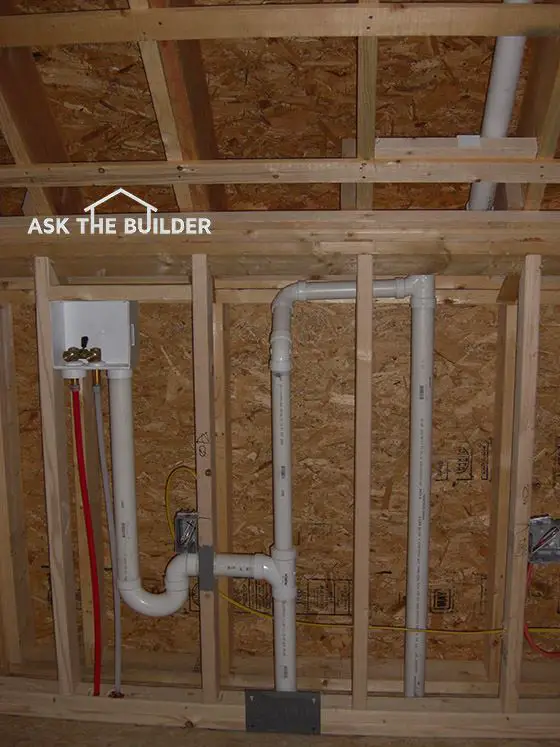
Look for pipes ending in the attic with no extension through the roof. Signs of a problem include sewer smells in upper rooms, mold or moisture in the attic, and slow drains. If you’re unsure, a home inspector or plumber can check for you.
Credit: www.askthebuilder.com
Will My Home Insurance Cover Damage From Illegal Venting?
Usually not. If your insurance company finds out the damage is from a code violation, they may deny your claim. This includes mold, fire, or water damage linked to attic venting.
Final Thoughts
Venting plumbing into the attic may seem like a quick fix, but the risks far outweigh the benefits. Building codes are clear: vent pipes must exit to the outdoors. Cutting corners can lead to health hazards, expensive repairs, and legal trouble.
The best approach is to follow code, use proper materials, and ask for help if needed. Safe venting keeps your home healthy, protects your investment, and avoids surprises when it’s time to sell. If you’re planning a project, take the time to do it right—and you’ll never have to worry about what’s lurking in your attic.