
Many pool owners today are rethinking how they heat their swimming pools. With energy costs rising and environmental concerns growing, switching from a gas pool heater to electric is becoming a popular choice. This move promises cleaner energy, lower maintenance, and in many cases, long-term savings. But the process involves much more than just swapping machines. You need to understand the technical, financial, and practical sides before making the leap.
If you’re considering this change, you’re not alone. Many people want to reduce their carbon footprint, take advantage of new technology, or avoid the unpredictability of gas prices. But questions remain: How hard is the conversion? What’s the real cost? Will your pool ever feel as warm again? And is it actually worth it for your unique situation?
This guide takes a deep dive into everything you need to know about converting a gas pool heater to electric. You’ll learn the differences between heater types, how to plan your upgrade, step-by-step installation insights, hidden challenges, cost breakdowns, and tips that even seasoned pool owners often miss.
By the end, you’ll have the clarity to decide if this switch fits your needs—and how to do it right.
Why Switch From Gas To Electric Pool Heating?
Switching from gas to electric pool heating is more than a trend; it’s a response to changing energy realities. Here’s what motivates most pool owners:
- Energy Efficiency: Electric pool heaters, especially heat pumps, can be up to 400% efficient. This means for every unit of electricity, you can get up to four units of heat energy delivered to your pool.
- Environmental Impact: Gas heaters burn fossil fuels, releasing CO2 and other pollutants. Electric models, especially if paired with solar or clean grid energy, have a much lower carbon footprint.
- Long-Term Costs: While electric heaters may cost more upfront, they often pay off with lower monthly bills and fewer repairs.
- Maintenance: Gas heaters have more moving parts, corrosion issues, and venting requirements. Electric models are simpler and generally last longer.
- Safety: There’s no risk of gas leaks, combustion, or carbon monoxide with electric heaters.
But there are also challenges—especially in cold climates or with very large pools—where gas can sometimes heat water faster.
Understanding Your Pool Heating Options
Before you remove your gas heater, it’s smart to know the electric options you have.
Electric Resistance Heaters
These use electrical currents to create heat, which is then passed into your pool water. They’re simple, reliable, and work well for small pools or spas. But they use a lot of electricity and aren’t the most efficient for large pools.
- Pros: Simple, no moving parts, heats quickly
- Cons: High energy use, expensive for large pools
Electric Heat Pumps
These work like reverse air conditioners, pulling heat from the outside air and transferring it into the pool water. They’re much more energy-efficient but heat water more slowly.
- Pros: Very efficient (COP of 3–6), lower operating costs, environmentally friendly
- Cons: Higher upfront cost, slower heating, less effective in very cold weather
Solar Pool Heaters
Solar heaters use the sun’s energy to warm your pool. They’re not technically electric but are often considered in the same upgrade conversation.
- Pros: Very low operating cost, green energy, long lifespan
- Cons: Weather dependent, high initial setup, requires roof or yard space
Most pool owners choose a heat pump for the best balance of cost and performance, especially in mild to warm climates.
Evaluating If A Conversion Is Right For You
Not every pool or owner will benefit equally from changing to electric heating. Consider these factors:
- Climate: In areas where outdoor temperatures rarely drop below 50°F (10°C), heat pumps perform very well. In colder climates, electric resistance or hybrid options might be needed.
- Pool Size: Larger pools need more heating power. Oversizing your heater “just in case” wastes money, but undersizing means a cold pool and high bills.
- Usage Patterns: Do you swim year-round, or just for a few months? Occasional users may do fine with a smaller, slower heater.
- Local Electricity Rates: If your electricity costs are very high, running an electric heater may not save money versus gas.
- Existing Infrastructure: Upgrading to electric may require new wiring, a bigger circuit breaker, or other electrical work. This can add to the total cost.
Insider Tip: Many people forget to check if their home’s electrical system can handle the new heater. Upgrades to the main panel can add $1,000–$3,000 to your project.
Planning Your Pool Heater Conversion
A successful conversion starts with careful planning. Here’s what you need to do before touching your old heater.
1. Calculate Your Heating Needs
Every pool is different. The size, shape, average wind exposure, insulation, and how warm you want your pool all affect heater size.
- Pool volume: Calculate gallons (Length × Width × Average Depth × 7.5).
- Desired temperature rise: Difference between current water temp and your target.
- Heating speed: Do you want the pool ready in hours, or is a slow rise okay?
Most heat pump manufacturers have online calculators to help you size your heater. As a rule of thumb, a standard residential pool (15,000–20,000 gallons) needs a 100,000–120,000 BTU (about 8–10 kW) heat pump.
2. Assess Your Electrical System
Check your main electrical panel:
- Is there space for a 240V double-pole breaker?
- Can your existing wiring handle the heater’s amps?
- Do you need a new subpanel or dedicated circuit?
Hiring a licensed electrician is strongly recommended. Running heavy-gauge wire and installing GFCI protection is not a DIY project for most people.
3. Get Permits And Approvals
Most local codes require permits for electrical work and pool heater changes. Failing to get them can cause headaches if you ever sell your home or need insurance.
- Contact your city’s building department.
- Ask your pool company about local requirements.
4. Choose Your Heater
Compare models based on:
- Capacity (BTU or kW)
- Efficiency (COP rating)
- Brand reliability and warranty
- Features (digital controls, Wi-Fi, defrost mode, etc.)
Don’t just buy the cheapest model—pay attention to after-sales support and service.
5. Plan For Removal And Installation
Think through logistics:
- Where will the new heater sit? (Electric units need good airflow.)
- How will you remove the old gas lines safely?
- Where will the new electrical run go?
- Will the plumbing need rerouting?
Non-obvious Insight: Some electric heaters are much larger physically than gas models. Measure the space to avoid surprises.
The Conversion Process: Step-by-step
Switching from gas to electric heating is a multi-stage project. Here’s how it usually unfolds.
Step 1: Turn Off Utilities
- Shut off the gas supply at the main valve.
- Turn off electrical circuits to the existing heater.
Step 2: Remove The Old Gas Heater
- Disconnect the gas line (cap it securely, as per code).
- Detach water pipes (drain pool water from the heater first).
- Disconnect electrical connections (if any—many gas heaters have 120V controls).
Dispose of the heater according to local regulations. Old units often contain metal, which can be recycled.
Step 3: Prepare The Site
- Ensure the pad or slab is level and strong enough for the new heater.
- Clear debris and allow enough space for airflow (for heat pumps).
- Check plumbing: Electric heaters often use the same pipe sizes as gas, but adaptors may be needed.
Step 4: Install Electrical Wiring
- Run new wiring from the main panel to the heater location.
- Install a dedicated breaker of the correct size.
- Add a disconnect box within sight of the heater.
- Wire the unit as per manufacturer’s instructions.
This is a job for a licensed electrician, as mistakes can cause fire or electrocution.
Step 5: Install The Electric Heater
- Place the heater on the pad.
- Connect water inlet and outlet pipes (use PVC rated for pool temperature and pressure).
- Tighten all connections and check for leaks.
- Wire the control cables (if needed).
Step 6: Startup And Testing
- Prime the pump and fill the system with water.
- Turn on the power at the breaker.
- Set the desired temperature on the heater.
- Check for leaks, error codes, and correct operation.
Let the system run and monitor temperature rise. It can take 12–48 hours to warm a full pool, depending on the model and weather.
Non-obvious Insight: Most heat pumps need at least 18 inches of space around them for airflow. Don’t block with bushes or walls, or efficiency will drop.
Comparing Gas Vs Electric Pool Heaters
Understanding the main differences can help you set expectations.
| Feature | Gas Heater | Electric Heater (Heat Pump) |
|---|---|---|
| Heating Speed | Fast (2–4°F/hr) | Moderate (1–1.5°F/hr) |
| Efficiency | 80–90% | 300–600% (COP 3–6) |
| Operating Cost | High (depends on gas price) | Lower (depends on electric rate) |
| Maintenance | Annual service needed | Minimal |
| Lifespan | 7–10 years | 10–20 years |
| Environmental Impact | High CO2 emissions | Low (especially with clean energy) |
Cost Breakdown: Upfront And Long-term
Many pool owners underestimate the true cost of switching.
Upfront Costs
- Electric Heat Pump Heater: $2,500–$5,000 (unit only)
- Installation (electrician, plumbing): $1,500–$4,000
- Panel Upgrades (if needed): $1,000–$3,000
- Permits/inspections: $100–$500
Total typical range: $4,100 to $12,500
Operating Costs
Average U.S. pool (15,000–20,000 gallons):
- Gas heater: $200–$400/month (depending on gas price)
- Electric heat pump: $50–$150/month (depending on electric rate)
- Electric resistance heater: $300–$600/month (rare for large pools)
Electric heat pumps are much cheaper to run, especially in mild climates.
Maintenance And Lifespan
- Gas heaters need yearly service and parts replacement.
- Electric heaters mainly need airflow kept clear and occasional coil cleaning.
Example: Over 10 years, a gas heater might cost $15,000–$20,000 in fuel and maintenance; an electric heat pump might cost $7,000–$10,000.
Installation Challenges And How To Solve Them
Most problems come from poor planning or underestimating the work. Here’s what to watch for:
Electrical Upgrades
Many older homes have 100-amp main panels, which may not support a large pool heater. Upgrading to 200 amps can cost thousands and may require utility approval.
Tip: Have an electrician do a full load calculation before buying your heater.
Physical Space
Some heat pumps are almost twice the size of gas heaters. Outdoor placement is critical—they need airflow and should be away from windows (noise).
Plumbing Adaptation
If your old heater used metal pipes, you may need to switch to PVC or CPVC. Make sure all joints are rated for pool chemicals and pressure.
Weather And Location
In cold climates, heat pumps may struggle during early spring or late fall. Some models have defrost cycles, but efficiency drops with air temperature.
Pro Insight: If you live in a chilly area, consider a hybrid setup—keeping a small gas heater for emergencies or quick heating, and using electric for daily use.
Noise
Heat pumps have fans and compressors—usually quieter than gas burners, but not silent. Check decibel ratings before buying if noise is a concern.
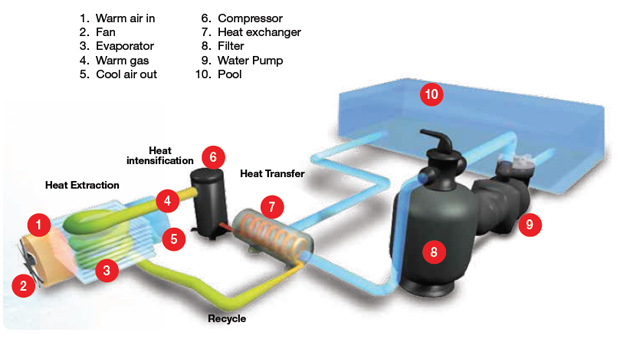
Credit: www.energy.gov
Maximizing Electric Pool Heater Performance
A well-installed heater is only half the battle. Use these strategies to get the most out of your investment:
1. Use A Pool Cover
Up to 70% of heat loss is from evaporation. A good cover can cut heating costs by half and keep debris out.
2. Set A Realistic Temperature
Every degree higher adds to your energy bill. Most pools feel comfortable at 78–82°F (25–28°C). Avoid cranking it up “just in case. ”
3. Run The Heater During Off-peak Hours
Some utilities offer lower rates at night. If you have a time-of-use plan, set your heater to run then.
4. Maintain Clear Airflow
Keep leaves, grass, and furniture away from your heat pump. Dirty coils or blocked fans reduce efficiency.
5. Schedule Regular Checkups
A yearly inspection can catch small problems before they become big, expensive issues.
Environmental Impact: Is Electric Really Greener?
Switching to electric heating can cut your pool’s carbon footprint—but it depends on where your electricity comes from.
- If your grid uses coal or oil, the difference is smaller.
- If you have solar panels or buy green energy, the impact is much larger.
Fact: According to the U.S. Department of Energy, electric heat pumps can reduce greenhouse gas emissions by up to 60% compared to gas heaters in areas with a clean energy grid.
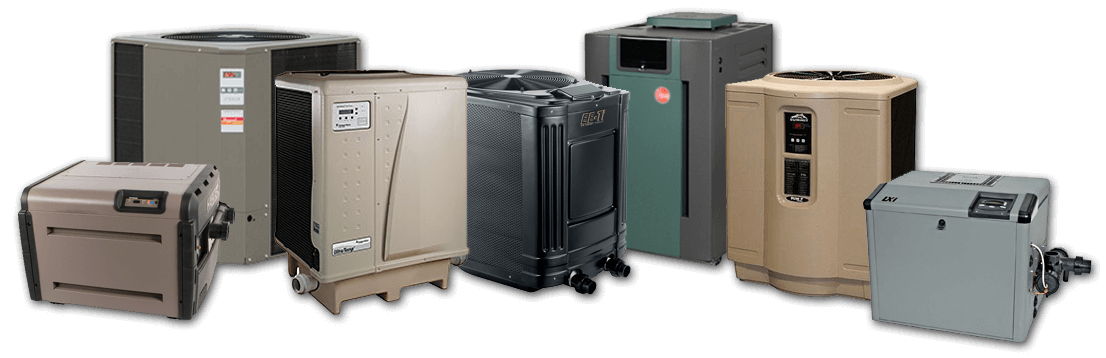
Credit: intheswim.com
Common Mistakes To Avoid
Even experienced pool owners sometimes make these errors:
- Under-sizing the Heater: A too-small heater will struggle, run constantly, and wear out early.
- Skipping Permits: Unpermitted work can void insurance and cause legal trouble.
- Ignoring Electrical Limits: Overloading your panel is a safety risk.
- Poor Heater Placement: Blocking airflow kills efficiency.
- Neglecting Maintenance: Even electric heaters need coil cleaning and checks.
Real-world Example
Consider Jane, a pool owner in California. She replaced her old 200,000 BTU gas heater with a 120,000 BTU electric heat pump. Her pool (18,000 gallons) now heats to 80°F in about 24 hours, instead of 12 with gas. Her energy bill went from $320/month (gas) to $90/month (electricity).
The initial cost was $7,000, including a panel upgrade. Over five years, she saved over $10,000 in fuel and maintenance.
Comparing Electric Heater Models
Here’s how three popular electric pool heat pumps stack up:
| Model | Capacity (BTU) | COP (Efficiency) | Noise (dB) | Warranty |
|---|---|---|---|---|
| Hayward HP21404T | 140,000 | 5.7 | 56 | 2 Years |
| Pentair UltraTemp 120 | 120,000 | 5.8 | 58 | 2 Years |
| Raypak 8450 | 117,000 | 5.6 | 55 | 2 Years |
Choose a model that fits your pool size, climate, and noise tolerance.
Is It Worth It? A Final Thought
For many, converting from a gas pool heater to electric brings lower bills, less maintenance, and a smaller carbon footprint. The switch takes careful planning, upfront investment, and sometimes a few surprises—like electrical upgrades or permit hoops. But the long-term benefits are real, especially if you use your pool often or live in an area with moderate winters.
If you want fast heating for occasional parties, gas still has advantages. But for daily comfort, especially with a pool cover and a well-sized heat pump, electric is hard to beat.
Before you decide, talk to a qualified electrician and pool professional. Get a firm quote—including any electrical work—and check local rules. With the right planning, you’ll enjoy a warm, efficient, and eco-friendly pool for years to come.
For more technical details, visit the U.S. Department of Energy’s pool heating guide.

Credit: www.reddit.com
Frequently Asked Questions
How Long Does It Take To Convert A Gas Pool Heater To Electric?
The actual switch usually takes 1–2 days. Most of the time is spent planning, getting permits, and arranging for an electrician. If your electrical panel needs upgrading, it may add a few days to a week.
Do I Need To Remove The Gas Line Completely?
You must disconnect and cap the gas line safely, following local codes. It’s not always necessary to remove the entire line, but it should be sealed and inspected by a professional to avoid leaks.
Will An Electric Heater Work In Cold Weather?
Electric heat pumps work best when air temperatures are above 50°F (10°C). Below that, their efficiency drops. In very cold climates, electric resistance heaters or hybrid setups may be better, but expect higher energy bills.
How Much Will My Electric Bill Go Up After Switching?
It depends on your pool size, local rates, and how warm you keep your pool. Most owners see an increase of $50–$150 per month with a heat pump, but much less than running a gas heater.
Can I Install An Electric Pool Heater Myself?
Basic pool owners should not attempt this. Electrical work, especially at high amperage, is dangerous. Always hire a licensed electrician and check local code requirements for safety.
Converting your gas pool heater to electric isn’t a minor project, but with good planning and expert help, it’s a smart investment for a cleaner, warmer, and more efficient pool.