
When the weather turns cold and swimming season ends, pool owners start to worry about winterizing their equipment. One question comes up often: can you leave a pool sand filter outside in winter? The answer is not as simple as yes or no. The truth is, your decision can affect the lifespan of your filter, the safety of your pool water, and your expenses next spring. This article will guide you through everything you need to know about leaving a pool sand filter outside during winter—what risks you face, how to prepare, and what smart pool owners do. Along the way, you’ll learn expert tips to avoid costly mistakes and keep your pool running smoothly year after year.
How Pool Sand Filters Work
Before deciding what to do with your filter during winter, it helps to understand how a pool sand filter functions. These filters use a tank filled with specialized sand to trap dirt and debris as water passes through. As water is pumped from the pool, it enters the filter tank and flows down through the sand bed. Small particles get caught in the sand, while clean water returns to the pool.
Sand filters are popular because they are simple, effective, and usually require minimal maintenance. Backwashing (reversing the water flow to flush out debris) is needed only every few weeks. The sand itself lasts between 5 and 7 years before needing replacement.
However, the tank and internal parts are not immune to cold, freezing, and weather damage.
What Happens To Pool Sand Filters In Winter?
Freezing Temperatures
The biggest threat to any outdoor pool equipment in winter is freezing. When water is left inside a sand filter and temperatures drop below 0°C (32°F), the water expands as it freezes. This can crack the filter’s tank or damage the multiport valve. Even small cracks can ruin the filter, causing leaks and expensive repairs.
Moisture And Condensation
Even if you drain the filter, condensation and rain can lead to moisture build-up inside the tank or the valve. Repeated freezing and thawing can weaken seals, warp plastic, and cause corrosion, especially on metal parts.
Uv Exposure And Weathering
Winter sun and wind can also cause problems. UV rays from sunlight can make plastic parts brittle over time. Snow, ice, and strong winds can loosen fittings, wear away labels, and make the filter less reliable.
Rodents And Insects
When the filter sits unused, it can become a home for mice, spiders, or insects. They can chew on wiring, build nests, or clog openings. This is a problem often missed by beginners.
Can You Leave Your Sand Filter Outside?
You *can* leave a pool sand filter outside in winter, but it requires proper preparation. Many pool owners do this, especially in mild climates. However, the risks are higher in regions with hard freezes, heavy snow, or frequent winter storms.
When It’s Usually Safe
- Mild Climates: If you live where winter temperatures rarely drop below freezing, leaving the filter outside is usually safe with minimal winterizing.
- Proper Winterization: When you fully drain the filter, disconnect hoses, and cover everything, most sand filters survive outside without damage.
When It’s Risky
- Severe Winters: In places with regular snow, ice, or deep freezes, even a well-winterized filter can get damaged if any water remains.
- Old or Worn Filters: Older filters are more prone to cracking and leaks, especially if seals or parts are already weak.
How To Winterize A Pool Sand Filter For Outdoor Storage
If you decide to leave your pool sand filter outside, winterizing it properly is non-negotiable. Here’s a step-by-step guide to protect your investment.
1. Backwash And Rinse
Start by backwashing the filter for 3–5 minutes to clean out any trapped dirt. Then, set the valve to “rinse” and run for another minute. This removes leftover debris and prevents clogs.
2. Drain All Water
Find the drain plug at the bottom of the filter tank. Remove it and let all water escape. This is critical—even a small amount of water can freeze and crack the tank. If your filter has a multiport valve, set it to “winterize” or “closed.
”
3. Remove Hoses And Attachments
Disconnect all hoses, pressure gauges, and fittings. Water can get trapped in these parts, so store them indoors if possible.
4. Leave The Drain Plug Out
Do not replace the drain plug until spring. This allows any leftover moisture to escape and prevents pressure build-up from freeze-thaw cycles.
5. Cover The Filter
Use a weatherproof, UV-resistant cover. This keeps out rain, snow, and debris. Make sure the cover is tight, but allows some air flow to prevent condensation.
6. Elevate The Filter
If possible, place the filter on bricks, a wooden pallet, or another raised surface. Keeping the tank off the ground protects it from pooling water, mud, and ice.
7. Inspect Regularly
Check your filter a few times during winter. Make sure the cover is secure, no animals have nested inside, and there are no signs of cracks or leaks.
8. Store Small Parts Indoors
Take pressure gauges, drain plugs, and O-rings inside for winter. These small parts are easy to lose and can crack if left in the cold.

Credit: www.youtube.com
What If You Can Move The Filter Indoors?
If your sand filter is not hard-plumbed and you have space, moving it inside is the best option in cold climates. Indoor storage almost eliminates the risk of freeze damage.
Benefits include:
- No risk of tank or valve cracking
- Fittings and hoses last longer
- Easier spring setup
However, sand filters are heavy—often 100–200 pounds (45–90 kg) when full. If you plan to move yours, empty all sand and water first. Many owners find this too much work, which is why winterizing in place is more common.
Outdoor Storage Vs. Indoor Storage: A Data Comparison
To help you decide, here’s a comparison of outdoor and indoor winter storage for sand filters:
| Factor | Outdoor Storage | Indoor Storage |
|---|---|---|
| Freeze Damage Risk | High (if not drained) | None |
| Lifespan of Filter | Shorter (possible cracks, UV) | Longer |
| Convenience | Easier, less moving | Harder, heavy to move |
| Cost | Low (no moving/storage) | High (if hiring help) |
| Setup in Spring | Easy, filter in place | More work (move back outside) |
Consequences Of Neglecting Proper Winterization
Skipping winterization, or doing it poorly, can have expensive results:
- Cracked tank or valve: Replacing a sand filter tank can cost $200–$500 or more, depending on size and brand.
- Damaged internal parts: Freeze-thaw cycles can break laterals, O-rings, or the valve.
- Leaks and inefficiency: Even a small crack can lead to leaks, loss of water, and poor filtration.
- Algae growth: If water is left inside, it can turn green and slimy by spring.
- Warranty voiding: Many manufacturers will not honor warranties if winterizing instructions are ignored.
Common Mistakes Beginners Make
Many new pool owners damage their filters because they miss small but important steps. Here are two common mistakes you should avoid:
- Forgetting to Drain All Water: Even a little water left in the tank or hoses can freeze and cause cracks. Always double-check that every plug and fitting is removed.
- Using the Wrong Cover: A cheap tarp or plastic sheet can trap moisture and cause mold. Always use a proper, breathable cover made for outdoor equipment.
A third mistake is not checking the filter during winter. Animals, high winds, or heavy snow can cause problems if unnoticed.
Step-by-step: Preparing Your Filter For Outdoor Winter
Let’s break down the process in an easy-to-follow way, especially for those new to pool maintenance.
- Turn off the pool pump and shut off all power to the filter.
- Backwash and rinse the filter for at least 3–5 minutes each.
- Remove the drain plug at the bottom of the tank. Let all water escape.
- Detach hoses, pressure gauge, and valve (if possible). Store these parts indoors.
- Leave the drain plug off for winter.
- Dry the filter tank with a towel or let it air dry for a day.
- Cover the filter with a weatherproof, UV-resistant cover.
- Elevate the tank on bricks or a pallet if possible.
- Check every few weeks for signs of damage or animals.
- Label any stored parts so you remember where they go in spring.
Sand Filters Vs. Cartridge And De Filters In Winter
You may wonder if sand filters need different winter care than other filter types. Here’s a quick comparison:
| Filter Type | Winterization Steps | Freeze Damage Risk | Ease of Moving Indoors |
|---|---|---|---|
| Sand Filter | Backwash, drain, cover | High (if not drained) | Low (heavy) |
| Cartridge Filter | Remove cartridge, drain, cover | Medium | Medium (lighter) |
| Diatomaceous Earth (DE) Filter | Backwash, drain, clean grids | Medium | Low–Medium |
Sand filters are among the heaviest and can be hardest to move. However, they are also some of the toughest if drained and covered properly.
Real-world Examples: Pool Owner Experiences
Consider these two scenarios:
- Sarah in Illinois: Left her sand filter outside without draining. The tank split during a January freeze, and she had to buy a new filter in spring.
- Mike in California: Covers his filter every year but doesn’t drain it fully. So far, no cracks—but his climate rarely drops below freezing.
- Jorge in New Jersey: Drains, covers, and checks his filter every month. His filter has lasted 12 years with no winter damage.
These stories show the importance of climate and preparation. The extra hour spent winterizing can save hundreds of dollars later.
How Climate Affects Your Decision
Your local climate is the most important factor in deciding whether to leave a sand filter outside.
- Northern US/Canada/Europe: Frequent hard freezes. Indoor storage or extreme care required.
- Southern US/Mediterranean/Australia: Mild winters. Outdoor storage with basic winterization is usually fine.
- Mountain regions: Fast temperature changes—extra insulation or indoor storage recommended.
If you are unsure, check local weather records. If your area sees more than 10 nights below freezing each winter, treat your filter as “at risk. ”
Can You Insulate A Pool Sand Filter For Winter?
Some pool owners try to wrap their filters in blankets, foam, or bubble wrap for extra protection. While this can help in mild climates, insulation is not a replacement for draining water. Water inside will still freeze eventually, even with insulation.
For severe climates, use insulation as an *extra layer* after draining and covering, not as a substitute.
Cost Of Replacing A Damaged Filter
A cracked sand filter tank is not cheap to fix. Here’s an idea of replacement costs:
- Small above-ground pool filter: $150–$250
- Large in-ground pool filter: $400–$900
- Multiport valve: $50–$150
- Professional installation: $100–$300
A few hours of winterizing can save you from these costs. In some cases, damage is only noticed in spring, leading to surprise expenses and delayed pool opening.
How To Tell If Your Filter Was Damaged
When spring comes, check for these signs:
- Visible cracks or splits in the tank
- Leaks around fittings or the base
- Stuck or leaky valve
- Sand in the pool (could mean broken laterals inside the tank)
If you see any of these, do not run the filter. Call a pool professional to assess the damage.
Expert Tips For First-time Pool Owners
- Take photos of the filter setup before disassembling anything. This helps you remember where each part goes.
- Write down winterizing steps and keep them with your pool supplies.
- Label small parts (like O-rings, plugs) in zip bags.
- Mark your calendar for mid-winter checkups.
- Read the manual for your specific filter model. Some have unique steps.
These small actions can save time and avoid mistakes in spring.
How To Open Your Sand Filter In Spring
When pool season returns, follow these steps:
- Remove the cover and inspect for damage.
- Reattach all hoses, gauges, and fittings.
- Insert the drain plug and check for leaks.
- Set the valve to “filter” and fill the tank with water.
- Prime the pump and run water for a few minutes to check for any problems.
- Backwash if needed before regular use.
If you stored small parts indoors, bring them out and reinstall. Always inspect for cracks or strange noises when you start the system.
Environmental Impact Of Leaving A Filter Outside
Most sand filters are made of plastic, fiberglass, and metal. If they crack and leak, chemicals and sand can spill into the yard, harming soil and plants. Taking care of your equipment is not just about saving money—it also helps protect your environment.
Manufacturer Warranty And Your Responsibilities
Most pool filter warranties require you to follow the manual’s winterizing steps. Skipping these can void your warranty. Save receipts, take photos, and keep records of what you do each year.
Should You Hire A Pro Or Diy?
If you are not confident, hiring a pool technician for winterizing costs about $50–$150. This can be wise if you have expensive equipment or are new to pool care.
DIY is cheaper, but mistakes are easy to make. Always follow the steps above, and ask for help if unsure.

Credit: www.youtube.com
Innovations: Smart Covers And Sensors
Some new pool filter covers come with built-in temperature sensors and alarms. These can alert you if the temperature drops too low, so you can take action. While not common, these smart devices are becoming more popular in high-end pools.
When To Replace Your Sand Filter
Even with perfect care, sand filters do not last forever. Plan to replace yours every 7–10 years, or sooner if you see cracks, constant leaks, or poor filtration.
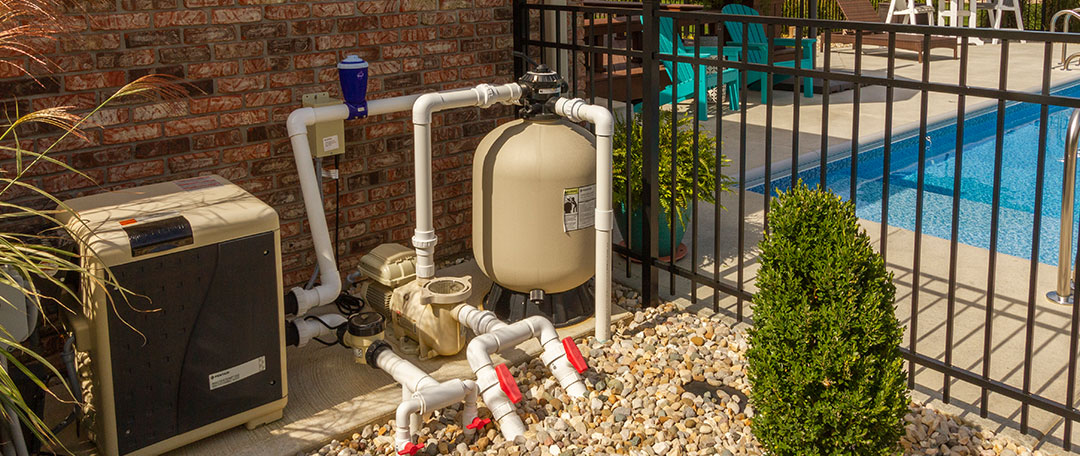
Credit: www.swimmingpool.com
Summing Up
Leaving a pool sand filter outside during winter is possible, but it comes with risks. The most important step is draining all water and covering the filter. Indoor storage is safest in freezing climates, but not always practical. Regular checks and proper covers are your best defense against weather, animals, and UV damage. With a little effort, you can protect your filter, save money, and enjoy clean pool water for years to come.
For more in-depth pool maintenance guides, visit the SwimmingPool.com Maintenance Center.
Frequently Asked Questions
Can I Just Cover My Sand Filter Without Draining It?
No. Even if you use a high-quality cover, water left inside the filter can freeze and crack the tank. Always drain all water before covering for winter.
Is It Safe To Leave A Pool Sand Filter Outside If Winter Temperatures Never Freeze?
Yes, in warm climates where it never freezes, you can leave the filter outside with basic protection. Still, drain as much water as possible and cover to keep out debris and animals.
Will Pool Filter Sand Freeze And Get Ruined?
The sand itself won’t usually be damaged by cold, but if water is left in the tank, freezing can cause tank cracks that affect the sand bed’s structure. Always drain fully.
How Do I Know If My Sand Filter Cracked Over Winter?
Look for leaks, visible cracks, or sand in the pool when you start up. If you see these, do not run the filter until a professional checks it.
Can I Move The Sand Filter Inside With Sand Still In It?
It’s possible but not recommended. The filter will be extremely heavy (often over 100 kg / 220 lbs). Always empty the sand before moving to avoid injury or damaging the tank.