
Dropping an Intex pool in the ground is a creative way to give your backyard a new look without spending thousands on a traditional in-ground pool. Many homeowners love the easy setup and affordability of Intex pools. But sometimes, you want more than just a surface pool. You may want to hide the tall pool walls, keep the water cooler, or make it easier for kids to get in and out.
This project sounds simple, but it involves planning, digging, and understanding the risks. You need to know how to prepare your ground, handle water drainage, and keep your pool safe from outside pressure. This guide explains everything you need to know, step by step, so you can decide if this project is right for you and how to do it right.
Why Drop An Intex Pool In The Ground?
Most people use Intex pools above ground because they are easy to set up and take down. However, there are several reasons why you might want to put your pool in the ground:
- Better Appearance: An in-ground look blends with your landscape and creates a cleaner, more permanent style.
- Easier Access: A sunken pool is easier to get into, especially for children and older adults.
- Temperature Control: Ground temperature helps keep water cooler during hot days and warmer at night.
- Wind Protection: The ground shields your pool from strong winds, reducing heat loss and debris.
- Safety: Lower pools are harder for small children to fall into accidentally.
But there are also risks. Intex pools are not designed for underground pressure, and mistakes can cause leaks or collapse. Careful planning will help you avoid common problems.
Is It Safe To Drop An Intex Pool In The Ground?
Before starting, you should know the limitations. Intex pools are not made to resist the pressure of wet soil pushing against the walls. If the hole fills with water, the soft pool sides can collapse. This is the biggest risk.
Key safety issues:
- Water Pressure: If ground water builds up, your pool may float or collapse.
- Wall Support: Without proper support, the pool walls can bend or break.
- Drainage: Poor drainage leads to mud, mold, and damage.
- Warranty: Modifying your pool this way often voids the warranty.
Despite these risks, many people have successfully done this project with careful preparation and extra support.
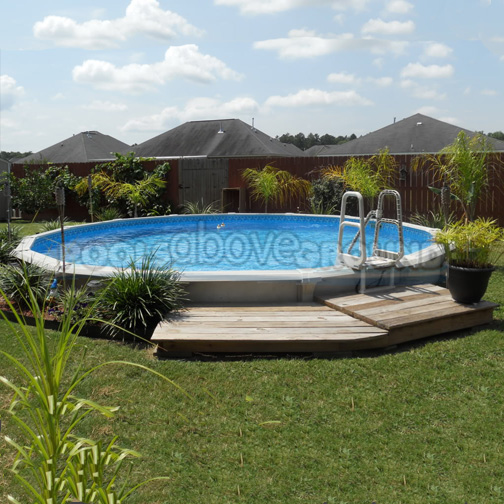
Credit: ocalaabovegroundpools.com
Planning Your In-ground Intex Pool Project
Local Rules And Permits
Check with your local building authority before you dig. Some cities require a permit for pools, even temporary ones sunk in the ground. You may also need to follow rules about pool fencing, setbacks from property lines, or utility lines.
Choosing The Right Spot
Pick a place that is:
- Flat and away from large trees (roots can damage the liner)
- Far from underground pipes or wires
- Not in a low spot where rainwater collects
- Accessible for maintenance
Measuring Your Pool
Mark the area wider than the pool itself. For example, if your Intex pool is 15 feet across, dig at least 17 feet to allow space for drainage and support. The extra space makes installation and repairs easier.
Tools And Materials You Will Need
You need more than just a shovel. Here is a list of important tools and materials for dropping an Intex pool in the ground:
- Measuring tape
- Marking paint or stakes and string
- Shovel and spade (or rent a small excavator)
- Level (4 feet or longer)
- Tamping tool or plate compactor
- Gravel or crushed stone (for drainage)
- Sand (for a smooth base)
- Landscape fabric (to separate soil and gravel)
- Drain pipe (perforated, for water movement)
- PVC pipe or sump pump (if high water table)
- Retaining wall blocks (optional, for extra support)
- Foam insulation boards (optional, for extra padding)
- Duct tape (for seams)
- Pool pad (specially made for under pool liners)
You may also need a friend or two to help with heavy lifting and leveling.
Step-by-step Guide: Dropping Your Intex Pool In The Ground
1. Mark And Measure The Area
Start by marking the pool’s outline. Add at least 12-18 inches extra on all sides. This extra space is for drainage and to prevent soil from pressing directly on the pool walls.
Use marking paint or string tied between stakes to make a clear, even circle or rectangle.
2. Digging The Hole
Dig to a depth that matches the height of your pool wall. For example, if your pool is 48 inches (4 feet) high, dig at least 42-44 inches deep, leaving a couple of inches above ground for safety and drainage.
Tips:
- Remove all roots, rocks, and sharp objects from the hole.
- Keep the sides as vertical as possible, but do not undercut (dig below) the surrounding soil.
- Slope the bottom slightly away from the center to a drainage trench or sump area.
3. Preparing The Base
A smooth, stable base is critical.
- Add 2-4 inches of gravel or crushed stone to the bottom. This helps with drainage.
- Lay landscape fabric over the gravel to keep sand and soil separate.
- Add 2 inches of sand and level it carefully.
- Compact the sand with a tamper or plate compactor.
- Check the level in all directions. The surface should be flat, with less than 1 inch difference across the whole area.
Some people add foam insulation boards over the sand for extra comfort and liner protection.
4. Installing Drainage
Poor drainage is the #1 reason for failure.
Best practices:
- Lay a perforated drain pipe in the gravel at the lowest spot.
- Run the pipe to a safe area away from the pool, or into a dry well.
- In areas with a high water table, consider a sump pump to remove water.
If you skip this step, water can build up and push the pool out of the ground or collapse the walls.
5. Supporting The Pool Walls
Unlike a concrete or steel pool, Intex pool walls are not made for underground pressure. You need to keep soil away from the sides.
Two common methods:
- Build a simple retaining wall from blocks, leaving a gap between wall and pool.
- Backfill the gap with gravel, not dirt, to allow drainage and reduce pressure.
Never let heavy, wet soil press directly on the pool walls.
6. Laying The Pool Pad
A pool pad is a thick, tough mat made to protect the pool liner. Lay this over the sand or foam base before setting up your pool.
This layer prevents punctures and keeps the bottom smooth.
7. Setting Up The Intex Pool
Follow the manufacturer’s instructions for assembly. Build the pool inside the prepared hole.
Tips:
- Double-check that the liner is smooth, with no wrinkles.
- Make sure the frame is straight and level.
- Do not fill the pool until all parts are secure.
8. Backfilling Around The Pool
Once the pool is filled with water, backfill the space between the pool wall and the hole’s edge with gravel or sand (not soil).
Steps:
- Fill a few inches at a time.
- Compact gently to prevent air pockets.
- Stop when the backfill is just below the top of the pool.
This support reduces sideways pressure and helps water drain away.
9. Finishing Touches
You can add pavers, decking, or mulch around the top for a clean look. Some people build a small deck for easier access.
Install a pool fence if your local code requires it. Safety is always first.
Comparing Above-ground And In-ground Intex Pools
Many people ask how an in-ground Intex pool compares to a traditional above-ground setup. Here is a simple comparison:
| Feature | Above-Ground Intex Pool | In-Ground Intex Pool |
|---|---|---|
| Installation Time | 1-2 days | 3-7 days |
| Cost | Low | Medium (tools, gravel, drainage) |
| Appearance | Temporary, visible walls | Blends with yard |
| Risk of Collapse | Low if installed correctly | Higher (needs careful planning) |
| Warranty | Usually valid | Often voided |
This shows that dropping your pool in the ground is more work and risk but can look much better.
Common Mistakes To Avoid
Many beginners make the same errors when dropping an Intex pool in the ground. Avoid these to save money, time, and trouble.
- Poor Drainage: Skipping drainage pipes leads to water buildup and pool damage.
- Backfilling with Soil: Wet dirt can press too hard and cause collapse.
- Not Compacting the Base: A soft base leads to wrinkles, dips, and liner tears.
- Wrong Pool Placement: Placing near large trees causes root damage.
- Skipping Permits: You may have to remove your pool if it breaks local rules.
- Filling Before Backfilling: Always fill the pool with water before backfilling to keep balance.
- Ignoring Slope: A flat base is critical; even small slopes can make the pool unstable.
- No Pool Pad: Skipping a pad increases the risk of punctures.
- Too Little Space Around Pool: Not leaving enough room makes repairs difficult.
How Much Does It Cost?
The cost to drop an Intex pool in the ground depends on pool size, soil type, and the tools you need. Here is a rough breakdown:
| Item | Estimated Cost (USD) |
|---|---|
| Pool (12-18 foot diameter) | $300 – $800 |
| Excavation (DIY with shovel) | $0 |
| Excavator Rental (per day) | $150 – $400 |
| Gravel & Sand | $100 – $300 |
| Drainage Pipe & Sump | $50 – $200 |
| Retaining Wall Blocks | $200 – $800 (optional) |
| Pool Pad / Insulation Foam | $50 – $150 |
| Miscellaneous (tools, duct tape, etc.) | $50 – $100 |
So, the total project usually costs $400 to $2,500 depending on your choices and whether you do the work yourself.

Credit: www.amazon.com
Maintenance Tips For In-ground Intex Pools
An in-ground Intex pool needs special care to last longer and stay safe.
Watch For Water Leaks
Check for leaks around the base and sides, especially after heavy rain. If you see water pooling outside the pool, check your drainage system.
Inspect The Pool Liner Often
Look for wrinkles, tears, or bubbles in the liner. Small problems can quickly get worse underground.
Clean Drainage Pipes
Flush your drainage pipes at least twice a season to keep them clear of mud and roots.
Keep Backfill Dry
If you see soggy spots or the ground settling, add more gravel and compact again.
Winterize Carefully
If you live in a cold area, drain the pool, remove the liner, and cover the hole. This stops freeze-thaw damage.
Real-world Example
Mike from Ohio dropped his 15-foot Intex pool 40 inches into the ground. He used a rented mini-excavator, added 4 inches of gravel and 2 inches of sand, and built a small retaining wall. His drainage pipe runs to a dry well 30 feet away.
After three summers, his pool is still in great shape, but he checks drainage every month and always covers the pool in winter.
Insight: Mike used a pool pad and foam boards to prevent liner tears. He said the hardest part was leveling the base. This step took him a whole day, but it was worth it—his pool never sags.

Credit: www.youtube.com
Upgrades And Custom Ideas
After dropping your Intex pool in the ground, you can make your backyard even better with a few upgrades:
- Small Deck: Build a wood or composite deck around the pool for lounging.
- Solar Pool Cover: Keeps water warm and clean.
- LED Lights: Add color-changing lights for night swimming.
- Outdoor Shower: Rinse before entering the pool.
- Landscaping: Plant bushes or flowers around the pool for a natural look.
These extras add comfort and value to your outdoor space.
Should You Try This Project?
Dropping an Intex pool in the ground is a big job, but it can be rewarding. If you like DIY projects, have basic tools, and can follow safety steps, you can do it yourself. If you are not sure, ask a local contractor for advice.
Two things beginners often miss:
- Always plan for extra drainage. Heavy rain can ruin a pool in hours.
- Never rush leveling and compacting the base. Small bumps mean big trouble later.
If you want a permanent, trouble-free pool, it may be better to buy a real in-ground pool. But for most people, this project is a smart way to get a great look at a lower cost.
For more information on pool building and safety rules, check the Wikipedia Swimming Pool page.
Frequently Asked Questions
What Is The Best Type Of Intex Pool For Dropping In The Ground?
Ultra XTR Frame or Prism Frame pools are the most durable. Avoid Easy Set pools, as their soft sides collapse easily underground.
Can I Drop My Intex Pool All The Way Into The Ground?
No. Always leave at least 2-4 inches of the wall above ground. This helps with drainage and prevents surface water from running into the pool.
Will This Project Void My Pool’s Warranty?
Yes, most Intex warranties are void if you modify the pool or bury it. Read your manual and accept the risk before starting.
How Long Does An In-ground Intex Pool Last?
With good drainage and care, many last 3-7 years. Poor drainage or sharp rocks can cause early failure.
Do I Need To Install A Fence Around My Sunken Intex Pool?
Usually, yes. Local codes often require a safety fence. Check your city or county rules before you start.
Putting an Intex pool in the ground takes work, but with good planning and the right steps, you can get a beautiful backyard pool at a fraction of the price of a permanent one. Be patient, follow safety tips, and enjoy your new swimming spot!