
Every winter, many homeowners notice a strange, unpleasant smell in their homes that reminds them of a sewer. This can be confusing and even embarrassing, especially when guests visit. If you have ever asked yourself, “Why does my house smell like sewer in the winter?
” you are not alone. Understanding the causes and solutions can help you keep your home comfortable and healthy, no matter how cold it gets outside.
The problem often gets worse during the winter months, and there are several reasons for that. Cold weather changes how air moves inside and outside your house. It also affects your plumbing system and the way water sits in drains and pipes. Sometimes, even a small plumbing problem can lead to a strong sewer smell that spreads throughout your home.
This article will explain why your house might smell like sewer in the winter, what causes these odors, how to find the source, and what you can do to fix it. We will also look at how to prevent these smells in the future.
If you want to learn how to keep your house fresh during winter, keep reading.
Why Sewer Smells Are Worse In Winter
Winter brings cold air, dry conditions, and closed windows. All of these things can make sewer odors more noticeable inside your home. But why do these smells seem to get worse when the temperature drops?
First, homes are sealed up tight in winter to keep the cold out. This means there is less fresh air coming in, and any bad smells that develop inside are trapped. The heating system can also move air around the house, spreading odors from one room to another.
Second, cold weather affects plumbing. Pipes can freeze, drains can dry out, and the way air moves through your plumbing system can change. All of these things can make it easier for sewer gases to enter your home.
Third, less use of some plumbing fixtures in winter (like outdoor drains or basement sinks) lets the water inside those pipes evaporate. When this happens, the water trap dries out, and sewer gases have a clear path into your living space.
It’s important to remember that while the smell is unpleasant, it can also signal a real problem with your plumbing or your home’s air quality. Sewer gases are not just smelly—they can also be unhealthy if they build up inside your house.
Common Causes Of Sewer Smells In Winter
Several things can cause a sewer smell in your house during the winter. Let’s look at the most common reasons and how each one works.
1. Dry Drain Traps
Every drain in your house has a curve of pipe called a P-trap or U-trap. This trap holds water, which blocks sewer gases from coming back up into your home. If a drain is not used for a while—like a basement shower or a guest bathroom—the water in the trap can dry out.
When the trap dries out, there is nothing stopping the smell from the sewer lines from coming up into your house. This is especially common in winter when humidity is low and you may use some sinks and tubs less often.
2. Cracked Or Broken Sewer Pipes
Sometimes, sewer pipes under the floor, behind walls, or even outside the house can crack or break. This lets sewer gas escape into the surrounding air. In winter, the ground can freeze and shift, which puts extra pressure on pipes and can cause them to break.
If a pipe breaks inside your home, the smell may be strongest in one area, like a bathroom, laundry room, or basement. This can be harder to find and fix, but it’s important because a broken pipe can also lead to water damage or mold.
3. Blocked Vents
Your plumbing system has vertical pipes called vent stacks that go up through the roof. These let fresh air into the plumbing and help gases escape outside. If a vent stack is blocked by ice, snow, leaves, or even a bird’s nest, it can’t do its job.
When the vent is blocked, the pressure in your pipes changes. This can suck the water out of drain traps or force sewer gas back into your house. In winter, snow and ice are common causes of blocked vents.
4. Sewer Line Backups
A sewer line backup happens when something blocks the main pipe that carries waste from your house to the city sewer or septic tank. When this pipe is blocked, waste and gases have nowhere to go. They may push back into your house through the lowest drains.
Cold weather can make this problem worse. Tree roots searching for water can break pipes, or grease and other materials can harden and form a blockage. If you notice slow drains and a sewer smell, a backup may be the cause.
5. Faulty Wax Rings On Toilets
Under every toilet is a wax ring that seals the toilet to the drain pipe. Over time, the wax can dry out, crack, or shift—especially if the floor moves a little when it freezes and thaws. If the seal is broken, sewer gas can leak out around the base of the toilet.
This is a common cause of sewer smells in bathrooms, especially in older homes or where the toilet has been moved or replaced.
6. Basement Floor Drains
Many basements have a drain in the floor to remove water. If you don’t use this drain often, the trap can dry out in winter. Cold, dry air speeds up evaporation, letting sewer gases come up through the floor.
Basement drains are often forgotten, so if you smell sewer gas in your basement, this is a good place to check.
7. Unused Plumbing Fixtures
If you have guest bathrooms, laundry sinks, or showers that are not used for weeks or months, the water in the traps can evaporate. This is more common in winter when guests are rare and rooms are closed off to save heat.
8. Poor Plumbing Design Or Repairs
Sometimes, the plumbing was not installed correctly, or repairs were made in a hurry. If there are missing traps, pipes that slope the wrong way, or vents that do not go outside, sewer gases may leak into the house.
Winter can make this worse by changing air pressure and how water flows in the pipes.
9. Clogged Drains
A clogged drain can hold water and waste, creating a strong smell. In winter, grease and food particles can harden in kitchen pipes, or hair and soap can build up in bathroom drains.
If the clog is deep, it may let gases escape before you even notice the drain is slow.
10. Problems With Septic Tanks
If your house uses a septic tank, cold weather can cause problems. The ground can freeze, making it harder for the septic system to drain. If the tank is full, or the pipes between the house and the tank are blocked, smells can back up into your house.
Septic systems need special care in winter, and problems can get worse quickly if not fixed.
How To Identify The Source Of The Sewer Smell
Finding the exact cause of a sewer smell in winter can be tricky. Here are some steps you can take to narrow down where the smell is coming from.
- Check Every Room: Walk through your house and try to find where the smell is strongest. Notice if it is worse near drains, toilets, or in the basement.
- Sniff Around Drains and Fixtures: Smell near sinks, showers, tubs, and toilets. If you notice the odor coming from a specific drain, that’s a clue.
- Look for Slow Drains: If water drains slowly, there may be a clog or a backup. This is often a sign of a bigger problem.
- Inspect the Basement: Sewer smells often collect in the basement because it’s the lowest point in the house. Check floor drains and laundry areas.
- Check Outside: Go outside and look at the vent pipe on your roof. If it is covered by snow or ice, that could be the reason.
- Toilet Movement: If a toilet rocks or is not solidly attached to the floor, the wax ring may be broken.
If you cannot find the source, or the problem is serious, it’s best to call a licensed plumber. Sewer gas can be dangerous if it builds up.
What Are Sewer Gases And Are They Dangerous?
Sewer gases are a mixture of several gases produced by the breakdown of waste in your pipes. The main gases are methane, hydrogen sulfide, ammonia, and carbon dioxide.
- Methane: This gas is flammable and can explode in large amounts.
- Hydrogen Sulfide: This gas smells like rotten eggs and is toxic in high concentrations.
- Ammonia: This gas can irritate your eyes, nose, and throat.
- Carbon Dioxide: This is not toxic but can push out oxygen if it builds up.
In small amounts, sewer gas is not usually dangerous, but if you have a strong smell that does not go away, it can be a health risk. It can cause headaches, nausea, tiredness, or eye and throat irritation. In rare cases, high levels can be very dangerous.
Children, older adults, and people with breathing problems are more at risk. If you ever feel dizzy or sick and notice a strong sewer smell, leave the house and call for help.
How Winter Affects Plumbing And Odors
Winter makes sewer smells worse for a few reasons. Here’s how cold weather changes your plumbing and the air in your home.
Freezing Temperatures
When pipes get very cold, water inside traps can freeze and crack the pipe. Freezing can also cause pipes to shift, breaking seals and letting gases leak out.
Closed Windows And Less Ventilation
Because windows and doors stay closed in winter, there is less fresh air to carry away smells. Heating systems can spread bad odors from one room to another.
Low Humidity
Heated air inside your home is very dry. This speeds up the evaporation of water in traps, especially in drains that are not used often.
Roof Vents Blocked By Snow Or Ice
Heavy snow and ice can cover the vent pipe on your roof. This changes how air moves through your plumbing, making it easier for gases to come back inside.
More Use Of Indoor Plumbing
You may use indoor plumbing more in winter, which can stress old pipes or cause clogs. At the same time, some drains get used less (like outdoor faucets), so traps dry out.
All these factors combine to make sewer odors more common and harder to get rid of in winter.
How To Fix Sewer Smells In The Winter
Once you know what is causing the smell, you can take steps to fix it. Here are some common solutions, based on the source of the problem.
1. Refill Dry Traps
If you think the smell is coming from an unused drain, pour a few cups of water down the drain. This refills the trap and blocks sewer gases. For extra protection, add a tablespoon of vegetable oil to slow evaporation.
2. Fix Cracked Or Broken Pipes
If you find a broken pipe, you may need to call a plumber to replace it. Do not try to fix sewer pipes yourself unless you know what you are doing. Broken pipes can leak not just gas, but also water and waste.
3. Clear Blocked Vents
If the vent pipe on your roof is covered by snow, ice, or leaves, carefully clear it off. If you are not comfortable climbing on the roof, call a professional. Clearing the vent allows gases to escape outside.
4. Remove Drain Clogs
For small clogs, you can use a plunger or a plumber’s snake. Avoid using strong chemicals, as they can damage pipes. For deep or stubborn clogs, hire a plumber.
5. Replace Faulty Wax Rings
If you think the smell is coming from the base of a toilet, the wax ring may need to be replaced. This is a common job for plumbers, but handy homeowners can do it themselves with the right tools.
6. Check And Maintain Your Septic System
If you have a septic tank, make sure it is pumped every 3-5 years. In winter, keep the area above the tank clear of heavy snow and vehicles, which can compact the ground and cause problems.
7. Use Drain Covers
In areas where drains are rarely used, you can buy drain covers that seal tightly. These prevent evaporation and keep gases from escaping.
8. Improve Ventilation
Open windows for a short time when the weather allows, or use fans to move air. This helps clear out odors trapped inside.
9. Upgrade Plumbing Fixtures
Older homes may have plumbing that does not meet modern standards. Upgrading to new fixtures and traps can solve many odor problems.
10. Hire A Professional
If you cannot find or fix the problem, hire a licensed plumber. They have special tools to find leaks, clogs, and vent problems.
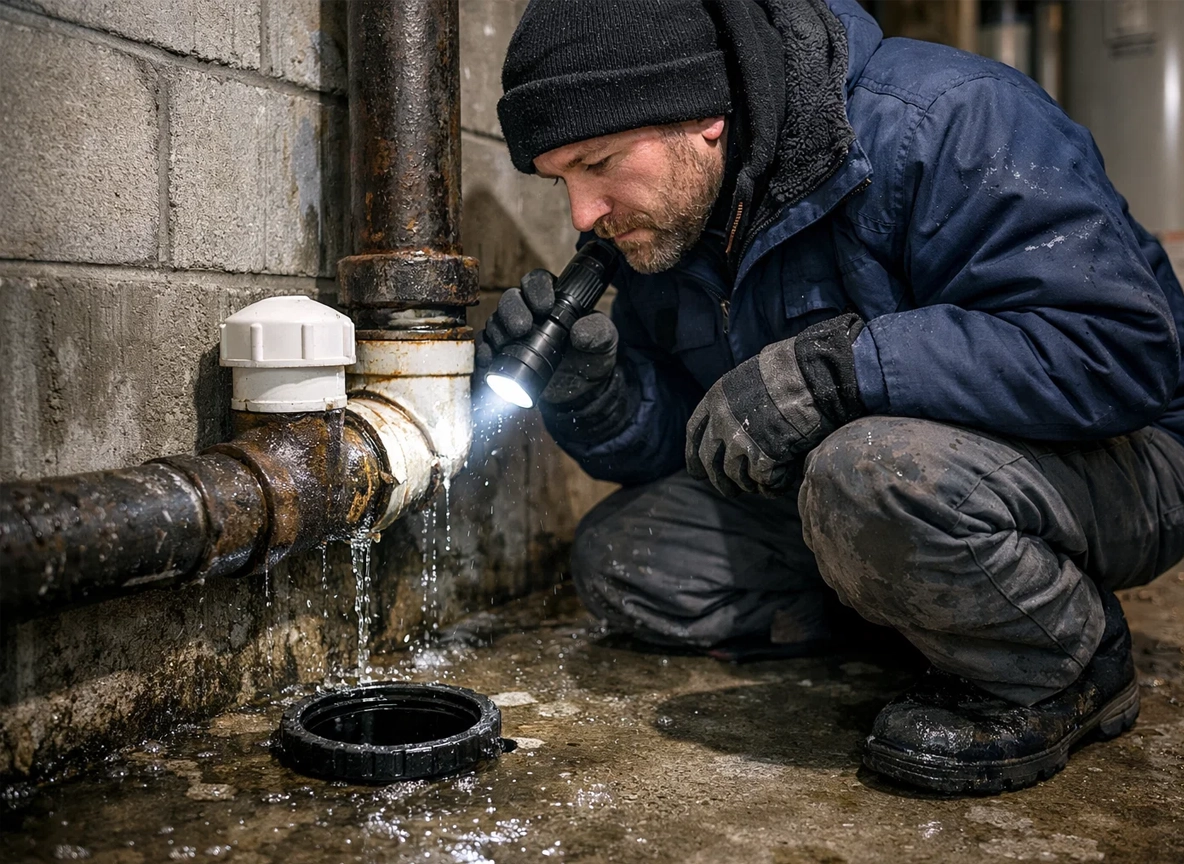
Credit: www.daltonphc.com
Preventing Sewer Odors In Your Home
The best way to deal with sewer smells is to prevent them before they start. Here are some simple steps you can take, especially before winter begins.
- Run Water in All Drains: Every few weeks, pour water down every drain in your house, even those you rarely use. This keeps traps full.
- Check for Leaks: Look for signs of leaks around toilets, under sinks, and in the basement. Fix leaks quickly to prevent damage and smells.
- Clean Drains Regularly: Use a mixture of baking soda and vinegar to keep drains clean. Avoid pouring grease, coffee grounds, or hair down the drain.
- Clear Roof Vents: After heavy snow or storms, check that your plumbing vents are clear.
- Maintain Your Septic System: Pump out your septic tank on schedule and have it inspected every few years.
- Seal Unused Drains: If you have drains that are never used, seal them with a cap or cover.
- Insulate Pipes: Insulate pipes that are at risk of freezing. This helps prevent cracks and leaks.
- Know the Signs of Trouble: Learn the signs of sewer problems: slow drains, gurgling noises, or changes in water levels in toilets.
- Install a Backwater Valve: In areas with frequent backups, this valve prevents sewer water from coming back into your house.
- Have Regular Inspections: Schedule a plumbing inspection every few years, especially in older homes.
Comparing Causes Of Sewer Smells: Quick Reference
Sometimes it’s helpful to compare the causes side by side. Here is a simple guide to help you remember where to look first.
| Cause | Where to Check | Common in Winter? | DIY Fix? |
|---|---|---|---|
| Dry Traps | Unused drains, basement, guest baths | Very common | Yes |
| Broken Pipes | Basement, under floors/walls | More likely | No |
| Blocked Vents | Roof, attic | Common | Maybe |
| Sewer Backup | Lowest drains, basement | Possible | No |
| Wax Ring Failure | Toilet base | Possible | Maybe |

Credit: www.drainworks.com
Signs It’s Time To Call A Professional
While many sewer smells can be fixed by the homeowner, some problems need expert help. Call a plumber if you notice:
- The smell is very strong and does not go away
- Multiple drains are slow or backing up
- You see water leaks or mold
- The smell is strongest near a wall or floor, not a drain
- You feel dizzy, sick, or have headaches
A professional has tools to find leaks, check pipes inside walls, and clear deep blockages. They can also test for dangerous gases.
Typical Costs For Fixing Sewer Odors
The price to fix sewer smells can vary. Here is a rough guide to common repairs.
| Problem | DIY Cost | Professional Cost |
|---|---|---|
| Refill Dry Trap | $0 (just water) | $80-$150 (if plumber visit needed) |
| Replace Wax Ring | $10-$20 | $150-$250 |
| Clear Blocked Vent | $0 (if safe DIY) | $100-$300 |
| Fix Broken Pipe | Not advised | $500-$2000+ |
| Septic Service | Not advised | $200-$500 |
These are average prices in the US as of 2024. Costs may be higher in cities or for emergency repairs. Always get a quote before the work starts.

Credit: caldwellplumbing.ca
Two Little-known Insights About Winter Sewer Odors
Most people focus on the drains inside their homes, but here are two things beginners often miss:
- Downspout Connections: In some older homes, rainwater downspouts are connected to the sewer system. When snow melts quickly, this can overwhelm the pipes and push gases into the house.
- Seasonal Shifts in Soil: When the ground freezes and thaws, it can move sewer lines outside the house. Small cracks from this movement can let gases leak into basements even if indoor plumbing is perfect.
If you have tried everything inside and still smell sewer gas, ask your plumber to check these less obvious places.
When To Worry About Health Risks
Sewer odors are usually just unpleasant, but sometimes they mean real danger. If the smell is very strong, you feel sick, or you notice a rotten egg smell (hydrogen sulfide), get everyone outside and call for help.
Never ignore a strong sewer smell in winter, especially if it comes with headaches, dizziness, or nausea. Your safety comes first.
How To Keep Your Home Smelling Fresh In Winter
Keeping your house smelling good in winter takes a little extra work. Here are some helpful tips:
- Run a fan or open a window for five minutes each day, even when it’s cold
- Use baking soda or white vinegar to clean drains monthly
- Lightly flush unused toilets every week
- Use a dehumidifier if your basement is damp
- Place air purifiers in rooms that trap odors
- Avoid using strong chemical air fresheners, which can cover but not solve the problem
Good air quality makes your home more comfortable, and fixing the source of sewer smells keeps your family healthy.
Frequently Asked Questions
Why Do Unused Drains Smell Worse In Winter?
Unused drains smell worse in winter because the water in the trap evaporates faster in dry, heated air. When the trap is dry, sewer gases can come up into your home. To prevent this, pour water down all drains regularly.
Is Sewer Gas Dangerous To Breathe?
Sewer gas can be harmful, especially in high concentrations. Gases like methane and hydrogen sulfide can cause headaches, dizziness, and nausea. If you notice a strong, persistent smell, open windows and call a professional.
How Can I Tell If My Toilet Wax Ring Is Leaking?
If you smell sewer gas near the base of your toilet, or if the toilet rocks or leaks water, the wax ring may be broken. You may also see water stains on the floor around the toilet.
Does Insurance Cover Sewer Smell Problems?
Homeowners insurance usually covers sudden and accidental damage, like a burst pipe. It may not cover long-term problems, blocked drains, or damage from poor maintenance. Always check your policy or ask your agent.
What Should I Do If I Cannot Find The Source Of The Smell?
If you cannot find the source after checking all drains, toilets, and the basement, call a licensed plumber. They have special tools to find leaks or broken pipes inside walls and floors.
For more about plumbing and home air quality, you can visit the US Environmental Protection Agency.
Winter sewer smells can be a challenge, but with the right knowledge, you can keep your home fresh and safe. Take action early, and don’t be afraid to ask for help if you need it. A healthy, odor-free home is a happier place to spend the winter months.