
If you walk into a room and catch a sharp, unpleasant smell that reminds you of urine, it can be both confusing and embarrassing. Many homeowners are surprised to discover that the source of this smell is sometimes their drywall. Whether you just finished a renovation or your home is several years old, a urine-like odor coming from your walls is not normal—and it’s a problem you cannot ignore. Understanding why drywall might emit this smell, what it means for your health and home, and how to solve it is essential for maintaining a safe and pleasant environment.
This article dives deep into the reasons drywall smells like urine, the science behind it, solutions to eliminate the odor, and how to prevent it from returning. You’ll find practical advice, expert guidance, and real-world examples, even including tips most beginners miss. Let’s uncover what’s really happening behind your walls and how you can fix it for good.
Why Does Drywall Smell Like Urine?
Discovering a urine smell in your drywall is more common than you might think, but it’s rarely discussed openly. There are several possible causes, and sometimes the problem is a mix of factors. Understanding these causes helps you target the real issue instead of just masking the odor.
1. Pet Urine Soaked Into Drywall
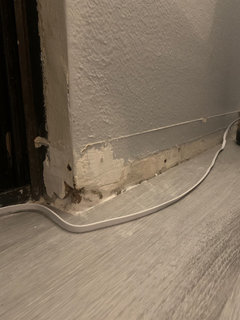
One of the most common reasons for the urine smell is pet accidents. Cats, dogs, and even small animals can urinate on the floor near the wall. If the urine seeps through carpet, wood, or baseboards, it can soak into the porous drywall and linger for years. Drywall acts like a sponge, absorbing the liquid and holding onto the smell.
2. Previous Occupants’ Pets
Sometimes, the smell is a leftover problem from previous homeowners or tenants. If the prior residents had pets who urinated indoors, and the stains were not properly cleaned, the odor can reappear after you move in. Moisture, renovations, or even changes in room temperature can re-activate these old smells, making them more noticeable.
3. Rodent Or Pest Infestations
Rodents, like mice and rats, often make nests inside walls. Their urine has a very strong, acrid smell, which can easily seep through drywall. Even after the pests are gone, the smell can remain if their droppings, nests, or urine deposits are left inside the wall cavities.
Insects like cockroaches can also create a musty, ammonia-like odor that is sometimes mistaken for urine.
4. Mold And Mildew
Not all urine odors are actually from urine. Mold and mildew can create odors that are strikingly similar to ammonia or urine, especially when mixed with other organic debris. Mold thrives in moist environments, often found where there are leaks behind the wall or high humidity. This is a non-obvious cause many people overlook, especially if they don’t see visible mold.
5. Plumbing Leaks
A slow plumbing leak behind the wall can create the perfect conditions for both mold growth and the breakdown of organic materials. As water interacts with drywall, wood, and insulation, it can produce a urine-like smell, especially if the water is from a drain line or contaminated source.
6. Chemical Reactions In Drywall
Some drywall, especially materials made with recycled content or imported from overseas, can contain chemicals that react with moisture or cleaning products. These reactions sometimes produce odors that closely resemble urine or ammonia. This is rare but has been reported in certain batches of drywall, notably the so-called “Chinese drywall” incidents in the early 2000s.
7. Hvac And Airflow Issues
Poor ventilation can trap odors inside walls and rooms. If your HVAC system is not functioning well, smells from pets, mold, or chemicals can become trapped and concentrated, making them much more noticeable.
Non-obvious Insight
Many people focus only on cleaning visible surfaces. However, if the drywall itself is contaminated, surface cleaning will never solve the underlying problem. Smells can also “travel” through wall cavities from another room, making the source difficult to pinpoint.
How To Identify The True Source Of The Odor
Pinpointing the exact cause of a urine smell in drywall is not always simple. Sometimes, the smell is strongest in one area but the source is somewhere else. Here’s a practical approach to tracking down the real culprit:
Step 1: Sniff Test And Mapping
Start by walking slowly around the room and sniffing near baseboards, outlets, and corners. Note where the smell is strongest. Use painter’s tape to mark these spots if needed.
Step 2: Visual Inspection
Look for visible stains, discoloration, or warping on walls and baseboards. Yellow or brown stains, especially near the floor, are a clue for pet or rodent urine. Black or greenish spots can indicate mold.
Step 3: Moisture Detection
Use a moisture meter or an inexpensive infrared thermometer to check for damp spots. High moisture levels may mean a plumbing leak or recent pet accident.
Step 4: Remove Baseboards (if Needed)
Carefully remove a small section of baseboard or outlet cover near the smelliest spot. Inspect behind it for mold, stains, or rodent droppings.
Step 5: Professional Testing
If you can’t find the source, consider hiring a professional for a mold inspection or using a UV flashlight, which can make urine stains glow in the dark.
Common Mistake
Many homeowners try to mask the smell with air fresheners or cleaning sprays. This only hides the problem temporarily and may make it harder to trace later.

Credit: www.amazon.ae
Health Risks Linked To Drywall Urine Smells
A persistent urine smell from drywall is more than just unpleasant. It can signal health hazards for your family or tenants.
1. Mold-related Health Issues
If the smell comes from mold or mildew, you may experience allergy symptoms like sneezing, coughing, itchy eyes, or even asthma attacks. Some types of mold release toxins (mycotoxins) which can be harmful, especially for children, elderly people, or those with weak immune systems.
2. Ammonia Exposure
Both pet and rodent urine release ammonia as they break down. Breathing in ammonia can irritate the nose, throat, and lungs. In high concentrations or over long periods, it can make you feel dizzy, cause headaches, or worsen respiratory problems.
3. Bacteria And Pathogens
Urine and pest droppings can harbor bacteria and viruses. These can become airborne, especially if the contaminated drywall is disturbed during cleaning or renovations.
4. Lower Indoor Air Quality
Unpleasant odors are often a sign of poor air quality. This can lead to general discomfort, trouble sleeping, and reduced productivity at home.
Practical Example
A family with young children noticed strong ammonia smells near their living room wall. After investigation, they found rodent nests and droppings inside the wall cavity. Removing the contaminated drywall and nests, then sealing gaps, eliminated both the smell and health risks.
How To Remove Urine Smell From Drywall
Solving the problem requires more than just cleaning the surface. Here’s a step-by-step approach that works for most situations:
1. Remove The Source
If the problem is ongoing pet accidents, rodent infestations, or leaks, these must be stopped first. Otherwise, any cleaning will be temporary.
2. Deep Clean The Area
- For fresh pet urine: Blot the area with paper towels. Avoid rubbing.
- For dried stains: Mix a solution of 1 part white vinegar to 2 parts water. Spray lightly and blot.
3. Use Enzyme Cleaners
Enzyme-based cleaners break down the proteins in urine. These are more effective than normal cleaners for removing odors. Follow the instructions and allow the cleaner to soak for the recommended time.
4. Address Mold (if Present)
If mold is visible, wear gloves and a mask. Clean small areas with a mixture of water and detergent or a mold-specific cleaner. Large infestations require professional help.
5. Dry The Area Completely
Use fans or a dehumidifier to dry the wall thoroughly. Moisture will cause odors and mold to return.
6. Seal The Stained Area
After cleaning and drying, use a stain-blocking primer (like Kilz or Zinsser) to seal the drywall. This prevents smells from returning or spreading.
7. Repaint Or Replace
Paint over the primed area. If the drywall is too saturated, crumbling, or moldy, cut out the affected section and replace it.
Comparison Of Odor Removal Methods
Here’s a quick look at common methods and their effectiveness:
| Method | Effectiveness for Urine Odor | Notes |
|---|---|---|
| Surface Cleaning | Poor | Does not reach deep contamination |
| Enzyme Cleaner | Good | Works for recent and light stains |
| Stain-Blocking Primer | Very Good | Seals in odor after cleaning |
| Drywall Replacement | Excellent | Best for severe or old contamination |
Non-obvious Tip
Don’t forget to check the flooring and baseboards. If these are contaminated, the smell can keep returning even after you treat the wall.
When Should You Replace Drywall?
Sometimes, cleaning and sealing are not enough. If the drywall is heavily stained, crumbling, or smells even after treatment, replacement is the safest option.
Signs You Must Replace Drywall
- Strong odor remains after cleaning and sealing
- Drywall is soft, swollen, or crumbly
- Large visible mold patches
- Evidence of rodent nests or extensive pest waste inside the wall
- Recurring moisture problems
Replacement Process Overview
- Cut out the affected section using a utility knife or drywall saw.
- Remove insulation if it is wet or contaminated.
- Clean and disinfect the wall cavity.
- Let everything dry completely.
- Install new drywall and insulation.
- Prime and paint.
Drywall Replacement Vs. Cleaning: Key Differences
| Factor | Cleaning & Sealing | Full Replacement |
|---|---|---|
| Cost | Lower | Higher |
| Time | Faster | Slower (more labor) |
| Effectiveness for Severe Odor | Moderate | Excellent |
| Skill Needed | Basic DIY | May need professional |
Practical Tip
If the contaminated area is larger than 10 square feet, it’s often best to call a professional. Mold and extensive damage can be dangerous to handle without proper gear.
Preventing Urine Smell In Drywall
Once you’ve solved the problem, you’ll want to keep it from happening again. Prevention is easier and cheaper than repair.
1. Stop Pet Accidents
- Train pets to use designated areas.
- Clean up accidents immediately.
- Use waterproof floor mats near litter boxes or pet beds.
2. Seal Entry Points For Rodents
Inspect your home’s foundation, siding, and attic for small holes or gaps. Seal these with steel wool and caulk, as rodents can squeeze through tiny openings.
3. Maintain Plumbing
Check for leaks under sinks, behind toilets, and near appliances. Fix any leaks quickly to prevent moisture buildup.
4. Control Humidity
Use dehumidifiers and fans in basements, bathrooms, and laundry rooms. Mold and mildew thrive in humid conditions.
5. Use Odor-blocking Primers During Renovations
If you’re remodeling or painting, use a stain-blocking primer on all walls, especially in older homes or rentals.
6. Schedule Regular Inspections
Look behind furniture, inside closets, and along baseboards for signs of moisture, stains, or pests every few months.
Comparison: Prevention Costs Vs. Repair Costs
| Prevention Step | Typical Cost | Potential Savings |
|---|---|---|
| Pet Training | $50–$200 (one-time) | $500+ (avoided repairs) |
| Rodent Sealing | $100–$300 | $1,000+ (wall repairs) |
| Dehumidifier | $100–$250 | Priceless (mold prevention) |
Non-obvious Insight
Don’t overlook attics and crawl spaces. Moisture and pests often start here and work their way into living areas.
What To Do If The Smell Returns
If you’ve cleaned, sealed, or replaced drywall and the urine smell comes back, don’t panic. Follow these steps:
- Double-check for new pet accidents or leaks.
- Inspect adjacent rooms—the source could be next door or above/below.
- Use a UV flashlight to spot hidden stains.
- Consider professional odor testing or remediation services.
Sometimes, the smell is trapped in insulation or subflooring. In these cases, more extensive repairs may be needed.
When To Call A Professional
Some situations require more than a DIY approach:
- You can’t find the source after thorough inspection.
- The smell is accompanied by visible mold, water damage, or pest activity.
- Large sections of drywall are affected.
- Household members develop health symptoms.
- You’re preparing a home for sale or rental and need guaranteed results.
Certified mold remediators, pest control experts, or plumbers have specialized tools and safety equipment. Their help can save time, money, and stress, especially for severe or hidden problems.
Real-world Case Studies
Case 1: Hidden Pet Stains In A Rental Property
A landlord noticed a strong urine smell after tenants moved out. They cleaned carpets and painted the walls, but the smell remained. Removing the baseboards revealed old pet stains that had soaked into the drywall and subfloor. After replacing affected drywall and using a stain-blocking primer, the smell disappeared.
Case 2: Mystery Odor In A Finished Basement
A homeowner battled a urine-like smell for months with no pets in the house. A mold specialist found mold growth behind the drywall near a leaking pipe. The mold produced an ammonia smell similar to urine. After repairing the leak, removing moldy drywall, and drying the area, the smell was gone.
Case 3: Rodent Infestation In Wall Cavity
A family in an older home noticed a foul, acrid odor in the hallway. Pest control found a rodent nest in the wall, with urine and droppings soaked into the insulation and drywall. Replacing both and sealing entry points solved the problem for good.
Products That Help Control Urine Odors In Drywall
While there’s no magic spray, some products are particularly effective:
- Enzyme cleaners (Nature’s Miracle, Rocco & Roxie): Break down urine proteins.
- Stain-blocking primers (Kilz, Zinsser): Seal in odors after cleaning.
- Dehumidifiers: Reduce moisture and prevent mold.
- UV flashlights: Reveal hidden urine stains.
Always follow safety directions and test cleaners on a small area first.
Credit: www.houzz.com
The Science Behind Urine Odors In Drywall
Urine contains urea, which bacteria break down into ammonia. Ammonia is a strong-smelling chemical that can linger for years in porous materials like drywall. Mold can also produce volatile organic compounds (VOCs) that smell similar to urine or ammonia. Even after cleaning, these chemicals can remain trapped in the wall unless properly sealed or removed.
For more on the chemistry of odors and cleaning, you can check resources like Wikipedia.
Frequently Asked Questions
Why Does My Drywall Smell Like Urine Even After Cleaning?
If the drywall itself is contaminated, surface cleaning is not enough. Urine and its odor-causing chemicals can soak deep into the wall. You may need enzyme cleaners, sealing primers, or even to replace the drywall if the smell persists.
Can Mold Really Smell Like Urine?
Yes, certain types of mold release chemicals that smell similar to ammonia or urine. This is especially common in damp, poorly ventilated areas or where leaks are present behind the wall.
Is It Safe To Live With Drywall That Smells Like Urine?
It depends on the cause. If the smell is from mold, rodent urine, or sewage leaks, it can be a health risk. These can cause allergies, respiratory problems, or infections. It’s best to investigate and fix the source quickly.
How Do I Prevent The Urine Smell From Coming Back?
Stop all sources of moisture (pet accidents, leaks), seal gaps where pests can enter, use dehumidifiers, and apply odor-blocking primers during painting. Regular inspections help catch new problems early.
Will Painting Over Smelly Drywall Fix The Problem?
Ordinary paint will not block strong odors. Use a stain-blocking primer first. If the drywall is heavily contaminated, it’s better to replace the affected sections.
Drywall that smells like urine is more than just an inconvenience—it’s a warning sign your home needs attention. By understanding the real causes, taking decisive action, and following proven prevention steps, you can restore fresh air to your home and protect your health.
Don’t ignore these odors; tackle them with the right strategy, and your walls—and your nose—will thank you.

Credit: www.reddit.com