
Keeping your swimming pool clean and clear is important for both health and enjoyment. Many pool owners look for effective, easy-to-use solutions to keep water sparkling. Among the many choices, Leslie’s Fresh & Clear is a popular non-chlorine shock treatment. But some people want alternatives—maybe due to cost, ingredient concerns, or searching for even simpler ways to maintain their pool. If you’re considering a Leslie’s Fresh & Clear alternative, this guide will help you understand your options, what matters when choosing, and how to keep your pool safe and beautiful.
Understanding Leslie’s Fresh & Clear
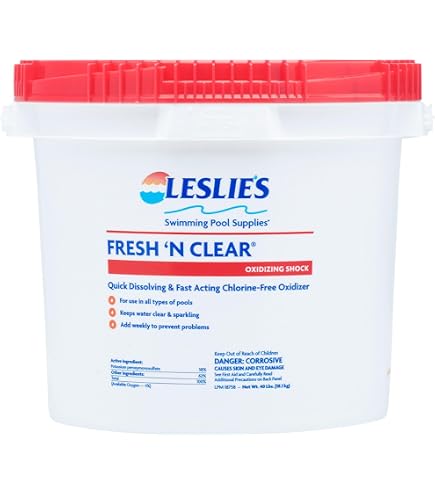
Before exploring alternatives, it’s useful to know what Leslie’s Fresh & Clear is and why people use it. Leslie’s Fresh & Clear is a non-chlorine oxidizer. Its main ingredient is potassium monopersulfate. Pool owners use it to break down organic contaminants like sweat, sunscreen, and debris. This keeps water clear and helps chlorine work better.
Key benefits of Leslie’s Fresh & Clear:
- Oxidizes waste without raising chlorine levels
- Allows swimming soon after use (usually 15 minutes)
- Reduces chlorine smell and irritation
- Helps prevent cloudy water and algae growth
However, it’s not perfect for everyone. Some find it costly over time. Others want to avoid chemicals entirely or prefer different brands. Some pools need specific treatments, such as saltwater or mineral pools.
Why Look For An Alternative?
People search for a Leslie’s Fresh & Clear alternative for several reasons:
- Cost: Regular use can be expensive, especially for large pools.
- Ingredient sensitivity: Some swimmers react to potassium monopersulfate.
- Preference for chlorine-based products: Owners of heavily-used pools may want stronger sanitizers.
- Desire for natural or eco-friendly options: Some pool owners prefer fewer chemicals.
- Compatibility with pool systems: Not all oxidizers are suitable for every pool type.
No single product fits all needs. Knowing your pool, how often it’s used, and who swims in it helps you decide.
Top Leslie’s Fresh & Clear Alternatives
Several products and methods can replace Leslie’s Fresh & Clear. They fall into a few main categories: non-chlorine oxidizers, chlorine-based shocks, mineral systems, and natural treatments. Each has advantages and drawbacks.
1. Non-chlorine Oxidizers
Like Leslie’s Fresh & Clear, these use oxidizing chemicals (not chlorine) to clean pool water. The main ingredient is usually potassium monopersulfate or a similar compound.
- Popular brands: OxiFresh, BioGuard Oxysheen, HTH Non-Chlorine Shock
- How they work: They break down organic matter, sunscreen, and sweat without raising chlorine. Water is usually swim-ready within 15 minutes.
- Pros: No strong chlorine smell, less eye/skin irritation, easy on pool equipment.
- Cons: Usually more expensive than chlorine shocks. Not a sanitizer—still need chlorine or another sanitizer.
Non-obvious insight: Many non-chlorine oxidizers are nearly identical in ingredients. If price is your main concern, check generic or store brands—they often perform the same as name brands.
2. Traditional Chlorine Shock
Chlorine shocks are the most common pool treatment. They use calcium hypochlorite, sodium dichlor, or lithium hypochlorite.
- Popular brands: HTH Super Shock, Clorox Pool&Spa Shock XtraBlue, In The Swim Super Shock
- How they work: Raise chlorine levels quickly to kill bacteria and algae, break down contaminants, and clear cloudy water.
- Pros: Strong sanitizer, widely available, inexpensive.
- Cons: Must wait longer before swimming (often 8-12 hours), may cause smell and irritation if overused, can increase cyanuric acid or calcium in water.
Important to know: Chlorine shocks are powerful but can’t be used as frequently as non-chlorine shocks. Overuse can damage liners or bleach pool surfaces.
3. Mineral-based Pool Systems
Mineral systems use elements like silver, copper, or zinc to control algae and bacteria. They are used together with low levels of chlorine or other sanitizers.
- Popular brands: Nature2, Frog Pool Tender, PoolRx
- How they work: Minerals are released slowly into the water, killing bacteria and preventing algae.
- Pros: Lower chlorine demand, softer water, fewer chemical odors.
- Cons: Higher upfront cost, cartridges need replacement every few months, not a full substitute for shock.
Non-obvious insight: Mineral systems reduce, but do not eliminate, the need for shock or chlorine. They work best as a supplement, not a complete replacement.
4. Hydrogen Peroxide-based Shocks
Some specialty shocks use hydrogen peroxide as the main oxidizer.
- Popular brands: Baquacil Oxidizer, Baqua Shock
- How they work: Hydrogen peroxide breaks down contaminants and can clear cloudy water.
- Pros: Chlorine-free, gentle on skin and eyes, safe for most pool surfaces.
- Cons: More expensive, not as strong as chlorine in killing bacteria, works best in biguanide pools (not standard chlorine pools).
5. Enzyme Treatments
Enzyme-based products are a newer, eco-friendly option.
- Popular brands: Natural Chemistry Pool Perfect, SeaKlear Enzyme Water Cleaner
- How they work: Enzymes digest oils, lotions, and other organics that can make water cloudy or foamy.
- Pros: Natural, reduces chemical use, helps keep filters clean.
- Cons: Not a sanitizer or oxidizer, slower to work, must be used with sanitizer.
Practical tip: Enzyme treatments are best for pools with heavy use, sunscreen, or lots of leaves. They prevent buildup that can lead to cloudy water.
6. Uv And Ozone Systems
These are non-chemical systems installed in the pool’s plumbing.
- How they work: UV light or ozone gas kills bacteria and breaks down contaminants as water passes through the unit.
- Pros: Reduces need for chemicals, effective at killing germs, no residue in pool.
- Cons: Expensive, must be installed by a pro, still need a small amount of chlorine or other sanitizer.
7. Saltwater Pools
Saltwater systems use salt cells to create chlorine from salt added to the pool.
- How they work: The salt cell produces chlorine as water passes through, keeping water clean.
- Pros: Softer water, lower chlorine smell, steady sanitizer levels.
- Cons: High initial cost, salt can be corrosive to metal parts, still uses chlorine (just produced on-site).
Comparing Leslie’s Fresh & Clear And Its Alternatives
To help you see the differences, here is a comparison of key features among the main options.
| Product/Method | Main Ingredient | Swim Wait Time | Chlorine-Free | Price Range |
|---|---|---|---|---|
| Leslie’s Fresh & Clear | Potassium Monopersulfate | 15 minutes | Yes | $$ |
| OxiFresh Non-Chlorine Shock | Potassium Monopersulfate | 15 minutes | Yes | $$ |
| HTH Super Shock | Calcium Hypochlorite | 8-12 hours | No | $ |
| Nature2 Mineral System | Silver, Copper | None | Partial | $$$ |
| Baquacil Oxidizer | Hydrogen Peroxide | 15-30 minutes | Yes | $$$ |
What To Consider When Choosing An Alternative
Choosing the right product depends on your pool, budget, and needs. Here are key factors to help you decide:
Pool Type And Size
Some products are best for chlorine pools, others for saltwater or biguanide pools. Make sure your alternative is compatible with your pool system and finish (plaster, vinyl, fiberglass).
Tip: Always read the label—using the wrong product can damage equipment or void warranties.
Frequency Of Use
If your pool is used every day or by many people, you may need a stronger or more frequent treatment. Non-chlorine shocks are great for quick recovery after parties or storms. Chlorine shocks are best for heavy algae or bacteria problems.
Sensitivity And Allergies
For swimmers sensitive to chemicals, enzyme or mineral systems can reduce irritation. Always test a small amount if you’re switching products.
Budget And Availability
Chlorine shocks are cheap and easy to find. Mineral and UV/ozone systems cost more upfront but may save money long-term by lowering chemical use.
Maintenance Routine
Some alternatives are “set and forget” (like mineral systems), while others require weekly or even daily dosing. Consider how much time you want to spend on pool care.
How To Use Non-chlorine Shock Alternatives
If you switch from Leslie’s Fresh & Clear, the process is usually similar, but there are important differences depending on the product.
Using Non-chlorine Shock
- Test pool water. Make sure pH is between 7.2 and 7.6.
- Add the shock. Broadcast the correct amount (check package instructions) evenly over the water surface.
- Run the pump for at least 1-2 hours for good circulation.
- Wait before swimming. Usually 15-30 minutes, but check your product.
- Retest water to ensure balance.
Common mistake: Adding shock at the wrong time of day. For best results, shock your pool in the evening to avoid sunlight breaking down the chemicals.
Using Chlorine Shock
- Dissolve if needed. Some products must be mixed in a bucket of water first.
- Add to pool. Pour around the edge or directly into deep end.
- Keep pool closed for 8-12 hours.
- Test chlorine level before reopening.
Tip: Never add more than one type of shock at the same time—it can cause dangerous reactions.
Using Mineral Or Enzyme Products
- Install or add as directed. Mineral cartridges are placed in the filter or skimmer. Enzymes are poured directly into the pool.
- Maintain chlorine at a low level. Usually 0.5-1 ppm is enough.
- Replace or dose regularly. Cartridges last 3-6 months; enzymes are added weekly.
Natural And Diy Methods
Some pool owners use baking soda for pH, or vitamin C to remove chlorine. While these can help, they do not sanitize or oxidize water fully and are not true substitutes for regular pool shock.
Important: Always use products approved for swimming pools. Household chemicals can be unsafe or damage your pool.
Real-world Examples: What Pool Owners Say
Hearing from others can help you decide which alternative fits your needs.
- Family with kids, sensitive skin: Switched from Leslie’s Fresh & Clear to Natural Chemistry enzymes and a Frog mineral system. “We use less chlorine, and the kids have fewer rashes. Water stays clear, but we still shock once a month.”
- Busy public pool manager: Uses HTH Super Shock weekly. “It’s cheap and effective. Wait overnight before reopening. We tried non-chlorine, but the cost was too high for our volume.”
- Eco-friendly homeowner: Installed a UV system. “The upfront cost was high, but we use very little chlorine now. Water smells fresh, and maintenance is simple.”
These stories show that your pool type, usage, and priorities matter most when picking an alternative.
Side-by-side: Cost And Maintenance Effort
For many, the cost and effort are the deciding factors. Here’s a quick look:
| Alternative | Initial Cost | Monthly Cost | Maintenance Effort |
|---|---|---|---|
| Leslie’s Fresh & Clear | Low | Medium | Weekly dosing |
| Chlorine Shock | Low | Low | Bi-weekly/monthly dosing |
| Mineral System | High | Low-Medium | Cartridge change every 3-6 months |
| UV/Ozone System | Very High | Very Low | Annual lamp/bulb change |
| Enzyme Treatment | Low | Medium | Weekly dosing |
Credit: www.amazon.com
Common Mistakes When Switching Pool Oxidizers
Switching to a Leslie’s Fresh & Clear alternative can bring surprises if you’re not prepared. Here are mistakes to avoid:
- Not balancing water first: Shocks and oxidizers work best when pH, alkalinity, and sanitizer are at proper levels.
- Overusing chemicals: More is not always better. Overdosing can lead to irritation and even equipment damage.
- Mixing incompatible products: Never mix chlorine and non-chlorine shocks together. Wait for one to dissipate before adding another.
- Forgetting to run the pump: Circulation is key. Chemicals need to move through the water to work.
- Not following label instructions: Every product is a bit different. Read carefully, even if you’ve used similar products before.
Non-obvious insight: If your pool is cloudy after switching products, it’s often due to filter problems, not the shock itself. Clean or backwash your filter before blaming the chemicals.
When To Use Each Type Of Alternative
Understanding timing can help you get the most out of your chosen alternative.
- After heavy pool use: Non-chlorine shock is best for fast recovery.
- Algae outbreak or strong odor: Use chlorine shock for a deep clean.
- Weekly maintenance: Mineral or enzyme systems help keep water balanced with less effort.
- Eco-friendly focus: UV or ozone systems reduce chemical use, but need some chlorine backup.
- Travel or vacation: Mineral systems are “set and forget,” good for owners away from home.

Credit: www.amazon.com
How To Transition From Leslie’s Fresh & Clear
If you want to change from Leslie’s Fresh & Clear to another method, follow these steps:
- Test your water and balance pH, alkalinity, and sanitizer.
- Allow the previous product to dissipate. Wait 24-48 hours after last dose.
- Clean your filter to remove any built-up contaminants.
- Introduce the new product or system. Follow package or manufacturer instructions.
- Monitor pool clarity and sanitizer levels for a week. Adjust as needed.
Tip: Transition slowly. If you notice cloudy water or irritation, double-check your dosage and water balance.
Environmental Impact: Are Alternatives Greener?
Many pool owners want to know if alternatives are better for the planet. Here’s what you should know:
- Non-chlorine shocks: Break down into harmless sulfates, but still chemicals.
- Enzyme treatments: Biodegradable, less chemical residue.
- Mineral systems: Produce less waste, but mining metals has environmental cost.
- UV/ozone: Use electricity, but reduce chemical use.
- Saltwater: Lower chemical storage/transport, but salt can harm plants and soil if drained improperly.
Practical advice: Whatever method you choose, never drain pool water directly into storm drains or onto the yard. Follow local rules for safe disposal.
Expert Opinions And Research
Pool professionals generally agree: no single method is perfect. Most recommend a multi-step approach—using a main sanitizer (chlorine, salt, or biguanide), supported by shocks, mineral systems, or enzymes as needed. This gives the cleanest water with the least effort.
Scientific studies show that potassium monopersulfate (the key in Leslie’s Fresh & Clear) is effective at breaking down organic waste, but does not kill all bacteria or algae. Chlorine is still needed for full protection.
For more technical details and safety info, the U.S. Centers for Disease Control and Prevention (CDC) offers guidelines on pool chemicals. See: CDC Pool Chemical Safety.

Credit: lesliespool.com
Frequently Asked Questions
What Is The Main Ingredient In Leslie’s Fresh & Clear, And Why Does It Matter?
Potassium monopersulfate is the main ingredient. It oxidizes organic waste, helping keep water clear without raising chlorine levels. It’s important because it works fast and is gentle on swimmers, but it does not kill bacteria or algae.
Is Non-chlorine Shock Better Than Chlorine Shock?
They serve different purposes. Non-chlorine shock is great for regular maintenance and allows fast swimming, but it does not sanitize. Chlorine shock kills bacteria and algae but needs longer wait times and can cause irritation if overused.
Can I Use Baking Soda Or Household Bleach As A Pool Shock?
No. Baking soda only raises alkalinity and does not sanitize. Household bleach is not as pure as pool-grade chemicals and can contain additives unsafe for swimming pools.
How Often Should I Use A Leslie’s Fresh & Clear Alternative?
It depends on your pool and the product. Most non-chlorine shocks are used weekly. Chlorine shocks can be used every 1-2 weeks or after heavy use. Mineral and enzyme systems need regular maintenance but less frequent dosing.
Are Alternatives Safe For All Pool Types?
Most alternatives are safe for chlorine, saltwater, and mineral pools, but always check the label. Some products are not suitable for biguanide or fiberglass pools. When in doubt, ask your pool store or a professional.
Switching to a Leslie’s Fresh & Clear alternative can save money, reduce chemical use, or better fit your lifestyle. The right choice depends on your pool, your swimmers, and your preferences. By understanding your options and how they work, you’ll enjoy clearer, safer water all season long.