
Is Muriatic Acid Safe For Vinyl Pools
If you own a vinyl pool, you probably want to keep it clean, sparkling, and safe for swimmers. But sometimes, managing pool chemicals feels confusing—especially when you hear about products like muriatic acid. This strong chemical is popular for keeping pool water balanced, but is it really safe for your vinyl pool? The answer is not as simple as a yes or no. While many pool owners use muriatic acid, it comes with risks that you need to understand fully before adding it to your vinyl-lined pool.
Let’s take a close look at what muriatic acid is, how it works, and what makes vinyl pools different from other types. We’ll also discuss alternatives, safety tips, and what can go wrong if you use it the wrong way.
By the end, you’ll have a clear answer—and the confidence to keep your pool healthy without causing damage.
What Is Muriatic Acid?
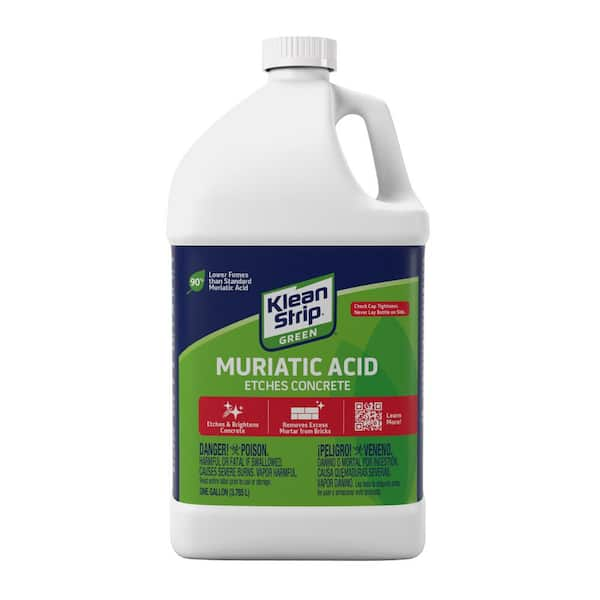
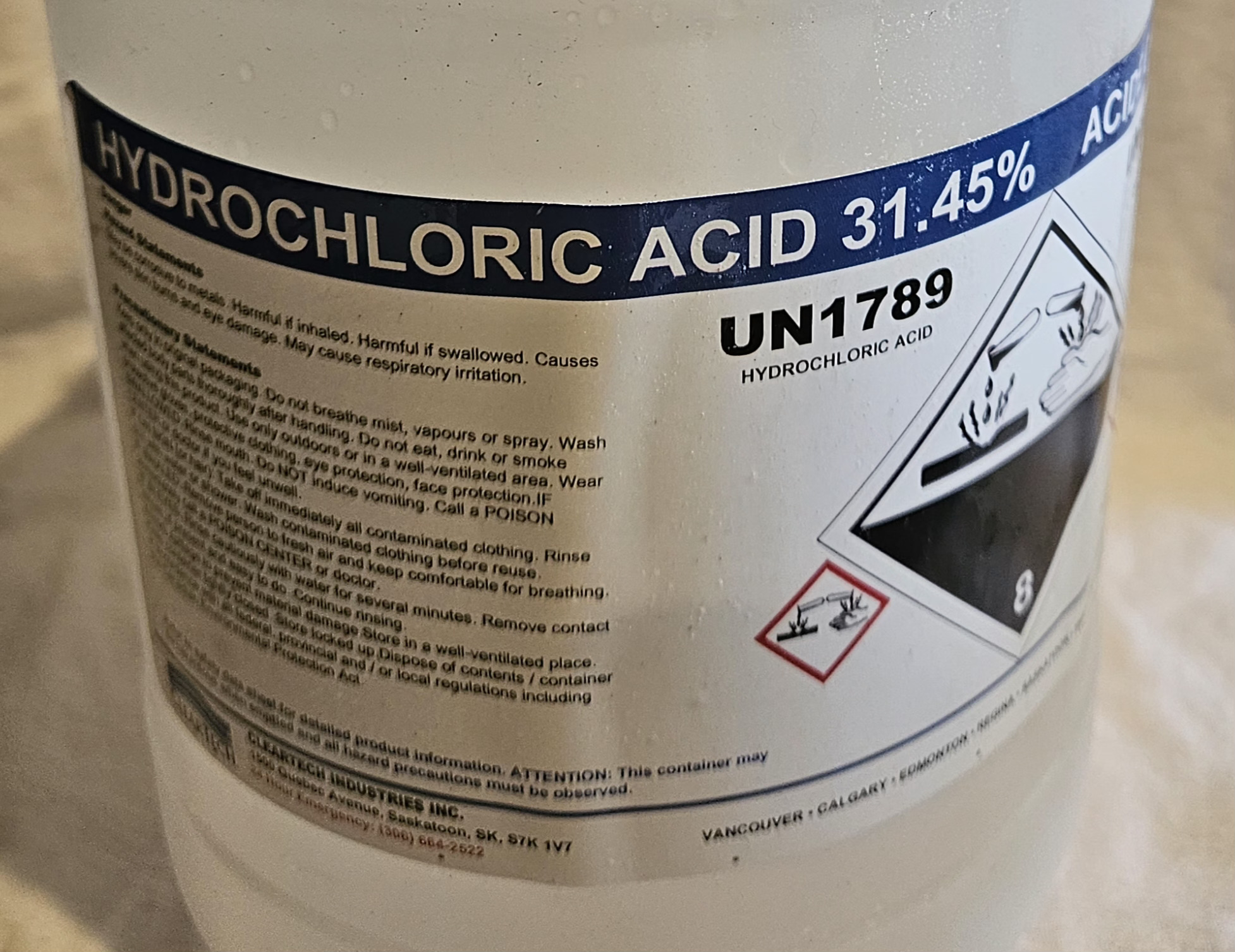
Muriatic acid is a diluted form of hydrochloric acid (HCl). You’ll usually find it in hardware stores, sold in one-gallon jugs. It’s a strong, clear liquid with a sharp smell. In the pool world, people use it mainly to lower pH and alkalinity in the water. High pH or alkalinity can lead to cloudy water, scaling on pool surfaces, and make chlorine less effective.
Common uses of muriatic acid:
- Lowering pool water pH
- Reducing total alkalinity
- Cleaning pool surfaces (especially concrete)
- Removing mineral stains
Muriatic acid is powerful, so it works fast. But with power comes danger—especially around delicate materials like vinyl liners.
How Vinyl Pools Differ From Other Pools
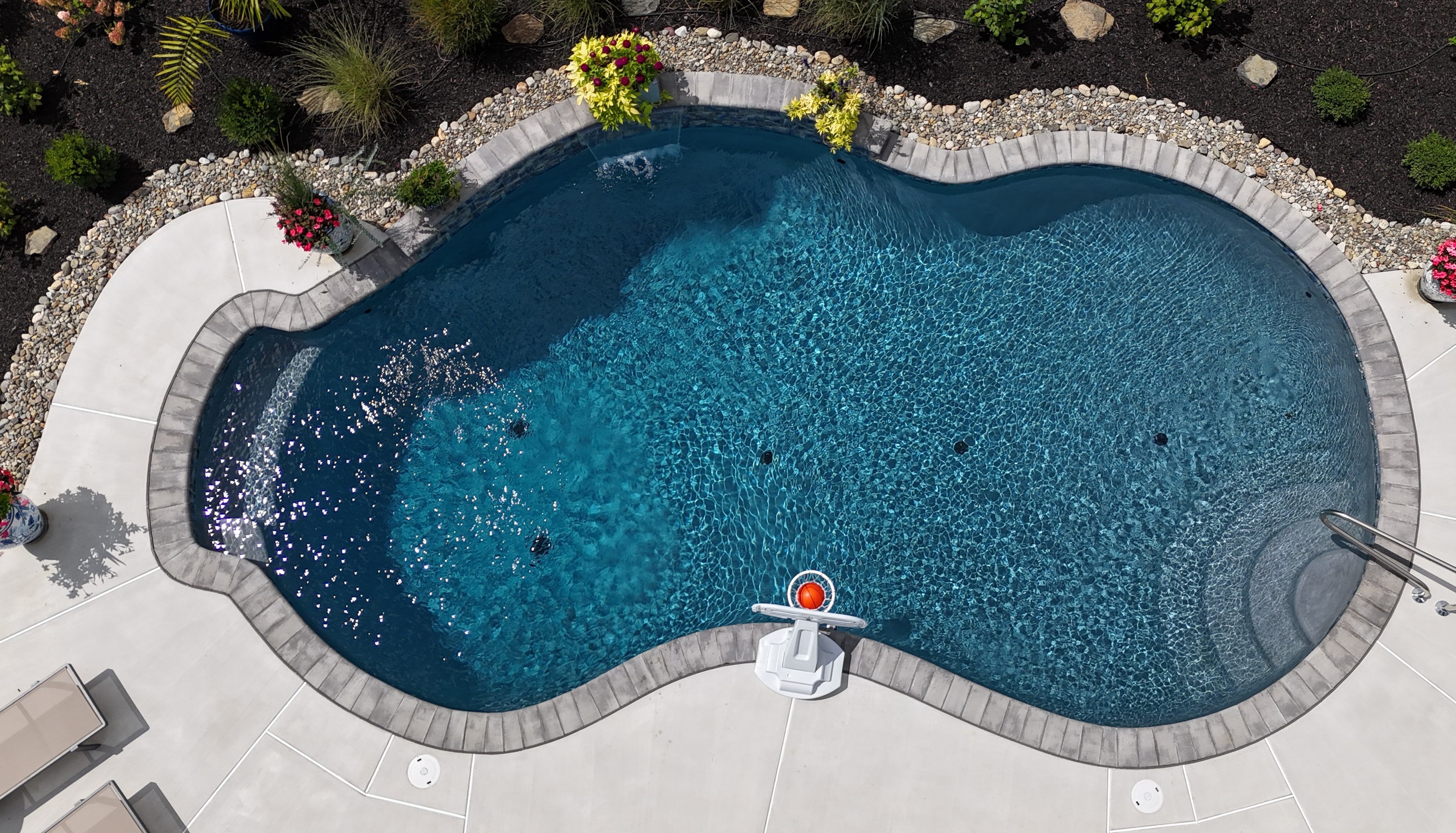
Vinyl pools are popular because they look nice, feel smooth, and are less expensive than concrete or fiberglass pools. A vinyl pool has a thin, flexible liner that holds water and gives the pool its shape. Underneath the liner is usually sand or a soft base.
Why vinyl matters:
- Vinyl is soft and can tear or wrinkle easily.
- Acidic chemicals can weaken or bleach vinyl.
- Repairing a damaged liner is costly and time-consuming.
With concrete pools, muriatic acid is often used directly on the walls to remove stains. But with vinyl, you have to be much more careful. The liner is not as tough and reacts differently to strong chemicals.
Credit: www.carltonpools.com
Why Use Muriatic Acid In A Vinyl Pool?
Even with the risks, some pool owners and professionals use muriatic acid in vinyl pools for water balance. Why? Because pH and alkalinity can drift out of the ideal range, especially if you use chlorine tablets, which are acidic themselves. If pH gets too high:
- Chlorine works less well
- Water gets cloudy
- Scale forms on the liner and equipment
Muriatic acid quickly brings pH back down. It’s also affordable and available in most pool stores. But just because it’s common doesn’t mean it’s always safe.
The Risks Of Using Muriatic Acid In Vinyl Pools
Using muriatic acid in a vinyl pool is not risk-free. Here’s what can go wrong if you’re not careful:
1. Vinyl Liner Damage
If you pour muriatic acid directly into the pool and it touches the liner undiluted, it can cause bleaching, wrinkles, or even holes. The acid is much stronger than the vinyl can handle.
2. Health Hazards For Users
Fumes from muriatic acid are dangerous if inhaled. Skin contact can cause burns. If acid splashes out of the pool, it can damage pool decks and landscaping.
3. Equipment Corrosion
If too much acid gets into the pool or the pH drops too low, metal pool parts (like ladders, screws, or pump parts) can corrode.
4. Unpredictable Chemical Reactions
If you add muriatic acid too quickly, it can react with other chemicals in the pool, causing cloudy water or even releasing toxic gases.
These risks make it important to use muriatic acid very carefully in vinyl pools—or consider safer alternatives.
How To Use Muriatic Acid Safely In Vinyl Pools
If you decide that using muriatic acid is necessary, you must follow strict safety steps. Here’s a safe method that reduces the risk of damage:
1. Test Your Water First
Always use a reliable test kit to measure pH and alkalinity. Only add acid if levels are actually high.
2. Wear Protective Gear
Use gloves, safety goggles, and long sleeves to protect your skin and eyes. Do not breathe in the fumes.
3. Dilute The Acid First
Never pour muriatic acid directly onto the liner. Always dilute it by adding the acid to a large bucket of pool water (never the other way around). Mix outside, away from the pool edge.
4. Add Slowly, Away From The Liner
Pour the diluted acid mixture into the deep end, as far from the pool walls as possible. Walk around while pouring to avoid acid settling in one spot.
5. Circulate The Water
Turn on the pool pump and let it run for at least 4 hours. This mixes the acid evenly and prevents it from sitting on the liner.
6. Wait Before Swimming
Retest the water after a few hours. Only swim when pH is back in the safe range (usually 7. 2–7. 6).
Pro tip:
Never add more acid than the instructions say. Small adjustments over several days are safer than one large dose.
How Much Muriatic Acid To Use
The exact amount of muriatic acid you need depends on your pool size and current pH/alkalinity levels. Using too much can be dangerous, so always start small.
Here’s an example for a standard 15,000-gallon vinyl pool:
| Current pH | Desired pH | Muriatic Acid (per 10,000 gallons) | Total Acid for 15,000 gallons |
|---|---|---|---|
| 7.8 | 7.4 | 8 oz (1 cup) | 12 oz (1.5 cups) |
| 8.0 | 7.4 | 16 oz (2 cups) | 24 oz (3 cups) |
| 8.2 | 7.4 | 24 oz (3 cups) | 36 oz (4.5 cups) |
Note:
These are estimates. Actual results depend on your pool’s alkalinity and water temperature. Always test water after each adjustment.
Credit: www.homedepot.com
Alternatives To Muriatic Acid For Vinyl Pools
If you’re worried about using muriatic acid, there are safer options for vinyl pools. Many pool owners are switching to these alternatives:
1. Sodium Bisulfate (dry Acid)
This powder lowers pH and alkalinity gently. It’s less risky for vinyl because it dissolves easily. Always pre-dissolve before adding.
2. Co2 Injection Systems
These systems lower pH by adding carbon dioxide gas to the water. They’re expensive, but very safe for liners.
3. Diluted Vinegar (in Small Pools)
Some people use white vinegar for very small, above-ground vinyl pools. It’s not as strong, but also less likely to damage the liner.
4. Careful Chlorine Management
Keeping your chlorine levels steady can help control pH, so you need less acid overall.
5. Professional Water Balancing Services
Some pool service companies use special blends that are safer for vinyl liners.
Here’s a quick comparison of muriatic acid and dry acid:
| Chemical | Form | Effect on Vinyl | Cost | Ease of Use |
|---|---|---|---|---|
| Muriatic Acid | Liquid | High risk if misused | Low | Medium |
| Sodium Bisulfate | Powder | Low risk | Medium | Easy |
Signs Of Vinyl Liner Damage From Acid
Sometimes, damage happens slowly, and you might not notice until it’s too late. Here’s what to watch for:
- Bleached spots: White or faded areas where acid touched the liner.
- Wrinkles: The liner puckers or folds, usually after strong acid contact.
- Brittle texture: Vinyl feels stiff or cracks easily.
- Leaks: Water level drops for no clear reason.
If you see any of these, stop using acid and call a pool professional. Fixing a damaged liner can cost from $500 to $2,500, depending on the problem.
Real-world Examples And Data
A 2022 survey from the Association of Pool & Spa Professionals found that 38% of vinyl pool owners reported some form of liner fading or wrinkling after using muriatic acid. In contrast, only 12% had issues when using sodium bisulfate. This shows the higher risk with liquid acid.
In online pool forums, many users share stories like:
- “I poured acid too close to the wall. Now I have a big white spot that won’t go away.”
- “After using dry acid, I’ve had zero liner problems.”
These real experiences highlight why caution is so important.
Practical Tips For Maintaining Vinyl Pools Safely
Keeping your vinyl pool in great shape is about more than just chemicals. Here are some proven tips:
1. Test Water Weekly
Use a digital or drop test kit. Strips are less accurate.
2. Balance Chemicals Slowly
Make small adjustments and retest after a few hours.
3. Avoid Direct Contact With The Liner
Always dilute chemicals before adding.
4. Don’t Mix Chemicals
Add each chemical separately, letting the water circulate in between.
5. Use A Pool Brush
Gently brush the liner to prevent algae and dirt buildup.
6. Watch For Leaks Or Fading
Fix small problems early to avoid major repairs.
7. Cover Your Pool
This keeps out leaves and dirt, so you use fewer chemicals overall.
Pro tip:
Install a pool alarm to catch leaks early—vinyl pools can lose water fast if damaged.
Common Mistakes When Using Muriatic Acid
Learning from others’ mistakes can save you time and money. Here are errors to avoid:
- Pouring acid directly onto the liner
This almost always leads to bleached spots or wrinkles.
- Adding too much at once
Overdosing can crash your pH and damage both liner and equipment.
- Not wearing safety gear
Acid burns are painful and serious. Protect your skin and eyes every time.
- Mixing acid with other chemicals
This can create dangerous reactions—always add separately.
- Ignoring water testing
Guessing instead of testing leads to trouble.
One less obvious mistake: Not considering the water source. Well water and city water often have different pH and alkalinity. Always test after filling or topping off your pool.
Environmental And Health Considerations
Muriatic acid doesn’t just affect your pool—it can impact your yard and health, too.
- Fumes: Breathing in acid fumes can cause coughing, sore throat, or worse.
- Splash risks: Spilled acid can kill grass, stain concrete, or harm pets.
- Storage dangers: Acid must be stored upright, away from kids and animals, in a cool, ventilated place.
For these reasons, many vinyl pool owners choose less hazardous chemicals, especially if children or pets swim in the pool.
When To Call A Professional
If you’re not comfortable handling strong chemicals, or if you see signs of liner damage, it’s smart to call a pool professional. They can:
- Test your water accurately
- Recommend the safest products for your pool type
- Make repairs if the liner is damaged
- Give you peace of mind
Professional help costs more upfront, but can save you from big repair bills later.
Expert Opinions On Muriatic Acid And Vinyl Pools
Many pool experts agree that while muriatic acid can be used in vinyl pools, it is not their first choice. The National Plasterers Council and other industry groups recommend sodium bisulfate or other gentler products for vinyl liners. Most pool chemical manufacturers include warnings on muriatic acid bottles: “Do not allow contact with vinyl liners.”
Some pool builders will void the warranty on a vinyl liner if you use muriatic acid improperly. Always check your pool’s warranty and manufacturer guidelines before using any strong chemical.
For further reading, the CDC’s residential pool disinfection page offers more guidance on safe pool chemistry.
Cost Comparison: Muriatic Acid Vs. Vinyl Liner Repair
Many pool owners choose muriatic acid because it’s cheap. But if you damage your liner, the real costs add up fast.
| Item | Average Cost |
|---|---|
| 1 gallon muriatic acid | $10–$15 |
| Sodium bisulfate (bucket) | $20–$30 |
| Professional water balancing (per visit) | $75–$100 |
| Minor vinyl liner repair | $200–$500 |
| Full liner replacement | $1,200–$2,500 |
Saving a few dollars on chemicals isn’t worth it if you end up replacing your liner.
The Bottom Line: Is Muriatic Acid Safe For Vinyl Pools?
So, is muriatic acid safe for vinyl pools? The answer: It can be used carefully, but it’s risky and not recommended as a first choice. If you use it, you must dilute it, add slowly, and never let it touch the liner directly. Even then, accidents can happen.
Most experts and experienced pool owners prefer safer products like sodium bisulfate for vinyl pools. These lower pH and alkalinity with much less risk. Muriatic acid is best reserved for concrete or plaster pools, or as a last resort in emergencies.
If you’re new to pool care, or you have children and pets, avoid muriatic acid. There are plenty of safer ways to keep your vinyl pool healthy and clean—without risking expensive damage.
Credit: waterworx-pools.com
Frequently Asked Questions
Is Muriatic Acid Ever Necessary For Vinyl Pools?
In most cases, muriatic acid is not necessary for vinyl pools. Gentler options like sodium bisulfate work well and are safer for the liner. Use muriatic acid only if there’s no other way to balance pH, and always follow safety steps.
Can Muriatic Acid Cause Permanent Liner Damage?
Yes, if it touches the vinyl liner directly or is used in large amounts, permanent damage can occur. This includes bleaching, wrinkling, or even creating holes in the liner that need professional repair.
How Soon Can I Swim After Adding Muriatic Acid?
Wait at least 4 hours after adding diluted muriatic acid and running the pool pump. Always test pH before swimming. Never swim if you can still smell strong chemicals in the water.
What’s The Safest Way To Lower Ph In A Vinyl Pool?
The safest way is to use sodium bisulfate (dry acid). Pre-dissolve the powder, add it slowly, and circulate the water. This method greatly reduces the risk of liner damage compared to muriatic acid.
Where Can I Find More Information About Pool Chemicals And Safety?
The CDC’s Healthy Swimming website has detailed guides on pool chemistry, safety, and best practices. You can visit their site at CDC Pool Disinfection.
Taking care of a vinyl pool doesn’t have to be risky or stressful. Choose the right chemicals, stay informed, and your pool will stay beautiful and safe for years to come.